Global Smartphone Shipments Grow 2% in 2025, Led by Apple and Samsung
Written by Emily J. Thompson, Senior Investment Analyst
Updated: Jan 29 2026
0mins

Source: Yahoo Finance
- Market Growth Trend: Global smartphone shipments reached 1.25 billion units in 2025, marking a 2% year-over-year increase and the highest annual volume since 2021, although Greater China saw a slight decline due to the fading subsidy effects.
- Apple's Strong Performance: Apple achieved its highest-ever shipment volume in 2025, with iPhone shipments growing 7% to 240.6 million units, maintaining its position as the world's largest vendor for the third consecutive year, particularly thriving in China with a 26% year-on-year growth.
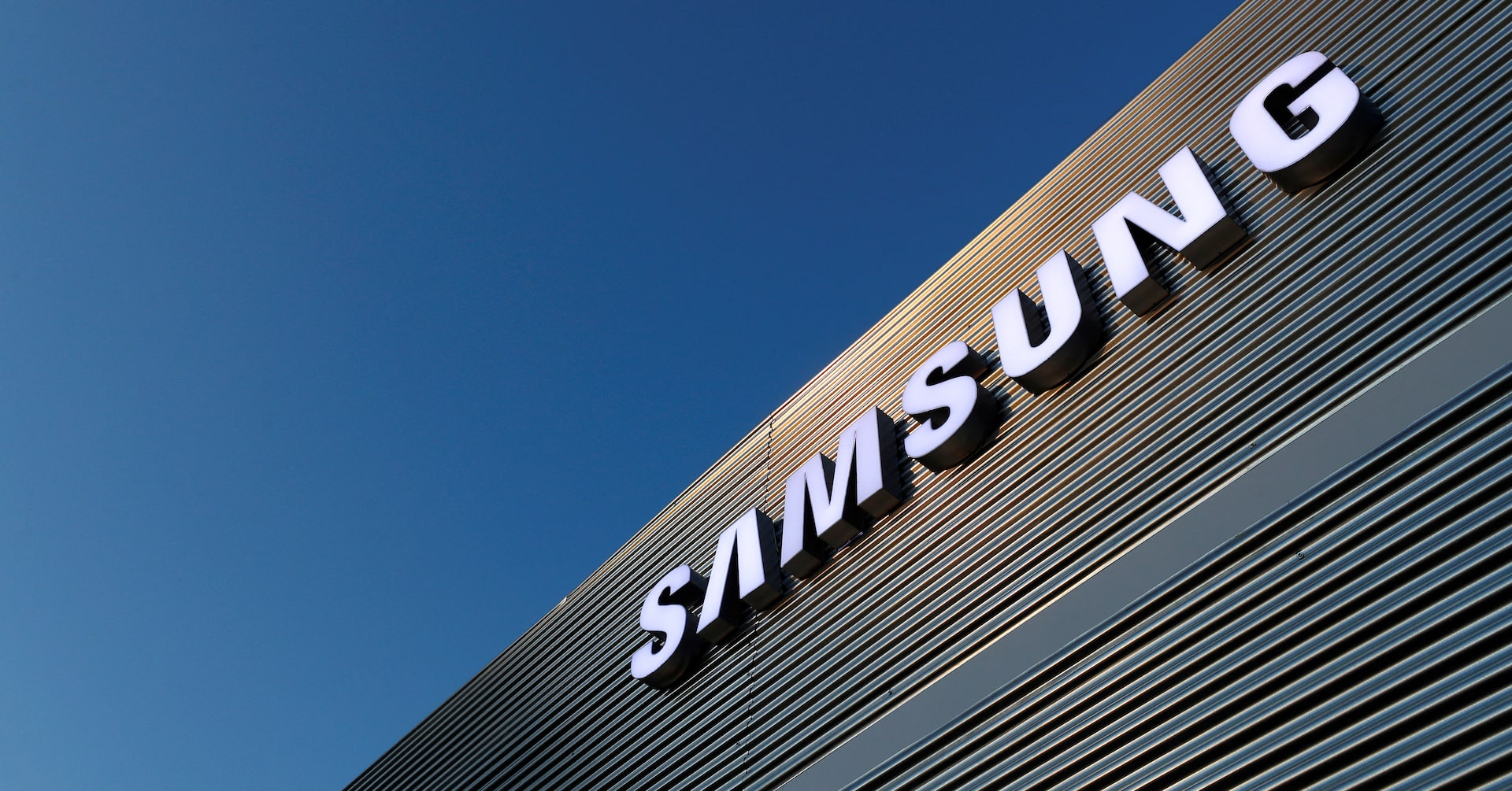
- Samsung's Significant Rebound: After three consecutive years of decline, Samsung's shipments grew 7% year-on-year in 2025, culminating in a 16% increase in Q4, driven by strong flagship demand and a recovery in entry-level markets, indicating a positive shift in market share.
- Emerging Brands Rising: Nothing emerged as the fastest-growing vendor in 2025, with an 86% increase in shipments surpassing 3 million units, while vivo claimed the fourth spot for the first time, growing 4% to 105.3 million units, highlighting intensified market competition and brand diversification.
Trade with 70% Backtested Accuracy
Stop guessing "Should I Buy AAPL?" and start using high-conviction signals backed by rigorous historical data.
Sign up today to access powerful investing tools and make smarter, data-driven decisions.
Analyst Views on AAPL
Wall Street analysts forecast AAPL stock price to rise
27 Analyst Rating
17 Buy
9 Hold
1 Sell
Moderate Buy
Current: 294.300

Low
239.00
Averages
306.89
High
350.00
Current: 294.300
Low
239.00
Averages
306.89
High
350.00
About AAPL
Apple Inc. designs, manufactures and markets smartphones, personal computers, tablets, wearables and accessories, and sells a variety of related services. Its product categories include iPhone, Mac, iPad, Wearables, Home and Accessories. Its services include advertising, AppleCare, cloud services, digital content, and payment services. The Company operates various platforms, including the App Store, that allow customers to discover and download applications and digital content, such as books, music, video, games and podcasts. It also offers digital content through subscription-based services, including Apple Arcade, Apple Fitness+, Apple Music, Apple News+, and Apple TV+. Its wearables include smartwatches, wireless headphones, and spatial computers. Its products include iPhone 16 Pro, iPhone 16, iPhone 15, iPhone 14, iPhone SE, MacBook Air, MacBook Pro, iMac, Mac mini, Mac Studio, Mac Pro, iPad Pro, iPad Air, AirPods, AirPods Pro, AirPods Max, Apple TV, Apple Vision Pro and others.
About the author

Emily J. Thompson
Emily J. Thompson, a Chartered Financial Analyst (CFA) with 12 years in investment research, graduated with honors from the Wharton School. Specializing in industrial and technology stocks, she provides in-depth analysis for Intellectia’s earnings and market brief reports.

Apple Aims to Release More Quality TV Shows and Movies

- Content Expansion Plans: Apple executive Eddy Cue stated that the company aims to release more quality TV shows and movies on its streaming service and in theaters, intending to enhance user experience and strengthen market competitiveness.
- Successful Works Review: Since launching Apple TV+ in 2019, Apple has successfully produced several award-winning works, including the Oscar-winning film 'CODA' and the box office hit 'F1', which have garnered positive reputation and audience base for the company.
- Future Development Direction: Cue mentioned that a script for a sequel to 'F1' is in the works, and the company plans to continue producing more films to meet the demands of both streaming and theatrical markets, thereby further solidifying Apple's position in the entertainment industry.
- Strategic Synergy: Cue emphasized that theatrical releases and streaming are complementary, believing that the success of 'F1' demonstrates the synergy between the two, and the company will continue to leverage both paths to attract a broader audience.
See More
Micron Reports Record Gross Margin in Quarterly Earnings


- Significant Margin Increase: Micron's latest earnings report reveals a gross margin of 84.9%, a substantial rise from 39% a year ago, surpassing Nvidia's 75% and Meta's 82%, showcasing the company's strong pricing power in the memory market and reinforcing its market leadership.
- Surge in Revenue and Net Income: Micron's fiscal Q3 revenue reached $41.46 billion, up over $20 billion from the previous quarter, with net income soaring to $28.24 billion, more than doubling from the prior quarter, marking the highest performance in the company's 48-year history and reflecting a surge in demand for memory from data centers.
- Strategic Customer Agreements: Micron is entering long-term strategic customer agreements (SCAs) to maintain high margins amid rising memory prices, with the CEO stating that the floor price in these agreements will ensure margins well above previous cycle peaks, demonstrating the company's confidence in future market conditions.
- Optimistic Market Outlook: Micron projects a gross margin of approximately 86% for the fiscal fourth quarter, with executives indicating that the market will remain tight beyond 2027, further bolstering investor confidence in Micron's stock.
See More

Buffett's Long-Term Winners in Investment Portfolio

- Coca-Cola's Lasting Appeal: Buffett has viewed Coca-Cola as a long-term quality asset since his initial purchase in 1988, and it remains the third-largest holding in Berkshire Hathaway's portfolio, valued at $346 billion, showcasing its strong brand advantage and a gross margin of 61.82%.
- American Express's Steady Growth: As the second-largest holding in Berkshire Hathaway, American Express has shown resilience during economic downturns, with 66% of new customers in the latest quarter coming from Millennials and Gen Z, indicating its appeal among younger demographics, with a market cap of $230 billion and a gross margin of 60.19%.
- Apple's Ongoing Innovation: Although Buffett began investing in Apple in 2016, its market cap has soared to $4.3 trillion, and with over 2.5 billion active devices, Apple's service revenue continues to reach record highs, demonstrating its leadership in the smartphone market and strong revenue potential.
- Buffett's Investment Philosophy: Buffett's investment strategy emphasizes long-term holding, particularly in companies like Coca-Cola, American Express, and Apple, which not only possess strong market positions but also provide stable cash flows and dividends, reflecting his confidence in future growth.
See More

Buffett's Ultimate Holding Strategy and Three Key Stocks
- Buffett's Investment Philosophy: Over his six-decade career, Buffett has achieved an average annual compounded growth rate of nearly 20%, significantly outperforming the S&P 500's 10%, demonstrating the effectiveness and success of his long-term holding strategy.
- Coca-Cola's Lasting Appeal: As the third-largest holding in Buffett's portfolio, Coca-Cola has maintained its competitive edge through over 50 years of consistent dividend payments and strong brand strength, ensuring steady earnings growth and passive income.
- American Express's Resilient Performance: Ranking second in Buffett's portfolio, American Express has shown robust earnings growth despite challenging economic conditions, with 66% of new customer accounts in the latest quarter coming from Millennials and Gen Z, highlighting its market appeal.
- Apple's Growth Potential: Since being added to Buffett's portfolio in 2016, Apple has demonstrated strong market leadership with over 2.5 billion active devices and rapidly increasing service revenue, making it one of the stocks Buffett considers worth holding
See More

Micron Achieves Record Gross Margin Amid Rising Memory Prices
- Record Gross Margin: Micron reported a gross margin of 84.9% in its latest earnings, a significant increase from 39% a year ago, showcasing its enhanced pricing power in the memory market and solidifying its position as the highest among U.S. tech companies.
- Substantial Revenue Growth: The company reported third-quarter revenue of $41.46 billion, up over $20 billion from the previous quarter, marking a new record in its 48-year history, driven by surging demand for memory in data centers, particularly in the AI sector.
- Net Income Doubles: Micron's net income reached $28.24 billion, more than doubling from the previous quarter, which not only boosts investor confidence but also provides ample funding for future expansions and investments, reflecting the company's robust performance in the memory industry.
- Long-term Strategic Agreements: The strategic customer agreements (SCAs) Micron has signed ensure high gross margins, with the CEO stating that these price-band-based agreements will maintain the company's competitive edge in a market expected to remain tight, indicating a prolonged supply-demand imbalance in the memory sector.
See More

Qualcomm Investor Day to Focus on AI Chip Market Expansion


- Market Expansion Strategy: Qualcomm is set to announce its strategy for expanding into the rapidly growing AI data center chip market during its investor day on Wednesday, aiming to break free from the limitations of its core smartphone business amid a highly competitive landscape.
- Customer Acquisition Expectations: Analysts anticipate Qualcomm will reveal new customers for its AI chips, attempting to carve out a niche in a market dominated by Nvidia, reflecting increasing pressures in the smartphone sector.
- Financial Target Outlook: By fiscal 2027-2028, Qualcomm's data center business is expected to generate annual revenues of $2 billion to $5 billion, with investors keenly watching for updates on long-term financial targets, particularly regarding growth in non-handset sectors.
- Acquisition Strategy: Qualcomm announced a $4 billion all-stock acquisition of AI software startup Modular, aiming to compete against Nvidia's proprietary CUDA software, thereby strengthening its market position in the AI sector.
See More
Apple Aims to Release More Quality TV Shows and Movies
- Content Expansion Plans: Apple executive Eddy Cue stated that the company aims to release more quality TV shows and movies on its streaming service and in theaters, intending to enhance user experience and strengthen market competitiveness.
- Successful Works Review: Since launching Apple TV+ in 2019, Apple has successfully produced several award-winning works, including the Oscar-winning film 'CODA' and the box office hit 'F1', which have garnered positive reputation and audience base for the company.
- Future Development Direction: Cue mentioned that a script for a sequel to 'F1' is in the works, and the company plans to continue producing more films to meet the demands of both streaming and theatrical markets, thereby further solidifying Apple's position in the entertainment industry.
- Strategic Synergy: Cue emphasized that theatrical releases and streaming are complementary, believing that the success of 'F1' demonstrates the synergy between the two, and the company will continue to leverage both paths to attract a broader audience.
See More
Micron Reports Record Gross Margin in Quarterly Earnings
- Significant Margin Increase: Micron's latest earnings report reveals a gross margin of 84.9%, a substantial rise from 39% a year ago, surpassing Nvidia's 75% and Meta's 82%, showcasing the company's strong pricing power in the memory market and reinforcing its market leadership.
- Surge in Revenue and Net Income: Micron's fiscal Q3 revenue reached $41.46 billion, up over $20 billion from the previous quarter, with net income soaring to $28.24 billion, more than doubling from the prior quarter, marking the highest performance in the company's 48-year history and reflecting a surge in demand for memory from data centers.
- Strategic Customer Agreements: Micron is entering long-term strategic customer agreements (SCAs) to maintain high margins amid rising memory prices, with the CEO stating that the floor price in these agreements will ensure margins well above previous cycle peaks, demonstrating the company's confidence in future market conditions.
- Optimistic Market Outlook: Micron projects a gross margin of approximately 86% for the fiscal fourth quarter, with executives indicating that the market will remain tight beyond 2027, further bolstering investor confidence in Micron's stock.
See More
Buffett's Long-Term Winners in Investment Portfolio
- Coca-Cola's Lasting Appeal: Buffett has viewed Coca-Cola as a long-term quality asset since his initial purchase in 1988, and it remains the third-largest holding in Berkshire Hathaway's portfolio, valued at $346 billion, showcasing its strong brand advantage and a gross margin of 61.82%.
- American Express's Steady Growth: As the second-largest holding in Berkshire Hathaway, American Express has shown resilience during economic downturns, with 66% of new customers in the latest quarter coming from Millennials and Gen Z, indicating its appeal among younger demographics, with a market cap of $230 billion and a gross margin of 60.19%.
- Apple's Ongoing Innovation: Although Buffett began investing in Apple in 2016, its market cap has soared to $4.3 trillion, and with over 2.5 billion active devices, Apple's service revenue continues to reach record highs, demonstrating its leadership in the smartphone market and strong revenue potential.
- Buffett's Investment Philosophy: Buffett's investment strategy emphasizes long-term holding, particularly in companies like Coca-Cola, American Express, and Apple, which not only possess strong market positions but also provide stable cash flows and dividends, reflecting his confidence in future growth.
See More
Buffett's Ultimate Holding Strategy and Three Key Stocks
- Buffett's Investment Philosophy: Over his six-decade career, Buffett has achieved an average annual compounded growth rate of nearly 20%, significantly outperforming the S&P 500's 10%, demonstrating the effectiveness and success of his long-term holding strategy.
- Coca-Cola's Lasting Appeal: As the third-largest holding in Buffett's portfolio, Coca-Cola has maintained its competitive edge through over 50 years of consistent dividend payments and strong brand strength, ensuring steady earnings growth and passive income.
- American Express's Resilient Performance: Ranking second in Buffett's portfolio, American Express has shown robust earnings growth despite challenging economic conditions, with 66% of new customer accounts in the latest quarter coming from Millennials and Gen Z, highlighting its market appeal.
- Apple's Growth Potential: Since being added to Buffett's portfolio in 2016, Apple has demonstrated strong market leadership with over 2.5 billion active devices and rapidly increasing service revenue, making it one of the stocks Buffett considers worth holding
See More
Micron Achieves Record Gross Margin Amid Rising Memory Prices
- Record Gross Margin: Micron reported a gross margin of 84.9% in its latest earnings, a significant increase from 39% a year ago, showcasing its enhanced pricing power in the memory market and solidifying its position as the highest among U.S. tech companies.
- Substantial Revenue Growth: The company reported third-quarter revenue of $41.46 billion, up over $20 billion from the previous quarter, marking a new record in its 48-year history, driven by surging demand for memory in data centers, particularly in the AI sector.
- Net Income Doubles: Micron's net income reached $28.24 billion, more than doubling from the previous quarter, which not only boosts investor confidence but also provides ample funding for future expansions and investments, reflecting the company's robust performance in the memory industry.
- Long-term Strategic Agreements: The strategic customer agreements (SCAs) Micron has signed ensure high gross margins, with the CEO stating that these price-band-based agreements will maintain the company's competitive edge in a market expected to remain tight, indicating a prolonged supply-demand imbalance in the memory sector.
See More
Qualcomm Investor Day to Focus on AI Chip Market Expansion
- Market Expansion Strategy: Qualcomm is set to announce its strategy for expanding into the rapidly growing AI data center chip market during its investor day on Wednesday, aiming to break free from the limitations of its core smartphone business amid a highly competitive landscape.
- Customer Acquisition Expectations: Analysts anticipate Qualcomm will reveal new customers for its AI chips, attempting to carve out a niche in a market dominated by Nvidia, reflecting increasing pressures in the smartphone sector.
- Financial Target Outlook: By fiscal 2027-2028, Qualcomm's data center business is expected to generate annual revenues of $2 billion to $5 billion, with investors keenly watching for updates on long-term financial targets, particularly regarding growth in non-handset sectors.
- Acquisition Strategy: Qualcomm announced a $4 billion all-stock acquisition of AI software startup Modular, aiming to compete against Nvidia's proprietary CUDA software, thereby strengthening its market position in the AI sector.
See More