General Motors' Subscription Business Shows Significant Growth Potential
Written by Emily J. Thompson, Senior Investment Analyst
Updated: 1 hour ago
0mins
Should l Buy GM?
Source: Fool
- Strong Shareholder Returns: General Motors has repurchased billions in stock over recent years, successfully turned around its money-losing operations in China, and navigated challenges like chip shortages and tariffs, nearly doubling the S&P 500's return, showcasing its financial resilience.
- Subscription Business Growth: GM's OnStar and Super Cruise subscription services are rapidly expanding, with management anticipating these will become major profit drivers, particularly as Super Cruise paid subscribers are expected to exceed 850,000 by year-end, indicating robust market demand.
- Robust Revenue Growth: OnStar ended Q1 with deferred revenue of $5.8 billion, up over 50% year-over-year, while recognized revenue surpassed $750 million, a 20% increase, highlighting significant progress in GM's high-margin connected business.
- Market Valuation Potential: GM's CFO noted that the high margins from the connected business could potentially dwarf its wholesale operations, and despite facing subscription fatigue, the growth in this area presents new opportunities for investors, which may not be fully reflected in the current stock price.
Trade with 70% Backtested Accuracy
Stop guessing "Should I Buy GM?" and start using high-conviction signals backed by rigorous historical data.
Sign up today to access powerful investing tools and make smarter, data-driven decisions.
Analyst Views on GM
Wall Street analysts forecast GM stock price to rise
19 Analyst Rating
14 Buy
4 Hold
1 Sell
Moderate Buy
Current: 76.620

Low
57.00
Averages
95.06
High
122.00
Current: 76.620
Low
57.00
Averages
95.06
High
122.00
About GM
General Motors Company designs, builds and sells trucks, crossovers, cars and automobile parts and provides software-enabled services and subscriptions worldwide. The Company's segments include GMNA, GMI and GM Financial. Its GM North America (GMNA) and GM International (GMI) segment develop, manufacture and/or markets vehicles under the Buick, Cadillac, Chevrolet and GMC brands. The Company's GM Financial segment provides automotive financing and related services. The Company is also focused on investing in electric vehicles (EVs) and autonomous vehicles (Avs), software-enabled services and subscriptions and new business opportunities. The Company's portfolio includes OnStar, GM Energy, GM Insurance, GM Genuine Parts, and the GM Company Store. Its OnStar portfolio offers safety, connectivity and hands-free driver assistance technologies. Its GM Energy provides Home EV Charging, Public EV Charging, Vehicle-To-Home and Energy Storage services.
About the author

Emily J. Thompson
Emily J. Thompson, a Chartered Financial Analyst (CFA) with 12 years in investment research, graduated with honors from the Wharton School. Specializing in industrial and technology stocks, she provides in-depth analysis for Intellectia’s earnings and market brief reports.

General Motors Invests $1.4 Billion to Boost Production

- Significant Investment: General Motors has announced an investment of approximately $1.4 billion in three U.S. factories and one Canadian plant, aimed at enhancing its capacity to produce combustion-engine vehicles in response to declining demand for electric vehicles.
- Commitment to Domestic Manufacturing: Over the past year, GM has invested $6 billion in U.S. factories, and this new investment further underscores the company's strong support for American manufacturing, aligning with the Trump administration's push for increased domestic investment.
- Diversification of Product Lines: The investment will focus on the production of gasoline engines, transmissions, and metal castings, ensuring GM's competitiveness in the traditional automotive market while preparing for potential shifts in market demand.
- Market Demand Dynamics: As electric vehicle demand fluctuates, GM aims to maintain its market share and meet consumer demand for traditional vehicles by increasing its investment in combustion engine production.
See More
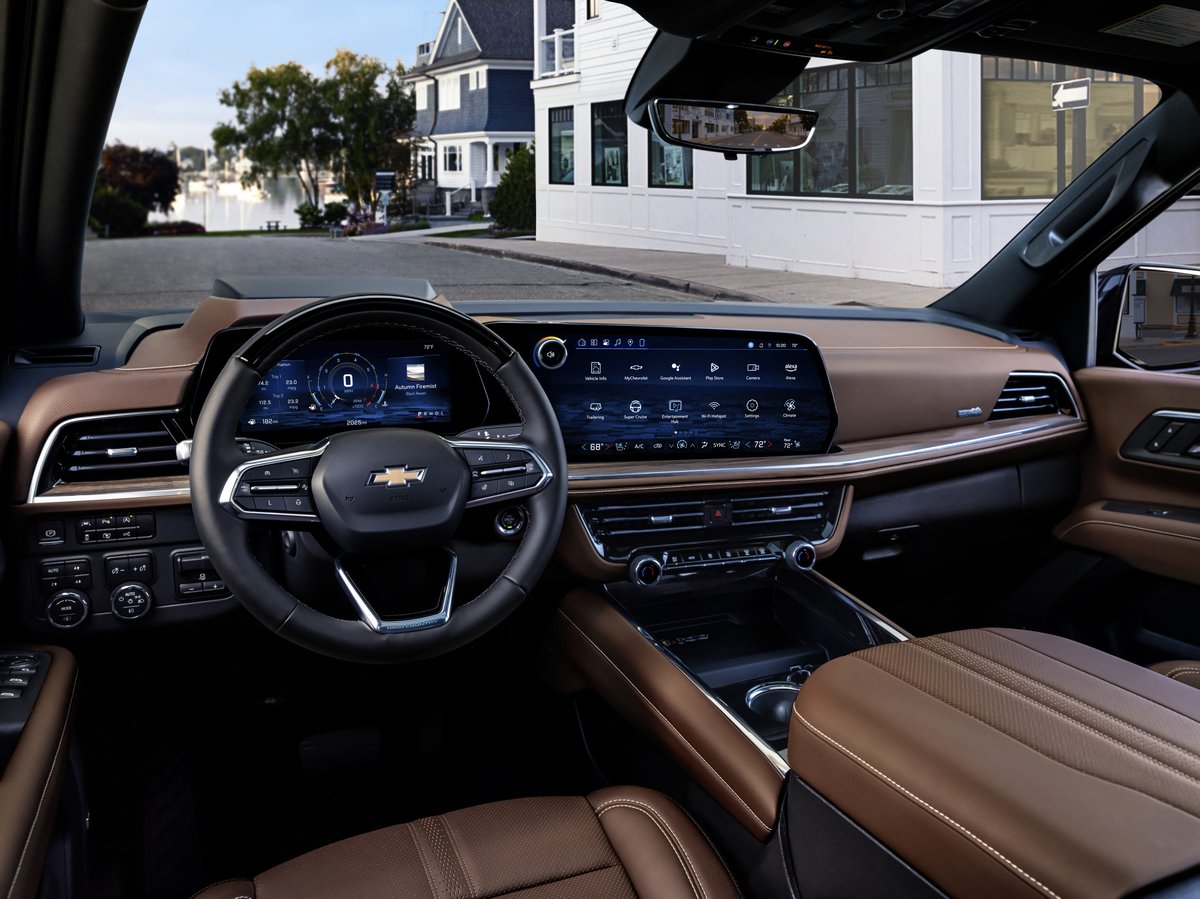
General Motors' Subscription Business Shows Significant Growth Potential
- Strong Shareholder Returns: General Motors has repurchased billions in stock over recent years, successfully turned around its money-losing operations in China, and navigated challenges like chip shortages and tariffs, nearly doubling the S&P 500's return, showcasing its financial resilience.
- Subscription Business Growth: GM's OnStar and Super Cruise subscription services are rapidly expanding, with management anticipating these will become major profit drivers, particularly as Super Cruise paid subscribers are expected to exceed 850,000 by year-end, indicating robust market demand.
- Robust Revenue Growth: OnStar ended Q1 with deferred revenue of $5.8 billion, up over 50% year-over-year, while recognized revenue surpassed $750 million, a 20% increase, highlighting significant progress in GM's high-margin connected business.
- Market Valuation Potential: GM's CFO noted that the high margins from the connected business could potentially dwarf its wholesale operations, and despite facing subscription fatigue, the growth in this area presents new opportunities for investors, which may not be fully reflected in the current stock price.
See More

GM Launches Eight-Year OnStar Subscription for New Vehicles
- OnStar Service Expansion: General Motors is providing an eight-year subscription to OnStar services for all new vehicles, a strategy designed to ensure a 100% take rate by incorporating service fees into vehicle pricing, thereby enhancing customer retention and future renewal rates.
- Super Cruise User Growth: Subscribers to Super Cruise increased by approximately 70% year-over-year in the first quarter, with expectations to surpass 850,000 paid users by year-end, which will generate substantial high-margin revenue and further strengthen GM's competitive position in the automotive industry.
- Strong Financial Performance: OnStar ended the first quarter with deferred revenue of $5.8 billion, up over 50% year-over-year, while recognized revenue exceeded $750 million, reflecting a 20% increase, indicating robust growth potential in GM's high-margin software business.
- Future Profit Driver: GM's management believes that the high margins from its connected business could eventually surpass traditional wholesale operations, and despite facing subscription fatigue, this emerging business presents long-term growth opportunities for investors.
See More

Automakers Seek Tariff Refunds Amid Profit Boost

- Tariff Refund Applications: Several automakers began applying for refunds this week for tariffs paid to the Trump administration, with a total of up to $166 billion expected, indicating the industry's anticipation of future cash flows despite the uncertainty of refund timelines.
- Profit Boost: Ford expects to receive $1.3 billion in refunds, while General Motors anticipates $500 million, and Mercedes-Benz recorded expected refunds on its first-quarter books, collectively enhancing their quarterly financial performance.
- Market Risks: Companies seeking refunds may face backlash from the Trump administration, with Ford's CFO stating that filing for reimbursement is a fiduciary duty to protect shareholder interests, highlighting the complex responses businesses must navigate in the policy environment.
- Cost Pressures: General Motors projects that tariffs will reduce its profits by $2.5 billion to $3.5 billion this year, while Ford estimates its net tariff cost at $1 billion, reflecting the ongoing impact of tariff policies on the automotive industry.
See More

SpaceX IPO Expected to Set Record for Largest Offering


- IPO Potential: SpaceX aims to raise $75 billion with a valuation projected between $1.75 trillion and $2 trillion, which, if successful, would surpass Saudi Aramco's $29.4 billion IPO record set in 2019, indicating strong market interest in the space economy.
- Historical Lessons: Despite the excitement surrounding SpaceX's IPO, historical data shows that since 1999, only Visa has seen its stock price rise six months post-IPO, while five other large IPOs experienced declines of 8% to 38%, suggesting that investor sentiment may cloud judgment.
- Valuation Challenges: SpaceX's valuation may fall within a high double-digit or low triple-digit price-to-sales (P/S) ratio, yet historically, companies at the forefront of technology struggle to maintain P/S ratios above 30, posing risks for investors.
- Tech Bubble Risks: History indicates that every emerging technology over the past 30 years has faced bubble-bursting events; although demand for AI and space infrastructure is surging, SpaceX's sales and profits still require time to optimize, presenting significant risks for early investors.
See More

SpaceX Confidentially Files for Historic IPO
- IPO Potential: SpaceX confidentially filed for its IPO on April 1, aiming to raise $75 billion with a valuation of up to $2 trillion, which, if successful, would set a record for the largest IPO in Wall Street history, reflecting strong market confidence in its growth prospects.
- Historical Challenges: Despite investor enthusiasm, many high-profile IPOs over the past 27 years have struggled post-debut, with only Visa seeing a price increase six months after going public, while others like Facebook and Alibaba faced declines of 8% to 38%, adding uncertainty to SpaceX's IPO outlook.
- Significant Valuation Risks: SpaceX's sales are reported between $15 billion and $16 billion, but its high price-to-sales ratio, potentially exceeding 30, may be unsustainable, especially as historically, companies at the forefront of technology trends often fail to maintain such valuations, which could impact investor confidence.
- Bubble Risk Warning: History shows that many emerging technologies experience bubble bursts in their early stages; although demand for AI and space infrastructure is surging, SpaceX's sales and profits still require time to optimize, necessitating caution from early investors regarding potential risks.
See More
General Motors Invests $1.4 Billion to Boost Production
- Significant Investment: General Motors has announced an investment of approximately $1.4 billion in three U.S. factories and one Canadian plant, aimed at enhancing its capacity to produce combustion-engine vehicles in response to declining demand for electric vehicles.
- Commitment to Domestic Manufacturing: Over the past year, GM has invested $6 billion in U.S. factories, and this new investment further underscores the company's strong support for American manufacturing, aligning with the Trump administration's push for increased domestic investment.
- Diversification of Product Lines: The investment will focus on the production of gasoline engines, transmissions, and metal castings, ensuring GM's competitiveness in the traditional automotive market while preparing for potential shifts in market demand.
- Market Demand Dynamics: As electric vehicle demand fluctuates, GM aims to maintain its market share and meet consumer demand for traditional vehicles by increasing its investment in combustion engine production.
See More
General Motors' Subscription Business Shows Significant Growth Potential
- Strong Shareholder Returns: General Motors has repurchased billions in stock over recent years, successfully turned around its money-losing operations in China, and navigated challenges like chip shortages and tariffs, nearly doubling the S&P 500's return, showcasing its financial resilience.
- Subscription Business Growth: GM's OnStar and Super Cruise subscription services are rapidly expanding, with management anticipating these will become major profit drivers, particularly as Super Cruise paid subscribers are expected to exceed 850,000 by year-end, indicating robust market demand.
- Robust Revenue Growth: OnStar ended Q1 with deferred revenue of $5.8 billion, up over 50% year-over-year, while recognized revenue surpassed $750 million, a 20% increase, highlighting significant progress in GM's high-margin connected business.
- Market Valuation Potential: GM's CFO noted that the high margins from the connected business could potentially dwarf its wholesale operations, and despite facing subscription fatigue, the growth in this area presents new opportunities for investors, which may not be fully reflected in the current stock price.
See More
GM Launches Eight-Year OnStar Subscription for New Vehicles
- OnStar Service Expansion: General Motors is providing an eight-year subscription to OnStar services for all new vehicles, a strategy designed to ensure a 100% take rate by incorporating service fees into vehicle pricing, thereby enhancing customer retention and future renewal rates.
- Super Cruise User Growth: Subscribers to Super Cruise increased by approximately 70% year-over-year in the first quarter, with expectations to surpass 850,000 paid users by year-end, which will generate substantial high-margin revenue and further strengthen GM's competitive position in the automotive industry.
- Strong Financial Performance: OnStar ended the first quarter with deferred revenue of $5.8 billion, up over 50% year-over-year, while recognized revenue exceeded $750 million, reflecting a 20% increase, indicating robust growth potential in GM's high-margin software business.
- Future Profit Driver: GM's management believes that the high margins from its connected business could eventually surpass traditional wholesale operations, and despite facing subscription fatigue, this emerging business presents long-term growth opportunities for investors.
See More
Automakers Seek Tariff Refunds Amid Profit Boost
- Tariff Refund Applications: Several automakers began applying for refunds this week for tariffs paid to the Trump administration, with a total of up to $166 billion expected, indicating the industry's anticipation of future cash flows despite the uncertainty of refund timelines.
- Profit Boost: Ford expects to receive $1.3 billion in refunds, while General Motors anticipates $500 million, and Mercedes-Benz recorded expected refunds on its first-quarter books, collectively enhancing their quarterly financial performance.
- Market Risks: Companies seeking refunds may face backlash from the Trump administration, with Ford's CFO stating that filing for reimbursement is a fiduciary duty to protect shareholder interests, highlighting the complex responses businesses must navigate in the policy environment.
- Cost Pressures: General Motors projects that tariffs will reduce its profits by $2.5 billion to $3.5 billion this year, while Ford estimates its net tariff cost at $1 billion, reflecting the ongoing impact of tariff policies on the automotive industry.
See More
SpaceX IPO Expected to Set Record for Largest Offering
- IPO Potential: SpaceX aims to raise $75 billion with a valuation projected between $1.75 trillion and $2 trillion, which, if successful, would surpass Saudi Aramco's $29.4 billion IPO record set in 2019, indicating strong market interest in the space economy.
- Historical Lessons: Despite the excitement surrounding SpaceX's IPO, historical data shows that since 1999, only Visa has seen its stock price rise six months post-IPO, while five other large IPOs experienced declines of 8% to 38%, suggesting that investor sentiment may cloud judgment.
- Valuation Challenges: SpaceX's valuation may fall within a high double-digit or low triple-digit price-to-sales (P/S) ratio, yet historically, companies at the forefront of technology struggle to maintain P/S ratios above 30, posing risks for investors.
- Tech Bubble Risks: History indicates that every emerging technology over the past 30 years has faced bubble-bursting events; although demand for AI and space infrastructure is surging, SpaceX's sales and profits still require time to optimize, presenting significant risks for early investors.
See More
SpaceX Confidentially Files for Historic IPO
- IPO Potential: SpaceX confidentially filed for its IPO on April 1, aiming to raise $75 billion with a valuation of up to $2 trillion, which, if successful, would set a record for the largest IPO in Wall Street history, reflecting strong market confidence in its growth prospects.
- Historical Challenges: Despite investor enthusiasm, many high-profile IPOs over the past 27 years have struggled post-debut, with only Visa seeing a price increase six months after going public, while others like Facebook and Alibaba faced declines of 8% to 38%, adding uncertainty to SpaceX's IPO outlook.
- Significant Valuation Risks: SpaceX's sales are reported between $15 billion and $16 billion, but its high price-to-sales ratio, potentially exceeding 30, may be unsustainable, especially as historically, companies at the forefront of technology trends often fail to maintain such valuations, which could impact investor confidence.
- Bubble Risk Warning: History shows that many emerging technologies experience bubble bursts in their early stages; although demand for AI and space infrastructure is surging, SpaceX's sales and profits still require time to optimize, necessitating caution from early investors regarding potential risks.
See More