Gatorade Brand Transformation Announced
Written by Emily J. Thompson, Senior Investment Analyst
Updated: 4 days ago
0mins
Should l Buy PEP?
Source: PRnewswire
- Brand Transformation: Gatorade is embarking on a brand transformation that leverages 60 years of research on hydration and athletic performance, aiming to enhance consumer experience through clearer packaging guidance and product innovations.
- Removal of Artificial Colors: The company is committed to eliminating artificial colors from its product portfolio, addressing consumer demand for healthier and more natural ingredients, thereby strengthening brand image and attracting a broader customer base.
- Updated Product Labels: The refreshed product label design not only enhances visual appeal but also simplifies information delivery, making it easier for consumers to understand the hydration benefits, which could drive sales growth.
- Diverse Application Scenarios: Gatorade is expanding its science-backed hydration expertise beyond sports occasions to meet hydration needs across various activities and moments, aiming to capture a larger market share and enhance brand competitiveness.
Trade with 70% Backtested Accuracy
Stop guessing "Should I Buy PEP?" and start using high-conviction signals backed by rigorous historical data.
Sign up today to access powerful investing tools and make smarter, data-driven decisions.
Analyst Views on PEP
Wall Street analysts forecast PEP stock price to rise
12 Analyst Rating
6 Buy
6 Hold
0 Sell
Moderate Buy
Current: 158.380

Low
144.00
Averages
161.90
High
172.00
Current: 158.380
Low
144.00
Averages
161.90
High
172.00
About PEP
PepsiCo, Inc. is a global beverage and convenient food company. The Company’s segments include PepsiCo Foods North America (PFNA), PepsiCo Beverages North America (PBNA), International Beverages Franchise (IB Franchise), Europe, Middle East and Africa (EMEA), Latin America Foods (LatAm Foods), and Asia Pacific Foods. PFNA segment includes all of its convenient food businesses in the United States and Canada. PBNA segment includes all of its beverage businesses in the United States and Canada. IB Franchise segment includes its international franchise beverage businesses, as well as its SodaStream business. EMEA segment includes its convenient food businesses and beverage businesses with Company-owned bottlers in Europe, the Middle East and Africa. LatAm Foods segment includes all of its convenient food businesses in Latin America. Asia Pacific Foods segment consists of its convenient food businesses in Asia Pacific, including China, Australia and New Zealand, as well as India.
About the author

Emily J. Thompson
Emily J. Thompson, a Chartered Financial Analyst (CFA) with 12 years in investment research, graduated with honors from the Wharton School. Specializing in industrial and technology stocks, she provides in-depth analysis for Intellectia’s earnings and market brief reports.

PepsiCo Q1 Revenue Rises 8.5% Amid Price Cuts

- Revenue Growth: PepsiCo's revenue increased by 8.5% year-over-year in Q1 2026, indicating that the company's strategy to reduce prices has positively impacted sales, reflecting a shift in consumer price sensitivity.
- Profit Improvement: The company's operating profit rose by 24%, demonstrating that PepsiCo has successfully enhanced its profitability through operational optimization and innovation activities, which boosts market confidence.
- Shareholder Returns: PepsiCo plans to return nearly $9 billion to shareholders through stock buybacks and dividends in 2026, indicating strong confidence in future growth while providing stable returns to investors, which further attracts market attention.
- Market Reaction: PepsiCo's stock has risen nearly 10% in 2026 and maintains a dividend yield of 3.59%, reflecting positive market response to the company's turnaround efforts, with investors optimistic about its future performance.
See More
PepsiCo Refreshes Gatorade Brand for Broader Market
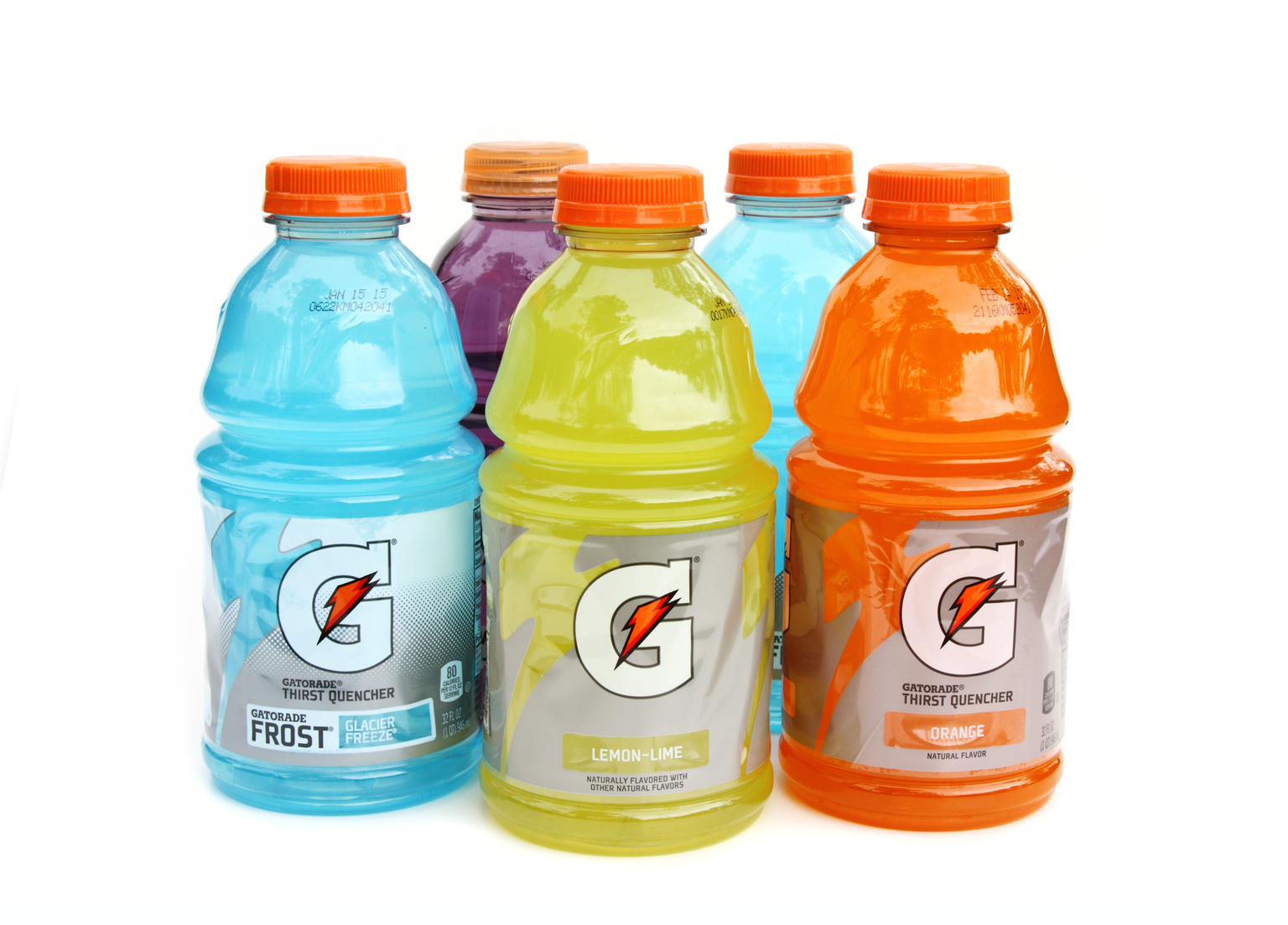
- Brand Positioning Shift: PepsiCo is transforming the Gatorade brand from a sports drink focused solely on athletes to an everyday hydration platform, aiming to attract a broader consumer base and potentially increase market share significantly.
- Product Innovation: The introduction of Gatorlyte Longer Lasting features a first-to-market proprietary electrolyte blend designed to help users retain fluid during extended activities, expected to become Gatorade's premium electrolyte offering catering to long travel and demanding work scenarios.
- Market Expansion Strategy: The new product lineup categorizes drinks based on hydration effectiveness into 'better', 'faster', and 'longer', clarifying product functions and enhancing consumer purchasing decisions, thereby expanding the market beyond just athletes.
- Historical Context Review: Since its development in 1965 at the University of Florida, Gatorade has undergone several brand transformations, now standing as a key asset under PepsiCo, showcasing the brand's ongoing innovation capabilities and market adaptability.
See More
Consumer Staples Stocks Offer Steady Returns Amid Market Rally
- Coca-Cola Competitor: PepsiCo reported first-quarter 2026 revenue of $19.4 billion, an 8.5% increase, with operating profit rising 24% to $3.2 billion, demonstrating strong performance in both beverage and snack markets, despite its stock price lagging behind the S&P 500.
- Dividend Growth: With a dividend yield of 3.5%, PepsiCo's management confirmed a 4% increase in June, marking 54 consecutive years of dividend hikes, reflecting the company's commitment to shareholder returns.
- Household Brand Leader: Procter & Gamble achieved $1.3 billion in sales for 2025, a 15% increase, and projects a 13% growth for 2026, indicating strong demand in the essential goods market, even as its stock price remains stagnant.
- Dividend Stability: Procter & Gamble has raised its dividend for 70 consecutive years, currently yielding just below 3%, and announced a 3% increase on April 14, showcasing its ability to provide stable returns to shareholders amid economic fluctuations.
See More

Stability of Consumer Staples Stocks Amid Market Rally
- Coca-Cola Competition: PepsiCo competes fiercely with Coca-Cola in the beverage market, with 58% of its 2025 net revenue coming from snack brands, demonstrating the strong market demand for its diversified product portfolio.
- Strong Financial Performance: PepsiCo's Q1 2026 revenue rose 8.5% to $19.4 billion, while operating profit surged 24% to $3.2 billion, showcasing the company's resilience and profitability amid economic fluctuations.
- Dividend Growth: PepsiCo announced a 4% increase in its dividend in June, marking its 54th consecutive year of dividend increases, reflecting the company's commitment to returning value to shareholders.
- Essential Products Demand: Procter & Gamble reported $1.3 billion in sales for 2025, a 15% increase, with projections for 2026 indicating a 13% growth, highlighting its stability and sustained market demand even during economic downturns.
See More
Growth Stocks Rebound, Dividend Investment Opportunities Emerge
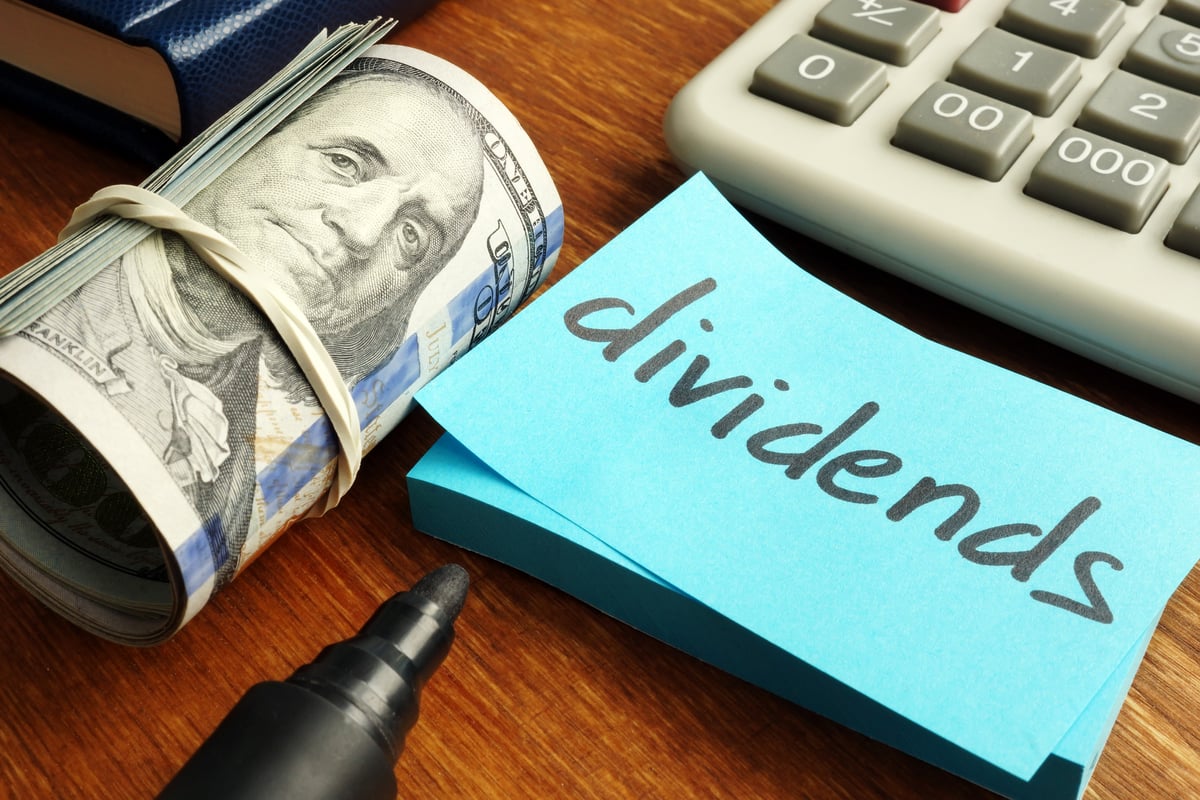
- Dividend Investment Opportunity: As growth stocks rebound, investors can enter new dividend payers at relatively lower prices, particularly with PepsiCo's dividend yield rising to 3.7%, making it more attractive compared to Coca-Cola's 2.8%.
- PepsiCo Performance Recovery: Despite underperforming since 2023, PepsiCo's recent quarter saw a 2.6% organic revenue growth driven by innovation and price cuts, exceeding analysts' expectations and indicating potential for a rebound.
- Kenvue's Stable Returns: Kenvue, spun off from Johnson & Johnson, offers a 4.8% dividend yield despite slow revenue growth, appealing to investors seeking reliable cash flow, and is set to merge with Kimberly-Clark, enhancing its market position.
- Procter & Gamble's Consistent Growth: Procter & Gamble boasts a dividend yield of around 3% and has raised its annual per-share payout for 70 consecutive years, leveraging its strong brand and marketing capabilities to maintain a competitive edge in the consumer goods sector.
See More
PepsiCo Stock Rebounds as Performance Improves
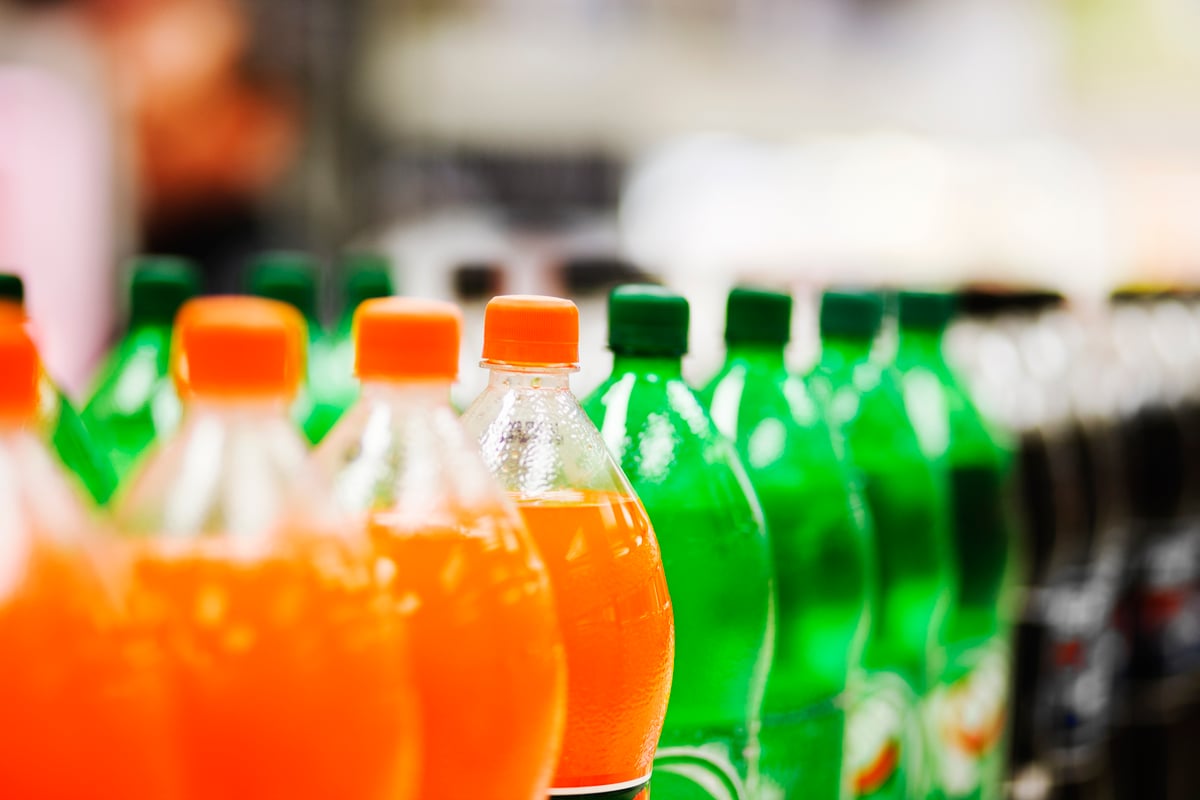
- Pricing Strategy: PepsiCo raised prices on its snack product line during the pandemic to maintain margins, but consumer pushback led to declining sales, resulting in a stock price drop of over 15% from 2024 to 2025.
- Investor Intervention: Activist investor Elliott Investment Management seized the opportunity to acquire a $4 billion stake in PepsiCo after the price drop, urging management to implement strategies to attract consumers and improve performance.
- Performance Recovery: In Q1 2026, PepsiCo reported an 8.5% year-over-year revenue increase and a 24% rise in operating profit, indicating the effectiveness of management's execution of its commercial agenda and innovation activities.
- Shareholder Return Commitment: PepsiCo reaffirmed its full-year guidance, expecting organic revenue growth of 2% to 4%, while planning to return nearly $9 billion to shareholders through stock buybacks and dividends, reflecting a proactive stance in its turnaround efforts.
See More
PepsiCo Q1 Revenue Rises 8.5% Amid Price Cuts
- Revenue Growth: PepsiCo's revenue increased by 8.5% year-over-year in Q1 2026, indicating that the company's strategy to reduce prices has positively impacted sales, reflecting a shift in consumer price sensitivity.
- Profit Improvement: The company's operating profit rose by 24%, demonstrating that PepsiCo has successfully enhanced its profitability through operational optimization and innovation activities, which boosts market confidence.
- Shareholder Returns: PepsiCo plans to return nearly $9 billion to shareholders through stock buybacks and dividends in 2026, indicating strong confidence in future growth while providing stable returns to investors, which further attracts market attention.
- Market Reaction: PepsiCo's stock has risen nearly 10% in 2026 and maintains a dividend yield of 3.59%, reflecting positive market response to the company's turnaround efforts, with investors optimistic about its future performance.
See More
PepsiCo Refreshes Gatorade Brand for Broader Market
- Brand Positioning Shift: PepsiCo is transforming the Gatorade brand from a sports drink focused solely on athletes to an everyday hydration platform, aiming to attract a broader consumer base and potentially increase market share significantly.
- Product Innovation: The introduction of Gatorlyte Longer Lasting features a first-to-market proprietary electrolyte blend designed to help users retain fluid during extended activities, expected to become Gatorade's premium electrolyte offering catering to long travel and demanding work scenarios.
- Market Expansion Strategy: The new product lineup categorizes drinks based on hydration effectiveness into 'better', 'faster', and 'longer', clarifying product functions and enhancing consumer purchasing decisions, thereby expanding the market beyond just athletes.
- Historical Context Review: Since its development in 1965 at the University of Florida, Gatorade has undergone several brand transformations, now standing as a key asset under PepsiCo, showcasing the brand's ongoing innovation capabilities and market adaptability.
See More
Consumer Staples Stocks Offer Steady Returns Amid Market Rally
- Coca-Cola Competitor: PepsiCo reported first-quarter 2026 revenue of $19.4 billion, an 8.5% increase, with operating profit rising 24% to $3.2 billion, demonstrating strong performance in both beverage and snack markets, despite its stock price lagging behind the S&P 500.
- Dividend Growth: With a dividend yield of 3.5%, PepsiCo's management confirmed a 4% increase in June, marking 54 consecutive years of dividend hikes, reflecting the company's commitment to shareholder returns.
- Household Brand Leader: Procter & Gamble achieved $1.3 billion in sales for 2025, a 15% increase, and projects a 13% growth for 2026, indicating strong demand in the essential goods market, even as its stock price remains stagnant.
- Dividend Stability: Procter & Gamble has raised its dividend for 70 consecutive years, currently yielding just below 3%, and announced a 3% increase on April 14, showcasing its ability to provide stable returns to shareholders amid economic fluctuations.
See More
Stability of Consumer Staples Stocks Amid Market Rally
- Coca-Cola Competition: PepsiCo competes fiercely with Coca-Cola in the beverage market, with 58% of its 2025 net revenue coming from snack brands, demonstrating the strong market demand for its diversified product portfolio.
- Strong Financial Performance: PepsiCo's Q1 2026 revenue rose 8.5% to $19.4 billion, while operating profit surged 24% to $3.2 billion, showcasing the company's resilience and profitability amid economic fluctuations.
- Dividend Growth: PepsiCo announced a 4% increase in its dividend in June, marking its 54th consecutive year of dividend increases, reflecting the company's commitment to returning value to shareholders.
- Essential Products Demand: Procter & Gamble reported $1.3 billion in sales for 2025, a 15% increase, with projections for 2026 indicating a 13% growth, highlighting its stability and sustained market demand even during economic downturns.
See More
Growth Stocks Rebound, Dividend Investment Opportunities Emerge
- Dividend Investment Opportunity: As growth stocks rebound, investors can enter new dividend payers at relatively lower prices, particularly with PepsiCo's dividend yield rising to 3.7%, making it more attractive compared to Coca-Cola's 2.8%.
- PepsiCo Performance Recovery: Despite underperforming since 2023, PepsiCo's recent quarter saw a 2.6% organic revenue growth driven by innovation and price cuts, exceeding analysts' expectations and indicating potential for a rebound.
- Kenvue's Stable Returns: Kenvue, spun off from Johnson & Johnson, offers a 4.8% dividend yield despite slow revenue growth, appealing to investors seeking reliable cash flow, and is set to merge with Kimberly-Clark, enhancing its market position.
- Procter & Gamble's Consistent Growth: Procter & Gamble boasts a dividend yield of around 3% and has raised its annual per-share payout for 70 consecutive years, leveraging its strong brand and marketing capabilities to maintain a competitive edge in the consumer goods sector.
See More
PepsiCo Stock Rebounds as Performance Improves
- Pricing Strategy: PepsiCo raised prices on its snack product line during the pandemic to maintain margins, but consumer pushback led to declining sales, resulting in a stock price drop of over 15% from 2024 to 2025.
- Investor Intervention: Activist investor Elliott Investment Management seized the opportunity to acquire a $4 billion stake in PepsiCo after the price drop, urging management to implement strategies to attract consumers and improve performance.
- Performance Recovery: In Q1 2026, PepsiCo reported an 8.5% year-over-year revenue increase and a 24% rise in operating profit, indicating the effectiveness of management's execution of its commercial agenda and innovation activities.
- Shareholder Return Commitment: PepsiCo reaffirmed its full-year guidance, expecting organic revenue growth of 2% to 4%, while planning to return nearly $9 billion to shareholders through stock buybacks and dividends, reflecting a proactive stance in its turnaround efforts.
See More