Foxconn Reports Softer Q4 Earnings Amid AI Demand
Written by Emily J. Thompson, Senior Investment Analyst
Updated: Mar 16 2026
0mins

Should l Buy NVDA?
Source: Yahoo Finance
- Profit Decline: Foxconn reported a net profit of T$45.21 billion (approximately $1.42 billion) for Q4 2023, marking a 2% decline year-over-year and falling significantly short of analysts' expectations of T$63.86 billion, indicating profit pressures despite strong AI server demand.
- Market Position: As a key player in the global tech supply chain, Foxconn is not only a major manufacturer of Nvidia AI servers but also the primary assembler of Apple iPhones, which provides it with a degree of resilience amid market fluctuations.
- Optimistic Outlook: Despite the earnings miss, Foxconn expressed a positive outlook, projecting strong growth for both Q1 and the full year of 2026, reflecting management's confidence in sustained demand for AI servers and significant year-over-year revenue increases from smart consumer electronics.
- Growth Drivers: Management highlighted that the ongoing demand for AI servers will be a major growth driver moving forward, while revenue from smart consumer electronics is also expected to rise significantly year-over-year, further solidifying Foxconn's competitive advantage in the market.
Trade with 70% Backtested Accuracy
Stop guessing "Should I Buy NVDA?" and start using high-conviction signals backed by rigorous historical data.
Sign up today to access powerful investing tools and make smarter, data-driven decisions.
Analyst Views on NVDA
Wall Street analysts forecast NVDA stock price to rise
41 Analyst Rating
39 Buy
1 Hold
1 Sell
Strong Buy
Current: 175.750

Low
200.00
Averages
264.97
High
352.00
Current: 175.750
Low
200.00
Averages
264.97
High
352.00
About NVDA
NVIDIA Corporation is an artificial intelligence (AI) infrastructure company. The Company is engaged in accelerated computing to help solve the challenging computational problems. Its segments include Compute & Networking and Graphics. The Compute & Networking segment includes its Data Center accelerated computing and networking platforms and AI solutions and software, and automotive platforms and autonomous and electric vehicle solutions, including software. The Graphics segment includes GeForce GPUs for gaming and personal computers (PCs), and Quadro/NVIDIA RTX GPUs for enterprise workstation graphics. Its technology stack includes the foundational NVIDIA CUDA development platform that runs on all NVIDIA GPUs, as well as hundreds of domain-specific software libraries, frameworks, algorithms, software development kits (SDKs), and application programming interfaces (APIs). Its platforms address four markets, which include Data Center, Gaming, Professional Visualization, and Automotive.
About the author

Emily J. Thompson
Emily J. Thompson, a Chartered Financial Analyst (CFA) with 12 years in investment research, graduated with honors from the Wharton School. Specializing in industrial and technology stocks, she provides in-depth analysis for Intellectia’s earnings and market brief reports.

Nvidia Projects $1 Trillion AI Revenue by 2027

- Revenue Surge Expected: Nvidia projects its AI revenue to reach $1 trillion by 2027, a significant increase from the $500 billion expected this year, indicating strong growth potential in the AI market that may attract more investor interest.
- Strong GPU Sales: In Q4 of fiscal 2026, Nvidia reported sales of $68.1 billion, a 73% year-over-year increase, with the data center segment contributing $62.3 billion, up 75%, showcasing the company's sustained competitiveness in a high-demand market.
- New Product Launch: At the GTC conference, Nvidia unveiled NemoClaw, designed to provide AI agents for OpenClaw, demonstrating the company's innovative capabilities in agentic AI, which could further drive its market share growth.
- Market Capitalization Changes: Despite Nvidia's stock being down 15% from its all-time high, resulting in a market cap loss of approximately $1 trillion, CEO Jensen Huang emphasized that AI will be a crucial growth driver for the company, potentially prompting investors to reassess its investment value.
See More

OpenAI's IPO Looms with $1 Trillion Valuation Target
- IPO Timeline: OpenAI is expected to go public in Q4 2026 with a target valuation of $1 trillion; while this timeline is not set in stone, the company has expanded its finance team to enhance investor relations, indicating urgency for its IPO.
- Future Revenue Projections: OpenAI anticipates generating $280 billion in annual revenue by 2030, up from just $13.1 billion last year, with nearly half of its 2026 sales expected from enterprise customers, highlighting the potential of its business model.
- User Base Growth: ChatGPT boasts 900 million weekly active users, far surpassing competitors, with 50 million paying customers and 9 million business users, demonstrating its strong market appeal and growth potential.
- Compute Spending Plans: OpenAI plans to reach $600 billion in total compute spending by 2030; despite investor concerns about rising AI expenditures, this spending will drive the demand for rapid revenue growth post-IPO.
See More
Intel's Acquisition of Ireland Fab Stake Signals Positive Turnaround

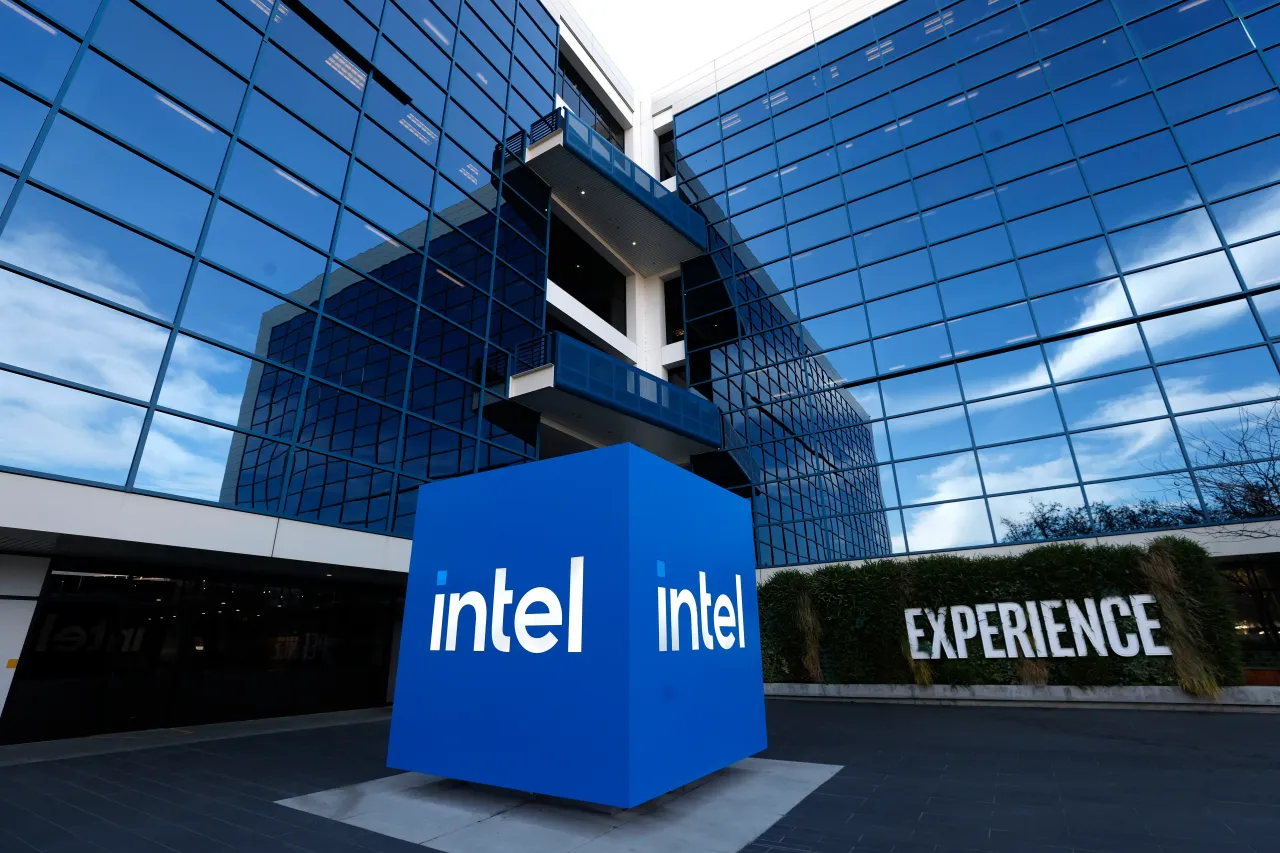
- Acquisition Boosts Confidence: Intel's agreement to acquire a 49% stake in Apollo Global Management's Fab 34 joint venture for $14.2 billion not only demonstrates enhanced financial strength but also improves visibility for its foundry business, with earnings per share expected to rise starting in 2027.
- Positive Market Reaction: Intel shares surged 5% on Thursday, with a nearly 17% increase last week, marking the best weekly performance in over four months, reflecting market optimism regarding its restructuring and future growth potential.
- Strategic Investment Signal: UBS noted that if Intel buys Brookfield's stake in its Arizona fabs, it would serve as a larger catalyst, indicating better prospects for winning foundry customers and further solidifying its market position.
- Technological Advancement Showcase: Intel unveiled its Core Ultra Series 3 processors at CES 2026, built using 18A process technology, marking the latest progress in semiconductor manufacturing, which is expected to drive demand for AI data center chips and enhance the company's competitiveness.
See More

Druckenmiller's Q4 Trading Insights


- Druckenmiller's Trading Moves: Billionaire Stanley Druckenmiller sold his entire stake in Sandisk while tripling his investment in Alphabet during Q4, indicating strong confidence in the latter and reflecting market perceptions of Alphabet's undervaluation potential.
- Sandisk Market Performance: Sandisk gained 2 percentage points in market share over the past year, positioning itself as the fifth-largest NAND flash supplier, and despite a current valuation of 95 times adjusted earnings, projected earnings growth of 73% annually due to memory chip shortages suggests a favorable outlook.
- Alphabet's Growth Prospects: Alphabet's robust presence in digital advertising and cloud computing positions it for strong growth, particularly as AI applications enhance Google Search usage, with expected earnings growth of 15% annually, making current valuations attractive for investors.
- TPU Commercialization Progress: Alphabet's tensor processing units (TPUs) are now monetized through external customers, with agreements in place with companies like Meta and OpenAI, indicating a strengthening competitive edge in the AI infrastructure market and further solidifying its market position.
See More
Data Center Financing Challenges and Opportunities


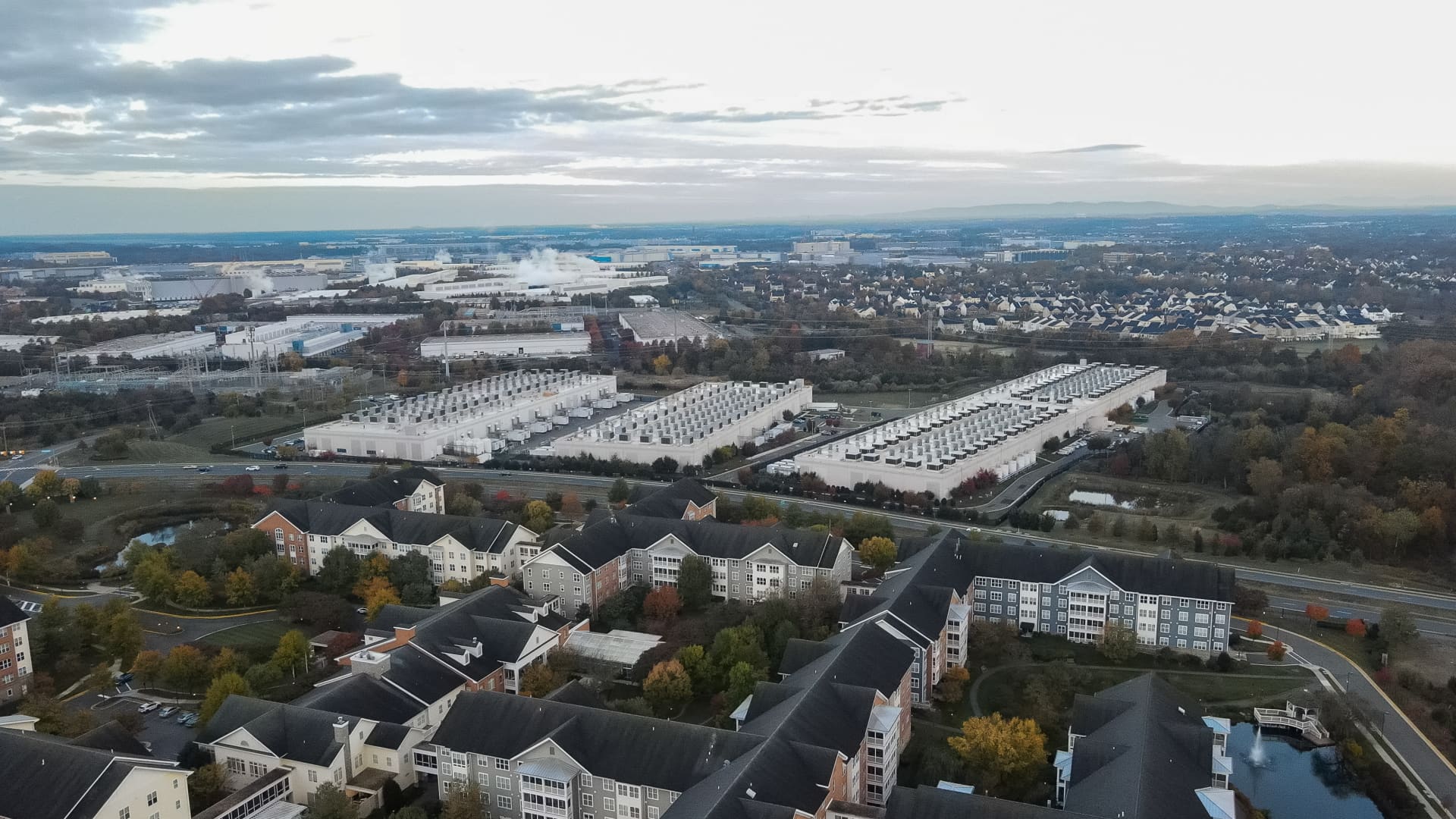
- Market Size Forecast: According to McKinsey, global spending on data centers could reach $7 trillion by 2030, indicating a shift in funding sources from hyperscalers to private equity and debt financing, which alters the financial landscape of the industry.
- Insurance Industry Pressure: Gallagher reports that the construction and operation of data centers have posed a 'real stress test' for major insurers over the past four to five years, particularly when investments exceed $20 billion at a single site, challenging the market's insurance capacity.
- Complex Financing Structures: With decreasing transparency in data center financing, Quinn Emanuel's Rana warns that current financing structures could expose downstream investors to second-order litigation risks, especially for pension funds and insurers unaware of concentration risks.
- GPU Lifecycle Issues: CoreWeave recently secured $8.5 billion in GPU-backed loans, yet the average GPU lifecycle of seven years contrasts sharply with the decades-long lifespan of data centers, creating potential risks in financing structures that could destabilize the industry.
See More

AI Data Center Financing Trends Emerge
- Market Financing Shift: With global spending on data centers projected to reach $7 trillion by 2030, tech giants are increasingly turning to private credit and debt markets to finance the capital-intensive construction of these facilities, indicating a challenge and opportunity for traditional financing models.
- Insurance Industry Pressure: The construction of AI data centers poses a 'stress test' for insurers, as the concentration of high-value assets in specific areas complicates the ability to provide sufficient insurance capacity, particularly in high-wind risk zones.
- Custom Insurance Policies: Insurance brokers are forming specialized teams and bespoke policies to address the unique risks associated with data centers, especially the additional risks introduced during the import and storage of equipment, reflecting a growing demand for specialized services in the market.
- GPU Financing Risks: With CoreWeave securing $8.5 billion in GPU-backed loans, the 'GPU debt treadmill' issue highlights the mismatch between the short lifecycle of GPUs and the long-term lifespan of data centers, potentially leading to future financing risks.
See More
Nvidia Projects $1 Trillion AI Revenue by 2027
- Revenue Surge Expected: Nvidia projects its AI revenue to reach $1 trillion by 2027, a significant increase from the $500 billion expected this year, indicating strong growth potential in the AI market that may attract more investor interest.
- Strong GPU Sales: In Q4 of fiscal 2026, Nvidia reported sales of $68.1 billion, a 73% year-over-year increase, with the data center segment contributing $62.3 billion, up 75%, showcasing the company's sustained competitiveness in a high-demand market.
- New Product Launch: At the GTC conference, Nvidia unveiled NemoClaw, designed to provide AI agents for OpenClaw, demonstrating the company's innovative capabilities in agentic AI, which could further drive its market share growth.
- Market Capitalization Changes: Despite Nvidia's stock being down 15% from its all-time high, resulting in a market cap loss of approximately $1 trillion, CEO Jensen Huang emphasized that AI will be a crucial growth driver for the company, potentially prompting investors to reassess its investment value.
See More
OpenAI's IPO Looms with $1 Trillion Valuation Target
- IPO Timeline: OpenAI is expected to go public in Q4 2026 with a target valuation of $1 trillion; while this timeline is not set in stone, the company has expanded its finance team to enhance investor relations, indicating urgency for its IPO.
- Future Revenue Projections: OpenAI anticipates generating $280 billion in annual revenue by 2030, up from just $13.1 billion last year, with nearly half of its 2026 sales expected from enterprise customers, highlighting the potential of its business model.
- User Base Growth: ChatGPT boasts 900 million weekly active users, far surpassing competitors, with 50 million paying customers and 9 million business users, demonstrating its strong market appeal and growth potential.
- Compute Spending Plans: OpenAI plans to reach $600 billion in total compute spending by 2030; despite investor concerns about rising AI expenditures, this spending will drive the demand for rapid revenue growth post-IPO.
See More
Intel's Acquisition of Ireland Fab Stake Signals Positive Turnaround
- Acquisition Boosts Confidence: Intel's agreement to acquire a 49% stake in Apollo Global Management's Fab 34 joint venture for $14.2 billion not only demonstrates enhanced financial strength but also improves visibility for its foundry business, with earnings per share expected to rise starting in 2027.
- Positive Market Reaction: Intel shares surged 5% on Thursday, with a nearly 17% increase last week, marking the best weekly performance in over four months, reflecting market optimism regarding its restructuring and future growth potential.
- Strategic Investment Signal: UBS noted that if Intel buys Brookfield's stake in its Arizona fabs, it would serve as a larger catalyst, indicating better prospects for winning foundry customers and further solidifying its market position.
- Technological Advancement Showcase: Intel unveiled its Core Ultra Series 3 processors at CES 2026, built using 18A process technology, marking the latest progress in semiconductor manufacturing, which is expected to drive demand for AI data center chips and enhance the company's competitiveness.
See More
Druckenmiller's Q4 Trading Insights
- Druckenmiller's Trading Moves: Billionaire Stanley Druckenmiller sold his entire stake in Sandisk while tripling his investment in Alphabet during Q4, indicating strong confidence in the latter and reflecting market perceptions of Alphabet's undervaluation potential.
- Sandisk Market Performance: Sandisk gained 2 percentage points in market share over the past year, positioning itself as the fifth-largest NAND flash supplier, and despite a current valuation of 95 times adjusted earnings, projected earnings growth of 73% annually due to memory chip shortages suggests a favorable outlook.
- Alphabet's Growth Prospects: Alphabet's robust presence in digital advertising and cloud computing positions it for strong growth, particularly as AI applications enhance Google Search usage, with expected earnings growth of 15% annually, making current valuations attractive for investors.
- TPU Commercialization Progress: Alphabet's tensor processing units (TPUs) are now monetized through external customers, with agreements in place with companies like Meta and OpenAI, indicating a strengthening competitive edge in the AI infrastructure market and further solidifying its market position.
See More
Data Center Financing Challenges and Opportunities
- Market Size Forecast: According to McKinsey, global spending on data centers could reach $7 trillion by 2030, indicating a shift in funding sources from hyperscalers to private equity and debt financing, which alters the financial landscape of the industry.
- Insurance Industry Pressure: Gallagher reports that the construction and operation of data centers have posed a 'real stress test' for major insurers over the past four to five years, particularly when investments exceed $20 billion at a single site, challenging the market's insurance capacity.
- Complex Financing Structures: With decreasing transparency in data center financing, Quinn Emanuel's Rana warns that current financing structures could expose downstream investors to second-order litigation risks, especially for pension funds and insurers unaware of concentration risks.
- GPU Lifecycle Issues: CoreWeave recently secured $8.5 billion in GPU-backed loans, yet the average GPU lifecycle of seven years contrasts sharply with the decades-long lifespan of data centers, creating potential risks in financing structures that could destabilize the industry.
See More
AI Data Center Financing Trends Emerge
- Market Financing Shift: With global spending on data centers projected to reach $7 trillion by 2030, tech giants are increasingly turning to private credit and debt markets to finance the capital-intensive construction of these facilities, indicating a challenge and opportunity for traditional financing models.
- Insurance Industry Pressure: The construction of AI data centers poses a 'stress test' for insurers, as the concentration of high-value assets in specific areas complicates the ability to provide sufficient insurance capacity, particularly in high-wind risk zones.
- Custom Insurance Policies: Insurance brokers are forming specialized teams and bespoke policies to address the unique risks associated with data centers, especially the additional risks introduced during the import and storage of equipment, reflecting a growing demand for specialized services in the market.
- GPU Financing Risks: With CoreWeave securing $8.5 billion in GPU-backed loans, the 'GPU debt treadmill' issue highlights the mismatch between the short lifecycle of GPUs and the long-term lifespan of data centers, potentially leading to future financing risks.
See More