Li Auto announces Q2 EPS of 19 cents, down from 20 cents a year ago.
Q2 Financial Performance: Li Auto reported Q2 revenue of $4.22 billion, a decrease from $4.36 billion the previous year, with total vehicle deliveries reaching 111,074, marking a 2.3% increase year-over-year.
Market Position: The company has solidified its status as China's leading domestic automotive brand in the RMB200,000 and above NEV market, driven by user-centric innovations.
Product Launches: In July, Li Auto launched the Li i8, a six-seat battery electric SUV, along with new technology initiatives, enhancing their product offerings and user experience.
Future Plans: Li Auto announced a brand upgrade aimed at providing high-quality spaces for diverse consumers and plans to launch the Li i6 in September to further strengthen its position in the premium BEV market.
Trade with 70% Backtested Accuracy
Analyst Views on LI

About LI
About the author


Li Auto Officially Launches All-New L9 Model

- New Model Launch: Li Auto officially launched the all-new Li L9 on May 15, 2026, with deliveries set to begin on May 17, 2026, marking a significant expansion in the new energy vehicle market.
- Pricing Strategy: The Li L9 is priced at RMB 459,800 for the Ultra trim and RMB 509,800 for the Livis trim, reflecting the company's positioning and competitiveness in the premium electric vehicle segment.
- Product Line Expansion: Li Auto is committed to expanding its product lineup, which currently includes a high-tech flagship MPV and several electric SUVs, aiming to attract a broader user base and enhance market share.
- Technological Innovation: The company focuses on in-house development of proprietary range extension systems and smart vehicle solutions, demonstrating its leadership in electric vehicle technology and commitment to creating value for users.
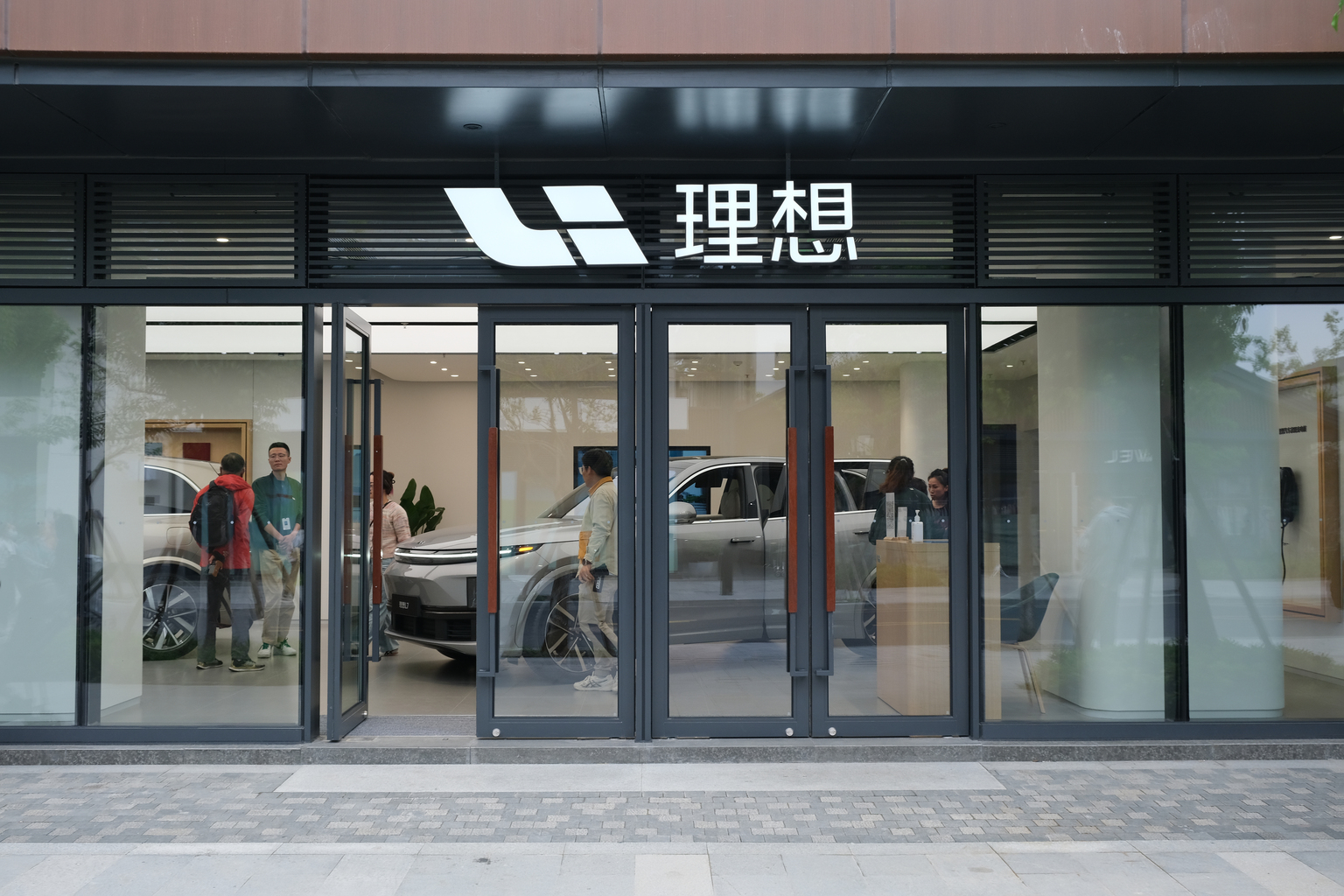
Li Auto Launches All-New L9 SUV with Advanced Features
- Flagship SUV Launch: Li Auto officially launched the all-new L9 on Friday, marking its flagship SUV in the era of embodied intelligence, with deliveries set to begin on May 17, further solidifying its position in the high-end electric vehicle market.
- Powertrain Upgrade: The second-generation L9 retains the range-extender architecture while introducing a new 1.5-liter turbocharged four-cylinder engine paired with dual electric motors, enhancing performance and range to meet consumer demand for high-performance EVs.
- Safety Technology Innovation: The L9 series debuts a full chassis-by-wire setup, including steer-by-wire, four-wheel steering, and a multi-layer redundant electro-mechanical brake system, significantly improving safety under fault conditions and boosting consumer confidence.
- Pricing and Market Reaction: Priced at RMB459,800 for the Ultra and RMB509,800 for the Livis, the L9 saw Li Auto's shares dip 1.7% in premarket trading, yet its market potential remains noteworthy amidst broader sector recovery.
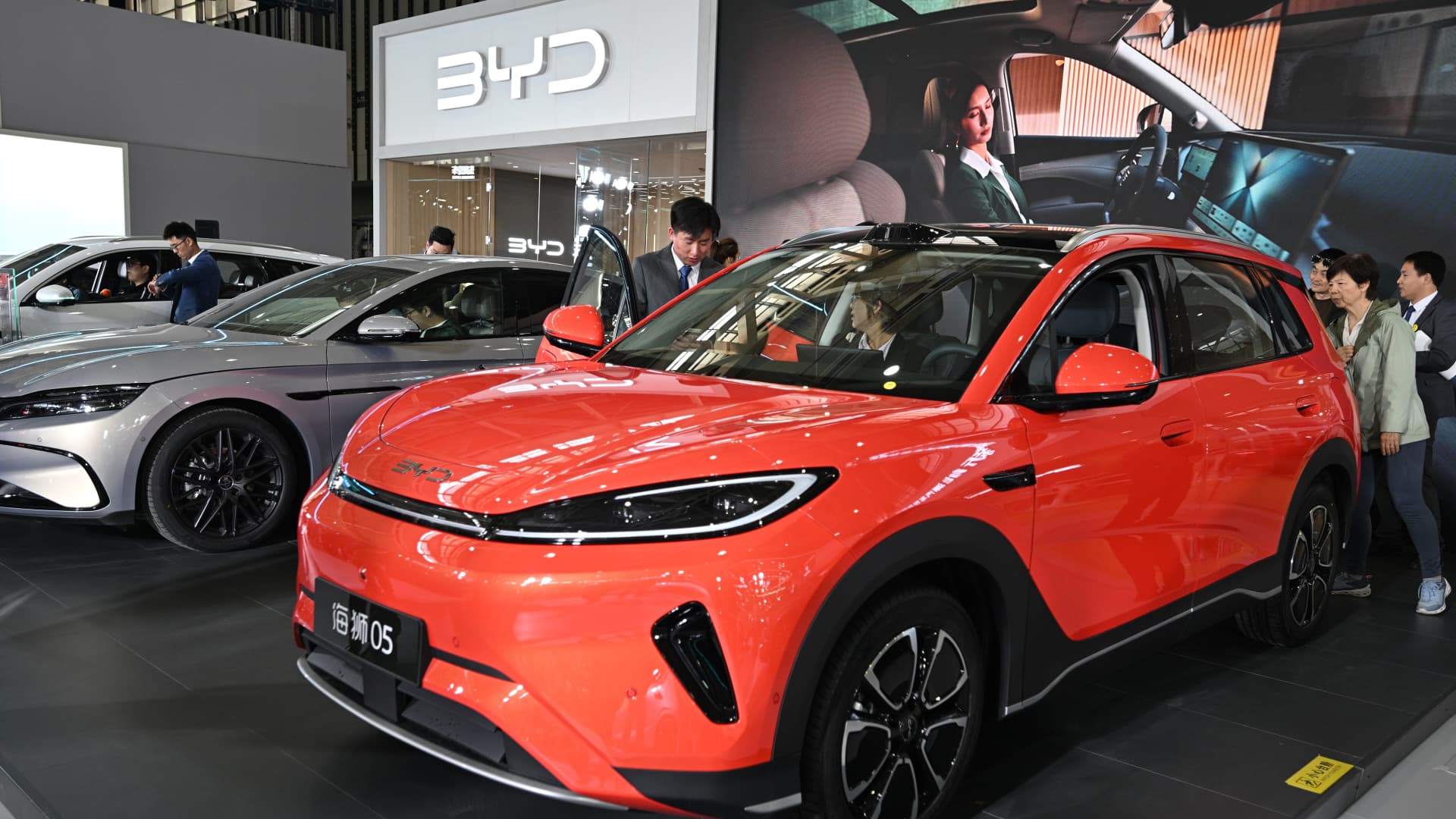
BYD's April Sales Decline Continues Amidst Competition

- Sales Decline Continues: BYD delivered 314,100 new energy vehicles in April, reflecting a 15.7% year-over-year decline despite a 6.2% month-over-month increase, indicating pressure on market share amid intensifying domestic competition.
- Record Export Figures: The company achieved an all-time high of 135,098 units in exports for April, representing over a 70% increase compared to the previous year, underscoring its growing reliance on overseas markets as domestic competition intensifies.
- Significant Profit Drop: BYD reported a nearly 55.4% year-over-year decline in profits for the first quarter, with operating revenue falling 11.8% to 150 billion yuan ($22 billion), highlighting the profitability challenges faced in a competitive landscape.
- International Market Expansion: With plans to export over one million units in 2026, BYD accounted for 70% of EV sales in Mexico and 75% in Argentina in 2025, showcasing its strong growth potential in international markets.

BYD Reports April EV Deliveries Decline Amid Competition

- Declining Deliveries: BYD delivered 314,100 new energy passenger vehicles in April, marking a 15.7% year-on-year decline, indicating increased domestic competition pressure, although there was a 6.2% month-on-month increase, reflecting ongoing market share challenges.
- Export Highlights: BYD's exports reached a record 135,098 units, up over 70% year-on-year, underscoring the company's growing reliance on overseas markets, particularly with 70% and 75% market shares in Mexico and Argentina, respectively.
- Profit Drop: The company reported a nearly 55.4% year-on-year decline in profits for Q1, with operating revenue falling 11.8% to 150 billion yuan ($22 billion), highlighting profitability pressures amid strong performances from domestic rivals.
- Overseas Expansion Plans: BYD aims to export over one million units by 2026, with new registrations in Europe rising over 155% year-on-year, while also seeking admission to the European Automobile Manufacturers Association to enhance its market influence, indicating a proactive global strategy.
Nio's ES8 Shines as Li Auto Leads Deliveries in April
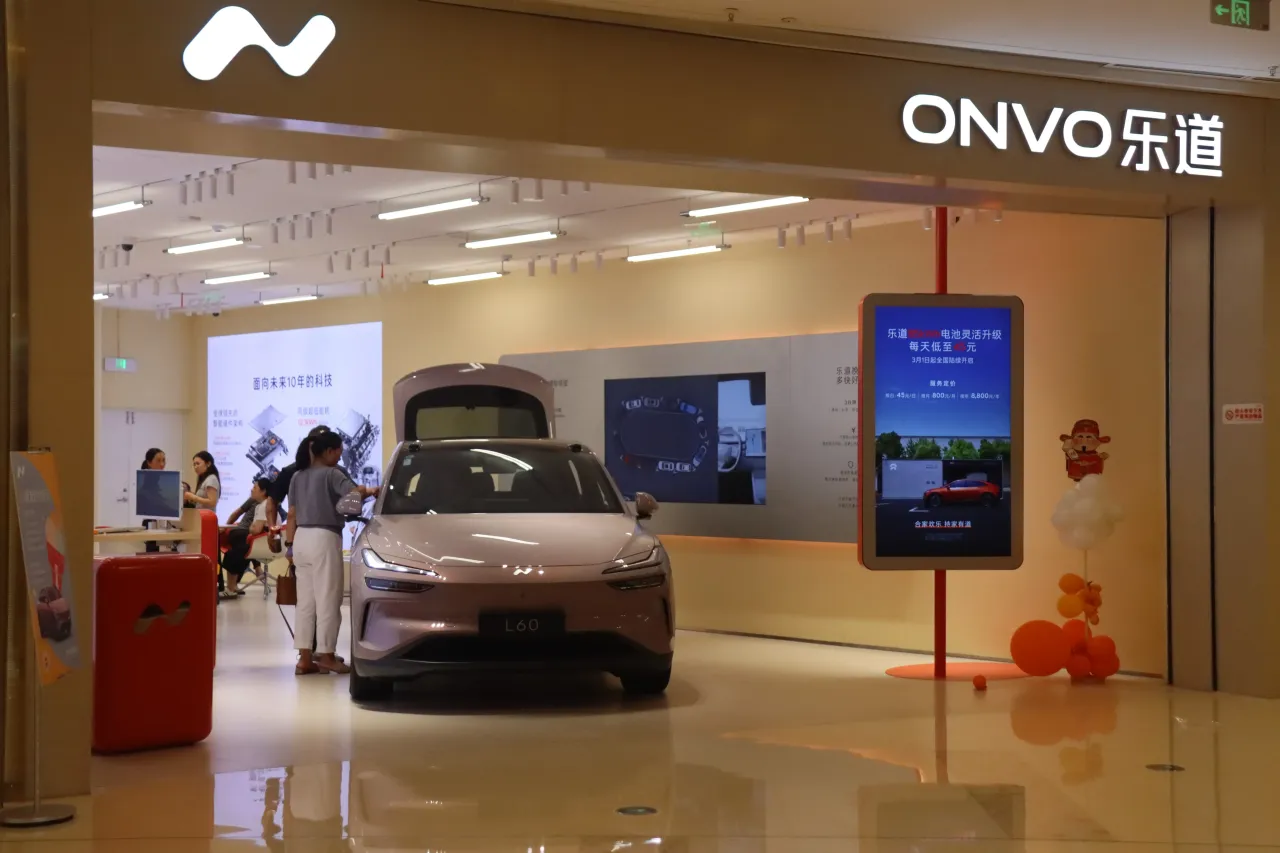
- Delivery Performance: Li Auto led April deliveries with 34,085 vehicles, despite a 17% year-over-year decline, showcasing its strong market position.
- Nio's Growth: Nio delivered 29,356 vehicles in April, marking a 22.8% year-over-year increase, the highest among the three, indicating the success of its brand diversification strategy.
- Xpeng's Challenges: Xpeng delivered 31,011 vehicles in April, achieving a 13.1% month-over-month gain, yet faced an 11.51% year-over-year decline, highlighting its vulnerability under ongoing market pressures.
- Market Reaction: While Nio's stock rose 6% in April, overall market sentiment remained bearish, reflecting investor concerns about the softness in China's auto market.
Li Auto's April Delivery Data Analysis
- Stable Deliveries: Li Auto delivered 34,085 vehicles in April 2026, reflecting a slight year-over-year increase of 0.4% but a sequential decline of 16.9% from March's 41,053 units, indicating short-term market fluctuations while maintaining a cumulative total of 1.67 million units.
- New Model Launch: The all-new Li L9 Livis debuted at the 2026 Beijing International Automotive Exhibition, with an official launch set for May 15, expected to showcase significant advancements in range extension, safety, and intelligent driving systems, potentially attracting more consumer interest.
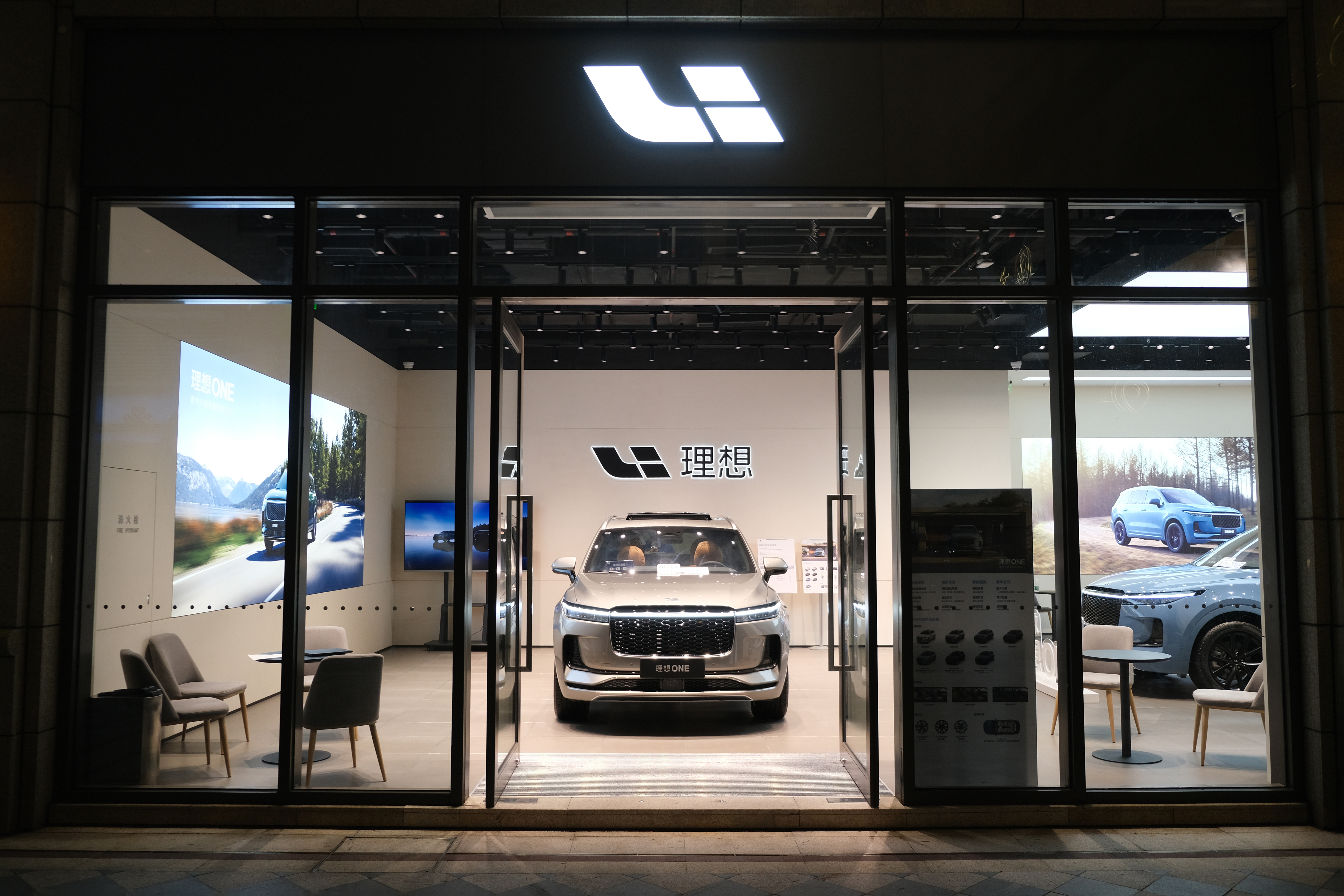
- Retail Network Expansion: As of April 30, 2026, Li Auto operates 511 retail stores across 160 cities in China, along with 550 service centers and 4,077 supercharging stations featuring 22,509 stalls, demonstrating its ongoing investment in infrastructure development.
- Market Outlook Analysis: Despite the decline in April deliveries, Li Auto's product pipeline is gradually building, and with the upcoming new model launch, there is potential for sales recovery in the coming months, enhancing its competitive position in the market.
Li Auto Officially Launches All-New L9 Model
- New Model Launch: Li Auto officially launched the all-new Li L9 on May 15, 2026, with deliveries set to begin on May 17, 2026, marking a significant expansion in the new energy vehicle market.
- Pricing Strategy: The Li L9 is priced at RMB 459,800 for the Ultra trim and RMB 509,800 for the Livis trim, reflecting the company's positioning and competitiveness in the premium electric vehicle segment.
- Product Line Expansion: Li Auto is committed to expanding its product lineup, which currently includes a high-tech flagship MPV and several electric SUVs, aiming to attract a broader user base and enhance market share.
- Technological Innovation: The company focuses on in-house development of proprietary range extension systems and smart vehicle solutions, demonstrating its leadership in electric vehicle technology and commitment to creating value for users.
Li Auto Launches All-New L9 SUV with Advanced Features
- Flagship SUV Launch: Li Auto officially launched the all-new L9 on Friday, marking its flagship SUV in the era of embodied intelligence, with deliveries set to begin on May 17, further solidifying its position in the high-end electric vehicle market.
- Powertrain Upgrade: The second-generation L9 retains the range-extender architecture while introducing a new 1.5-liter turbocharged four-cylinder engine paired with dual electric motors, enhancing performance and range to meet consumer demand for high-performance EVs.
- Safety Technology Innovation: The L9 series debuts a full chassis-by-wire setup, including steer-by-wire, four-wheel steering, and a multi-layer redundant electro-mechanical brake system, significantly improving safety under fault conditions and boosting consumer confidence.
- Pricing and Market Reaction: Priced at RMB459,800 for the Ultra and RMB509,800 for the Livis, the L9 saw Li Auto's shares dip 1.7% in premarket trading, yet its market potential remains noteworthy amidst broader sector recovery.
BYD's April Sales Decline Continues Amidst Competition
- Sales Decline Continues: BYD delivered 314,100 new energy vehicles in April, reflecting a 15.7% year-over-year decline despite a 6.2% month-over-month increase, indicating pressure on market share amid intensifying domestic competition.
- Record Export Figures: The company achieved an all-time high of 135,098 units in exports for April, representing over a 70% increase compared to the previous year, underscoring its growing reliance on overseas markets as domestic competition intensifies.
- Significant Profit Drop: BYD reported a nearly 55.4% year-over-year decline in profits for the first quarter, with operating revenue falling 11.8% to 150 billion yuan ($22 billion), highlighting the profitability challenges faced in a competitive landscape.
- International Market Expansion: With plans to export over one million units in 2026, BYD accounted for 70% of EV sales in Mexico and 75% in Argentina in 2025, showcasing its strong growth potential in international markets.
BYD Reports April EV Deliveries Decline Amid Competition
- Declining Deliveries: BYD delivered 314,100 new energy passenger vehicles in April, marking a 15.7% year-on-year decline, indicating increased domestic competition pressure, although there was a 6.2% month-on-month increase, reflecting ongoing market share challenges.
- Export Highlights: BYD's exports reached a record 135,098 units, up over 70% year-on-year, underscoring the company's growing reliance on overseas markets, particularly with 70% and 75% market shares in Mexico and Argentina, respectively.
- Profit Drop: The company reported a nearly 55.4% year-on-year decline in profits for Q1, with operating revenue falling 11.8% to 150 billion yuan ($22 billion), highlighting profitability pressures amid strong performances from domestic rivals.
- Overseas Expansion Plans: BYD aims to export over one million units by 2026, with new registrations in Europe rising over 155% year-on-year, while also seeking admission to the European Automobile Manufacturers Association to enhance its market influence, indicating a proactive global strategy.
Nio's ES8 Shines as Li Auto Leads Deliveries in April
- Delivery Performance: Li Auto led April deliveries with 34,085 vehicles, despite a 17% year-over-year decline, showcasing its strong market position.
- Nio's Growth: Nio delivered 29,356 vehicles in April, marking a 22.8% year-over-year increase, the highest among the three, indicating the success of its brand diversification strategy.
- Xpeng's Challenges: Xpeng delivered 31,011 vehicles in April, achieving a 13.1% month-over-month gain, yet faced an 11.51% year-over-year decline, highlighting its vulnerability under ongoing market pressures.
- Market Reaction: While Nio's stock rose 6% in April, overall market sentiment remained bearish, reflecting investor concerns about the softness in China's auto market.
Li Auto's April Delivery Data Analysis
- Stable Deliveries: Li Auto delivered 34,085 vehicles in April 2026, reflecting a slight year-over-year increase of 0.4% but a sequential decline of 16.9% from March's 41,053 units, indicating short-term market fluctuations while maintaining a cumulative total of 1.67 million units.
- New Model Launch: The all-new Li L9 Livis debuted at the 2026 Beijing International Automotive Exhibition, with an official launch set for May 15, expected to showcase significant advancements in range extension, safety, and intelligent driving systems, potentially attracting more consumer interest.
- Retail Network Expansion: As of April 30, 2026, Li Auto operates 511 retail stores across 160 cities in China, along with 550 service centers and 4,077 supercharging stations featuring 22,509 stalls, demonstrating its ongoing investment in infrastructure development.
- Market Outlook Analysis: Despite the decline in April deliveries, Li Auto's product pipeline is gradually building, and with the upcoming new model launch, there is potential for sales recovery in the coming months, enhancing its competitive position in the market.