Ferrari (RACE) Stock Viewed as Strong Buy After Double-Digit Sell-Off
Written by Emily J. Thompson, Senior Investment Analyst
Updated: Jan 23 2026
0mins
Should l Buy RACE?
Source: Fool
- Stock Sell-Off Analysis: Ferrari's stock experienced a double-digit sell-off on January 22, 2026, leading analysts to view this as a prime buying opportunity, likely attracting more long-term investors.
- Market Confidence Rebuilding: Despite short-term volatility, analysts maintain an optimistic outlook on Ferrari's growth potential, believing that its brand value and market positioning will continue to drive stock price recovery, thereby boosting investor confidence.
- Financial Performance Outlook: Ferrari's financial health remains strong, with expectations of stable revenue growth in the coming quarters, which analysts believe will provide robust support for the stock price and attract institutional investor interest.
- Investor Strategy Recommendation: Analysts recommend that investors increase their positions in Ferrari stock at the current depressed price levels, anticipating substantial returns when the market rebounds, reflecting confidence in the company's long-term development.
Trade with 70% Backtested Accuracy
Stop guessing "Should I Buy RACE?" and start using high-conviction signals backed by rigorous historical data.
Sign up today to access powerful investing tools and make smarter, data-driven decisions.
Analyst Views on RACE
Wall Street analysts forecast RACE stock price to rise
15 Analyst Rating
11 Buy
3 Hold
1 Sell
Moderate Buy
Current: 342.430

Low
349.74
Averages
448.83
High
555.00
Current: 342.430
Low
349.74
Averages
448.83
High
555.00
About RACE
Ferrari NV, known as Ferrari, is an Italy-based designer, manufacturer and retailer of sports cars that is incorporated in the Netherlands. It operates under the Ferrari brand. Its sports cars portfolio includes, among others, F12berlinetta, FF, Ferrari 488 GTB, 488 Spider, 458 Speciale, Ferrari California T, F12tdf and LaFerrari. The Company also offers financing services through Ferrari Financial Services. It also produces limited series and one-off cars. The Company divides its regional markets in EMEA (Europe, the Middle East, India and Africa), Americas, Greater China and Rest of APAC (Asia-Pacific region, excluding Greater China) and is active in over 60 markets worldwide through a network of authorized dealers.
About the author

Emily J. Thompson
Emily J. Thompson, a Chartered Financial Analyst (CFA) with 12 years in investment research, graduated with honors from the Wharton School. Specializing in industrial and technology stocks, she provides in-depth analysis for Intellectia’s earnings and market brief reports.
Latest Wall Street Ratings Overview


- Boeing Rating: Wells Fargo initiates coverage of Boeing with a Buy rating, forecasting a significant recovery in free cash flow as production normalizes, setting a price target of $250 based on a 20x FCF multiple on its 2028 forecast, indicating strong confidence in future growth.
- Disney Upgrade: Raymond James upgrades Disney from Market Perform to Outperform with a price target of $115, viewing the current macro backdrop and international visitation challenges as an attractive investment opportunity, reflecting optimism about its valuation.
- Microsoft Buy Rating: Benchmark initiates Microsoft with a Buy rating and a price target of $450, describing it as a juggernaut in artificial intelligence, leveraging its comprehensive portfolio of digital applications and cloud services to drive enterprise and consumer transformation, showcasing its strong market position.
- Algonquin Power Rating: Barclays initiates coverage of Algonquin Power & Utilities with an Overweight rating, citing the company's undervaluation and strong turnaround potential, indicating market confidence in its future performance.
See More

Ferrari Upgraded by Jefferies Amid Positive Outlook

- Upgrade Announcement: Jefferies has upgraded Ferrari (RACE) to a Buy rating, anticipating that the risk-off trade will transition to bargain-hunting, with first-quarter results expected to show high-single-digit growth and margin expansion.
- Market Recovery: Historical data indicates that Ferrari's stock typically rebounds by an average of 16% within three months following significant market shocks such as COVID and the Ukraine invasion, providing a solid foundation for the current stock price.
- Advance Deliveries: Despite market concerns regarding Ferrari's high-margin Middle East shipments, the company appears to have pulled forward deliveries, particularly in the U.S., to mitigate short-term logistical disruptions.
- Used Market Stability: The analyst highlights stabilizing pressures in the second-hand range models and a significant increase in values of limited vehicles, which bolsters confidence in Ferrari's ability to deliver in an increasingly challenging environment.
See More

LVMH and 6 Other Luxury Stocks Remain Attractive Investments Amid Iran Conflict


- Luxury Market Resilience: Despite the impact of wars, the luxury market is showing signs of a rebound, particularly for designer handbags and Swiss watches.
- Positive Outlook for Luxury Stocks: Analysts remain optimistic about the recovery trajectory of luxury stocks, indicating a long-anticipated resurgence in demand.
See More

Three Companies Worth Holding Forever


- Carvana's Market Potential: Carvana has emerged from restructuring and improved profitability over the past three years, leveraging the fragmentation of over 43,000 used car dealerships in the U.S. to position itself as a more efficient competitor poised to thrive during upcoming industry consolidation, driving market share growth.
- Ferrari's Unique Advantages: Despite a 34% drop in stock price over the past six months, Ferrari's stock has nearly tripled the S&P 500 returns over the past decade, showcasing strong pricing power and resilience due to its exclusivity and loyal customer base, ensuring long-term investment returns.
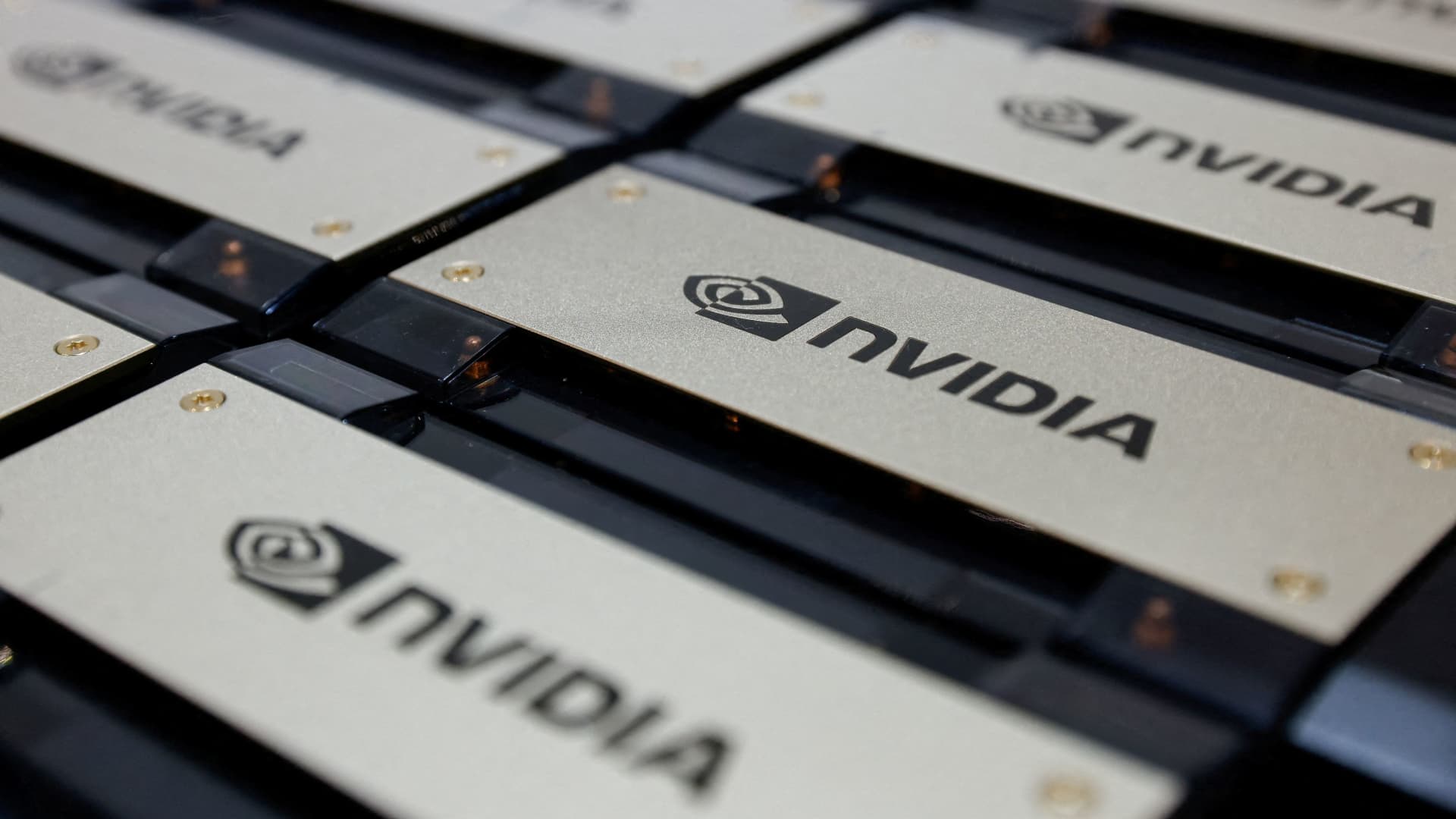
- Nvidia's AI Dominance: Nvidia is set to achieve significant growth through 2030, driven by its dominance in the GPU market for global AI data centers, particularly as demand surges for autonomous and software-defined vehicles, establishing itself as a backbone of AI infrastructure expansion.
- Challenges of Long-Term Investing: While the strategy of buying and holding stocks seems straightforward, the rapid turnover of top businesses necessitates careful selection; however, with their unique competitive advantages, Ferrari, Nvidia, and Carvana demonstrate potential for long-term holding, warranting investor attention.
See More

Investment Opportunities in the Consolidating Auto Industry
- Carvana's Market Potential: After overcoming potential restructuring or bankruptcy scares, Carvana has transformed into a more efficient, vertically integrated, and profitable company, positioning itself favorably in the upcoming consolidation of the used car industry, where over 43,000 dealerships in the U.S. have a mere 2.3% market share.
- Ferrari's Competitive Edge: Despite a roughly 34% drop in Ferrari's stock over the past six months, it has nearly tripled the returns of the S&P 500 over the last decade, showcasing its strong competitive position and brand value in the luxury automotive market, with a unique sales strategy that excels during economic cycles.
- Nvidia's AI Dominance: Nvidia has become the backbone of AI infrastructure expansion by providing GPUs for global AI data centers, with substantial growth in demand expected through 2030, further solidifying its market position and profitability.
- Challenges of Long-Term Investment: While the strategy of holding quality stocks seems straightforward, the rapid market changes necessitate careful selection, with companies like Carvana, Ferrari, and Nvidia potentially thriving in the long run due to their unique competitive advantages.
See More

Iran War Shakes Luxury Market Dynamics
- Luxury Stock Declines: Major luxury brands like LVMH and Hermès have seen stock declines of approximately 16% and 20% respectively since the onset of the Iran war, while the S&P 500 has only dropped less than 6%, indicating the luxury sector's heightened sensitivity to geopolitical risks.
- Middle East Sales Forecast Drop: Analysts predict that luxury sales in the Middle East could fall by half, which would negatively impact overall quarterly growth by about 1 percentage point, underscoring the region's critical role in the global luxury market.
- Dubai's Luxury Consumption Dependency: Research from Morgan Stanley indicates that around 60% of luxury spending in the UAE comes from tourists, primarily from Russia, Saudi Arabia, China, and India, and the deteriorating security situation may dampen these high-net-worth visitors' spending intentions.
- Market Sentiment Turns Bearish: A UBS report highlights that investor sentiment in luxury is the most bearish in years, with geopolitical uncertainties likely to weigh on near-term earnings and delay the long-anticipated recovery in the luxury sector.
See More
Latest Wall Street Ratings Overview
- Boeing Rating: Wells Fargo initiates coverage of Boeing with a Buy rating, forecasting a significant recovery in free cash flow as production normalizes, setting a price target of $250 based on a 20x FCF multiple on its 2028 forecast, indicating strong confidence in future growth.
- Disney Upgrade: Raymond James upgrades Disney from Market Perform to Outperform with a price target of $115, viewing the current macro backdrop and international visitation challenges as an attractive investment opportunity, reflecting optimism about its valuation.
- Microsoft Buy Rating: Benchmark initiates Microsoft with a Buy rating and a price target of $450, describing it as a juggernaut in artificial intelligence, leveraging its comprehensive portfolio of digital applications and cloud services to drive enterprise and consumer transformation, showcasing its strong market position.
- Algonquin Power Rating: Barclays initiates coverage of Algonquin Power & Utilities with an Overweight rating, citing the company's undervaluation and strong turnaround potential, indicating market confidence in its future performance.
See More
Ferrari Upgraded by Jefferies Amid Positive Outlook
- Upgrade Announcement: Jefferies has upgraded Ferrari (RACE) to a Buy rating, anticipating that the risk-off trade will transition to bargain-hunting, with first-quarter results expected to show high-single-digit growth and margin expansion.
- Market Recovery: Historical data indicates that Ferrari's stock typically rebounds by an average of 16% within three months following significant market shocks such as COVID and the Ukraine invasion, providing a solid foundation for the current stock price.
- Advance Deliveries: Despite market concerns regarding Ferrari's high-margin Middle East shipments, the company appears to have pulled forward deliveries, particularly in the U.S., to mitigate short-term logistical disruptions.
- Used Market Stability: The analyst highlights stabilizing pressures in the second-hand range models and a significant increase in values of limited vehicles, which bolsters confidence in Ferrari's ability to deliver in an increasingly challenging environment.
See More
LVMH and 6 Other Luxury Stocks Remain Attractive Investments Amid Iran Conflict
- Luxury Market Resilience: Despite the impact of wars, the luxury market is showing signs of a rebound, particularly for designer handbags and Swiss watches.
- Positive Outlook for Luxury Stocks: Analysts remain optimistic about the recovery trajectory of luxury stocks, indicating a long-anticipated resurgence in demand.
See More
Three Companies Worth Holding Forever
- Carvana's Market Potential: Carvana has emerged from restructuring and improved profitability over the past three years, leveraging the fragmentation of over 43,000 used car dealerships in the U.S. to position itself as a more efficient competitor poised to thrive during upcoming industry consolidation, driving market share growth.
- Ferrari's Unique Advantages: Despite a 34% drop in stock price over the past six months, Ferrari's stock has nearly tripled the S&P 500 returns over the past decade, showcasing strong pricing power and resilience due to its exclusivity and loyal customer base, ensuring long-term investment returns.
- Nvidia's AI Dominance: Nvidia is set to achieve significant growth through 2030, driven by its dominance in the GPU market for global AI data centers, particularly as demand surges for autonomous and software-defined vehicles, establishing itself as a backbone of AI infrastructure expansion.
- Challenges of Long-Term Investing: While the strategy of buying and holding stocks seems straightforward, the rapid turnover of top businesses necessitates careful selection; however, with their unique competitive advantages, Ferrari, Nvidia, and Carvana demonstrate potential for long-term holding, warranting investor attention.
See More
Investment Opportunities in the Consolidating Auto Industry
- Carvana's Market Potential: After overcoming potential restructuring or bankruptcy scares, Carvana has transformed into a more efficient, vertically integrated, and profitable company, positioning itself favorably in the upcoming consolidation of the used car industry, where over 43,000 dealerships in the U.S. have a mere 2.3% market share.
- Ferrari's Competitive Edge: Despite a roughly 34% drop in Ferrari's stock over the past six months, it has nearly tripled the returns of the S&P 500 over the last decade, showcasing its strong competitive position and brand value in the luxury automotive market, with a unique sales strategy that excels during economic cycles.
- Nvidia's AI Dominance: Nvidia has become the backbone of AI infrastructure expansion by providing GPUs for global AI data centers, with substantial growth in demand expected through 2030, further solidifying its market position and profitability.
- Challenges of Long-Term Investment: While the strategy of holding quality stocks seems straightforward, the rapid market changes necessitate careful selection, with companies like Carvana, Ferrari, and Nvidia potentially thriving in the long run due to their unique competitive advantages.
See More
Iran War Shakes Luxury Market Dynamics
- Luxury Stock Declines: Major luxury brands like LVMH and Hermès have seen stock declines of approximately 16% and 20% respectively since the onset of the Iran war, while the S&P 500 has only dropped less than 6%, indicating the luxury sector's heightened sensitivity to geopolitical risks.
- Middle East Sales Forecast Drop: Analysts predict that luxury sales in the Middle East could fall by half, which would negatively impact overall quarterly growth by about 1 percentage point, underscoring the region's critical role in the global luxury market.
- Dubai's Luxury Consumption Dependency: Research from Morgan Stanley indicates that around 60% of luxury spending in the UAE comes from tourists, primarily from Russia, Saudi Arabia, China, and India, and the deteriorating security situation may dampen these high-net-worth visitors' spending intentions.
- Market Sentiment Turns Bearish: A UBS report highlights that investor sentiment in luxury is the most bearish in years, with geopolitical uncertainties likely to weigh on near-term earnings and delay the long-anticipated recovery in the luxury sector.
See More