FedEx Stock Surges Nearly 50% Over Last Year
Written by Emily J. Thompson, Senior Investment Analyst
Updated: Mar 03 2026
0mins
Should l Buy FDX?
Source: Fool
- Strong Stock Growth: FedEx (FDX) has seen its stock price rise nearly 50% over the past 12 months, with a remarkable 20.1% increase just in February, reflecting robust performance in the transportation sector and a recovery in market confidence.
- Sector Shift Benefits: As investors pivot from tech stocks to industrials, FedEx has become one of the top five holdings in two major transportation ETFs, which collectively manage about $1.5 billion in assets, further solidifying its market position.
- Strategic Transformation Plan: During its Investor Day on February 12, FedEx outlined a four-pronged strategy focusing on enhancing high-margin businesses, advancing digital and AI capabilities, and plans to spin off its freight division by June 1, 2026, aimed at driving profit growth.
- Optimistic Financial Outlook: The company raised its revenue and earnings guidance for fiscal 2026 in December and expects its upcoming third-quarter earnings report to exceed consensus estimates, indicating strong profitability and ongoing growth potential.
Trade with 70% Backtested Accuracy
Stop guessing "Should I Buy FDX?" and start using high-conviction signals backed by rigorous historical data.
Sign up today to access powerful investing tools and make smarter, data-driven decisions.
Analyst Views on FDX
Wall Street analysts forecast FDX stock price to fall
20 Analyst Rating
13 Buy
6 Hold
1 Sell
Moderate Buy
Current: 359.310

Low
210.00
Averages
315.05
High
365.00
Current: 359.310
Low
210.00
Averages
315.05
High
365.00
About FDX
FedEx Corporation provides customers and businesses with a portfolio of transportation, e-commerce, and business services. The Company offers integrated business solutions utilizing its flexible and efficient global network. Its segments include Federal Express, FedEx Freight, and Corporate, other, and eliminations. Federal Express segment includes express transportation, small-package ground delivery, and freight transportation, and it also operates combined sales, marketing, administrative, and information-technology functions in shared service operations for United States customers. FedEx Freight segment includes FedEx Freight (LTL freight transportation) and FedEx Custom Critical (time-critical transportation). Corporate, other, and elimination segments include FedEx Dataworks, Inc. (FedEx Dataworks), FedEx Office and Print Services, Inc. (FedEx Office), and FedEx Logistics, Inc. (FedEx Logistics). FedEx Logistics offers customs brokerage, specialty transportation, and others.
About the author

Emily J. Thompson
Emily J. Thompson, a Chartered Financial Analyst (CFA) with 12 years in investment research, graduated with honors from the Wharton School. Specializing in industrial and technology stocks, she provides in-depth analysis for Intellectia’s earnings and market brief reports.

Catalyst Watch for Next Week's Market Events
- OPEC+ Meeting Impact: OPEC+ is set to meet to decide on output increases, with a larger-than-expected increase potentially swinging crude prices, affecting inflation expectations and impacting energy stocks and the broader market.
- Volatility Watch: CoreWeave and Cytokinetics are expected to experience trading volatility, with stocks like Kore Group and Apellis Pharma identified as overbought, while Service Properties and Sanuwave Health are seen as oversold, potentially influencing investor sentiment.
- IPO Lockup Expiration: The lockup periods for Alliance Laundry, Phoenix Education Partners, and Leifras will expire, which may affect their stock price performance, while PayPay's quiet period ends, allowing analysts to begin issuing ratings.
- Key Economic Data Releases: The U.S. Consumer Price Index and Durable Goods Orders reports will be released next week, with economists forecasting the core inflation rate to remain at 2.5%, which will significantly impact market sentiment and investment decisions.
See More

U.S. Adds 178K Jobs in March, Unemployment Rate Dips to 4.3%


- Labor Market Recovery: The U.S. added 178,000 nonfarm jobs in March, significantly surpassing the Dow Jones estimate of 59,000, indicating signs of economic recovery despite the persistent slow-growth trend.
- Sector Growth Highlights: The healthcare sector was the largest contributor, adding 76,000 jobs, with 54,000 coming from returning workers post-strike, suggesting a rebound in this sector after facing short-term challenges.
- Unemployment Rate Changes: Although the unemployment rate dipped slightly to 4.3%, the labor force participation rate fell to 61.9% due to a decline of 396,000 individuals, reflecting underlying pressures in the job market.
- Wage Growth Slowdown: Average hourly earnings rose by only 0.2% in March, with a year-over-year increase of 3.5%, both below expectations, indicating that sluggish wage growth may impact consumer spending and overall economic growth.
See More

Amazon to Impose 3.5% Surcharge on Third-Party Sellers

- Surcharge Implementation: Amazon will impose a 3.5% 'fuel and logistics surcharge' on third-party sellers using its fulfillment services starting April 17, driven by rising oil prices due to the ongoing conflict in Iran, which is expected to increase sellers' operational costs.
- Industry Impact: The surcharge reflects the rising costs in fulfillment and logistics, with Amazon stating that while it has absorbed these costs, it must implement temporary surcharges to recover part of the actual cost increases, highlighting the pressure faced across the industry.
- Relative Competitiveness: An Amazon spokesperson noted that the surcharge is 'meaningfully lower' than those imposed by other major carriers, aiming to maintain support for sellers while ensuring customers benefit from a broad selection and low prices.
- Market Reaction: With international oil prices surging, the surcharge is expected to impact approximately two million sellers, particularly those using Amazon's Fulfillment by Amazon (FBA) service, with an average increase of about 17 cents per unit, potentially affecting their pricing strategies and market competitiveness.
See More
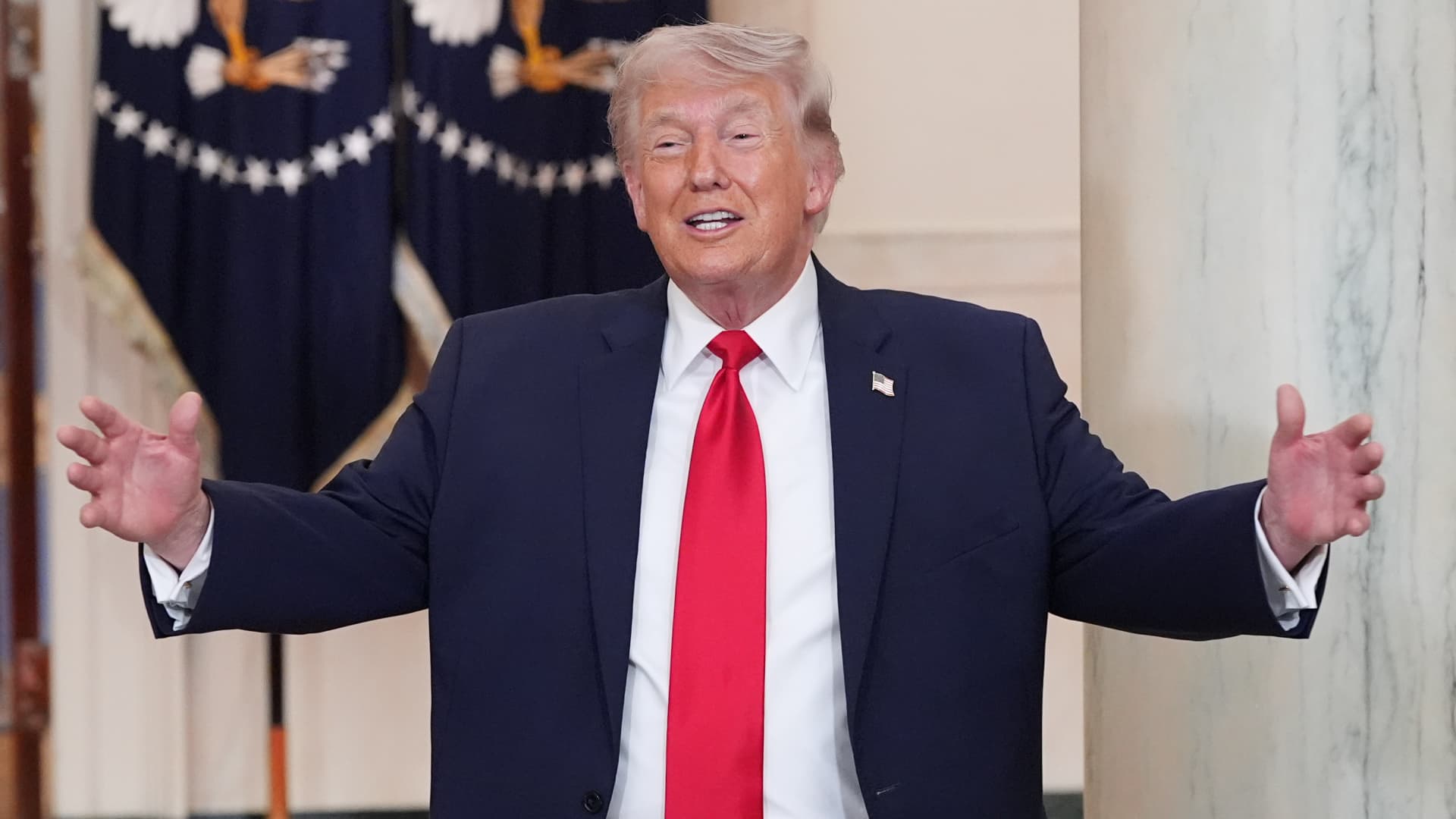
Trump's Address Triggers Market Volatility


- War Progress Update: In his national address, Trump claimed unprecedented victories in the U.S. campaign dubbed 'Operation Epic Fury,' while forecasting the conflict to last another two to three weeks, heightening market concerns about future developments.
- Oil Price Surge: Following the speech, international benchmark Brent crude futures rose nearly 6%, with Trump attributing the price increase to Iranian attacks on commercial oil tankers, illustrating the direct impact of geopolitical tensions on energy markets.
- Negative Market Reaction: Asia-Pacific markets broadly declined after Trump's address, with major indices such as Hong Kong's Hang Seng, Japan's Nikkei 225, South Korea's Kospi, and Australia's S&P/ASX 200 all retreating, reflecting investor unease about the future situation.
- Escalating Tensions with Iran: Trump threatened that the U.S. would continue to strike Iran hard unless the Strait of Hormuz is 'open, free, and clear,' indicating a worsening relationship between the U.S. and Iran that could affect global energy supplies.
See More

U.S. Markets Rise on Optimism Over Middle East Situation
- Market Optimism: All three major U.S. indexes rose on Wednesday, with the S&P 500 and Nasdaq Composite gaining 0.72% and 1.16%, respectively, while the Dow Jones Industrial Average increased by 224.23 points or 0.48%, reflecting heightened investor optimism regarding a potential end to the U.S.-Iran war.
- Trump's Address Anticipation: President Trump is expected to address the nation at 9 p.m. ET tonight to provide updates on the Iran ceasefire talks, with market participants closely monitoring the speech for potential impacts on stock prices.
- Iran's Response: Despite Trump's claim that Iran's new regime requested a ceasefire, Iranian officials denied this request, stating that there are currently no negotiations, which adds complexity and uncertainty to the situation and could affect market sentiment.
- Tech Company Developments: SpaceX has confidentially filed for an IPO, setting the stage for a record offering, following a significant funding round for OpenAI, indicating strong activity and investor confidence in the tech sector, which may drive related stock prices higher.
See More
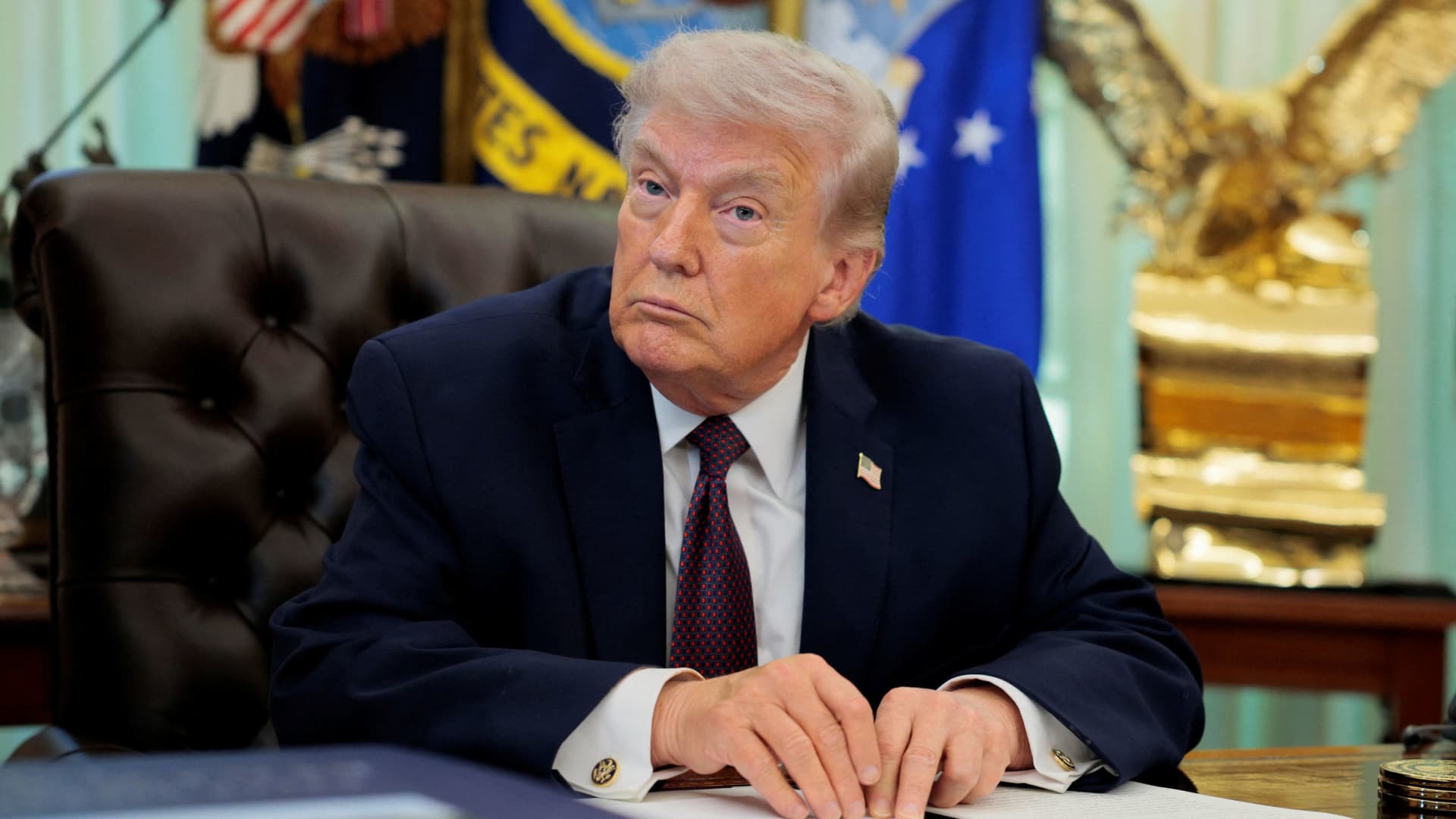
Trump Signs Executive Order Amid Iran Conflict Hopes
- Market Rally: Wall Street experienced a significant rally on Tuesday due to renewed optimism regarding a potential resolution to the U.S.-Iran conflict, with all three major indexes posting their best day since May; the Dow surged over 1,100 points, the S&P 500 rose 2.91% to 6,528.52, and the Nasdaq Composite climbed 3.83% to 21,590.63, indicating strong investor sentiment.
- Trump's Upcoming Address: The White House announced that President Trump will deliver an important address regarding Iran on Wednesday at 9 p.m. ET, which is expected to further influence market sentiment, especially as he indicated that U.S. military forces might leave Iran in “two to three weeks,” potentially sustaining the current optimism.
- Oil Price Fluctuations: Brent crude prices remained elevated following Iran's attack on a Kuwaiti oil tanker near Dubai, with partial closures of the Strait of Hormuz impacting global supply chains, particularly in the oil sector, highlighting the ongoing geopolitical risks affecting energy markets.
- Tech Stock Movements: OpenAI announced it closed a record-breaking funding round, valuing the company at $852 billion with $122 billion in committed capital, reflecting strong investor interest in the AI sector, while Oracle began layoffs in response to plummeting stock prices, illustrating the uncertainty within the tech industry amid current market conditions.
See More
Catalyst Watch for Next Week's Market Events
- OPEC+ Meeting Impact: OPEC+ is set to meet to decide on output increases, with a larger-than-expected increase potentially swinging crude prices, affecting inflation expectations and impacting energy stocks and the broader market.
- Volatility Watch: CoreWeave and Cytokinetics are expected to experience trading volatility, with stocks like Kore Group and Apellis Pharma identified as overbought, while Service Properties and Sanuwave Health are seen as oversold, potentially influencing investor sentiment.
- IPO Lockup Expiration: The lockup periods for Alliance Laundry, Phoenix Education Partners, and Leifras will expire, which may affect their stock price performance, while PayPay's quiet period ends, allowing analysts to begin issuing ratings.
- Key Economic Data Releases: The U.S. Consumer Price Index and Durable Goods Orders reports will be released next week, with economists forecasting the core inflation rate to remain at 2.5%, which will significantly impact market sentiment and investment decisions.
See More
U.S. Adds 178K Jobs in March, Unemployment Rate Dips to 4.3%
- Labor Market Recovery: The U.S. added 178,000 nonfarm jobs in March, significantly surpassing the Dow Jones estimate of 59,000, indicating signs of economic recovery despite the persistent slow-growth trend.
- Sector Growth Highlights: The healthcare sector was the largest contributor, adding 76,000 jobs, with 54,000 coming from returning workers post-strike, suggesting a rebound in this sector after facing short-term challenges.
- Unemployment Rate Changes: Although the unemployment rate dipped slightly to 4.3%, the labor force participation rate fell to 61.9% due to a decline of 396,000 individuals, reflecting underlying pressures in the job market.
- Wage Growth Slowdown: Average hourly earnings rose by only 0.2% in March, with a year-over-year increase of 3.5%, both below expectations, indicating that sluggish wage growth may impact consumer spending and overall economic growth.
See More
Amazon to Impose 3.5% Surcharge on Third-Party Sellers
- Surcharge Implementation: Amazon will impose a 3.5% 'fuel and logistics surcharge' on third-party sellers using its fulfillment services starting April 17, driven by rising oil prices due to the ongoing conflict in Iran, which is expected to increase sellers' operational costs.
- Industry Impact: The surcharge reflects the rising costs in fulfillment and logistics, with Amazon stating that while it has absorbed these costs, it must implement temporary surcharges to recover part of the actual cost increases, highlighting the pressure faced across the industry.
- Relative Competitiveness: An Amazon spokesperson noted that the surcharge is 'meaningfully lower' than those imposed by other major carriers, aiming to maintain support for sellers while ensuring customers benefit from a broad selection and low prices.
- Market Reaction: With international oil prices surging, the surcharge is expected to impact approximately two million sellers, particularly those using Amazon's Fulfillment by Amazon (FBA) service, with an average increase of about 17 cents per unit, potentially affecting their pricing strategies and market competitiveness.
See More
Trump's Address Triggers Market Volatility
- War Progress Update: In his national address, Trump claimed unprecedented victories in the U.S. campaign dubbed 'Operation Epic Fury,' while forecasting the conflict to last another two to three weeks, heightening market concerns about future developments.
- Oil Price Surge: Following the speech, international benchmark Brent crude futures rose nearly 6%, with Trump attributing the price increase to Iranian attacks on commercial oil tankers, illustrating the direct impact of geopolitical tensions on energy markets.
- Negative Market Reaction: Asia-Pacific markets broadly declined after Trump's address, with major indices such as Hong Kong's Hang Seng, Japan's Nikkei 225, South Korea's Kospi, and Australia's S&P/ASX 200 all retreating, reflecting investor unease about the future situation.
- Escalating Tensions with Iran: Trump threatened that the U.S. would continue to strike Iran hard unless the Strait of Hormuz is 'open, free, and clear,' indicating a worsening relationship between the U.S. and Iran that could affect global energy supplies.
See More
U.S. Markets Rise on Optimism Over Middle East Situation
- Market Optimism: All three major U.S. indexes rose on Wednesday, with the S&P 500 and Nasdaq Composite gaining 0.72% and 1.16%, respectively, while the Dow Jones Industrial Average increased by 224.23 points or 0.48%, reflecting heightened investor optimism regarding a potential end to the U.S.-Iran war.
- Trump's Address Anticipation: President Trump is expected to address the nation at 9 p.m. ET tonight to provide updates on the Iran ceasefire talks, with market participants closely monitoring the speech for potential impacts on stock prices.
- Iran's Response: Despite Trump's claim that Iran's new regime requested a ceasefire, Iranian officials denied this request, stating that there are currently no negotiations, which adds complexity and uncertainty to the situation and could affect market sentiment.
- Tech Company Developments: SpaceX has confidentially filed for an IPO, setting the stage for a record offering, following a significant funding round for OpenAI, indicating strong activity and investor confidence in the tech sector, which may drive related stock prices higher.
See More
Trump Signs Executive Order Amid Iran Conflict Hopes
- Market Rally: Wall Street experienced a significant rally on Tuesday due to renewed optimism regarding a potential resolution to the U.S.-Iran conflict, with all three major indexes posting their best day since May; the Dow surged over 1,100 points, the S&P 500 rose 2.91% to 6,528.52, and the Nasdaq Composite climbed 3.83% to 21,590.63, indicating strong investor sentiment.
- Trump's Upcoming Address: The White House announced that President Trump will deliver an important address regarding Iran on Wednesday at 9 p.m. ET, which is expected to further influence market sentiment, especially as he indicated that U.S. military forces might leave Iran in “two to three weeks,” potentially sustaining the current optimism.
- Oil Price Fluctuations: Brent crude prices remained elevated following Iran's attack on a Kuwaiti oil tanker near Dubai, with partial closures of the Strait of Hormuz impacting global supply chains, particularly in the oil sector, highlighting the ongoing geopolitical risks affecting energy markets.
- Tech Stock Movements: OpenAI announced it closed a record-breaking funding round, valuing the company at $852 billion with $122 billion in committed capital, reflecting strong investor interest in the AI sector, while Oracle began layoffs in response to plummeting stock prices, illustrating the uncertainty within the tech industry amid current market conditions.
See More