FedEx CEO Downplays Competitive Pressure from Amazon
Written by Emily J. Thompson, Senior Investment Analyst
Updated: 53 minutes ago
0mins
Should l Buy FDX?
Source: seekingalpha
- Competitive Pressure Analysis: FedEx CEO Raj Subramaniam stated on CNBC that Amazon's recent supply chain service announcement is fundamentally different from FedEx's global network, emphasizing that FedEx's true advantage lies in its end-to-end global shipping capabilities.
- Stock Price Volatility: Following Amazon's announcement, FedEx shares initially dropped by 9%, but have since recovered about half of those losses, indicating that the market's reaction to competitive threats may have been exaggerated.
- Market Positioning: Subramaniam pointed out that Amazon's supply chain service is more akin to third-party logistics, which only represents a small portion of FedEx's approximately $2 billion logistics revenue, highlighting its limited significance in the overall business.
- Customer Relationship: Despite competitive pressures, Subramaniam emphasized that Amazon remains a valuable customer for FedEx, with their partnership viewed as a win-win, showcasing FedEx's strategic value in maintaining customer relationships.
Trade with 70% Backtested Accuracy
Stop guessing "Should I Buy FDX?" and start using high-conviction signals backed by rigorous historical data.
Sign up today to access powerful investing tools and make smarter, data-driven decisions.
Analyst Views on FDX
Wall Street analysts forecast FDX stock price to fall
20 Analyst Rating
13 Buy
6 Hold
1 Sell
Moderate Buy
Current: 378.900

Low
210.00
Averages
315.05
High
365.00
Current: 378.900
Low
210.00
Averages
315.05
High
365.00
About FDX
FedEx Corporation provides customers and businesses with a portfolio of transportation, e-commerce, and business services. The Company offers integrated business solutions utilizing its flexible and efficient global network. Its segments include Federal Express, FedEx Freight, and Corporate, other, and eliminations. Federal Express segment includes express transportation, small-package ground delivery, and freight transportation, and it also operates combined sales, marketing, administrative, and information-technology functions in shared service operations for United States customers. FedEx Freight segment includes FedEx Freight (LTL freight transportation) and FedEx Custom Critical (time-critical transportation). Corporate, other, and elimination segments include FedEx Dataworks, Inc. (FedEx Dataworks), FedEx Office and Print Services, Inc. (FedEx Office), and FedEx Logistics, Inc. (FedEx Logistics). FedEx Logistics offers customs brokerage, specialty transportation, and others.
About the author

Emily J. Thompson
Emily J. Thompson, a Chartered Financial Analyst (CFA) with 12 years in investment research, graduated with honors from the Wharton School. Specializing in industrial and technology stocks, she provides in-depth analysis for Intellectia’s earnings and market brief reports.

FedEx Separation Plan on Track for June 2026
- Separation Progress: The SEC has approved the registration statement filed by FedEx Freight, marking a significant milestone in the separation process, which is on track to be completed by June 1, 2026, demonstrating the company's commitment to restructuring.
- Independent Operation Outlook: After the spin-off, FedEx Freight will operate as an independent entity, leveraging data-driven technology and an efficient sales organization to enhance service quality, which is expected to improve market competitiveness and customer satisfaction.
- Financial Performance Expectations: With annual revenue of $92 billion, the separation will allow both FedEx and FedEx Freight to focus on their core businesses, optimizing resource allocation to achieve higher financial targets and cost savings.
- Market Reaction Potential: Despite potential uncertainties during the separation process, successful completion is anticipated to enhance the market performance of both FedEx and FedEx Freight, attracting increased investor interest.
See More
FedEx CEO Downplays Competitive Pressure from Amazon
- Competitive Pressure Analysis: FedEx CEO Raj Subramaniam stated on CNBC that Amazon's recent supply chain service announcement is fundamentally different from FedEx's global network, emphasizing that FedEx's true advantage lies in its end-to-end global shipping capabilities.
- Stock Price Volatility: Following Amazon's announcement, FedEx shares initially dropped by 9%, but have since recovered about half of those losses, indicating that the market's reaction to competitive threats may have been exaggerated.
- Market Positioning: Subramaniam pointed out that Amazon's supply chain service is more akin to third-party logistics, which only represents a small portion of FedEx's approximately $2 billion logistics revenue, highlighting its limited significance in the overall business.
- Customer Relationship: Despite competitive pressures, Subramaniam emphasized that Amazon remains a valuable customer for FedEx, with their partnership viewed as a win-win, showcasing FedEx's strategic value in maintaining customer relationships.
See More
FedEx CEO Downplays Amazon Supply Chain Services Threat

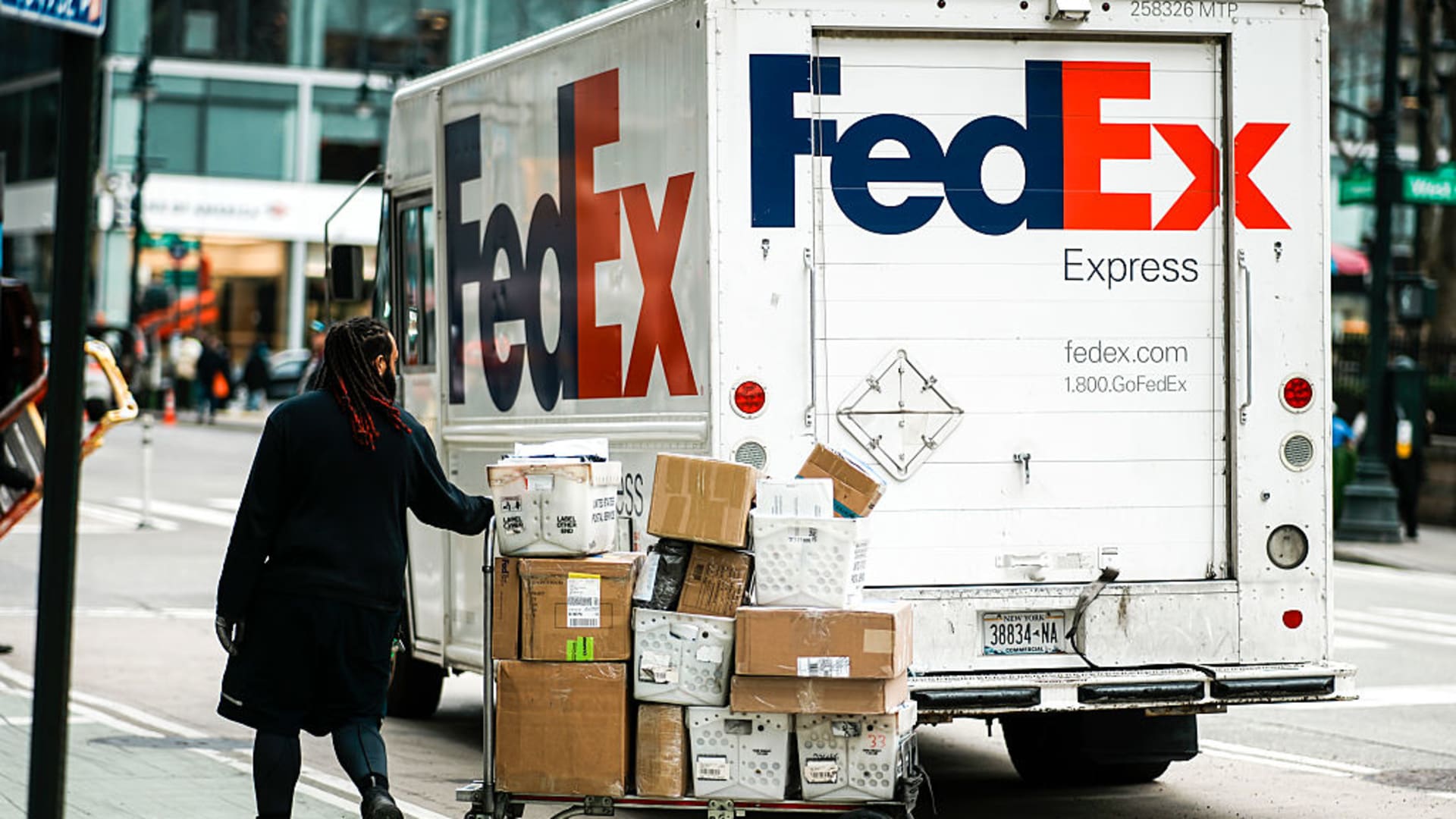
- Competitive Threat Assessment: FedEx CEO Raj Subramaniam stated on CNBC that Amazon's recent supply chain services announcement is fundamentally different from FedEx's global network, emphasizing that FedEx's true advantage lies in its ability to transport goods quickly worldwide, despite market concerns about competitive threats.
- Stock Price Volatility: Following Amazon's announcement, FedEx shares fell by 9%, but have since recovered roughly half of those losses, while rival UPS saw a 10.5% drop on the same day, with only a modest 2% recovery afterward.
- Business Scale Comparison: Subramaniam noted that FedEx's third-party logistics segment is about a $2 billion business, and while Amazon's service may impact this area, it represents only a small fraction of FedEx's overall operations, which are projected to generate over $93 billion in revenue for the fiscal year ending in May.
- Customer Relationship Maintenance: Despite the competitive landscape, Subramaniam emphasized that Amazon remains a valuable FedEx customer, with both companies having renewed their partnership in recent years, creating a win-win business model that highlights FedEx's commitment to maintaining strong relationships with key clients.
See More

FedEx CEO Downplays Amazon Supply Chain Threat

- Competitive Threat Assessment: FedEx CEO Raj Subramaniam stated that Amazon's new supply chain service is completely different from FedEx's global logistics network, emphasizing that FedEx's true global network can deliver goods from anywhere in the world within days, showcasing its unique market position.
- Customer Relationship Importance: Despite concerns raised by Amazon's supply chain service, Subramaniam highlighted that Amazon remains a valuable customer for FedEx, with their relationship viewed as a win-win, indicating FedEx's ability to maintain customer loyalty in the face of competition.
- Market Reaction Analysis: Following Amazon's announcement, FedEx shares fell by 9%, but have since recovered about half of those losses, indicating an initial negative market reaction to the news, although investor confidence appears to be gradually returning.
- Business Scale Comparison: Subramaniam noted that FedEx's third-party logistics segment is approximately a $2 billion business, and while Amazon's service may impact this area, it does not represent a major part of FedEx's overall operations, reflecting the company's solid position in the broader market.
See More

Transportation Stocks Shine: FedEx and J.B. Hunt Stand Out

- FedEx Earnings Beat: FedEx reported Q2 2026 earnings of $4.82 per share, exceeding analyst expectations by approximately 17%, while raising its full-year adjusted EPS guidance to between $17.80 and $19.00, indicating significant improvements from its restructuring efforts.
- Strong FedEx Freight Performance: FedEx Freight is projected to generate around $8.7 billion in annual revenue with a target operating margin of 12%, effectively reducing exposure to fuel price volatility by combining smaller shipments, thereby enhancing its competitive position.
- J.B. Hunt Revenue Growth: J.B. Hunt reported Q1 2026 revenue of $3.06 billion, a 5% year-over-year increase, with operating income rising 16% and earnings per share jumping 27% to $1.49, showcasing its robust performance in the transportation sector.
- Fuel Cost Advantage: J.B. Hunt's focus on intermodal shipping allows it to reduce diesel consumption, and management noted an increase in
See More
U.S. Begins Tariff Refunds, Benefiting Companies

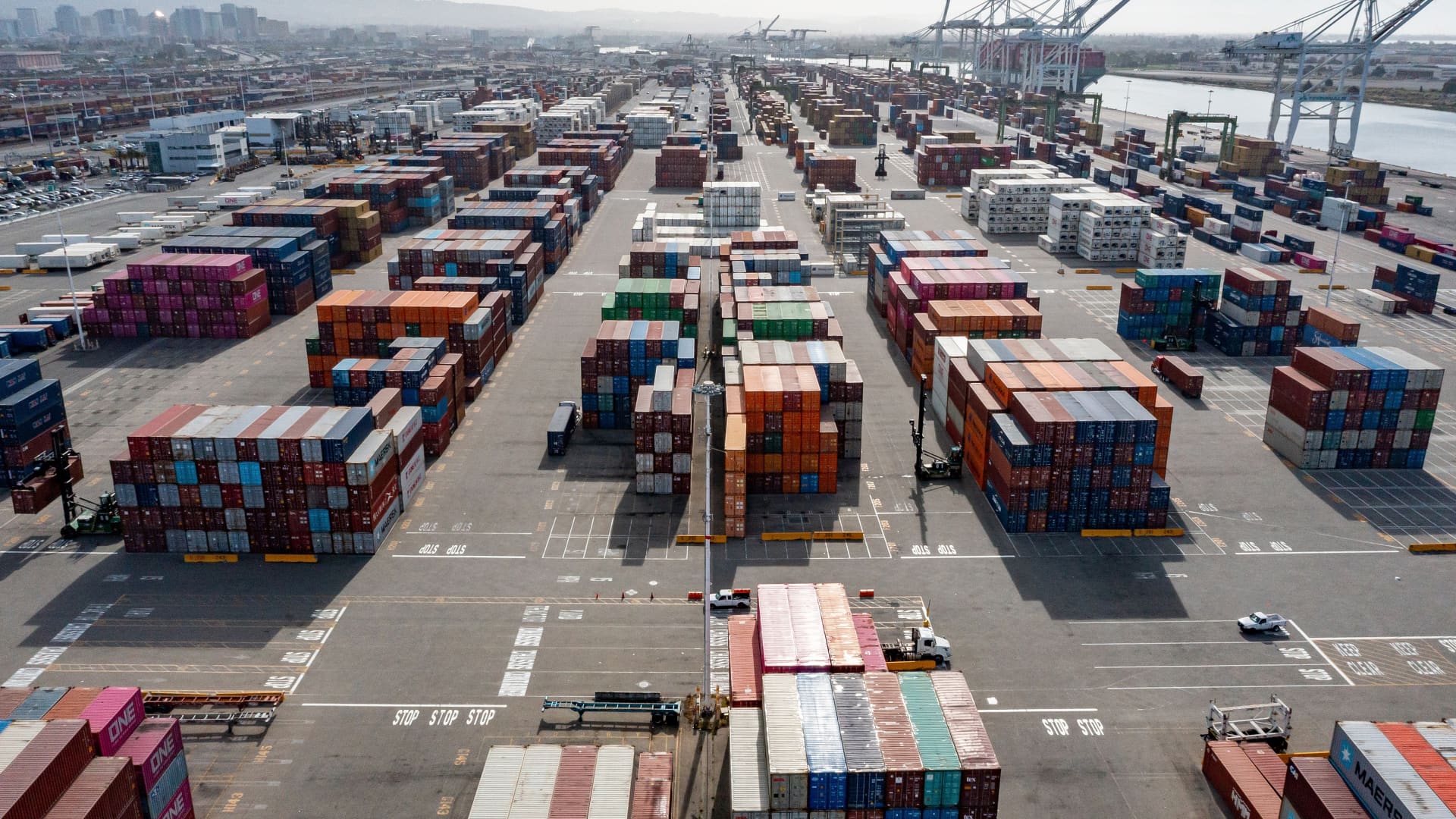
- Tariff Refunds Initiated: Following the Supreme Court's ruling that some tariffs were unconstitutional, Oshkosh Corporation CFO Matt Field confirmed that the company began receiving tariff refunds on Tuesday, marking the initial payments from their total claims submitted, although the total refund amount remains unverified.
- Basic Fun's Gains: Basic Fun CEO Jay Foreman stated that the refunds received so far represent only 5% of the company's total claim on early invoices, yet these funds will be utilized to support 2026 cash flow and increase employee salaries to offset rising living costs.
- Logistics Companies' Role: Logistics giants UPS, FedEx, and DHL have indicated they will file for tariff refunds on behalf of their customers, requiring no further action from them, highlighting the crucial role of the logistics sector in this refund process.
- Massive Refund Scale: The U.S. Customs and Border Protection anticipates paying out $35.46 billion in refunds across 8.3 million shipments, indicating the potential positive impact of this policy on corporate cash flows.
See More
FedEx Separation Plan on Track for June 2026
- Separation Progress: The SEC has approved the registration statement filed by FedEx Freight, marking a significant milestone in the separation process, which is on track to be completed by June 1, 2026, demonstrating the company's commitment to restructuring.
- Independent Operation Outlook: After the spin-off, FedEx Freight will operate as an independent entity, leveraging data-driven technology and an efficient sales organization to enhance service quality, which is expected to improve market competitiveness and customer satisfaction.
- Financial Performance Expectations: With annual revenue of $92 billion, the separation will allow both FedEx and FedEx Freight to focus on their core businesses, optimizing resource allocation to achieve higher financial targets and cost savings.
- Market Reaction Potential: Despite potential uncertainties during the separation process, successful completion is anticipated to enhance the market performance of both FedEx and FedEx Freight, attracting increased investor interest.
See More
FedEx CEO Downplays Competitive Pressure from Amazon
- Competitive Pressure Analysis: FedEx CEO Raj Subramaniam stated on CNBC that Amazon's recent supply chain service announcement is fundamentally different from FedEx's global network, emphasizing that FedEx's true advantage lies in its end-to-end global shipping capabilities.
- Stock Price Volatility: Following Amazon's announcement, FedEx shares initially dropped by 9%, but have since recovered about half of those losses, indicating that the market's reaction to competitive threats may have been exaggerated.
- Market Positioning: Subramaniam pointed out that Amazon's supply chain service is more akin to third-party logistics, which only represents a small portion of FedEx's approximately $2 billion logistics revenue, highlighting its limited significance in the overall business.
- Customer Relationship: Despite competitive pressures, Subramaniam emphasized that Amazon remains a valuable customer for FedEx, with their partnership viewed as a win-win, showcasing FedEx's strategic value in maintaining customer relationships.
See More
FedEx CEO Downplays Amazon Supply Chain Services Threat
- Competitive Threat Assessment: FedEx CEO Raj Subramaniam stated on CNBC that Amazon's recent supply chain services announcement is fundamentally different from FedEx's global network, emphasizing that FedEx's true advantage lies in its ability to transport goods quickly worldwide, despite market concerns about competitive threats.
- Stock Price Volatility: Following Amazon's announcement, FedEx shares fell by 9%, but have since recovered roughly half of those losses, while rival UPS saw a 10.5% drop on the same day, with only a modest 2% recovery afterward.
- Business Scale Comparison: Subramaniam noted that FedEx's third-party logistics segment is about a $2 billion business, and while Amazon's service may impact this area, it represents only a small fraction of FedEx's overall operations, which are projected to generate over $93 billion in revenue for the fiscal year ending in May.
- Customer Relationship Maintenance: Despite the competitive landscape, Subramaniam emphasized that Amazon remains a valuable FedEx customer, with both companies having renewed their partnership in recent years, creating a win-win business model that highlights FedEx's commitment to maintaining strong relationships with key clients.
See More
FedEx CEO Downplays Amazon Supply Chain Threat
- Competitive Threat Assessment: FedEx CEO Raj Subramaniam stated that Amazon's new supply chain service is completely different from FedEx's global logistics network, emphasizing that FedEx's true global network can deliver goods from anywhere in the world within days, showcasing its unique market position.
- Customer Relationship Importance: Despite concerns raised by Amazon's supply chain service, Subramaniam highlighted that Amazon remains a valuable customer for FedEx, with their relationship viewed as a win-win, indicating FedEx's ability to maintain customer loyalty in the face of competition.
- Market Reaction Analysis: Following Amazon's announcement, FedEx shares fell by 9%, but have since recovered about half of those losses, indicating an initial negative market reaction to the news, although investor confidence appears to be gradually returning.
- Business Scale Comparison: Subramaniam noted that FedEx's third-party logistics segment is approximately a $2 billion business, and while Amazon's service may impact this area, it does not represent a major part of FedEx's overall operations, reflecting the company's solid position in the broader market.
See More
Transportation Stocks Shine: FedEx and J.B. Hunt Stand Out
- FedEx Earnings Beat: FedEx reported Q2 2026 earnings of $4.82 per share, exceeding analyst expectations by approximately 17%, while raising its full-year adjusted EPS guidance to between $17.80 and $19.00, indicating significant improvements from its restructuring efforts.
- Strong FedEx Freight Performance: FedEx Freight is projected to generate around $8.7 billion in annual revenue with a target operating margin of 12%, effectively reducing exposure to fuel price volatility by combining smaller shipments, thereby enhancing its competitive position.
- J.B. Hunt Revenue Growth: J.B. Hunt reported Q1 2026 revenue of $3.06 billion, a 5% year-over-year increase, with operating income rising 16% and earnings per share jumping 27% to $1.49, showcasing its robust performance in the transportation sector.
- Fuel Cost Advantage: J.B. Hunt's focus on intermodal shipping allows it to reduce diesel consumption, and management noted an increase in
See More
U.S. Begins Tariff Refunds, Benefiting Companies
- Tariff Refunds Initiated: Following the Supreme Court's ruling that some tariffs were unconstitutional, Oshkosh Corporation CFO Matt Field confirmed that the company began receiving tariff refunds on Tuesday, marking the initial payments from their total claims submitted, although the total refund amount remains unverified.
- Basic Fun's Gains: Basic Fun CEO Jay Foreman stated that the refunds received so far represent only 5% of the company's total claim on early invoices, yet these funds will be utilized to support 2026 cash flow and increase employee salaries to offset rising living costs.
- Logistics Companies' Role: Logistics giants UPS, FedEx, and DHL have indicated they will file for tariff refunds on behalf of their customers, requiring no further action from them, highlighting the crucial role of the logistics sector in this refund process.
- Massive Refund Scale: The U.S. Customs and Border Protection anticipates paying out $35.46 billion in refunds across 8.3 million shipments, indicating the potential positive impact of this policy on corporate cash flows.
See More