FDA Proposes Limiting Active Ingredients in Obesity Drugs
Written by Emily J. Thompson, Senior Investment Analyst
Updated: Apr 30 2026
0mins
Source: Newsfilter
- Ingredient Exclusion Proposal: The FDA has proposed excluding the active ingredients in Novo Nordisk and Eli Lilly's obesity and diabetes medications, which could limit mass compounding and affect market supply.
- Clinical Need Assessment: The FDA stated that when FDA-approved drugs are available, outsourcing facilities cannot lawfully compound using bulk drug substances without a clear clinical need, potentially impacting drug availability.
- Market Impact Analysis: This proposal specifically targets 503B outsourcing facilities, which may lead to a reduction in custom alternatives for drugs like Wegovy and Ozempic from Novo and Lilly, thus affecting patient choices and drug costs.
- Investment and Production Capacity: Novo and Lilly have invested billions over the past few years to ramp up manufacturing capacity to alleviate supply constraints while also striving to make their branded medications more competitive to attract users.
Trade with 70% Backtested Accuracy
Stop guessing "Should I Buy NVO?" and start using high-conviction signals backed by rigorous historical data.
Sign up today to access powerful investing tools and make smarter, data-driven decisions.
Analyst Views on NVO
Wall Street analysts forecast NVO stock price to rise
8 Analyst Rating
4 Buy
3 Hold
1 Sell
Moderate Buy
Current: 42.190

Low
42.00
Averages
54.67
High
70.00
Current: 42.190
Low
42.00
Averages
54.67
High
70.00
About NVO
Novo Nordisk A/S is a global healthcare company engaged in diabetes care. The Company is also engaged in the discovery, development, manufacturing and marketing of pharmaceutical products. The Company operates through two business segments: diabetes and obesity care, and biopharmaceuticals. The Company's diabetes and obesity care segment covers insulin, GLP-1, other protein-related products, such as glucagon, protein-related delivery systems and needles, and oral anti-diabetic drugs. The Company's biopharmaceuticals segment covers the therapy areas of hemophilia care, growth hormone therapy and hormone replacement therapy. The Company also offers Saxenda product to treat obesity. It offers a range of products, including NovoLog/NovoRapid; NovoLog Mix/NovoMix; Prandin/NovoNorm; NovoSeven; Norditropin, and Vagifem. As of December 31, 2016, it marketed its products in over 180 countries. Its regional structure consists of two commercial units: North America and International Operations.
About the author

Emily J. Thompson
Emily J. Thompson, a Chartered Financial Analyst (CFA) with 12 years in investment research, graduated with honors from the Wharton School. Specializing in industrial and technology stocks, she provides in-depth analysis for Intellectia’s earnings and market brief reports.
Novo Nordisk's Wegovy Pill Surpasses 3M Prescriptions in Five Months
- Prescription Milestone: Novo Nordisk's oral weight loss therapy, Wegovy, has surpassed 3 million prescriptions in just five months post-launch in the U.S., demonstrating strong performance in the obesity drug market despite competition from Eli Lilly.
- Rapid Growth: The Wegovy pill achieved 1 million prescriptions within the first 10-12 weeks of its U.S. launch, followed by an additional 2 million prescriptions in the last 10 weeks, with CEO Mike Doustdar highlighting this acceleration amid increasing competition.
- Market Expansion: More than 80% of new prescriptions for Wegovy are from patients new to the GLP-1 drug class, indicating that the therapy is not only attracting new users but also expanding the overall obesity treatment market, thereby enhancing Novo Nordisk's market position.
- Sales Forecast Upgrade: TD Cowen raised its 2030 global sales estimate for GLP-1 drugs from $139 billion to $150 billion, with oral versions expected to contribute 14%, further validating Novo Nordisk's strategic significance in this sector.
See More

Foundayo Approved by FDA; Lilly to Seek Type 2 Diabetes Approval


- Clinical Trial Results: In three late-stage trials, Foundayo outperformed Novo Nordisk's semaglutide and AstraZeneca's dapagliflozin in blood sugar control and weight loss, with the 17.2 mg dose reducing blood sugar levels by 2.2 percentage points, demonstrating a statistically significant advantage.
- Market Expansion Potential: Lilly plans to submit Foundayo for U.S. regulatory approval for type 2 diabetes by the end of Q2, which is expected to expand the company's total addressable market by providing a convenient oral alternative for patients who prefer pills.
- Consistent Safety Data: Safety data across the three trials were consistent, with the most common side effects being mild-to-moderate gastrointestinal issues, and discontinuation rates remained in the low-to-mid teens, aligning with other oral GLP-1s.
- Positive Investor Sentiment: Lilly's shares closed about 2% higher on Monday and edged up after-hours, reflecting Wall Street's optimistic outlook on Foundayo as a potential first-line oral diabetes treatment, with the stock gaining approximately 49% over the past 12 months.
See More

Eli Lilly Expands Obesity Drug Pipeline Amid Record Highs
- Drug Development Progress: Eli Lilly unveiled data on its next-generation obesity drug retatrutide at the American Diabetes Association conference, showing a 19% weight loss at a 4 mg dose, comparable to the highest dose of its blockbuster Zepbound, indicating the company's leading position in the obesity drug market.
- Strong Market Performance: Shares of Eli Lilly have risen approximately 35% year-to-date, while rival Novo Nordisk's stock has declined by about 18%, reflecting increased investor confidence in Lilly's obesity drug pipeline and the potential for further market share expansion.
- Drug Potential Analysis: Goldman Sachs noted that Lilly's obesity pipeline highlights a “rapidly evolving next-gen innovation engine,” while Barclays stated that retatrutide presents significant commercial opportunities that could reshape the obesity pharmacotherapy landscape.
- Long-term Health Benefits: Jim Cramer emphasized the long-term health benefits of GLP-1 drugs, arguing that employers and insurers limiting coverage are making a mistake, as these drugs could lead to significant improvements in various health issues, including cardiovascular diseases.
See More
Novo Nordisk and Eli Lilly Intensify Competition in Obesity Drug Market
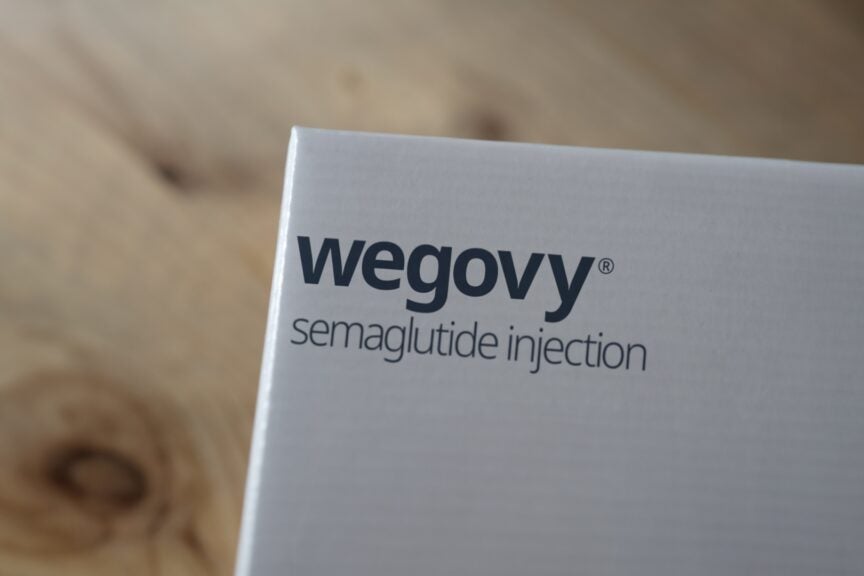
- Prescription Milestone: Novo Nordisk announced that prescriptions for its Wegovy drug have surpassed 3 million in the U.S. market, indicating strong growth in the competitive GLP-1 drug market, even as Eli Lilly launched its own GLP-1 pill, Foundayo.
- New Medicare Opportunity: Starting in July, millions of Medicare beneficiaries will gain access to GLP-1 drugs for weight loss at $50 per month, significantly reducing the financial burden on patients and potentially boosting Wegovy's market share.
- New Drug Development Progress: At the conference, Lilly presented Phase 3 data for its experimental drug retatrutide, showing an average weight loss of 28% among patients, which could reshape the obesity treatment landscape, especially among individuals with higher BMIs.
- Future Product Strategy: Novo Nordisk plans to launch the CagriSema drug, although its efficacy has not surpassed Lilly's Zepbound, the company remains committed to diversifying its cardiometabolic health product line to address market competition and enhance its stock price.
See More
Novo Nordisk and Eli Lilly Compete in GLP-1 Market
- Intensifying Market Competition: Novo Nordisk's Wegovy has surpassed 3 million prescriptions since its U.S. launch five months ago, while Eli Lilly's Foundayo has seen a significant increase in prescriptions following its first-quarter report, highlighting fierce competition in the weight loss drug market.
- New Medicare Coverage Opportunity: Starting July 1, millions of seniors will gain access to GLP-1 drugs for weight loss at $50 per month, significantly reducing the financial burden on patients and providing both companies with an opportunity to expand their market share.
- Product Advantage Promotion: Novo Nordisk plans to emphasize the cardiovascular protective benefits of Wegovy to attract senior patients, while Eli Lilly focuses on the convenience of Foundayo, showcasing differing marketing strategies between the two companies.
- New Drug Development Progress: Lilly presented Phase 3 data for retatrutide at the conference, showing an average weight loss of 28% among patients, while Novo Nordisk anticipates FDA approval for CagriSema, despite its efficacy not surpassing that of competitors' products.
See More
Zealand Pharma Shares Plunge 26% Amid Concerns Over Drug Side Effects
- Disappointing Drug Trial Results: Zealand Pharma's experimental drug survodutide met key targets in late-stage studies, yet 19% of patients dropped out due to gastrointestinal events, significantly higher than the 2.9% in the placebo group, indicating serious safety and tolerability concerns that could hinder market potential.
- High Discontinuation Rate Impacts Commercial Viability: With over 40% of patients reporting vomiting, analysts warn that this high dropout rate may limit the drug's prospects for treating obesity or fatty liver disease, leading to a decline in investor confidence.
- Significant Stock Price Drop: Zealand Pharma's shares plummeted 24% on Monday, adding to a nearly 50% decline year-to-date, reflecting the market's disappointment with the company's drug development outcomes.
- Increased Competitive Pressure: Citi analysts highlighted that a 19% treatment discontinuation rate and high incidence of nausea and vomiting far exceed acceptable levels compared to rival drugs tirzepatide and semaglutide, intensifying competitive pressures in the anti-obesity drug market.
See More
Novo Nordisk's Wegovy Pill Surpasses 3M Prescriptions in Five Months
- Prescription Milestone: Novo Nordisk's oral weight loss therapy, Wegovy, has surpassed 3 million prescriptions in just five months post-launch in the U.S., demonstrating strong performance in the obesity drug market despite competition from Eli Lilly.
- Rapid Growth: The Wegovy pill achieved 1 million prescriptions within the first 10-12 weeks of its U.S. launch, followed by an additional 2 million prescriptions in the last 10 weeks, with CEO Mike Doustdar highlighting this acceleration amid increasing competition.
- Market Expansion: More than 80% of new prescriptions for Wegovy are from patients new to the GLP-1 drug class, indicating that the therapy is not only attracting new users but also expanding the overall obesity treatment market, thereby enhancing Novo Nordisk's market position.
- Sales Forecast Upgrade: TD Cowen raised its 2030 global sales estimate for GLP-1 drugs from $139 billion to $150 billion, with oral versions expected to contribute 14%, further validating Novo Nordisk's strategic significance in this sector.
See More
Foundayo Approved by FDA; Lilly to Seek Type 2 Diabetes Approval
- Clinical Trial Results: In three late-stage trials, Foundayo outperformed Novo Nordisk's semaglutide and AstraZeneca's dapagliflozin in blood sugar control and weight loss, with the 17.2 mg dose reducing blood sugar levels by 2.2 percentage points, demonstrating a statistically significant advantage.
- Market Expansion Potential: Lilly plans to submit Foundayo for U.S. regulatory approval for type 2 diabetes by the end of Q2, which is expected to expand the company's total addressable market by providing a convenient oral alternative for patients who prefer pills.
- Consistent Safety Data: Safety data across the three trials were consistent, with the most common side effects being mild-to-moderate gastrointestinal issues, and discontinuation rates remained in the low-to-mid teens, aligning with other oral GLP-1s.
- Positive Investor Sentiment: Lilly's shares closed about 2% higher on Monday and edged up after-hours, reflecting Wall Street's optimistic outlook on Foundayo as a potential first-line oral diabetes treatment, with the stock gaining approximately 49% over the past 12 months.
See More
Eli Lilly Expands Obesity Drug Pipeline Amid Record Highs
- Drug Development Progress: Eli Lilly unveiled data on its next-generation obesity drug retatrutide at the American Diabetes Association conference, showing a 19% weight loss at a 4 mg dose, comparable to the highest dose of its blockbuster Zepbound, indicating the company's leading position in the obesity drug market.
- Strong Market Performance: Shares of Eli Lilly have risen approximately 35% year-to-date, while rival Novo Nordisk's stock has declined by about 18%, reflecting increased investor confidence in Lilly's obesity drug pipeline and the potential for further market share expansion.
- Drug Potential Analysis: Goldman Sachs noted that Lilly's obesity pipeline highlights a “rapidly evolving next-gen innovation engine,” while Barclays stated that retatrutide presents significant commercial opportunities that could reshape the obesity pharmacotherapy landscape.
- Long-term Health Benefits: Jim Cramer emphasized the long-term health benefits of GLP-1 drugs, arguing that employers and insurers limiting coverage are making a mistake, as these drugs could lead to significant improvements in various health issues, including cardiovascular diseases.
See More
Novo Nordisk and Eli Lilly Intensify Competition in Obesity Drug Market
- Prescription Milestone: Novo Nordisk announced that prescriptions for its Wegovy drug have surpassed 3 million in the U.S. market, indicating strong growth in the competitive GLP-1 drug market, even as Eli Lilly launched its own GLP-1 pill, Foundayo.
- New Medicare Opportunity: Starting in July, millions of Medicare beneficiaries will gain access to GLP-1 drugs for weight loss at $50 per month, significantly reducing the financial burden on patients and potentially boosting Wegovy's market share.
- New Drug Development Progress: At the conference, Lilly presented Phase 3 data for its experimental drug retatrutide, showing an average weight loss of 28% among patients, which could reshape the obesity treatment landscape, especially among individuals with higher BMIs.
- Future Product Strategy: Novo Nordisk plans to launch the CagriSema drug, although its efficacy has not surpassed Lilly's Zepbound, the company remains committed to diversifying its cardiometabolic health product line to address market competition and enhance its stock price.
See More
Novo Nordisk and Eli Lilly Compete in GLP-1 Market
- Intensifying Market Competition: Novo Nordisk's Wegovy has surpassed 3 million prescriptions since its U.S. launch five months ago, while Eli Lilly's Foundayo has seen a significant increase in prescriptions following its first-quarter report, highlighting fierce competition in the weight loss drug market.
- New Medicare Coverage Opportunity: Starting July 1, millions of seniors will gain access to GLP-1 drugs for weight loss at $50 per month, significantly reducing the financial burden on patients and providing both companies with an opportunity to expand their market share.
- Product Advantage Promotion: Novo Nordisk plans to emphasize the cardiovascular protective benefits of Wegovy to attract senior patients, while Eli Lilly focuses on the convenience of Foundayo, showcasing differing marketing strategies between the two companies.
- New Drug Development Progress: Lilly presented Phase 3 data for retatrutide at the conference, showing an average weight loss of 28% among patients, while Novo Nordisk anticipates FDA approval for CagriSema, despite its efficacy not surpassing that of competitors' products.
See More
Zealand Pharma Shares Plunge 26% Amid Concerns Over Drug Side Effects
- Disappointing Drug Trial Results: Zealand Pharma's experimental drug survodutide met key targets in late-stage studies, yet 19% of patients dropped out due to gastrointestinal events, significantly higher than the 2.9% in the placebo group, indicating serious safety and tolerability concerns that could hinder market potential.
- High Discontinuation Rate Impacts Commercial Viability: With over 40% of patients reporting vomiting, analysts warn that this high dropout rate may limit the drug's prospects for treating obesity or fatty liver disease, leading to a decline in investor confidence.
- Significant Stock Price Drop: Zealand Pharma's shares plummeted 24% on Monday, adding to a nearly 50% decline year-to-date, reflecting the market's disappointment with the company's drug development outcomes.
- Increased Competitive Pressure: Citi analysts highlighted that a 19% treatment discontinuation rate and high incidence of nausea and vomiting far exceed acceptable levels compared to rival drugs tirzepatide and semaglutide, intensifying competitive pressures in the anti-obesity drug market.
See More