Exxon Mobil Strikes Preliminary LNG Deal with South Africa
Written by Emily J. Thompson, Senior Investment Analyst
Updated: 1 hour ago
0mins
Source: seekingalpha
- Strategic Goal Advancement: Exxon Mobil has struck a preliminary deal to supply liquefied natural gas (LNG) to South Africa, aiming to support the country's coal-reliant power grid and double its LNG supplies to over 40 million tons per year by 2030.
- Power Supply Improvement: The LNG will be utilized at a 3,000 MW power plant near the proposed Zululand LNG terminal in Richards Bay, which is yet to be constructed, enhancing the reliability of South Africa's electricity supply while reducing its dependence on coal, which currently accounts for about 80% of power generation.
- Natural Gas Supply Challenges: South Africa produces little natural gas domestically and faces delays in gas turbine deliveries from suppliers like Siemens and General Electric, creating a pressing need for external LNG supplies to meet electricity demands during the transition.
- Emission Reduction Goals: By introducing LNG, South Africa aims to improve power supply reliability while gradually reducing greenhouse gas emissions, aligning with global energy transition trends and demonstrating a commitment to sustainable development.
Trade with 70% Backtested Accuracy
Stop guessing "Should I Buy XOM?" and start using high-conviction signals backed by rigorous historical data.
Sign up today to access powerful investing tools and make smarter, data-driven decisions.
Analyst Views on XOM
Wall Street analysts forecast XOM stock price to fall
19 Analyst Rating
12 Buy
7 Hold
0 Sell
Moderate Buy
Current: 140.920

Low
114.00
Averages
132.17
High
158.00
Current: 140.920
Low
114.00
Averages
132.17
High
158.00
About XOM
Exxon Mobil Corporation is an energy provider and chemical manufacturer. The Company’s principal business involves exploration for, and production of, crude oil and natural gas; the manufacture, trade, transport and sale of crude oil, natural gas, petroleum products, petrochemicals and a wide variety of specialty products; and pursuit of lower-emission and other new business opportunities, including carbon capture and storage, hydrogen, lower-emission fuels, Proxxima systems, carbon materials, and lithium. Its Upstream segment explores for and produces crude oil and natural gas. The Energy Products, Chemical Products, and Specialty Products segments manufacture and sell petroleum products and petrochemicals. Energy Products segment includes fuels, aromatics, and catalysts and licensing. Chemical Products segment consists of olefins, polyolefins, and intermediates. Specialty Products segment includes finished lubricants, basestocks and waxes, synthetics, and elastomers and resins.
About the author

Emily J. Thompson
Emily J. Thompson, a Chartered Financial Analyst (CFA) with 12 years in investment research, graduated with honors from the Wharton School. Specializing in industrial and technology stocks, she provides in-depth analysis for Intellectia’s earnings and market brief reports.

Exxon Mobil Submits New Exploration Plan for Guyana's Stabroek Block

- New Exploration Plan: Exxon Mobil (XOM) has submitted a new exploration and appraisal program to the Guyana Environmental Protection Agency, which could involve drilling up to 35 new wells, with operations set to commence in 2028 and run through 2033, indicating the company's long-term commitment to resource development in the region.
- Environmental Impact Assessment: Although the proposed project will not significantly impact the environment and thus does not require an environmental impact assessment, a cumulative impact assessment must be filed, reflecting the company's cautious approach to environmental compliance and helping to maintain its public image.
- Economic Growth Driver: Exxon’s operations in the Stabroek block are driving rapid economic growth in Guyana, with current crude oil production exceeding 900,000 barrels per day and on track to expand to 1.7 million barrels per day by 2030, further solidifying its position in the global energy market.
- Ownership Structure: Exxon Mobil holds a 45% stake in the block, operating alongside Chevron (CVX) with 30% and China's CNOOC with 25%, highlighting its significant role in international energy collaboration.
See More

Exxon Mobil Strikes Preliminary LNG Deal with South Africa
- Strategic Goal Advancement: Exxon Mobil has struck a preliminary deal to supply liquefied natural gas (LNG) to South Africa, aiming to support the country's coal-reliant power grid and double its LNG supplies to over 40 million tons per year by 2030.
- Power Supply Improvement: The LNG will be utilized at a 3,000 MW power plant near the proposed Zululand LNG terminal in Richards Bay, which is yet to be constructed, enhancing the reliability of South Africa's electricity supply while reducing its dependence on coal, which currently accounts for about 80% of power generation.
- Natural Gas Supply Challenges: South Africa produces little natural gas domestically and faces delays in gas turbine deliveries from suppliers like Siemens and General Electric, creating a pressing need for external LNG supplies to meet electricity demands during the transition.
- Emission Reduction Goals: By introducing LNG, South Africa aims to improve power supply reliability while gradually reducing greenhouse gas emissions, aligning with global energy transition trends and demonstrating a commitment to sustainable development.
See More
Bank of America Upgrades Exxon Mobil to Buy Amid Oil Price Volatility
- Rating Upgrade: Bank of America upgraded Exxon Mobil (XOM) from Neutral to Buy with a price target of $154, believing that the recent stock pullback positions it to price Brent crude at $65/bbl long-term with minimal fundamental downside.
- Cash Flow Growth: Exxon's solid execution in the Permian Basin provides a clear long-term growth trajectory, with an expected annualized increase of ~$3.3 billion in free cash flow at $70/bbl Brent crude, as 20% of its volume comes from the Middle East.
- Middle East Opportunities: The reopening of the Strait of Hormuz presents Exxon with significant benefits, particularly in a post-conflict world where its fully integrated footprint enhances negotiating power in Qatar and other Middle Eastern countries.
- Renewable Energy Outlook: BofA highlighted Exxon's peer-leading exposure in downstream and renewables, which is likely to drive growth in the coming decades, especially amid increasing volatility in the global energy market.
See More
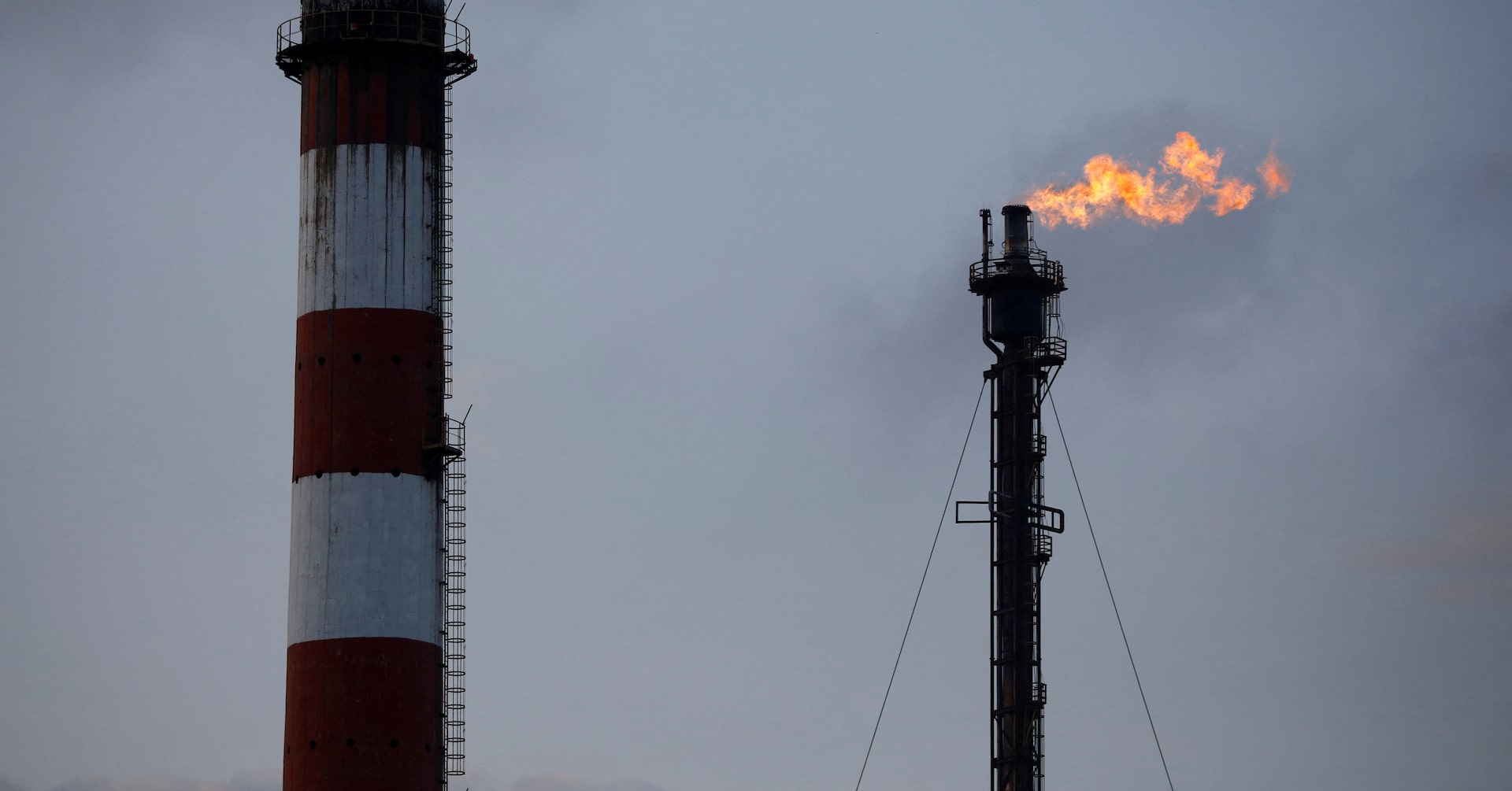
Oil Prices May Soon Return to Pre-Iran War Levels

- Oil Price Decline: U.S. crude prices have dropped to their lowest levels in three months, with WTI falling below $76, and predictions suggest it may soon dip below $70, reflecting market optimism regarding the easing of tensions with Iran, which could positively impact the economy.
- Supply Surplus Impact: Global producers ramped up output during high prices, leading to a rapid decline in current oil prices; Cramer noted that the market was unprepared for this shift, and unexpected oil supply may flood the market, further driving prices down.
- Inflation Pressure Relief: The continued decline in oil prices could alleviate inflationary pressures, as consumer prices rose by 0.5% in May and wholesale inflation by 1.1%, but core inflation remained subdued, indicating that oil price fluctuations were a major driver of inflation acceleration.
- Federal Reserve Policy Implications: As oil prices fall, new Fed Chairman Warsh may gain more room to implement rate cuts, with the likelihood of lower interest rates helping to ease economic pressures; Trump's trust in Warsh could also facilitate a more accommodative monetary policy approach.
See More

Key Highlights from CNBC Investing Club Meeting

- Market Dynamics: The S&P 500 fell on Tuesday after three consecutive gains, reflecting market volatility, particularly following SpaceX's IPO, which briefly surpassed Amazon's market cap, indicating strong investor interest in the company.
- Intel Investment: Intel shares dropped nearly 6%, prompting Jim Cramer to increase his position, demonstrating his confidence in Intel over Nvidia in the current market environment, as he criticized Nvidia for failing to maintain its rally.
- Salesforce's Poor Performance: Salesforce's stock fell for the 11th straight session despite announcing a $3.6 billion acquisition of AI customer service platform Fin, with Jim Cramer expressing concerns about the stock's severely damaged reputation in the market.
- Rapid Trade Review: In Tuesday's rapid-fire segment, Jim mentioned stocks like Exxon Mobil and Palantir, highlighting his focus on a diversified portfolio while emphasizing the importance of receiving timely trade alerts within the CNBC Investing Club.
See More

Major Wall Street Rating Changes Overview


- UBS Upgrade: UBS upgrades Dynatrace from neutral to buy, citing strong core application performance monitoring demand which is expected to drive modest growth, reflecting a healthy demand backdrop in the market.
- Bank of America Upgrade: Bank of America upgrades Kilroy Realty from neutral to buy, raising the price target from $42 to $44, indicating confidence in improving demand dynamics that are likely to enhance the company's competitive position in the REIT sector.
- DA Davidson Initiation: DA Davidson initiates coverage on Lincoln Electric with a buy rating and a $320 price target, emphasizing its potential as an industrial compounder, which suggests future growth opportunities in the sector.
- Goldman Sachs Neutral Reiteration: Goldman Sachs reiterates Tesla as neutral, forecasting that its Q2 2026 delivery numbers will exceed consensus expectations, thereby boosting confidence in the company's future performance.
See More
Exxon Mobil Submits New Exploration Plan for Guyana's Stabroek Block
- New Exploration Plan: Exxon Mobil (XOM) has submitted a new exploration and appraisal program to the Guyana Environmental Protection Agency, which could involve drilling up to 35 new wells, with operations set to commence in 2028 and run through 2033, indicating the company's long-term commitment to resource development in the region.
- Environmental Impact Assessment: Although the proposed project will not significantly impact the environment and thus does not require an environmental impact assessment, a cumulative impact assessment must be filed, reflecting the company's cautious approach to environmental compliance and helping to maintain its public image.
- Economic Growth Driver: Exxon’s operations in the Stabroek block are driving rapid economic growth in Guyana, with current crude oil production exceeding 900,000 barrels per day and on track to expand to 1.7 million barrels per day by 2030, further solidifying its position in the global energy market.
- Ownership Structure: Exxon Mobil holds a 45% stake in the block, operating alongside Chevron (CVX) with 30% and China's CNOOC with 25%, highlighting its significant role in international energy collaboration.
See More
Exxon Mobil Strikes Preliminary LNG Deal with South Africa
- Strategic Goal Advancement: Exxon Mobil has struck a preliminary deal to supply liquefied natural gas (LNG) to South Africa, aiming to support the country's coal-reliant power grid and double its LNG supplies to over 40 million tons per year by 2030.
- Power Supply Improvement: The LNG will be utilized at a 3,000 MW power plant near the proposed Zululand LNG terminal in Richards Bay, which is yet to be constructed, enhancing the reliability of South Africa's electricity supply while reducing its dependence on coal, which currently accounts for about 80% of power generation.
- Natural Gas Supply Challenges: South Africa produces little natural gas domestically and faces delays in gas turbine deliveries from suppliers like Siemens and General Electric, creating a pressing need for external LNG supplies to meet electricity demands during the transition.
- Emission Reduction Goals: By introducing LNG, South Africa aims to improve power supply reliability while gradually reducing greenhouse gas emissions, aligning with global energy transition trends and demonstrating a commitment to sustainable development.
See More
Bank of America Upgrades Exxon Mobil to Buy Amid Oil Price Volatility
- Rating Upgrade: Bank of America upgraded Exxon Mobil (XOM) from Neutral to Buy with a price target of $154, believing that the recent stock pullback positions it to price Brent crude at $65/bbl long-term with minimal fundamental downside.
- Cash Flow Growth: Exxon's solid execution in the Permian Basin provides a clear long-term growth trajectory, with an expected annualized increase of ~$3.3 billion in free cash flow at $70/bbl Brent crude, as 20% of its volume comes from the Middle East.
- Middle East Opportunities: The reopening of the Strait of Hormuz presents Exxon with significant benefits, particularly in a post-conflict world where its fully integrated footprint enhances negotiating power in Qatar and other Middle Eastern countries.
- Renewable Energy Outlook: BofA highlighted Exxon's peer-leading exposure in downstream and renewables, which is likely to drive growth in the coming decades, especially amid increasing volatility in the global energy market.
See More
Oil Prices May Soon Return to Pre-Iran War Levels
- Oil Price Decline: U.S. crude prices have dropped to their lowest levels in three months, with WTI falling below $76, and predictions suggest it may soon dip below $70, reflecting market optimism regarding the easing of tensions with Iran, which could positively impact the economy.
- Supply Surplus Impact: Global producers ramped up output during high prices, leading to a rapid decline in current oil prices; Cramer noted that the market was unprepared for this shift, and unexpected oil supply may flood the market, further driving prices down.
- Inflation Pressure Relief: The continued decline in oil prices could alleviate inflationary pressures, as consumer prices rose by 0.5% in May and wholesale inflation by 1.1%, but core inflation remained subdued, indicating that oil price fluctuations were a major driver of inflation acceleration.
- Federal Reserve Policy Implications: As oil prices fall, new Fed Chairman Warsh may gain more room to implement rate cuts, with the likelihood of lower interest rates helping to ease economic pressures; Trump's trust in Warsh could also facilitate a more accommodative monetary policy approach.
See More
Key Highlights from CNBC Investing Club Meeting
- Market Dynamics: The S&P 500 fell on Tuesday after three consecutive gains, reflecting market volatility, particularly following SpaceX's IPO, which briefly surpassed Amazon's market cap, indicating strong investor interest in the company.
- Intel Investment: Intel shares dropped nearly 6%, prompting Jim Cramer to increase his position, demonstrating his confidence in Intel over Nvidia in the current market environment, as he criticized Nvidia for failing to maintain its rally.
- Salesforce's Poor Performance: Salesforce's stock fell for the 11th straight session despite announcing a $3.6 billion acquisition of AI customer service platform Fin, with Jim Cramer expressing concerns about the stock's severely damaged reputation in the market.
- Rapid Trade Review: In Tuesday's rapid-fire segment, Jim mentioned stocks like Exxon Mobil and Palantir, highlighting his focus on a diversified portfolio while emphasizing the importance of receiving timely trade alerts within the CNBC Investing Club.
See More
Major Wall Street Rating Changes Overview
- UBS Upgrade: UBS upgrades Dynatrace from neutral to buy, citing strong core application performance monitoring demand which is expected to drive modest growth, reflecting a healthy demand backdrop in the market.
- Bank of America Upgrade: Bank of America upgrades Kilroy Realty from neutral to buy, raising the price target from $42 to $44, indicating confidence in improving demand dynamics that are likely to enhance the company's competitive position in the REIT sector.
- DA Davidson Initiation: DA Davidson initiates coverage on Lincoln Electric with a buy rating and a $320 price target, emphasizing its potential as an industrial compounder, which suggests future growth opportunities in the sector.
- Goldman Sachs Neutral Reiteration: Goldman Sachs reiterates Tesla as neutral, forecasting that its Q2 2026 delivery numbers will exceed consensus expectations, thereby boosting confidence in the company's future performance.
See More