Energy Stocks Offer Stable Dividend Potential
Written by Emily J. Thompson, Senior Investment Analyst
Updated: 1 hour ago
0mins

Source: Fool
- Oneok's Growth Potential: As a leading U.S. pipeline company, Oneok (OKE) transports and stores oil and gas products through over 60,000 miles of pipelines, with natural gas and liquids expected to account for 72% of profits by 2026, offering a current dividend yield of 5% and a management target of 3% to 4% annual growth.
- Chevron's Resilience: Chevron (CVX) expects production to grow by 2% to 3% annually through 2030 after closing its Hess acquisition, with projected free cash flow growth of 10% even at Brent oil prices of $70, and a current dividend yield of 3.7%, showcasing strong risk management capabilities.
- Kinder Morgan's Infrastructure Advantage: Kinder Morgan (KMI) is one of North America's largest energy infrastructure companies, operating over 78,000 miles of pipelines and transporting approximately 40% of domestic natural gas, with a current dividend yield of 3.5% and a $10 billion project backlog focused on natural gas power generation and LNG exports.
- Constellation Energy's Nuclear Outlook: Constellation Energy (CEG) operates the largest fleet of nuclear power plants in the U.S., with a capacity of about 22 gigawatts, and analysts project a 15% annual earnings growth over the next three to five years, despite a current dividend yield of just over 0.5%, indicating significant future growth potential to meet rising electricity demands.
Trade with 70% Backtested Accuracy
Stop guessing "Should I Buy CVX?" and start using high-conviction signals backed by rigorous historical data.
Sign up today to access powerful investing tools and make smarter, data-driven decisions.
Analyst Views on CVX
Wall Street analysts forecast CVX stock price to fall
19 Analyst Rating
15 Buy
4 Hold
0 Sell
Strong Buy
Current: 197.970

Low
158.00
Averages
176.95
High
206.00
Current: 197.970
Low
158.00
Averages
176.95
High
206.00
About CVX
Chevron Corporation is an integrated energy company. The Company produces crude oil and natural gas; manufactures transportation fuels, lubricants, petrochemicals and additives; and develops technologies that enhance its business and industry. The Company’s segments include Upstream and Downstream. Upstream operations consist primarily of exploring for, developing, producing and transporting crude oil and natural gas; liquefaction, transportation and regasification associated with LNG; transporting crude oil by major international oil export pipelines; processing, transporting, storage and marketing of natural gas; carbon capture and storage; and a gas-to-liquids plant. Downstream operations consist primarily of the refining of crude oil into petroleum products; marketing crude oil, refined products, and lubricants; manufacturing and marketing of renewable fuels, and transporting of crude oil and refined products by pipeline, marine vessel, motor equipment and rail car.
About the author

Emily J. Thompson
Emily J. Thompson, a Chartered Financial Analyst (CFA) with 12 years in investment research, graduated with honors from the Wharton School. Specializing in industrial and technology stocks, she provides in-depth analysis for Intellectia’s earnings and market brief reports.

Surging Oil Prices Drive Increased Cash Flow for Companies

- Oil Price Surge: WTI crude oil prices have skyrocketed from $57 at the beginning of the year to $95, marking a nearly 65% increase, while Brent crude has also surpassed $100, leading U.S. oil companies to anticipate over $60 billion in additional revenue, significantly enhancing industry profitability.
- Supply Chain Strain: The tensions with Iran have disrupted oil supply, with about 20% of global supplies flowing through the Strait of Hormuz; if this situation persists, crude prices could rise further, presenting greater revenue potential for oil companies.
- Capital Expenditure Plans: Despite Diamondback Energy's plan to invest between $3.6 billion and $3.9 billion to maintain production, the surge in oil prices positions the company to generate over $6.7 billion in free cash flow, showcasing its enhanced profitability in a high-price environment.
- Unexpected Cash Flow Increase: Chevron expects to generate $12.5 billion in additional free cash flow at an average oil price of $70, with every $1 increase in oil prices impacting its annual earnings by $600 million, indicating that rising prices will further boost its cash flow and shareholder returns.
See More

Surging Oil Prices Lead to Unexpected Cash Windfall
- Oil Price Surge: The war with Iran has caused WTI crude prices to soar from $57 at the beginning of the year to $95, a nearly 65% increase, leading U.S. oil companies to anticipate over $60 billion in additional revenue, significantly enhancing industry profitability.
- Capital Spending Plans: Many oil companies set conservative capital spending plans anticipating low oil prices; for instance, Diamondback Energy plans to invest between $3.6 billion and $3.9 billion this year, expecting to generate over $6.7 billion in free cash flow if oil averages $80, thereby increasing financial flexibility.
- Chevron's Cash Flow: Chevron expects to generate $12.5 billion in additional free cash flow if oil averages $70, with every $1 change in oil prices impacting its full-year earnings and cash flow by $600 million, indicating that rising prices will further boost its cash flow performance.
- Occidental's Conservative Strategy: Occidental Petroleum plans to cut capital spending by $550 million to a range of $5.5 billion to $5.9 billion, yet the surge in oil prices positions it to generate over $1.2 billion in additional free cash flow this year, showcasing its profit potential in a high-price environment.
See More

Energy Stocks Offer Stable Dividend Potential
- Oneok's Growth Potential: As a leading U.S. pipeline company, Oneok (OKE) transports and stores oil and gas products through over 60,000 miles of pipelines, with natural gas and liquids expected to account for 72% of profits by 2026, offering a current dividend yield of 5% and a management target of 3% to 4% annual growth.
- Chevron's Resilience: Chevron (CVX) expects production to grow by 2% to 3% annually through 2030 after closing its Hess acquisition, with projected free cash flow growth of 10% even at Brent oil prices of $70, and a current dividend yield of 3.7%, showcasing strong risk management capabilities.
- Kinder Morgan's Infrastructure Advantage: Kinder Morgan (KMI) is one of North America's largest energy infrastructure companies, operating over 78,000 miles of pipelines and transporting approximately 40% of domestic natural gas, with a current dividend yield of 3.5% and a $10 billion project backlog focused on natural gas power generation and LNG exports.
- Constellation Energy's Nuclear Outlook: Constellation Energy (CEG) operates the largest fleet of nuclear power plants in the U.S., with a capacity of about 22 gigawatts, and analysts project a 15% annual earnings growth over the next three to five years, despite a current dividend yield of just over 0.5%, indicating significant future growth potential to meet rising electricity demands.
See More

Energy Companies Show Promising Income Prospects
- Oneok Growth Potential: As a leading U.S. pipeline company, Oneok transports and stores oil and gas products through over 60,000 miles of pipelines, with management estimating that natural gas and liquids will account for 72% of profits by 2026, targeting annual growth of 3% to 4%, which will drive future dividend increases.
- Chevron Acquisition Impact: Following Chevron's acquisition of Hess, production is expected to grow by 2% to 3% annually through 2030, with projected free cash flow growth of 10% annually even at Brent prices of $70, demonstrating resilience in economic fluctuations, while the current dividend yield stands at 3.7%.
- Kinder Morgan Development Plans: Kinder Morgan operates over 78,000 miles of pipelines and 136 terminals, transporting approximately 40% of domestic natural gas, with a $10 billion project backlog, 90% of which is related to natural gas power generation and LNG exports, and a current dividend yield of 3.5%.
- Constellation Energy Growth Outlook: As the largest nuclear power plant operator in the U.S., Constellation Energy has about 22 gigawatts of capacity, with analysts forecasting 15% annual earnings growth over the next three to five years, and despite a current dividend yield of just 0.5%, significant growth is expected over the next decade, attracting long-term investors.
See More
Trump Temporarily Waives U.S. Shipping Law to Stabilize Oil Market

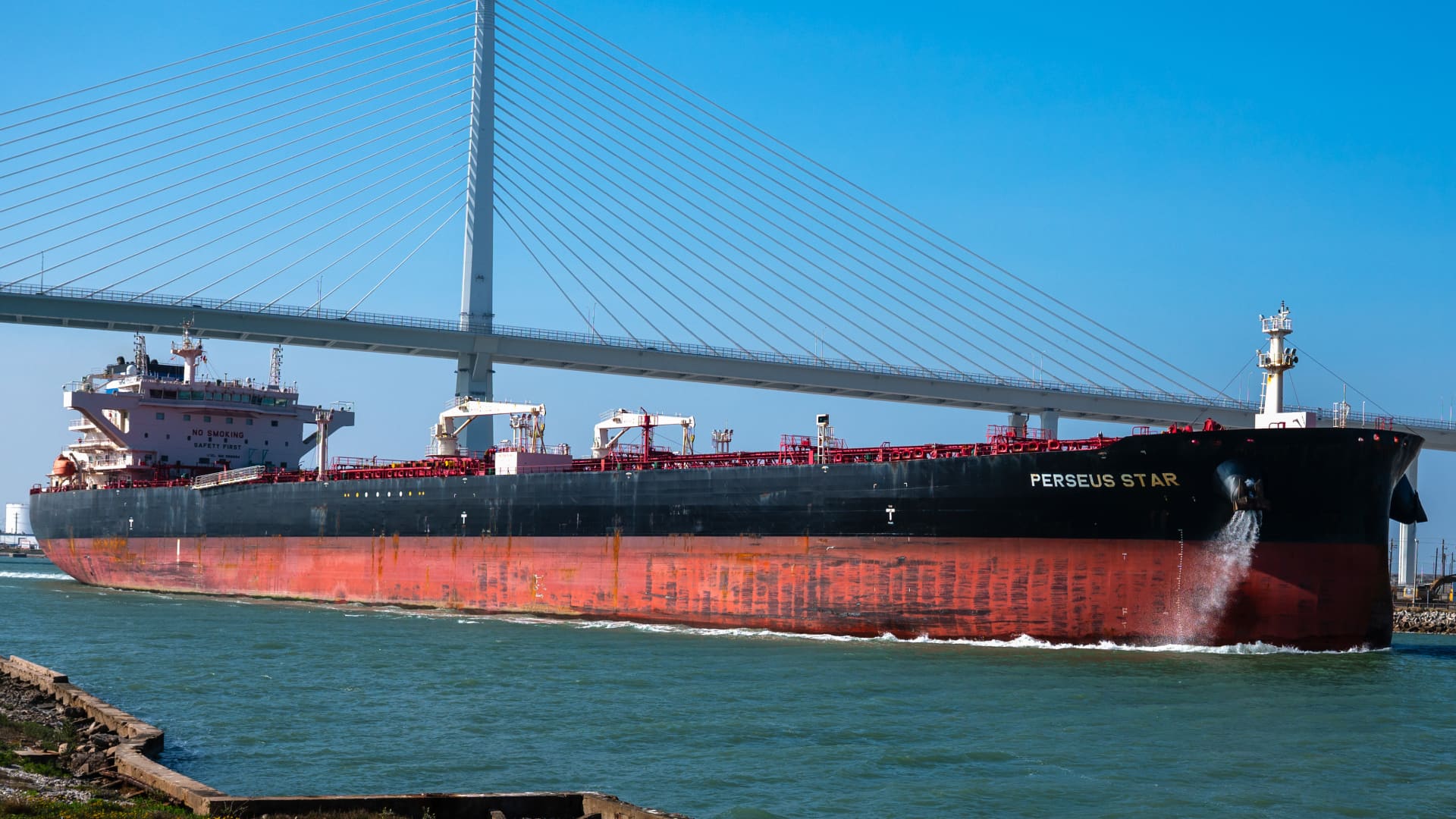
- Shipping Law Waiver: President Trump announced a 60-day waiver of the Jones Act to stabilize the oil market amid the Iran war, allowing vital resources like oil and natural gas to flow freely to U.S. ports, thereby alleviating supply chain pressures.
- Market Reaction: Following the waiver announcement, Brent crude prices surged over 6% to exceed $109 per barrel, while U.S. oil prices rose 2.95% to $99.05 per barrel, indicating a positive market response to the stabilization of supply chains.
- Policy Background: The Jones Act, enacted in 1920, mandates that goods transported between U.S. ports must be carried by U.S. vessels; this waiver challenges the protectionist nature of the law, reflecting economists' criticisms that it hinders domestic trade.
- Supply Chain Commitment: The White House press secretary stated that the Trump administration is committed to strengthening critical supply chains, indicating a desire to ensure energy supply stability amid attacks on global energy infrastructure.
See More

Israel Assassinated Iran's Intelligence Minister in Targeted Strike


- High-Ranking Officials Targeted: The Israeli Defense Forces reported the assassination of Iran's Intelligence Minister Esmail Khatib in Tehran, marking the third high-ranking official killed in just two days, highlighting the severe internal security situation in Iran.
- Role in Protests: Khatib played a significant role during recent protests, including the arrest and killing of demonstrators, which may further tarnish Iran's international reputation and provoke additional sanctions.
- Iran's Retaliatory Actions: Following Khatib's death, Iran retaliated by attacking its Gulf neighbors and targeting ships in the strategically vital Strait of Hormuz, escalating tensions in the region.
- Assassination of Security Officials: Prior to Khatib's assassination, Iran's top security official Ali Larijani and his aides were also killed, indicating Israel's ongoing campaign against Iranian leadership, which could lead to instability within the Iranian government.
See More
Surging Oil Prices Drive Increased Cash Flow for Companies
- Oil Price Surge: WTI crude oil prices have skyrocketed from $57 at the beginning of the year to $95, marking a nearly 65% increase, while Brent crude has also surpassed $100, leading U.S. oil companies to anticipate over $60 billion in additional revenue, significantly enhancing industry profitability.
- Supply Chain Strain: The tensions with Iran have disrupted oil supply, with about 20% of global supplies flowing through the Strait of Hormuz; if this situation persists, crude prices could rise further, presenting greater revenue potential for oil companies.
- Capital Expenditure Plans: Despite Diamondback Energy's plan to invest between $3.6 billion and $3.9 billion to maintain production, the surge in oil prices positions the company to generate over $6.7 billion in free cash flow, showcasing its enhanced profitability in a high-price environment.
- Unexpected Cash Flow Increase: Chevron expects to generate $12.5 billion in additional free cash flow at an average oil price of $70, with every $1 increase in oil prices impacting its annual earnings by $600 million, indicating that rising prices will further boost its cash flow and shareholder returns.
See More
Surging Oil Prices Lead to Unexpected Cash Windfall
- Oil Price Surge: The war with Iran has caused WTI crude prices to soar from $57 at the beginning of the year to $95, a nearly 65% increase, leading U.S. oil companies to anticipate over $60 billion in additional revenue, significantly enhancing industry profitability.
- Capital Spending Plans: Many oil companies set conservative capital spending plans anticipating low oil prices; for instance, Diamondback Energy plans to invest between $3.6 billion and $3.9 billion this year, expecting to generate over $6.7 billion in free cash flow if oil averages $80, thereby increasing financial flexibility.
- Chevron's Cash Flow: Chevron expects to generate $12.5 billion in additional free cash flow if oil averages $70, with every $1 change in oil prices impacting its full-year earnings and cash flow by $600 million, indicating that rising prices will further boost its cash flow performance.
- Occidental's Conservative Strategy: Occidental Petroleum plans to cut capital spending by $550 million to a range of $5.5 billion to $5.9 billion, yet the surge in oil prices positions it to generate over $1.2 billion in additional free cash flow this year, showcasing its profit potential in a high-price environment.
See More
Energy Stocks Offer Stable Dividend Potential
- Oneok's Growth Potential: As a leading U.S. pipeline company, Oneok (OKE) transports and stores oil and gas products through over 60,000 miles of pipelines, with natural gas and liquids expected to account for 72% of profits by 2026, offering a current dividend yield of 5% and a management target of 3% to 4% annual growth.
- Chevron's Resilience: Chevron (CVX) expects production to grow by 2% to 3% annually through 2030 after closing its Hess acquisition, with projected free cash flow growth of 10% even at Brent oil prices of $70, and a current dividend yield of 3.7%, showcasing strong risk management capabilities.
- Kinder Morgan's Infrastructure Advantage: Kinder Morgan (KMI) is one of North America's largest energy infrastructure companies, operating over 78,000 miles of pipelines and transporting approximately 40% of domestic natural gas, with a current dividend yield of 3.5% and a $10 billion project backlog focused on natural gas power generation and LNG exports.
- Constellation Energy's Nuclear Outlook: Constellation Energy (CEG) operates the largest fleet of nuclear power plants in the U.S., with a capacity of about 22 gigawatts, and analysts project a 15% annual earnings growth over the next three to five years, despite a current dividend yield of just over 0.5%, indicating significant future growth potential to meet rising electricity demands.
See More
Energy Companies Show Promising Income Prospects
- Oneok Growth Potential: As a leading U.S. pipeline company, Oneok transports and stores oil and gas products through over 60,000 miles of pipelines, with management estimating that natural gas and liquids will account for 72% of profits by 2026, targeting annual growth of 3% to 4%, which will drive future dividend increases.
- Chevron Acquisition Impact: Following Chevron's acquisition of Hess, production is expected to grow by 2% to 3% annually through 2030, with projected free cash flow growth of 10% annually even at Brent prices of $70, demonstrating resilience in economic fluctuations, while the current dividend yield stands at 3.7%.
- Kinder Morgan Development Plans: Kinder Morgan operates over 78,000 miles of pipelines and 136 terminals, transporting approximately 40% of domestic natural gas, with a $10 billion project backlog, 90% of which is related to natural gas power generation and LNG exports, and a current dividend yield of 3.5%.
- Constellation Energy Growth Outlook: As the largest nuclear power plant operator in the U.S., Constellation Energy has about 22 gigawatts of capacity, with analysts forecasting 15% annual earnings growth over the next three to five years, and despite a current dividend yield of just 0.5%, significant growth is expected over the next decade, attracting long-term investors.
See More
Trump Temporarily Waives U.S. Shipping Law to Stabilize Oil Market
- Shipping Law Waiver: President Trump announced a 60-day waiver of the Jones Act to stabilize the oil market amid the Iran war, allowing vital resources like oil and natural gas to flow freely to U.S. ports, thereby alleviating supply chain pressures.
- Market Reaction: Following the waiver announcement, Brent crude prices surged over 6% to exceed $109 per barrel, while U.S. oil prices rose 2.95% to $99.05 per barrel, indicating a positive market response to the stabilization of supply chains.
- Policy Background: The Jones Act, enacted in 1920, mandates that goods transported between U.S. ports must be carried by U.S. vessels; this waiver challenges the protectionist nature of the law, reflecting economists' criticisms that it hinders domestic trade.
- Supply Chain Commitment: The White House press secretary stated that the Trump administration is committed to strengthening critical supply chains, indicating a desire to ensure energy supply stability amid attacks on global energy infrastructure.
See More
Israel Assassinated Iran's Intelligence Minister in Targeted Strike
- High-Ranking Officials Targeted: The Israeli Defense Forces reported the assassination of Iran's Intelligence Minister Esmail Khatib in Tehran, marking the third high-ranking official killed in just two days, highlighting the severe internal security situation in Iran.
- Role in Protests: Khatib played a significant role during recent protests, including the arrest and killing of demonstrators, which may further tarnish Iran's international reputation and provoke additional sanctions.
- Iran's Retaliatory Actions: Following Khatib's death, Iran retaliated by attacking its Gulf neighbors and targeting ships in the strategically vital Strait of Hormuz, escalating tensions in the region.
- Assassination of Security Officials: Prior to Khatib's assassination, Iran's top security official Ali Larijani and his aides were also killed, indicating Israel's ongoing campaign against Iranian leadership, which could lead to instability within the Iranian government.
See More