Energy Executives Warn of Middle East War Impact
- Oil Supply Crisis: CEOs of major energy companies warned at S&P Global's CERAWeek that the Iran war has disrupted 8 million barrels of oil and 20% of the LNG market daily, potentially leading to fuel shortages in Asia and Europe, severely impacting the global economy.
- Market Reaction Lag: ConocoPhillips CEO Ryan Lance noted that the market is not reflecting the scale of the supply disruption, with oil prices likely to remain high at $99.64 per barrel even after the conflict ends, as countries will need to restock depleted reserves.
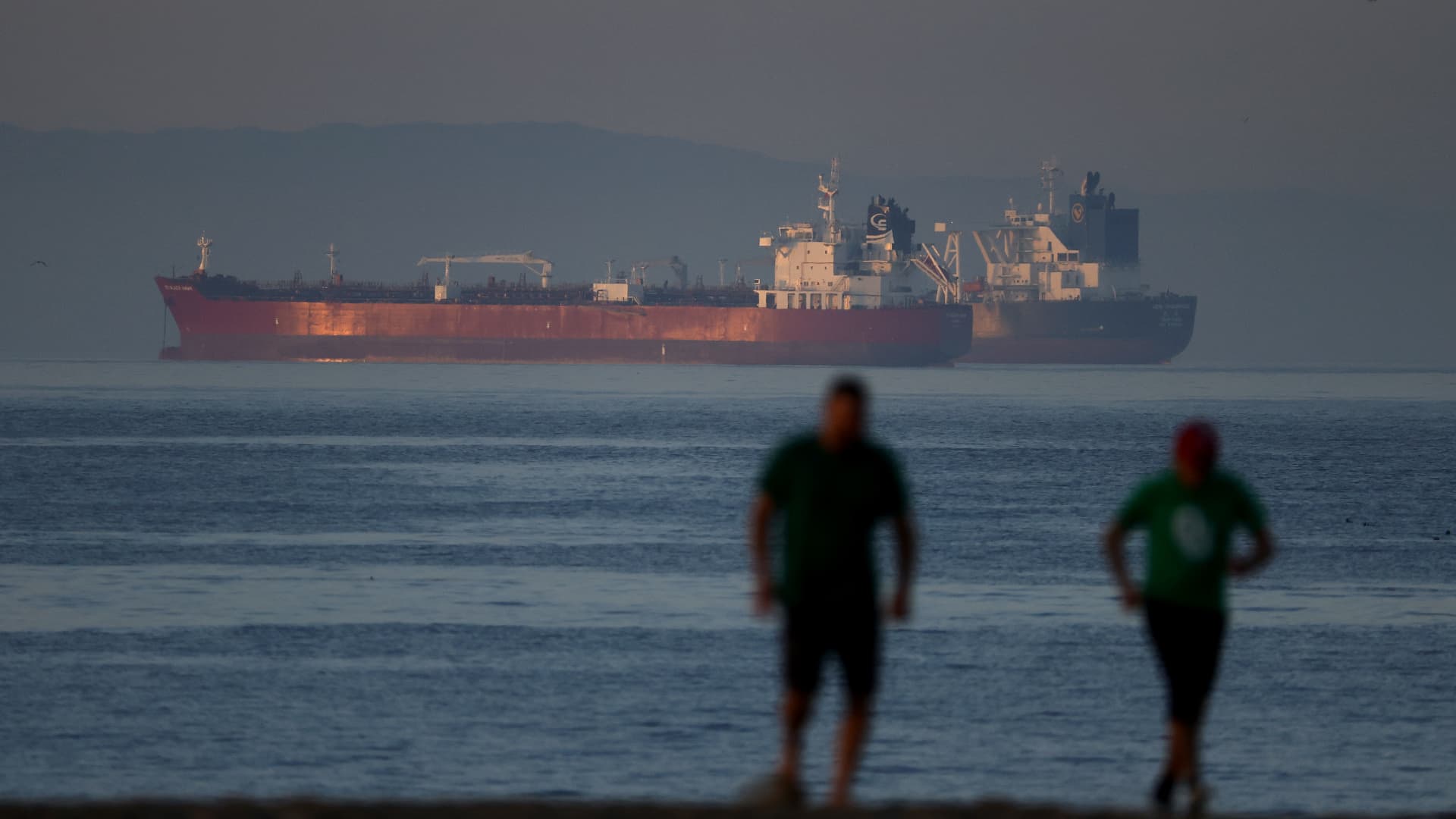
- Geopolitical Risks Escalate: Kuwait Petroleum CEO Sheikh Nawaf al-Sabah stated that Iran's blockade of the Strait of Hormuz is not only an attack on Gulf nations but poses a threat to the global economy, potentially causing a domino effect throughout the supply chain.
- Fuel Shortages Spread: Shell CEO Wael Sawan highlighted that jet fuel and diesel prices have surged to $200 and $160 per barrel respectively, with the crisis expected to impact major Asian economies and reach Europe by April, prompting governments to stockpile and protect their supplies.
Trade with 70% Backtested Accuracy
Analyst Views on SHEL

About SHEL
About the author

Energy Executives Warn of Middle East War Impact
- Oil Supply Crisis: CEOs of major energy companies warned at S&P Global's CERAWeek that the Iran war has disrupted 8 million barrels of oil and 20% of the LNG market daily, potentially leading to fuel shortages in Asia and Europe, severely impacting the global economy.
- Market Reaction Lag: ConocoPhillips CEO Ryan Lance noted that the market is not reflecting the scale of the supply disruption, with oil prices likely to remain high at $99.64 per barrel even after the conflict ends, as countries will need to restock depleted reserves.
- Geopolitical Risks Escalate: Kuwait Petroleum CEO Sheikh Nawaf al-Sabah stated that Iran's blockade of the Strait of Hormuz is not only an attack on Gulf nations but poses a threat to the global economy, potentially causing a domino effect throughout the supply chain.
- Fuel Shortages Spread: Shell CEO Wael Sawan highlighted that jet fuel and diesel prices have surged to $200 and $160 per barrel respectively, with the crisis expected to impact major Asian economies and reach Europe by April, prompting governments to stockpile and protect their supplies.

European Economy Faces Energy-Driven Inflation Challenges

- Energy-Driven Inflation Pressure: The war with Iran has intensified macro uncertainty, leading UBS to predict that Europe will face new energy-driven inflation, with consumer prices remaining elevated and real incomes under pressure, despite a full-scale recession not being the base case.
- Risk of Growth Slowdown: Analysts warn that the duration of current maritime disruptions will determine whether Europe faces a shallow slowdown or deeper stagnation, with GDP growth expected to modestly slow as private consumption and corporate investment are deferred.
- Urgency of Policy Response: A prolonged closure of the Strait of Hormuz would likely push inflation significantly higher, forcing central banks to maintain a restrictive policy stance longer than anticipated, which will compress margins for debt-heavy sectors and energy-intensive manufacturing.
- Strategic Investor Adjustments: UBS advises institutional investors to adopt selective de-risking strategies in the uncertain environment, focusing on

Shell plc Announces Share Buyback Transactions
- Share Buyback Volume: On March 27, 2026, Shell plc repurchased 459,772 shares at a highest price of £34.80 and a lowest price of £34.28, with a volume-weighted average price of £34.55, indicating the company's stability amid market fluctuations.
- Diverse Trading Venues: The buyback occurred across multiple trading venues, including LSE, Chi-X, and BATS, demonstrating the company's strategic flexibility in optimizing its repurchase strategy across different markets.
- Background of Buyback Program: This share repurchase is part of a buyback program announced on February 5, 2026, aimed at enhancing shareholder value and boosting market confidence, which is expected to have a positive impact on the stock price.
- Compliance and Regulation: Shell's buyback activities comply with Chapter 9 of the UK Listing Rules and the Market Abuse Regulation, ensuring all transactions meet regulatory requirements, thereby reducing legal risks and enhancing investor trust.

DFIV Stock Price Analysis and ETF Dynamics
- Price Fluctuation Analysis: DFIV's 52-week low is $34.28 and high is $56.315, with the current trading price at $51.47, indicating price volatility within this range that may influence investor buying decisions.
- Technical Analysis Tool: Comparing the current stock price to the 200-day moving average can provide valuable insights for investors, helping to assess market trends and potential buying opportunities.
- ETF Trading Mechanism: ETFs trade similarly to stocks, where investors are buying and selling 'units' that can be created or destroyed based on demand, impacting the liquidity and market performance of the ETF.
- Inflows and Outflows Monitoring: Weekly monitoring of changes in ETF shares outstanding focuses on notable inflows (new units created) or outflows (old units destroyed), as these changes can affect the performance of the individual stocks held within the ETF.
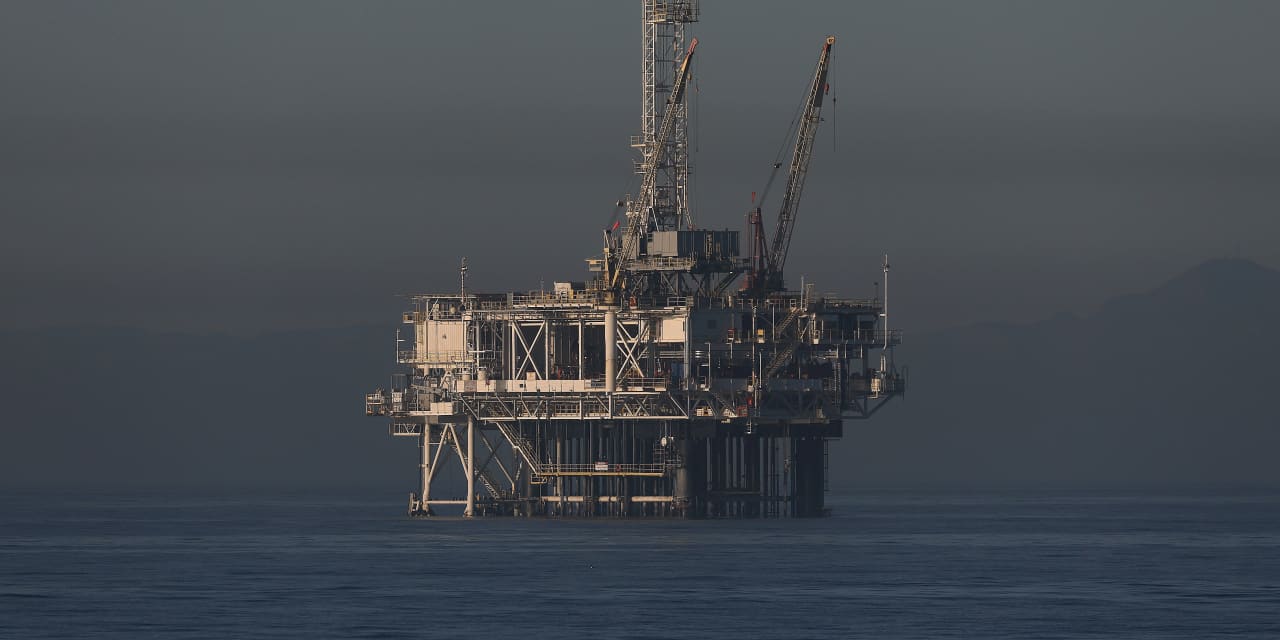
Iran Conflict and U.S. Shale Production Surge Prompt Oil Giants to Explore Distant Markets

- Oil and Gas Companies' Strategy: Companies in the oil and gas sector are increasingly looking for new opportunities beyond the U.S. market.
- Impact of Global Events: The ongoing war in Iran is expected to further accelerate the search for resources in distant regions.

IRAN STICKS TO HARDLINE POSITION—WAR WILL PERSIST, DISMISSES U.S. TIMELINE, RESPONDS COLDLY TO PROPOSAL, AND ASSERTS SOVEREIGNTY OVER THE STRAIT OF HORMUZ.


Iran's Stance on War: Iran maintains a hardline stance regarding ongoing conflicts, indicating that war will continue despite external pressures.
Rejection of U.S. Proposals: The Iranian government has rejected the U.S. timeline for negotiations and proposals related to regional security.
Response to U.S. Actions: Iran's leadership has issued a lukewarm response to U.S. proposals, signaling a lack of interest in compromise.
Demand for Sovereignty: Iran emphasizes its demand for sovereignty over the Strait of Hormuz, asserting its rights in the region amidst international tensions.
Energy Executives Warn of Middle East War Impact
- Oil Supply Crisis: CEOs of major energy companies warned at S&P Global's CERAWeek that the Iran war has disrupted 8 million barrels of oil and 20% of the LNG market daily, potentially leading to fuel shortages in Asia and Europe, severely impacting the global economy.
- Market Reaction Lag: ConocoPhillips CEO Ryan Lance noted that the market is not reflecting the scale of the supply disruption, with oil prices likely to remain high at $99.64 per barrel even after the conflict ends, as countries will need to restock depleted reserves.
- Geopolitical Risks Escalate: Kuwait Petroleum CEO Sheikh Nawaf al-Sabah stated that Iran's blockade of the Strait of Hormuz is not only an attack on Gulf nations but poses a threat to the global economy, potentially causing a domino effect throughout the supply chain.
- Fuel Shortages Spread: Shell CEO Wael Sawan highlighted that jet fuel and diesel prices have surged to $200 and $160 per barrel respectively, with the crisis expected to impact major Asian economies and reach Europe by April, prompting governments to stockpile and protect their supplies.
European Economy Faces Energy-Driven Inflation Challenges
- Energy-Driven Inflation Pressure: The war with Iran has intensified macro uncertainty, leading UBS to predict that Europe will face new energy-driven inflation, with consumer prices remaining elevated and real incomes under pressure, despite a full-scale recession not being the base case.
- Risk of Growth Slowdown: Analysts warn that the duration of current maritime disruptions will determine whether Europe faces a shallow slowdown or deeper stagnation, with GDP growth expected to modestly slow as private consumption and corporate investment are deferred.
- Urgency of Policy Response: A prolonged closure of the Strait of Hormuz would likely push inflation significantly higher, forcing central banks to maintain a restrictive policy stance longer than anticipated, which will compress margins for debt-heavy sectors and energy-intensive manufacturing.
- Strategic Investor Adjustments: UBS advises institutional investors to adopt selective de-risking strategies in the uncertain environment, focusing on
Shell plc Announces Share Buyback Transactions
- Share Buyback Volume: On March 27, 2026, Shell plc repurchased 459,772 shares at a highest price of £34.80 and a lowest price of £34.28, with a volume-weighted average price of £34.55, indicating the company's stability amid market fluctuations.
- Diverse Trading Venues: The buyback occurred across multiple trading venues, including LSE, Chi-X, and BATS, demonstrating the company's strategic flexibility in optimizing its repurchase strategy across different markets.
- Background of Buyback Program: This share repurchase is part of a buyback program announced on February 5, 2026, aimed at enhancing shareholder value and boosting market confidence, which is expected to have a positive impact on the stock price.
- Compliance and Regulation: Shell's buyback activities comply with Chapter 9 of the UK Listing Rules and the Market Abuse Regulation, ensuring all transactions meet regulatory requirements, thereby reducing legal risks and enhancing investor trust.
DFIV Stock Price Analysis and ETF Dynamics
- Price Fluctuation Analysis: DFIV's 52-week low is $34.28 and high is $56.315, with the current trading price at $51.47, indicating price volatility within this range that may influence investor buying decisions.
- Technical Analysis Tool: Comparing the current stock price to the 200-day moving average can provide valuable insights for investors, helping to assess market trends and potential buying opportunities.
- ETF Trading Mechanism: ETFs trade similarly to stocks, where investors are buying and selling 'units' that can be created or destroyed based on demand, impacting the liquidity and market performance of the ETF.
- Inflows and Outflows Monitoring: Weekly monitoring of changes in ETF shares outstanding focuses on notable inflows (new units created) or outflows (old units destroyed), as these changes can affect the performance of the individual stocks held within the ETF.
Iran Conflict and U.S. Shale Production Surge Prompt Oil Giants to Explore Distant Markets
- Oil and Gas Companies' Strategy: Companies in the oil and gas sector are increasingly looking for new opportunities beyond the U.S. market.
- Impact of Global Events: The ongoing war in Iran is expected to further accelerate the search for resources in distant regions.
IRAN STICKS TO HARDLINE POSITION—WAR WILL PERSIST, DISMISSES U.S. TIMELINE, RESPONDS COLDLY TO PROPOSAL, AND ASSERTS SOVEREIGNTY OVER THE STRAIT OF HORMUZ.
Iran's Stance on War: Iran maintains a hardline stance regarding ongoing conflicts, indicating that war will continue despite external pressures.
Rejection of U.S. Proposals: The Iranian government has rejected the U.S. timeline for negotiations and proposals related to regional security.
Response to U.S. Actions: Iran's leadership has issued a lukewarm response to U.S. proposals, signaling a lack of interest in compromise.
Demand for Sovereignty: Iran emphasizes its demand for sovereignty over the Strait of Hormuz, asserting its rights in the region amidst international tensions.