

Elon Musk's Pay Package Reaches $1 Trillion Amid Surge in CEO Compensation
Written by Emily J. Thompson, Senior Investment Analyst
Updated: Jan 24 2026
0mins
Source: CNBC
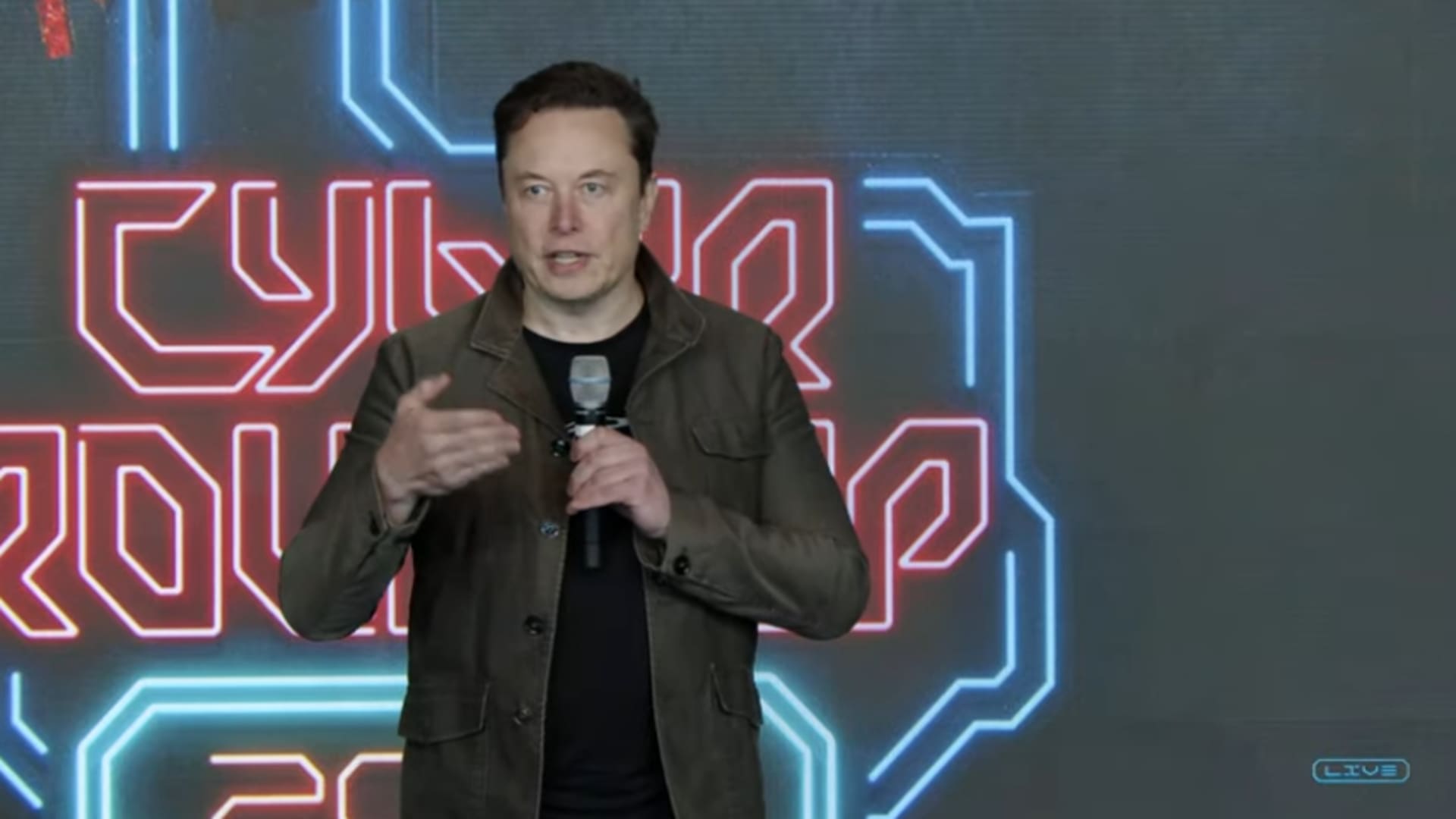
- Pay Package Scale: Elon Musk's new pay package is valued at up to $1 trillion, with potential payouts starting over the next decade, highlighting the ongoing escalation in CEO compensation despite stagnant worker pay, reflecting a close tie between executive pay and shareholder returns.
- Compensation Growth Comparison: Over the past 50 years, top CEO compensation has surged by 1,094%, while typical worker pay has only increased by 26%, with median total compensation for S&P 500 CEOs reaching $17.1 million in 2024, nearly a 10% rise from 2023, indicating a growing income inequality.
- Compensation Structure Shift: In 2024, stock awards accounted for 72% of CEO pay packages, with median values increasing by 15%, indicating a trend where boards increasingly rely on long-term incentives to attract and retain executives, despite questions about the effectiveness of this approach.
- Employee Stock Plans: Some economists advocate for Employee Stock Ownership Plans (ESOPs) to help close the pay gap between employees and CEOs, as studies show that employees participating in ESOPs tend to have better financial security, which in turn enhances company productivity and competitiveness.
Trade with 70% Backtested Accuracy
Stop guessing "Should I Buy TSLA?" and start using high-conviction signals backed by rigorous historical data.
Sign up today to access powerful investing tools and make smarter, data-driven decisions.
Analyst Views on TSLA
Wall Street analysts forecast TSLA stock price to rise
30 Analyst Rating
12 Buy
11 Hold
7 Sell
Hold
Current: 391.000

Low
25.28
Averages
401.93
High
600.00
Current: 391.000
Low
25.28
Averages
401.93
High
600.00
About TSLA
Tesla, Inc. designs, develops, manufactures, sells and leases high-performance fully electric vehicles and energy generation and storage systems, and offers services related to its products. Its segments include automotive, and energy generation and storage. The automotive segment includes the design, development, manufacturing, sales and leasing of high-performance fully electric vehicles, and sales of automotive regulatory credits. It also includes sales of used vehicles, non-warranty maintenance services and collisions, part sales, paid supercharging, insurance services revenue and retail merchandise sales. The energy generation and storage segment include the design, manufacture, installation, sales and leasing of solar energy generation and energy storage products and related services and sales of solar energy systems incentives. Its consumer vehicles include the Model 3, Y, S, X and Cybertruck. Its lithium-ion battery energy storage products include Powerwall and Megapack.
About the author

Emily J. Thompson
Emily J. Thompson, a Chartered Financial Analyst (CFA) with 12 years in investment research, graduated with honors from the Wharton School. Specializing in industrial and technology stocks, she provides in-depth analysis for Intellectia’s earnings and market brief reports.
Tesla Launches Unsupervised Robotaxi Service in Austin

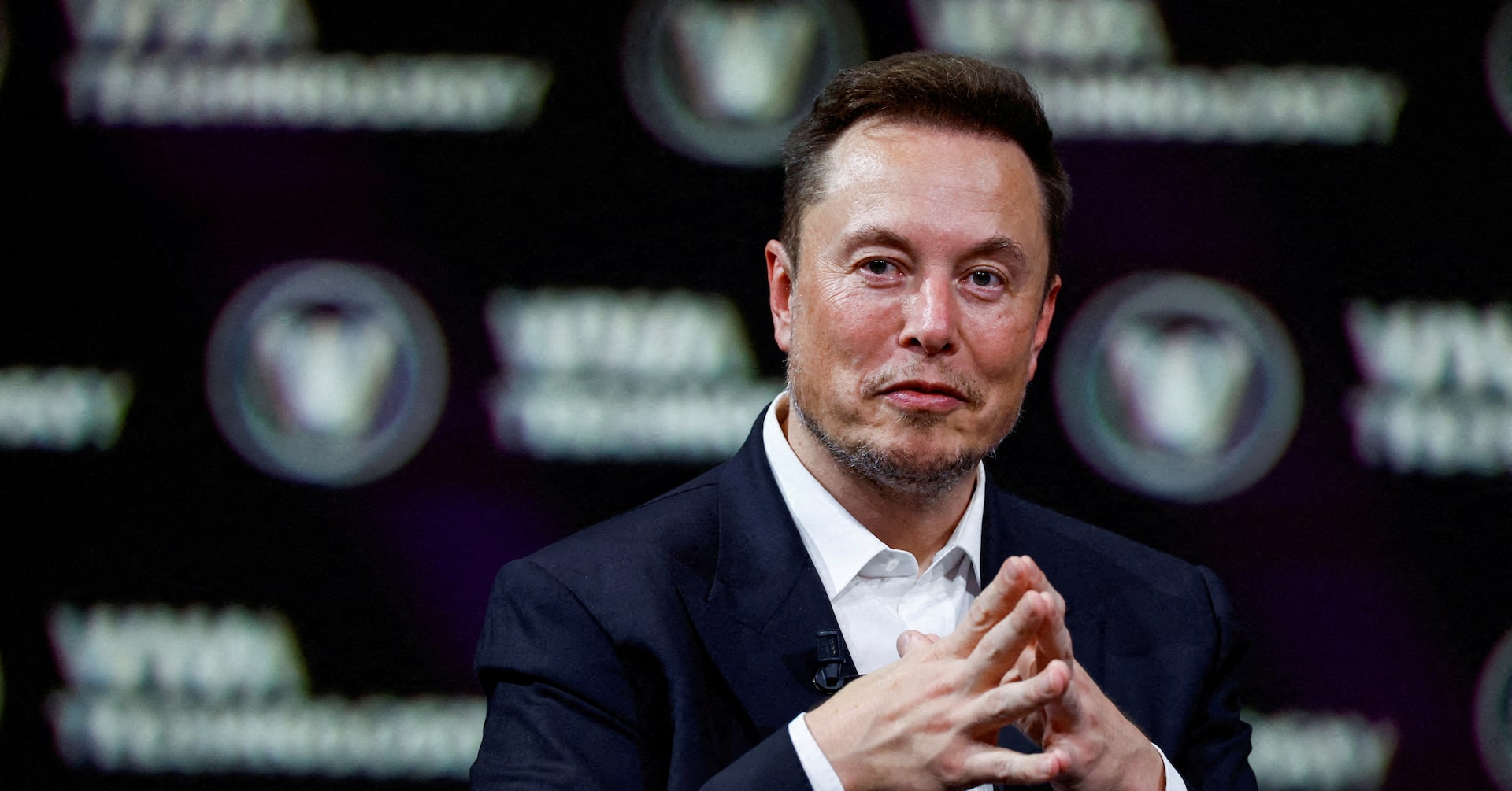
- Robotaxi Service Launch: Tesla's launch of its unsupervised robotaxi service in Austin represents a significant step towards fully autonomous operations, which is expected to enhance future revenue potential and solidify its leadership in the electric vehicle market.
- Sales Recovery in China: According to the China Passenger Car Association, Tesla's retail sales surged 22.5% in May to 47,281 vehicles, breaking a two-month streak of declining sales, indicating a recovery in market demand.
- Stock Price Volatility and Market Reaction: Following the announcement, Tesla's shares rose by 5.5%, although they later cooled to $409.76, still reflecting a 4.8% increase from the previous close, indicating a positive market reaction but not a fundamental shift in perception.
- Analyst Rating Adjustment: JPMorgan upgraded Tesla's rating from Underweight to Neutral, raising the price target by 228% to $475, yet analysts remain cautious about the company's future profitability, noting the lack of genuinely new vehicle launches that could justify its current valuation.
See More

Speculation Grows on SpaceX-Tesla Merger Amid IPO Filing Changes
- Acquisition Speculation: SpaceX's amended S-1 filing suggests the company may be considering significant acquisitions, particularly a merger with Tesla, with market participants betting on an announcement by December, indicating strong investor interest in this potential deal.
- Market Prediction Data: According to Kalshi, the probability of a SpaceX-Tesla merger occurring before March 2027 is 51%, while Polymarket estimates a 41% chance of an announcement by December, reflecting a growing confidence in the merger that could impact future stock performance.
- Synergy Potential: A merger would blend Tesla's expertise in terrestrial AI with SpaceX's orbital capabilities, particularly Starlink satellites and potential space-based data centers, potentially creating a $3.3 trillion entity that advances Musk's vision for an AI ecosystem.
- Regulatory Challenges and Risks: Despite rising market expectations for the merger, the deal would face intense scrutiny from regulatory authorities and require shareholder approval, prompting investors to approach the potential transaction with caution regarding its feasibility and risks.
See More
Trump and Iran Comments Spark Tech Rebound


- Tech Stock Rebound: Comments from President Trump and Iran sparked a shift in market sentiment, leading to a rebound in tech stocks on Monday, indicating a resurgence of investor confidence in the technology sector.
- Major Winners: Micron, Nvidia, and Sandisk emerged as significant winners during the rebound, achieving notable gains in trading, reflecting strong demand for semiconductor and storage solutions in the market.
- Market Sentiment Shift: Trump's remarks may influence investor expectations regarding future policy uncertainties, resulting in short-term volatility in tech stocks, prompting investors to closely monitor subsequent developments.
- Investor Confidence Restoration: This rebound not only enhances the short-term performance of tech stocks but may also provide confidence for future investment decisions, particularly against the backdrop of a global economic recovery.
See More
Analysis of Tesla's Robotaxi Model
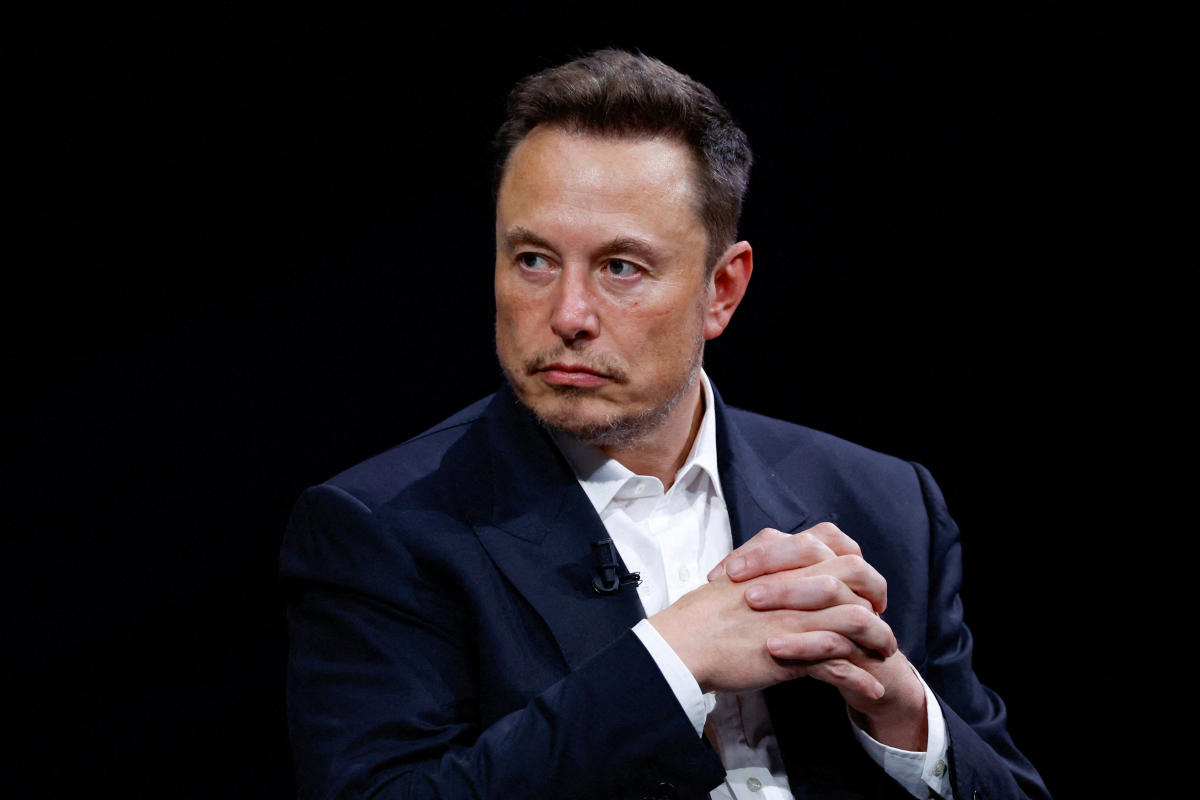
- Incident Reporting: Tesla's Robotaxi fleet in Austin has reported 17 incidents to the NHTSA since its launch in June 2025, with no major injuries, indicating that safety remains a critical concern in the early stages of autonomous driving technology.
- Fine Impact Assessment: ARK Invest's Cathie Wood experienced a $75 parking fine while riding in a fully driverless Tesla during a live stream, which will be incorporated into Tesla's valuation model, highlighting potential costs associated with autonomous operations.
- Market Outlook: ARK predicts that robotaxis will contribute approximately 60% to Tesla's enterprise value and more than half of EBITDA by 2026, supporting its base-case target of $4,600 per share, reflecting strong growth expectations.
- Safety Investigation Escalation: The NHTSA has escalated its investigation into approximately 3.2 million Tesla vehicles to an Engineering Analysis due to nine crashes linked to FSD technology, including one fatality, underscoring the challenges Tesla faces regarding autonomous driving safety.
See More
Eisman Raises Concerns Over SpaceX's IPO and AI Pivot
- High Capital Expenditure Warning: Eisman highlighted that SpaceX's capital expenditures were 42% of revenue in FY 2023, but surged to 215% in Q1 2024 due to heavy AI infrastructure investments, raising concerns about financial strain and future profitability.
- Asteroid Mining Prospects: While SpaceX's prospectus mentions ambitious goals like asteroid mining, Eisman dismissed its near-term viability as “amusing,” which could undermine investor confidence in the company's long-term vision.
- Intense AI Market Competition: Eisman warned that massive investments in large language models have led to a lack of product differentiation and increasing pricing pressures, which could further squeeze margins and impact SpaceX's competitive position in the AI sector.
- Potential Tesla Merger Risks: Eisman expressed skepticism about a potential merger with Tesla, noting the electric vehicle maker's declining earnings in a highly competitive market, suggesting that such a move could threaten the interests of SpaceX shareholders.
See More
SpaceX IPO Sparks Tesla Merger Speculation
- Merger Speculation Intensifies: SpaceX's amended S-1 filing indicates a potential issuance of significant equity for future transactions, which has sparked speculation about a merger with Tesla, potentially altering investor perceptions of both companies.
- Technological Synergy Potential: Tesla's battery technology and manufacturing scale could accelerate SpaceX's rocket production, while SpaceX's orbital infrastructure could enhance connectivity for Tesla's vehicles and humanoid robots, fostering collaborative advancements in artificial intelligence.
- AI-Driven Strategic Integration: A merger would create a closed-loop AI ecosystem where Tesla's terrestrial data and robotics support SpaceX's space-based training models and vice versa, leading to accelerated technological breakthroughs and improved decision-making efficiency.
- Shift in Investor Focus: The updates in SpaceX's S-1 may reflect responses to regulatory feedback, and while a merger is not guaranteed, it opens the door for potential collaboration, prompting investors to reassess their strategies regarding both companies.
See More
Tesla Launches Unsupervised Robotaxi Service in Austin
- Robotaxi Service Launch: Tesla's launch of its unsupervised robotaxi service in Austin represents a significant step towards fully autonomous operations, which is expected to enhance future revenue potential and solidify its leadership in the electric vehicle market.
- Sales Recovery in China: According to the China Passenger Car Association, Tesla's retail sales surged 22.5% in May to 47,281 vehicles, breaking a two-month streak of declining sales, indicating a recovery in market demand.
- Stock Price Volatility and Market Reaction: Following the announcement, Tesla's shares rose by 5.5%, although they later cooled to $409.76, still reflecting a 4.8% increase from the previous close, indicating a positive market reaction but not a fundamental shift in perception.
- Analyst Rating Adjustment: JPMorgan upgraded Tesla's rating from Underweight to Neutral, raising the price target by 228% to $475, yet analysts remain cautious about the company's future profitability, noting the lack of genuinely new vehicle launches that could justify its current valuation.
See More
Speculation Grows on SpaceX-Tesla Merger Amid IPO Filing Changes
- Acquisition Speculation: SpaceX's amended S-1 filing suggests the company may be considering significant acquisitions, particularly a merger with Tesla, with market participants betting on an announcement by December, indicating strong investor interest in this potential deal.
- Market Prediction Data: According to Kalshi, the probability of a SpaceX-Tesla merger occurring before March 2027 is 51%, while Polymarket estimates a 41% chance of an announcement by December, reflecting a growing confidence in the merger that could impact future stock performance.
- Synergy Potential: A merger would blend Tesla's expertise in terrestrial AI with SpaceX's orbital capabilities, particularly Starlink satellites and potential space-based data centers, potentially creating a $3.3 trillion entity that advances Musk's vision for an AI ecosystem.
- Regulatory Challenges and Risks: Despite rising market expectations for the merger, the deal would face intense scrutiny from regulatory authorities and require shareholder approval, prompting investors to approach the potential transaction with caution regarding its feasibility and risks.
See More
Trump and Iran Comments Spark Tech Rebound
- Tech Stock Rebound: Comments from President Trump and Iran sparked a shift in market sentiment, leading to a rebound in tech stocks on Monday, indicating a resurgence of investor confidence in the technology sector.
- Major Winners: Micron, Nvidia, and Sandisk emerged as significant winners during the rebound, achieving notable gains in trading, reflecting strong demand for semiconductor and storage solutions in the market.
- Market Sentiment Shift: Trump's remarks may influence investor expectations regarding future policy uncertainties, resulting in short-term volatility in tech stocks, prompting investors to closely monitor subsequent developments.
- Investor Confidence Restoration: This rebound not only enhances the short-term performance of tech stocks but may also provide confidence for future investment decisions, particularly against the backdrop of a global economic recovery.
See More
Analysis of Tesla's Robotaxi Model
- Incident Reporting: Tesla's Robotaxi fleet in Austin has reported 17 incidents to the NHTSA since its launch in June 2025, with no major injuries, indicating that safety remains a critical concern in the early stages of autonomous driving technology.
- Fine Impact Assessment: ARK Invest's Cathie Wood experienced a $75 parking fine while riding in a fully driverless Tesla during a live stream, which will be incorporated into Tesla's valuation model, highlighting potential costs associated with autonomous operations.
- Market Outlook: ARK predicts that robotaxis will contribute approximately 60% to Tesla's enterprise value and more than half of EBITDA by 2026, supporting its base-case target of $4,600 per share, reflecting strong growth expectations.
- Safety Investigation Escalation: The NHTSA has escalated its investigation into approximately 3.2 million Tesla vehicles to an Engineering Analysis due to nine crashes linked to FSD technology, including one fatality, underscoring the challenges Tesla faces regarding autonomous driving safety.
See More
Eisman Raises Concerns Over SpaceX's IPO and AI Pivot
- High Capital Expenditure Warning: Eisman highlighted that SpaceX's capital expenditures were 42% of revenue in FY 2023, but surged to 215% in Q1 2024 due to heavy AI infrastructure investments, raising concerns about financial strain and future profitability.
- Asteroid Mining Prospects: While SpaceX's prospectus mentions ambitious goals like asteroid mining, Eisman dismissed its near-term viability as “amusing,” which could undermine investor confidence in the company's long-term vision.
- Intense AI Market Competition: Eisman warned that massive investments in large language models have led to a lack of product differentiation and increasing pricing pressures, which could further squeeze margins and impact SpaceX's competitive position in the AI sector.
- Potential Tesla Merger Risks: Eisman expressed skepticism about a potential merger with Tesla, noting the electric vehicle maker's declining earnings in a highly competitive market, suggesting that such a move could threaten the interests of SpaceX shareholders.
See More
SpaceX IPO Sparks Tesla Merger Speculation
- Merger Speculation Intensifies: SpaceX's amended S-1 filing indicates a potential issuance of significant equity for future transactions, which has sparked speculation about a merger with Tesla, potentially altering investor perceptions of both companies.
- Technological Synergy Potential: Tesla's battery technology and manufacturing scale could accelerate SpaceX's rocket production, while SpaceX's orbital infrastructure could enhance connectivity for Tesla's vehicles and humanoid robots, fostering collaborative advancements in artificial intelligence.
- AI-Driven Strategic Integration: A merger would create a closed-loop AI ecosystem where Tesla's terrestrial data and robotics support SpaceX's space-based training models and vice versa, leading to accelerated technological breakthroughs and improved decision-making efficiency.
- Shift in Investor Focus: The updates in SpaceX's S-1 may reflect responses to regulatory feedback, and while a merger is not guaranteed, it opens the door for potential collaboration, prompting investors to reassess their strategies regarding both companies.
See More





