Eli Lilly's Growing Drug Portfolio Boosts Sales Beyond GLP-1


Eli Lilly's Stock Performance: Eli Lilly's stock reached over $1000 per share for the first time, driven by the success of its GLP-1 drugs, Mounjaro and Zepbound, and is approaching a $1 trillion market cap.
New Drug Approvals and Revenue Growth: The company has gained approvals for several new drugs, including Omvoh and Jaypirca, contributing significantly to revenue growth, with expectations for continued sales increases from these products in 2026.
M&A Strategy for Long-Term Growth: To diversify its portfolio beyond GLP-1 drugs, Lilly is pursuing mergers and acquisitions, including the recent agreement to acquire Adverum Biotechnologies, which will enhance its pipeline with gene therapies.
Competitive Landscape and Valuation: While Lilly's stock has outperformed the industry, it is considered expensive based on its price/earnings ratio, and analysts have raised earnings estimates for 2025 and 2026, indicating positive market sentiment.
Trade with 70% Backtested Accuracy
Analyst Views on LLY

About LLY
About the author


Eli Lilly to Announce Q1 2026 Financial Results
- Earnings Announcement Date: Eli Lilly is set to release its Q1 2026 financial results on April 30, 2026, reflecting the company's ongoing commitment to transparency and investor communication.
- Conference Call Details: On the same day, Lilly will conduct a conference call at 10 a.m. Eastern Time to provide detailed insights into its financial performance, aimed at bolstering market confidence.
- Live Webcast Availability: Investors, media, and the general public can access a live webcast of the conference call through a link on Lilly's website, ensuring broad dissemination of information and transparency.
- Replay Feature: Following the call, a replay will be available on the website, further enhancing accessibility to information and aiding investors in understanding the company's financial status.
Positive Phase 3 Results for Foundayo in Diabetes Treatment
- Cardiovascular Event Risk Reduction: In a study involving over 2,700 adults with type 2 diabetes, patients taking Foundayo experienced a 16% lower risk of major adverse cardiovascular events compared to those on insulin glargine, indicating Foundayo's significant advantage in cardiovascular safety, which may attract more patients to choose this medication.
- Significant Mortality Risk Reduction: A pre-planned analysis revealed that patients on Foundayo had a 57% lower risk of death from any cause compared to those on insulin glargine, further enhancing Foundayo's appeal as a diabetes treatment and potentially increasing its market acceptance.
- FDA Submission Plans: Based on the trial results, Eli Lilly plans to submit an application for Foundayo's approval to the FDA by the end of Q2, which, if approved, could open new market opportunities for the company in diabetes treatment and strengthen its product portfolio.
- Market Competition Dynamics: Despite the positive clinical results for Foundayo, retail investor sentiment towards Eli Lilly remains bearish, likely due to intense competition in the weight-loss drug market, particularly from Novo Nordisk, which may affect investor confidence in the company's future performance.
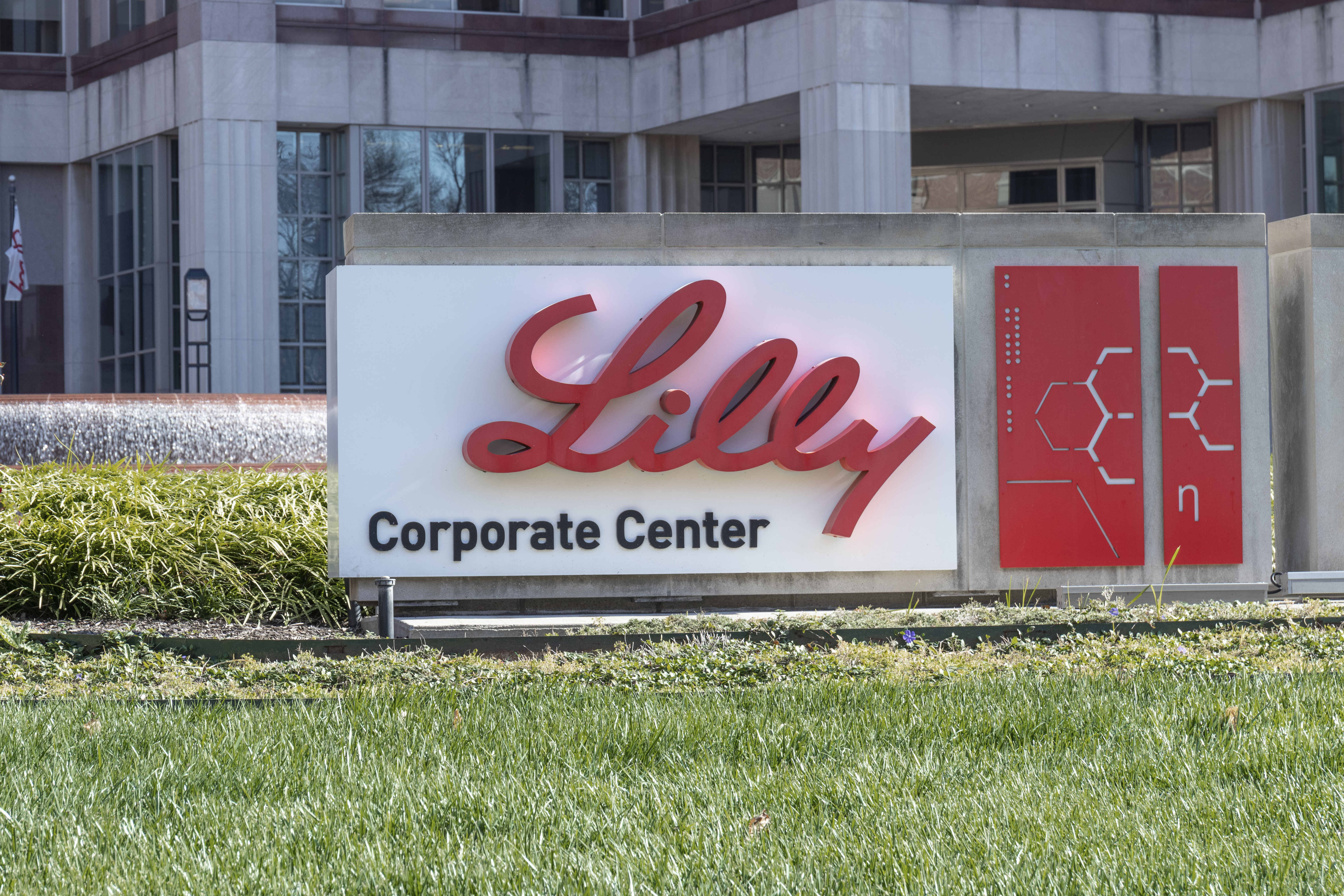
Eli Lilly's Foundayo Prescriptions Surge Post Launch
- Prescription Surge: Eli Lilly's new weight loss pill, Foundayo, saw prescriptions reach 1,390 for the week ending April 10, indicating a strong market response since its launch earlier this month, reflecting consumer acceptance of the new therapy.
- Competitor Performance: In contrast, Novo Nordisk's Wegovy approached 113,354 prescriptions during the same week, up from 105,366 the previous week, highlighting the sustained demand for GLP-1 drugs and intensifying competition in the market.
- FDA Approval Impact: Foundayo received FDA approval on April 1 as a once-daily treatment for obese or overweight adults, quickly accepting prescriptions through LillyDirect, showcasing the company's rapid market response capabilities.
- Market Outlook: With the launch of Foundayo, Eli Lilly significantly enhances its competitive position in the GLP-1 market, expected to challenge Novo Nordisk's market share and drive further growth in the overall weight loss drug market.

Viking Therapeutics: A Potential Obesity Market Leader
- Surging Market Demand: The obesity treatment sector is experiencing explosive demand, with projections suggesting a market size nearing $100 billion by the decade's end, positioning Viking Therapeutics as a potential beneficiary of significant revenue opportunities.
- Clinical Trial Progress: Viking's VK2735 injectable is currently in phase 3 trials, having completed enrollment ahead of schedule, indicating strong patient interest; successful trial outcomes could pave the way for commercialization and revenue generation.
- Competitive Edge: As a GLP-1 class drug, Viking's candidate could provide a competitive alternative to existing products from Lilly and Novo, potentially capturing market share and generating substantial income if it successfully enters the market.
- Investment Return Potential: Although Viking has yet to achieve profitability, its stock surged 121% on positive phase 2 news, highlighting its volatility; continued positive developments could yield significant returns for investors in the future.

Viking Therapeutics Targets Billion-Dollar Obesity Market
- Clinical Trial Progress: Viking Therapeutics' VK2735 injectable is currently in a phase 3 trial that completed enrollment ahead of schedule, indicating strong market demand for this potential new drug, which could secure a foothold in the obesity drug market if successful.
- Massive Market Potential: The obesity drug market is projected to approach $100 billion by 2030, and if Viking's products are successfully commercialized, the company could capture a significant share of this lucrative market, driving substantial growth.
- Competitive Landscape Analysis: With Eli Lilly and Novo Nordisk currently dominating the market, Viking's promising clinical candidates could generate considerable revenue if they reach commercialization, thereby enhancing the company's competitive position.
- Investor Attention: Although Viking's stock surged 121% in early 2024 due to positive news, caution is warranted as investors should closely monitor the ongoing developments in its obesity program to assess long-term investment potential.

Three Biotech Companies Worth Watching

- Krystal Biotech's Breakthrough: In 2023, Krystal Biotech received approval for Vyjuvek, a gene therapy for Dystrophic Epidermolysis Bullosa, achieving $389.1 million in revenue, a 34% year-over-year increase, indicating strong market potential in rare diseases.
- Madrigal Pharmaceuticals' FDA Approval: In 2024, Madrigal gained FDA approval for Rezdiffra, the first drug for metabolic dysfunction-associated steatohepatitis, with 2025 revenue reaching $958.4 million, a staggering 432% increase, showcasing robust growth in an emerging market.
- Exelixis' Oncology Innovations: Exelixis' Cabometyx remains the leading treatment for liver and kidney cancers, with no generic competition expected until 2030, while the company plans to launch several next-gen cancer therapies in the next five years, further solidifying its market position.
- Significant Market Potential: The combination of innovation and market demand in these three companies suggests that their stocks could yield substantial returns in the future, particularly in the ongoing developments within rare diseases and oncology.
Eli Lilly to Announce Q1 2026 Financial Results
- Earnings Announcement Date: Eli Lilly is set to release its Q1 2026 financial results on April 30, 2026, reflecting the company's ongoing commitment to transparency and investor communication.
- Conference Call Details: On the same day, Lilly will conduct a conference call at 10 a.m. Eastern Time to provide detailed insights into its financial performance, aimed at bolstering market confidence.
- Live Webcast Availability: Investors, media, and the general public can access a live webcast of the conference call through a link on Lilly's website, ensuring broad dissemination of information and transparency.
- Replay Feature: Following the call, a replay will be available on the website, further enhancing accessibility to information and aiding investors in understanding the company's financial status.
Positive Phase 3 Results for Foundayo in Diabetes Treatment
- Cardiovascular Event Risk Reduction: In a study involving over 2,700 adults with type 2 diabetes, patients taking Foundayo experienced a 16% lower risk of major adverse cardiovascular events compared to those on insulin glargine, indicating Foundayo's significant advantage in cardiovascular safety, which may attract more patients to choose this medication.
- Significant Mortality Risk Reduction: A pre-planned analysis revealed that patients on Foundayo had a 57% lower risk of death from any cause compared to those on insulin glargine, further enhancing Foundayo's appeal as a diabetes treatment and potentially increasing its market acceptance.
- FDA Submission Plans: Based on the trial results, Eli Lilly plans to submit an application for Foundayo's approval to the FDA by the end of Q2, which, if approved, could open new market opportunities for the company in diabetes treatment and strengthen its product portfolio.
- Market Competition Dynamics: Despite the positive clinical results for Foundayo, retail investor sentiment towards Eli Lilly remains bearish, likely due to intense competition in the weight-loss drug market, particularly from Novo Nordisk, which may affect investor confidence in the company's future performance.
Eli Lilly's Foundayo Prescriptions Surge Post Launch
- Prescription Surge: Eli Lilly's new weight loss pill, Foundayo, saw prescriptions reach 1,390 for the week ending April 10, indicating a strong market response since its launch earlier this month, reflecting consumer acceptance of the new therapy.
- Competitor Performance: In contrast, Novo Nordisk's Wegovy approached 113,354 prescriptions during the same week, up from 105,366 the previous week, highlighting the sustained demand for GLP-1 drugs and intensifying competition in the market.
- FDA Approval Impact: Foundayo received FDA approval on April 1 as a once-daily treatment for obese or overweight adults, quickly accepting prescriptions through LillyDirect, showcasing the company's rapid market response capabilities.
- Market Outlook: With the launch of Foundayo, Eli Lilly significantly enhances its competitive position in the GLP-1 market, expected to challenge Novo Nordisk's market share and drive further growth in the overall weight loss drug market.
Viking Therapeutics: A Potential Obesity Market Leader
- Surging Market Demand: The obesity treatment sector is experiencing explosive demand, with projections suggesting a market size nearing $100 billion by the decade's end, positioning Viking Therapeutics as a potential beneficiary of significant revenue opportunities.
- Clinical Trial Progress: Viking's VK2735 injectable is currently in phase 3 trials, having completed enrollment ahead of schedule, indicating strong patient interest; successful trial outcomes could pave the way for commercialization and revenue generation.
- Competitive Edge: As a GLP-1 class drug, Viking's candidate could provide a competitive alternative to existing products from Lilly and Novo, potentially capturing market share and generating substantial income if it successfully enters the market.
- Investment Return Potential: Although Viking has yet to achieve profitability, its stock surged 121% on positive phase 2 news, highlighting its volatility; continued positive developments could yield significant returns for investors in the future.
Viking Therapeutics Targets Billion-Dollar Obesity Market
- Clinical Trial Progress: Viking Therapeutics' VK2735 injectable is currently in a phase 3 trial that completed enrollment ahead of schedule, indicating strong market demand for this potential new drug, which could secure a foothold in the obesity drug market if successful.
- Massive Market Potential: The obesity drug market is projected to approach $100 billion by 2030, and if Viking's products are successfully commercialized, the company could capture a significant share of this lucrative market, driving substantial growth.
- Competitive Landscape Analysis: With Eli Lilly and Novo Nordisk currently dominating the market, Viking's promising clinical candidates could generate considerable revenue if they reach commercialization, thereby enhancing the company's competitive position.
- Investor Attention: Although Viking's stock surged 121% in early 2024 due to positive news, caution is warranted as investors should closely monitor the ongoing developments in its obesity program to assess long-term investment potential.
Three Biotech Companies Worth Watching
- Krystal Biotech's Breakthrough: In 2023, Krystal Biotech received approval for Vyjuvek, a gene therapy for Dystrophic Epidermolysis Bullosa, achieving $389.1 million in revenue, a 34% year-over-year increase, indicating strong market potential in rare diseases.
- Madrigal Pharmaceuticals' FDA Approval: In 2024, Madrigal gained FDA approval for Rezdiffra, the first drug for metabolic dysfunction-associated steatohepatitis, with 2025 revenue reaching $958.4 million, a staggering 432% increase, showcasing robust growth in an emerging market.
- Exelixis' Oncology Innovations: Exelixis' Cabometyx remains the leading treatment for liver and kidney cancers, with no generic competition expected until 2030, while the company plans to launch several next-gen cancer therapies in the next five years, further solidifying its market position.
- Significant Market Potential: The combination of innovation and market demand in these three companies suggests that their stocks could yield substantial returns in the future, particularly in the ongoing developments within rare diseases and oncology.