Eli Lilly's GLP-1 Drug Demand Soars Amid Future Concerns
Written by Emily J. Thompson, Senior Investment Analyst
Updated: Feb 10 2026
0mins
Source: NASDAQ.COM
- Strong Market Performance: Eli Lilly's GLP-1 drugs have seen a remarkable 225% stock price increase over the past three years, although the price-to-earnings ratio has surged to 49, with a meager 0.6% yield, indicating investors' intense focus on short-term gains.
- Significant Sales Growth: In 2025, Mounjaro's sales rose by 99%, while Zepbound's sales skyrocketed by 175%, showcasing the company's robust performance in the GLP-1 sector, although such growth may not be sustainable in the long run.
- Increased Dependency Risk: Mounjaro and Zepbound together accounted for 56% of the company's sales in 2025, making Eli Lilly's future heavily reliant on the ongoing success of these two drugs, thus exposing it to market risks post-patent expiration.
- Strategic Investment Initiatives: To address the looming patent cliff of GLP-1 drugs, Eli Lilly is leveraging its GLP-1 revenue to invest in new opportunities, including a partnership with Seamless Therapeutics and the acquisition of Ventyx Biosciences, aiming to diversify its product line and mitigate risks.
Trade with 70% Backtested Accuracy
Stop guessing "Should I Buy LLY?" and start using high-conviction signals backed by rigorous historical data.
Sign up today to access powerful investing tools and make smarter, data-driven decisions.
Analyst Views on LLY
Wall Street analysts forecast LLY stock price to fall
20 Analyst Rating
18 Buy
2 Hold
0 Sell
Strong Buy
Current: 1215.830

Low
950.00
Averages
1192
High
1500
Current: 1215.830
Low
950.00
Averages
1192
High
1500
About LLY
Eli Lilly and Company is a medicine company, which discovers, develops, manufactures, and market products in a single business segment called human pharmaceutical products. The Company manufacture and distribute its products through facilities in the United States, including Puerto Rico, and in Europe and Asia. The Company’s products are sold in approximately 90 countries. Its Cardiometabolic Health products Basaglar; Humalog, Humalog Mix 75/25, Humalog U-100, Humalog U-200, Humalog Mix 50/50, insulin lispro, and others; Humulin, Humulin 70/30, and others; Jardiance; Mounjaro; Trulicity; Zepbound, and others. Its oncology products include Cyramza, Erbitux, Tyvyt, Verzenio, Retevmo, Jaypirca, and others. Its immunology products include Ebglyss, Olumiant, Omvoh, and Taltz. Its neuroscience products include Emgality and Kisunla. Its LillyDirect, a direct-to-patient digital health care platform, provides delivery of select Lilly medicines dispensed by third-party pharmacies to patients.
About the author

Emily J. Thompson
Emily J. Thompson, a Chartered Financial Analyst (CFA) with 12 years in investment research, graduated with honors from the Wharton School. Specializing in industrial and technology stocks, she provides in-depth analysis for Intellectia’s earnings and market brief reports.
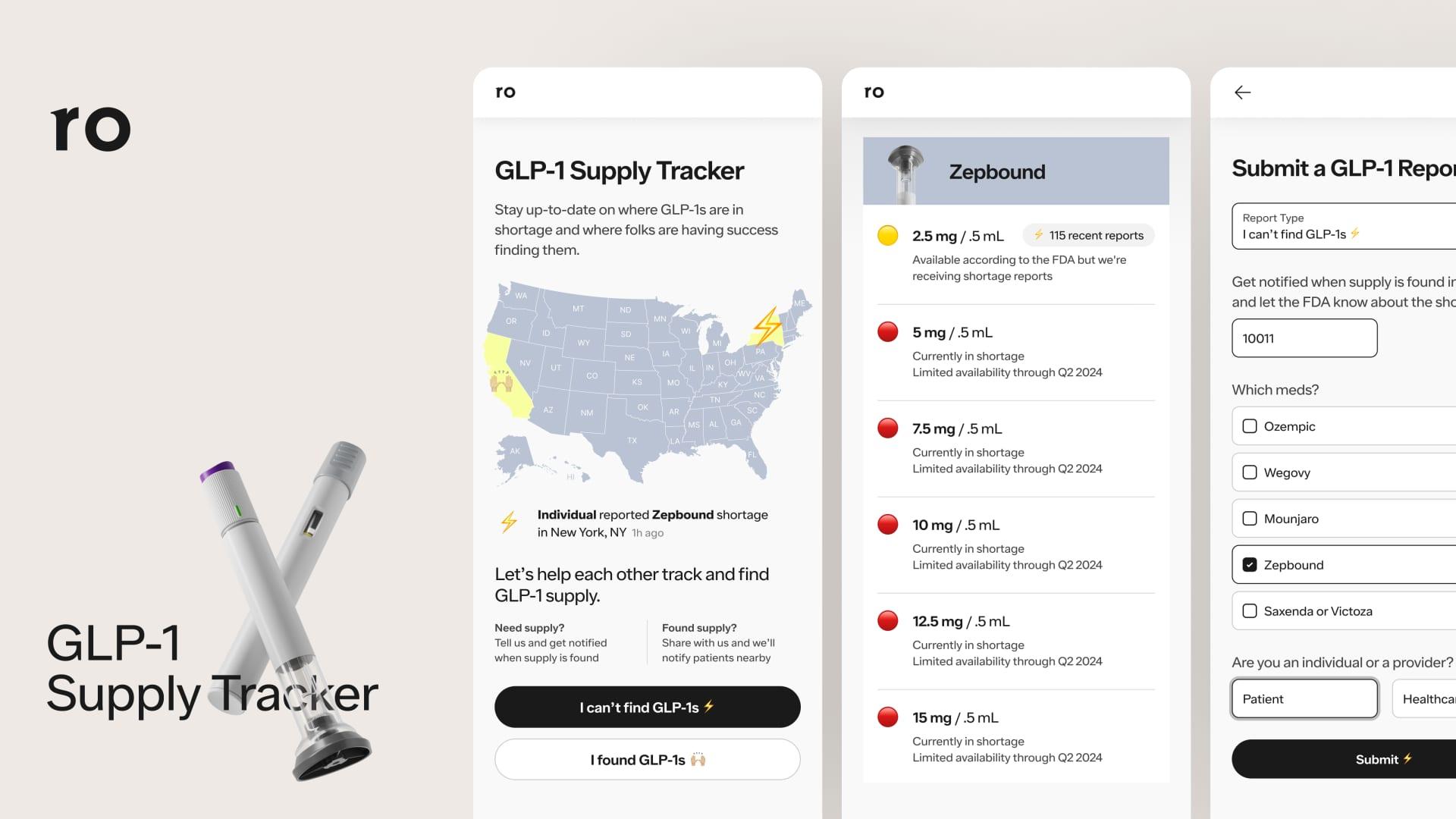
Eli Lilly Unveils New Research at Alzheimer's Conference
- New Clinical Evidence: Eli Lilly will present 16 abstracts at the 2026 Alzheimer's Association International Conference, including new clinical evidence on Kisunla (donanemab-azbt), highlighting its potential application in early symptomatic Alzheimer's patients, which could enhance the company's market share in this sector.
- Enhanced Diagnostic Performance: Research indicates that P-tau217 blood biomarker assays demonstrate strong performance in identifying Alzheimer's disease pathology in cognitively unimpaired individuals, providing a scalable and accessible alternative that may transform future diagnostic approaches and improve early intervention opportunities for patients.
- Advancements in Scientific Methodology: Eli Lilly will explore the comparison of external controls versus internal extrapolation in the TRAILBLAZER-ALZ 2 long-term extension study, emphasizing scientific rigor, which will help enhance the credibility of clinical trial outcomes and further solidify the company's leadership in Alzheimer's research.
- Long-Term Commitment: The conference showcases Eli Lilly's 35-year commitment to Alzheimer's disease science, reflecting its ongoing efforts to advance understanding and treatment innovations, which may bolster investor confidence in the company's future growth.
See More
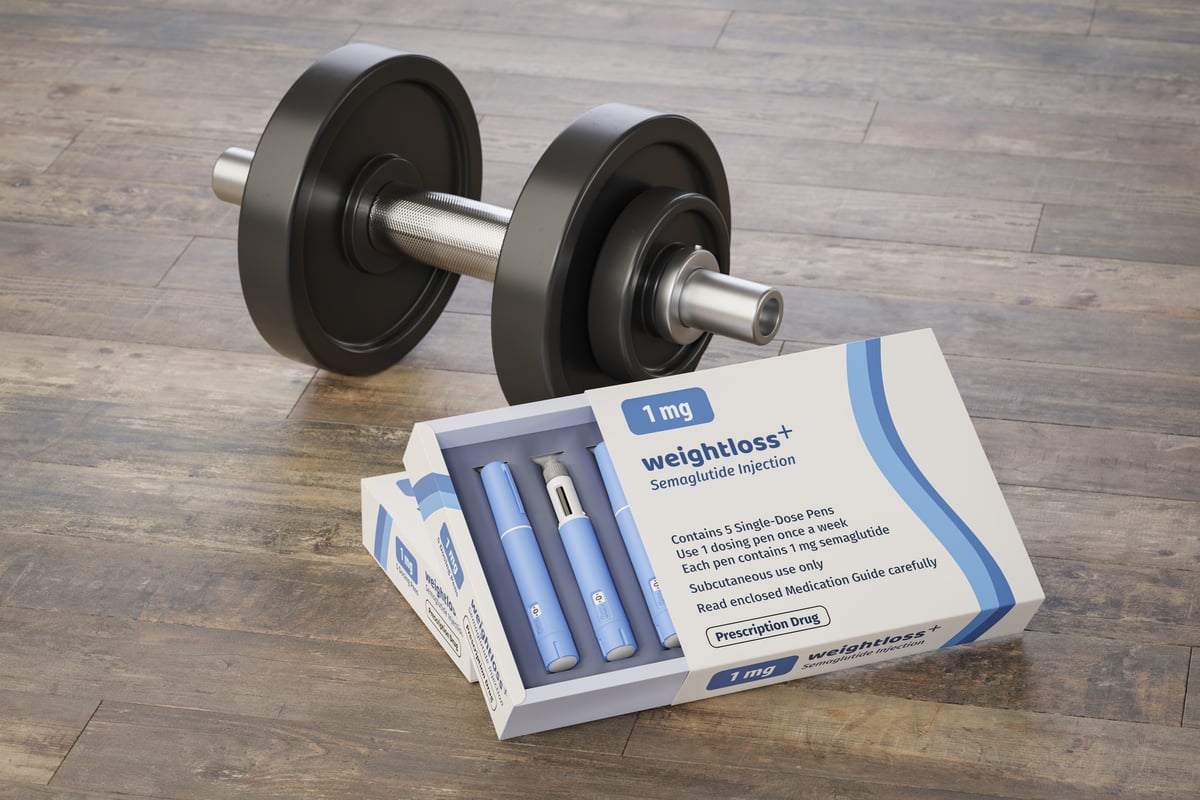
Surge in Popularity of GLP-1 Drugs
- Significant Usage Increase: Gallup's survey indicates that 11% of U.S. adults are currently using GLP-1 medications for weight loss, a substantial rise from 3% in 2024, reflecting a sharp increase in market demand that could drive sales for related companies.
- Record Sales Figures: Eli Lilly reported combined sales of $12.9 billion for Mounjaro and Zepbound in Q1, contributing to a total revenue of $19.8 billion, which is a 56% year-over-year increase, showcasing its strong performance and growing market share in the GLP-1 sector.
- New Drug Approval Boosts Growth: Lilly's new oral weight loss drug, Foundayo, was approved and became available in early April, likely attracting more consumers and further boosting GLP-1 drug sales, especially among those less comfortable with injectable options.
- Stock Price Surge: Lilly's stock has risen approximately 14% year-to-date, surpassing a market capitalization of $1 trillion; despite a high P/E ratio of 43, the company's robust growth potential and the rising popularity of GLP-1 drugs instill confidence in investors.
See More
Eli Lilly's International Market Growth Surges
- International Sales Surge: Eli Lilly's international GLP-1 sales exceeded $4.8 billion in 2025, showing significant growth compared to last year, which is expected to further boost the company's overall performance.
- Market Share Increase: As of Q1 2026, Lilly holds a 53% share of the international GLP-1 market and a 60% share in the U.S., indicating the company's growing competitiveness on a global scale.
- Analyst Optimism: Both JPMorgan and RBC Capital Markets raised their price targets for Lilly, with JPMorgan increasing from $1,300 to $1,400 and RBC from $1,250 to $1,500, reflecting strong market confidence in its future performance.
- New Product Launch: Lilly's next-generation oral GLP-1 drug Foundayo is expected to generate $980 million in revenue by 2026, further diversifying its product line and enhancing its competitive edge in international markets.
See More
Market Dynamics and Company Analysis in US Stocks

- SK Hynix IPO Surge: SK Hynix's U.S. stock listing is oversubscribed by more than seven times, aiming to raise $28 billion, reflecting strong market confidence in its growth prospects while raising concerns about potential oversupply in debt and equity that could pressure the bull market.
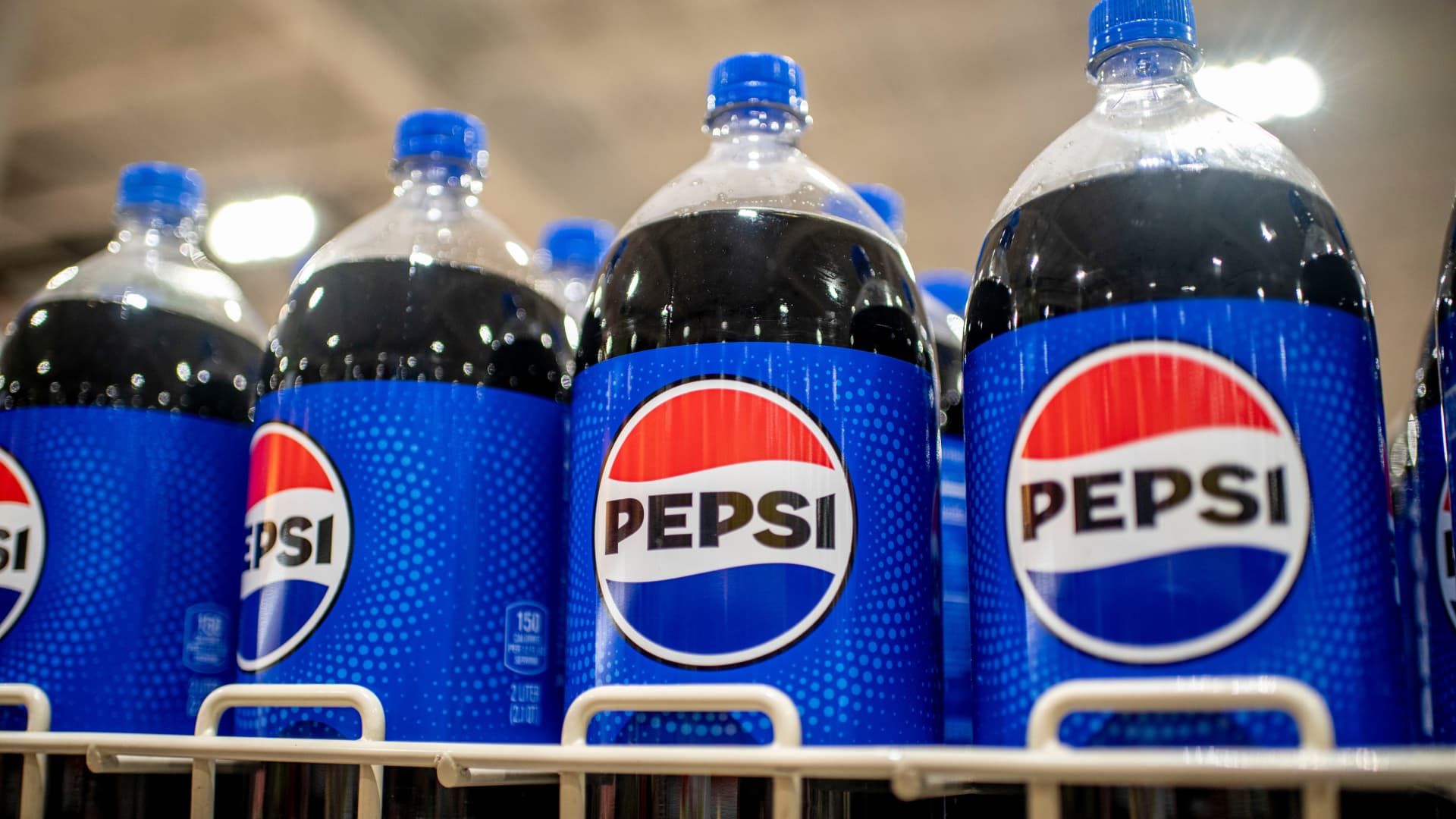
- PepsiCo Earnings Report: PepsiCo reported a slight earnings miss but beat revenue expectations, with its North American beverage business standing out; however, the company warned of rising input costs in the second half, which could impact future profitability.
- Five Below Rating Upgrade: Five Below was upgraded from hold to buy by Mizuho Securities, as analysts noted that despite a nearly 30% drop from its April peak, the company is retaining customers well, indicating strong future growth potential.
- AstraZeneca Drug Failure Impact: AstraZeneca's heart disease drug Wainua failed to meet targets in a late-stage clinical trial, causing its stock to drop about 8%, while shares of co-developer Ionis Pharmaceuticals fell nearly 20%, highlighting market sensitivity to new drug development risks.
See More
Eli Lilly Unveils New Research at Alzheimer's Conference
- New Clinical Evidence: Eli Lilly will present 16 abstracts at the 2026 Alzheimer's Association International Conference, including new data on Kisunla (donanemab-azbt) that emphasizes its safety and potential durability of clinical benefits in early symptomatic Alzheimer's patients, reflecting the company's long-term commitment to Alzheimer's research.
- Enhanced Diagnostic Performance: Research indicates that P-tau217 blood biomarker assays demonstrate strong rule-in performance comparable to amyloid PET for identifying Alzheimer's disease pathology in cognitively unimpaired individuals, providing support for a potentially scalable and accessible alternative for early diagnosis in the future.
- Advancements in Scientific Methodology: Dr. Lars Raket from Eli Lilly will discuss the comparison of external controls versus internal extrapolation at the conference, highlighting the importance of measuring and interpreting long-term outcomes in Alzheimer's clinical trials, further solidifying the company's commitment to scientific rigor.
- Patient-Centered Research: The conference research spans health economics, real-world prescribing evidence, and patient-centered outcomes, showcasing Eli Lilly's 35 years of sustained investment in Alzheimer's science aimed at addressing unanswered questions in the field.
See More

Novo Nordisk Launches Weekly Insulin Injection Awiqli in India
- Significant Market Demand: With over 101 million diabetes patients and 136 million prediabetics in India, the launch of Awiqli addresses a critical market need, potentially improving treatment access for millions.
- Innovative Product Advantage: As the world's first once-weekly basal insulin, Awiqli reduces the annual injection frequency from 365 to 52, significantly alleviating the injection burden on patients, which is expected to enhance adherence and quality of life.
- Competitive Market Landscape: Awiqli will compete with established basal insulin brands like Sanofi's Lantus and lower-cost insulin products from domestic manufacturers, potentially influencing overall market pricing dynamics.
- Industry Growth Potential: According to IMARC, India's insulin market is projected to grow from $660.5 million in 2025 to $916.4 million by 2034, and Awiqli's introduction is likely to further accelerate this growth amid rising diabetes prevalence.
See More
Eli Lilly Unveils New Research at Alzheimer's Conference
- New Clinical Evidence: Eli Lilly will present 16 abstracts at the 2026 Alzheimer's Association International Conference, including new clinical evidence on Kisunla (donanemab-azbt), highlighting its potential application in early symptomatic Alzheimer's patients, which could enhance the company's market share in this sector.
- Enhanced Diagnostic Performance: Research indicates that P-tau217 blood biomarker assays demonstrate strong performance in identifying Alzheimer's disease pathology in cognitively unimpaired individuals, providing a scalable and accessible alternative that may transform future diagnostic approaches and improve early intervention opportunities for patients.
- Advancements in Scientific Methodology: Eli Lilly will explore the comparison of external controls versus internal extrapolation in the TRAILBLAZER-ALZ 2 long-term extension study, emphasizing scientific rigor, which will help enhance the credibility of clinical trial outcomes and further solidify the company's leadership in Alzheimer's research.
- Long-Term Commitment: The conference showcases Eli Lilly's 35-year commitment to Alzheimer's disease science, reflecting its ongoing efforts to advance understanding and treatment innovations, which may bolster investor confidence in the company's future growth.
See More
Surge in Popularity of GLP-1 Drugs
- Significant Usage Increase: Gallup's survey indicates that 11% of U.S. adults are currently using GLP-1 medications for weight loss, a substantial rise from 3% in 2024, reflecting a sharp increase in market demand that could drive sales for related companies.
- Record Sales Figures: Eli Lilly reported combined sales of $12.9 billion for Mounjaro and Zepbound in Q1, contributing to a total revenue of $19.8 billion, which is a 56% year-over-year increase, showcasing its strong performance and growing market share in the GLP-1 sector.
- New Drug Approval Boosts Growth: Lilly's new oral weight loss drug, Foundayo, was approved and became available in early April, likely attracting more consumers and further boosting GLP-1 drug sales, especially among those less comfortable with injectable options.
- Stock Price Surge: Lilly's stock has risen approximately 14% year-to-date, surpassing a market capitalization of $1 trillion; despite a high P/E ratio of 43, the company's robust growth potential and the rising popularity of GLP-1 drugs instill confidence in investors.
See More
Eli Lilly's International Market Growth Surges
- International Sales Surge: Eli Lilly's international GLP-1 sales exceeded $4.8 billion in 2025, showing significant growth compared to last year, which is expected to further boost the company's overall performance.
- Market Share Increase: As of Q1 2026, Lilly holds a 53% share of the international GLP-1 market and a 60% share in the U.S., indicating the company's growing competitiveness on a global scale.
- Analyst Optimism: Both JPMorgan and RBC Capital Markets raised their price targets for Lilly, with JPMorgan increasing from $1,300 to $1,400 and RBC from $1,250 to $1,500, reflecting strong market confidence in its future performance.
- New Product Launch: Lilly's next-generation oral GLP-1 drug Foundayo is expected to generate $980 million in revenue by 2026, further diversifying its product line and enhancing its competitive edge in international markets.
See More
Market Dynamics and Company Analysis in US Stocks
- SK Hynix IPO Surge: SK Hynix's U.S. stock listing is oversubscribed by more than seven times, aiming to raise $28 billion, reflecting strong market confidence in its growth prospects while raising concerns about potential oversupply in debt and equity that could pressure the bull market.
- PepsiCo Earnings Report: PepsiCo reported a slight earnings miss but beat revenue expectations, with its North American beverage business standing out; however, the company warned of rising input costs in the second half, which could impact future profitability.
- Five Below Rating Upgrade: Five Below was upgraded from hold to buy by Mizuho Securities, as analysts noted that despite a nearly 30% drop from its April peak, the company is retaining customers well, indicating strong future growth potential.
- AstraZeneca Drug Failure Impact: AstraZeneca's heart disease drug Wainua failed to meet targets in a late-stage clinical trial, causing its stock to drop about 8%, while shares of co-developer Ionis Pharmaceuticals fell nearly 20%, highlighting market sensitivity to new drug development risks.
See More
Eli Lilly Unveils New Research at Alzheimer's Conference
- New Clinical Evidence: Eli Lilly will present 16 abstracts at the 2026 Alzheimer's Association International Conference, including new data on Kisunla (donanemab-azbt) that emphasizes its safety and potential durability of clinical benefits in early symptomatic Alzheimer's patients, reflecting the company's long-term commitment to Alzheimer's research.
- Enhanced Diagnostic Performance: Research indicates that P-tau217 blood biomarker assays demonstrate strong rule-in performance comparable to amyloid PET for identifying Alzheimer's disease pathology in cognitively unimpaired individuals, providing support for a potentially scalable and accessible alternative for early diagnosis in the future.
- Advancements in Scientific Methodology: Dr. Lars Raket from Eli Lilly will discuss the comparison of external controls versus internal extrapolation at the conference, highlighting the importance of measuring and interpreting long-term outcomes in Alzheimer's clinical trials, further solidifying the company's commitment to scientific rigor.
- Patient-Centered Research: The conference research spans health economics, real-world prescribing evidence, and patient-centered outcomes, showcasing Eli Lilly's 35 years of sustained investment in Alzheimer's science aimed at addressing unanswered questions in the field.
See More
Novo Nordisk Launches Weekly Insulin Injection Awiqli in India
- Significant Market Demand: With over 101 million diabetes patients and 136 million prediabetics in India, the launch of Awiqli addresses a critical market need, potentially improving treatment access for millions.
- Innovative Product Advantage: As the world's first once-weekly basal insulin, Awiqli reduces the annual injection frequency from 365 to 52, significantly alleviating the injection burden on patients, which is expected to enhance adherence and quality of life.
- Competitive Market Landscape: Awiqli will compete with established basal insulin brands like Sanofi's Lantus and lower-cost insulin products from domestic manufacturers, potentially influencing overall market pricing dynamics.
- Industry Growth Potential: According to IMARC, India's insulin market is projected to grow from $660.5 million in 2025 to $916.4 million by 2034, and Awiqli's introduction is likely to further accelerate this growth amid rising diabetes prevalence.
See More