Eli Lilly Q1 Earnings Exceed Expectations
Written by Emily J. Thompson, Senior Investment Analyst
Updated: 4 days ago
0mins
Should l Buy LLY?
Source: stocktwits
- Earnings Beat: Eli Lilly reported Q1 earnings of $8.55 per share, significantly surpassing consensus estimates of $6.79, indicating robust profitability and strong market confidence.
- Mounjaro Sales Surge: Mounjaro's global revenue soared 125% to $8.7 billion, with $4.2 billion from the U.S., reflecting strong demand and solidifying Lilly's leadership in the GLP-1 drug market.
- Upgraded Full-Year Outlook: Lilly raised its 2026 revenue guidance to between $82 billion and $85 billion, up from $80 billion to $83 billion, and increased EPS expectations to $35-$37, showcasing management's confidence in future growth.
- Pipeline Expansion through Acquisitions: The recent acquisition of Ajax Therapeutics marks Lilly's sixth deal in 2026, aimed at expanding its oncology pipeline and moving beyond weight-loss drugs, thereby enhancing its competitive edge in the biopharmaceutical sector.
Trade with 70% Backtested Accuracy
Stop guessing "Should I Buy LLY?" and start using high-conviction signals backed by rigorous historical data.
Sign up today to access powerful investing tools and make smarter, data-driven decisions.
Analyst Views on LLY
Wall Street analysts forecast LLY stock price to rise
20 Analyst Rating
18 Buy
2 Hold
0 Sell
Strong Buy
Current: 963.330

Low
950.00
Averages
1192
High
1500
Current: 963.330
Low
950.00
Averages
1192
High
1500
About LLY
Eli Lilly and Company is a medicine company, which discovers, develops, manufactures, and market products in a single business segment called human pharmaceutical products. The Company manufacture and distribute its products through facilities in the United States, including Puerto Rico, and in Europe and Asia. The Company’s products are sold in approximately 90 countries. Its Cardiometabolic Health products Basaglar; Humalog, Humalog Mix 75/25, Humalog U-100, Humalog U-200, Humalog Mix 50/50, insulin lispro, and others; Humulin, Humulin 70/30, and others; Jardiance; Mounjaro; Trulicity; Zepbound, and others. Its oncology products include Cyramza, Erbitux, Tyvyt, Verzenio, Retevmo, Jaypirca, and others. Its immunology products include Ebglyss, Olumiant, Omvoh, and Taltz. Its neuroscience products include Emgality and Kisunla. Its LillyDirect, a direct-to-patient digital health care platform, provides delivery of select Lilly medicines dispensed by third-party pharmacies to patients.
About the author

Emily J. Thompson
Emily J. Thompson, a Chartered Financial Analyst (CFA) with 12 years in investment research, graduated with honors from the Wharton School. Specializing in industrial and technology stocks, she provides in-depth analysis for Intellectia’s earnings and market brief reports.

Eli Lilly Reports Skyrocketing Q1 Profits Driven by GLP-1 Sales
- Revenue Surge: Eli Lilly's Q1 revenue soared 56% year-over-year to $19.8 billion, primarily driven by its blockbuster GLP-1 weight loss drugs, demonstrating robust market demand despite a 13% price decline offset by a 65% volume increase.
- Net Income Spike: Adjusted net income skyrocketed 155% to $7.7 billion, translating to $8.55 per share, significantly surpassing Wall Street's estimate of $6.79, reflecting the company's strong performance in the weight loss drug sector.
- Sales Growth Drivers: Sales of GLP-1 drugs Mounjaro and Zepbound surged 125% and 80%, reaching $8.7 billion and $4.2 billion respectively, becoming key growth drivers that further solidify the company's market leadership.
- Optimistic Outlook: Eli Lilly raised its 2023 revenue and adjusted EPS guidance to $82 billion to $85 billion and $35.50 to $37, indicating confidence in future growth, particularly with the newly launched GLP-1 pill Foundayo expected to expand market share.
See More
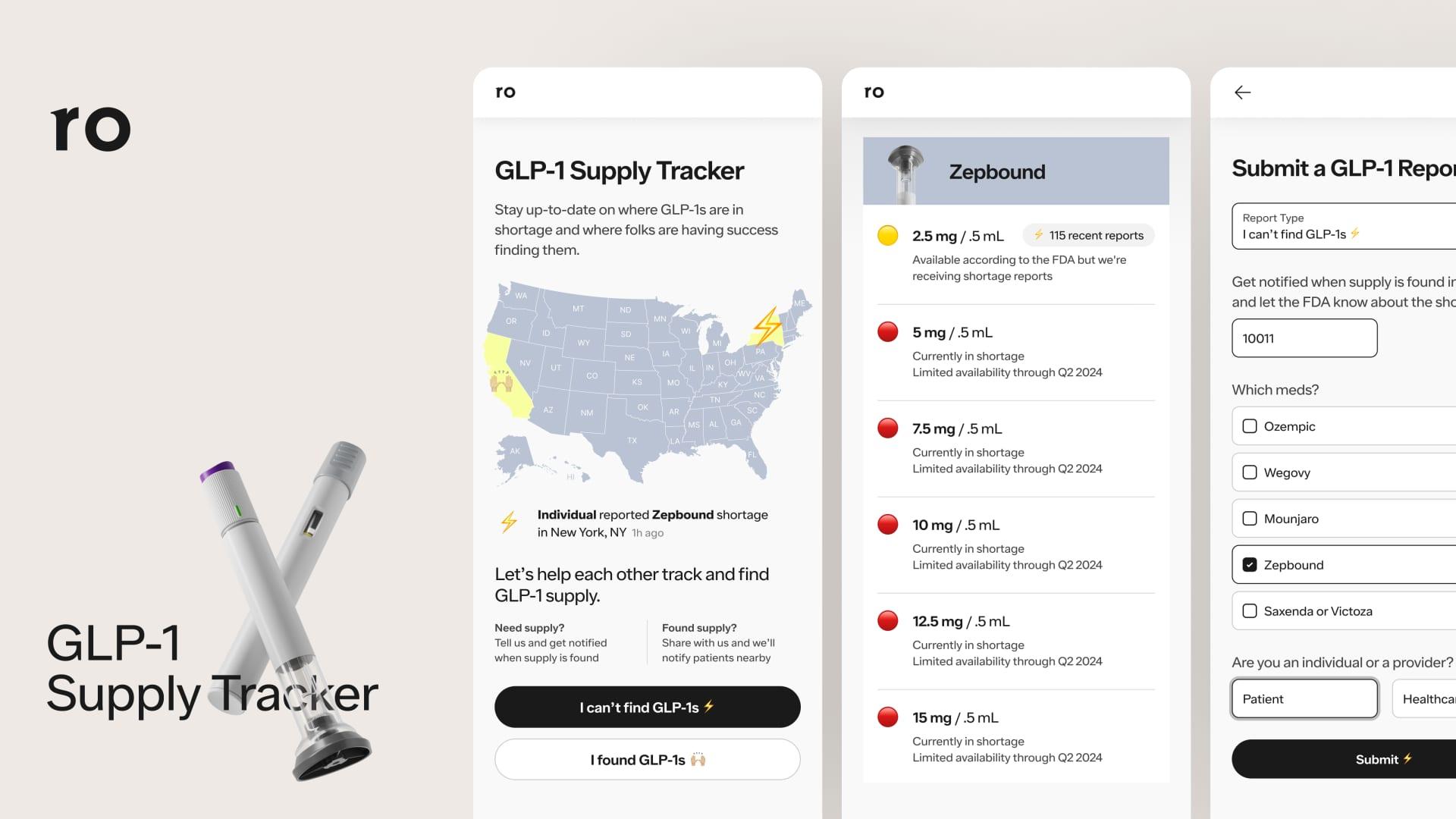
Health Canada Approves Lilly's Kisunla™ (Donanemab) as a New Treatment for Early Alzheimer's Disease
Health Canada Authorization: Health Canada has authorized the use of Lilly's drug, known as Skysunla (donanemab), for the treatment of early Alzheimer's disease.
New Treatment Option: This approval introduces a new therapeutic option aimed at addressing the needs of patients diagnosed with early-stage Alzheimer's.
See More
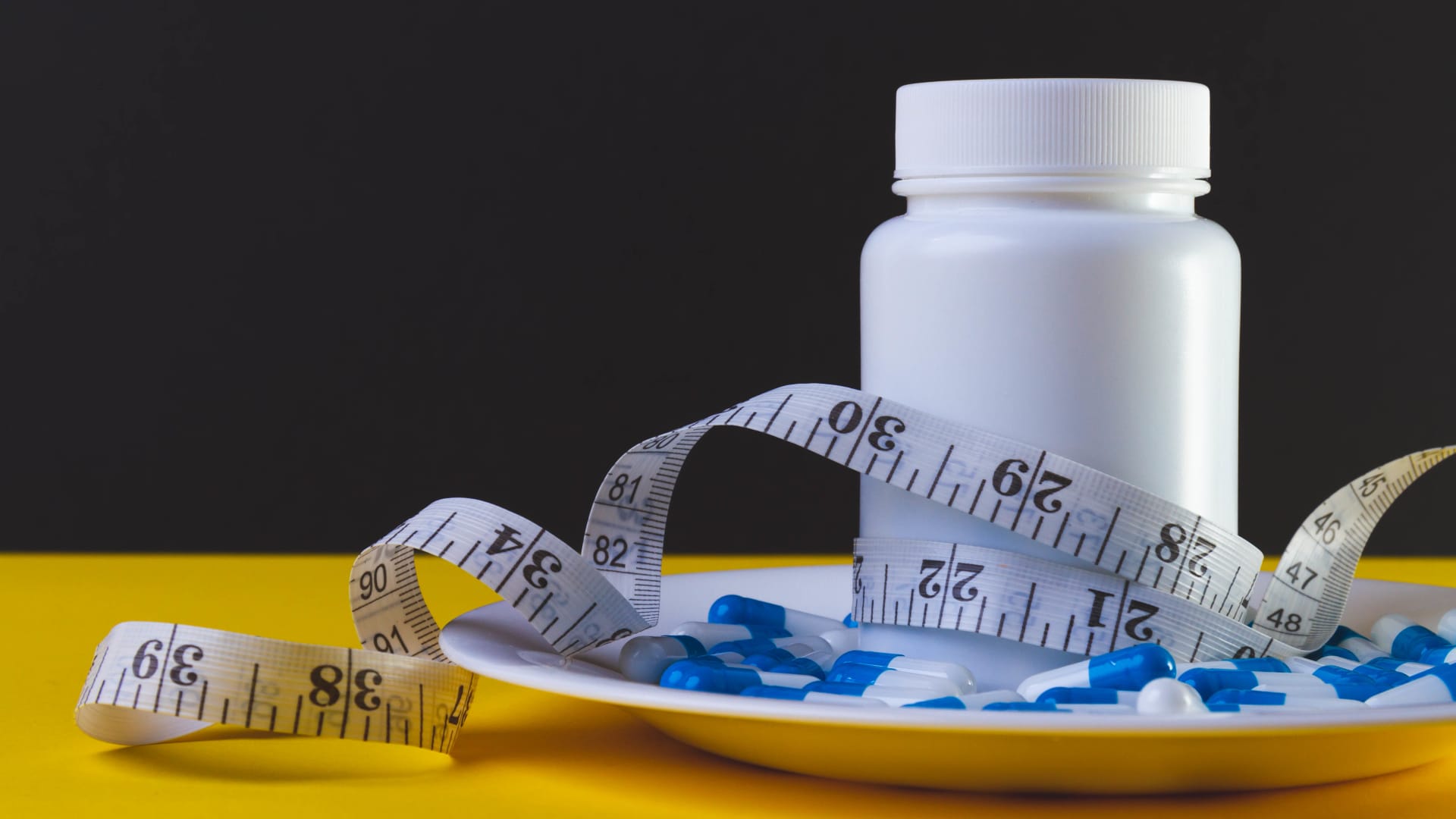
Obesity Drugs Surpass Oncology as R&D Leader
- R&D Returns Increase: The pharmaceutical sector's R&D returns for the top 20 companies have risen to 7% for the third consecutive year, primarily driven by the strong performance of GLP-1 drugs, although the overall industry faces pressures indicating high market concentration.
- Market Share Shift: Obesity treatments now account for 38% of projected commercial inflows from the late-stage pipeline in 2025, surpassing oncology's 20% for the first time, marking a significant elevation in the market position of obesity drugs and reflecting a major structural shift in the industry.
- Concentration Risk: Only 54 mega-blockbuster indications are projected to generate about 70% of total risk-adjusted peak sales, highlighting the increased vulnerability of the industry due to overreliance on a small number of drugs, which raises market uncertainty.
- Ongoing Scientific Exploration: While GLP-1 drugs show promise in cardiovascular and obesity treatments, questions remain regarding their impact on brain health and inflammation, necessitating a balance between innovation and risk for pharmaceutical companies.
See More

Eli Lilly Leads Weight Loss Drug Market with New Launch
- Market Share Growth: Eli Lilly has captured a 60% market share in the GLP-1 drug sector, surpassing competitor Novo Nordisk, indicating strong growth potential in the weight loss drug market, particularly as head-to-head studies demonstrate superior weight loss results.
- Significant Revenue Increase: Lilly's Mounjaro revenue surged 125% year-over-year to $8.6 billion, while Zepbound revenue rose 80% to $4.1 billion, providing robust financial backing for future investments and research and development initiatives.
- Successful Launch of Foundayo: The newly launched weight loss pill Foundayo has already reached 20,000 patients within a month, with 80% being new users of this drug class, indicating that it not only replaces injectable GLP-1 drugs but also opens new market opportunities.
- Clear Competitive Advantage: Unlike Novo Nordisk's oral Wegovy, Foundayo does not require fasting, reducing usage restrictions for patients and enhancing convenience, which may further drive Lilly's market share growth in the GLP-1 sector.
See More

Eli Lilly's New Weight Loss Drug Approval Boosts Market Share
- Market Leadership: Eli Lilly has captured a 60% market share in the U.S. GLP-1 drug market, bolstered by head-to-head studies demonstrating superior weight loss results compared to competitors, thereby solidifying its leadership position.
- Significant Revenue Growth: In its latest quarterly report, Lilly reported a 125% year-over-year increase in Mounjaro revenue to $8.6 billion, while Zepbound revenue surged 80% to $4.1 billion, reflecting strong market demand for its weight loss drugs.
- Success of New Drug Foundayo: The newly launched oral weight loss drug Foundayo has already reached 20,000 patients within a month, with 80% being new users of this drug class, indicating that it not only serves as a replacement for injectable GLP-1 drugs but also opens up new market opportunities.
- Clear Competitive Advantage: Unlike Novo Nordisk's oral Wegovy, Foundayo does not require fasting, enhancing patient convenience, which may further drive Lilly's market share growth in the GLP-1 sector and suggests high growth potential in the upcoming quarters.
See More

Pfizer Faces Challenges but Remains a Worthy Investment

- Vaccine Demand Decline: Pfizer's stock has plunged over 50% from its 2021 peak due to cooling demand for COVID vaccines, yet it remains a potential investment for those with a long-term perspective despite short-term challenges.
- Patent Cliff Risks: The company is facing a series of upcoming patent expirations that could lead to significant revenue declines for key drugs, presenting a major challenge for management to maintain revenue stability.
- Innovative Drug Development: Pfizer has quickly pivoted by acquiring a company developing a weight-loss drug and partnering with a Chinese firm to distribute a GLP-1 drug if approved, demonstrating its proactive approach in the innovative pharmaceutical space.
- High Dividend Appeal: With a dividend yield of 6.4%, Pfizer offers a more attractive option for dividend investors compared to Eli Lilly's mere 0.6%, making it appealing in a market characterized by uncertainty.
See More
Eli Lilly Reports Skyrocketing Q1 Profits Driven by GLP-1 Sales
- Revenue Surge: Eli Lilly's Q1 revenue soared 56% year-over-year to $19.8 billion, primarily driven by its blockbuster GLP-1 weight loss drugs, demonstrating robust market demand despite a 13% price decline offset by a 65% volume increase.
- Net Income Spike: Adjusted net income skyrocketed 155% to $7.7 billion, translating to $8.55 per share, significantly surpassing Wall Street's estimate of $6.79, reflecting the company's strong performance in the weight loss drug sector.
- Sales Growth Drivers: Sales of GLP-1 drugs Mounjaro and Zepbound surged 125% and 80%, reaching $8.7 billion and $4.2 billion respectively, becoming key growth drivers that further solidify the company's market leadership.
- Optimistic Outlook: Eli Lilly raised its 2023 revenue and adjusted EPS guidance to $82 billion to $85 billion and $35.50 to $37, indicating confidence in future growth, particularly with the newly launched GLP-1 pill Foundayo expected to expand market share.
See More
Health Canada Approves Lilly's Kisunla™ (Donanemab) as a New Treatment for Early Alzheimer's Disease
Health Canada Authorization: Health Canada has authorized the use of Lilly's drug, known as Skysunla (donanemab), for the treatment of early Alzheimer's disease.
New Treatment Option: This approval introduces a new therapeutic option aimed at addressing the needs of patients diagnosed with early-stage Alzheimer's.
See More
Obesity Drugs Surpass Oncology as R&D Leader
- R&D Returns Increase: The pharmaceutical sector's R&D returns for the top 20 companies have risen to 7% for the third consecutive year, primarily driven by the strong performance of GLP-1 drugs, although the overall industry faces pressures indicating high market concentration.
- Market Share Shift: Obesity treatments now account for 38% of projected commercial inflows from the late-stage pipeline in 2025, surpassing oncology's 20% for the first time, marking a significant elevation in the market position of obesity drugs and reflecting a major structural shift in the industry.
- Concentration Risk: Only 54 mega-blockbuster indications are projected to generate about 70% of total risk-adjusted peak sales, highlighting the increased vulnerability of the industry due to overreliance on a small number of drugs, which raises market uncertainty.
- Ongoing Scientific Exploration: While GLP-1 drugs show promise in cardiovascular and obesity treatments, questions remain regarding their impact on brain health and inflammation, necessitating a balance between innovation and risk for pharmaceutical companies.
See More
Eli Lilly Leads Weight Loss Drug Market with New Launch
- Market Share Growth: Eli Lilly has captured a 60% market share in the GLP-1 drug sector, surpassing competitor Novo Nordisk, indicating strong growth potential in the weight loss drug market, particularly as head-to-head studies demonstrate superior weight loss results.
- Significant Revenue Increase: Lilly's Mounjaro revenue surged 125% year-over-year to $8.6 billion, while Zepbound revenue rose 80% to $4.1 billion, providing robust financial backing for future investments and research and development initiatives.
- Successful Launch of Foundayo: The newly launched weight loss pill Foundayo has already reached 20,000 patients within a month, with 80% being new users of this drug class, indicating that it not only replaces injectable GLP-1 drugs but also opens new market opportunities.
- Clear Competitive Advantage: Unlike Novo Nordisk's oral Wegovy, Foundayo does not require fasting, reducing usage restrictions for patients and enhancing convenience, which may further drive Lilly's market share growth in the GLP-1 sector.
See More
Eli Lilly's New Weight Loss Drug Approval Boosts Market Share
- Market Leadership: Eli Lilly has captured a 60% market share in the U.S. GLP-1 drug market, bolstered by head-to-head studies demonstrating superior weight loss results compared to competitors, thereby solidifying its leadership position.
- Significant Revenue Growth: In its latest quarterly report, Lilly reported a 125% year-over-year increase in Mounjaro revenue to $8.6 billion, while Zepbound revenue surged 80% to $4.1 billion, reflecting strong market demand for its weight loss drugs.
- Success of New Drug Foundayo: The newly launched oral weight loss drug Foundayo has already reached 20,000 patients within a month, with 80% being new users of this drug class, indicating that it not only serves as a replacement for injectable GLP-1 drugs but also opens up new market opportunities.
- Clear Competitive Advantage: Unlike Novo Nordisk's oral Wegovy, Foundayo does not require fasting, enhancing patient convenience, which may further drive Lilly's market share growth in the GLP-1 sector and suggests high growth potential in the upcoming quarters.
See More
Pfizer Faces Challenges but Remains a Worthy Investment
- Vaccine Demand Decline: Pfizer's stock has plunged over 50% from its 2021 peak due to cooling demand for COVID vaccines, yet it remains a potential investment for those with a long-term perspective despite short-term challenges.
- Patent Cliff Risks: The company is facing a series of upcoming patent expirations that could lead to significant revenue declines for key drugs, presenting a major challenge for management to maintain revenue stability.
- Innovative Drug Development: Pfizer has quickly pivoted by acquiring a company developing a weight-loss drug and partnering with a Chinese firm to distribute a GLP-1 drug if approved, demonstrating its proactive approach in the innovative pharmaceutical space.
- High Dividend Appeal: With a dividend yield of 6.4%, Pfizer offers a more attractive option for dividend investors compared to Eli Lilly's mere 0.6%, making it appealing in a market characterized by uncertainty.
See More