ELI LILLY IN FINAL DISCUSSIONS TO PURCHASE KELONIA THERAPEUTICS FOR OVER $2 BILLION - WSJ
- Eli Lilly's Acquisition Talks: Eli Lilly is engaged in advanced discussions to acquire Kelonia Therapeutics.
- Financial Implications: The potential acquisition is valued at over $2 billion.
Trade with 70% Backtested Accuracy
Analyst Views on LLY

About LLY
About the author


Eli Lilly's GLP-1 Drug Sales Surge Remarkably
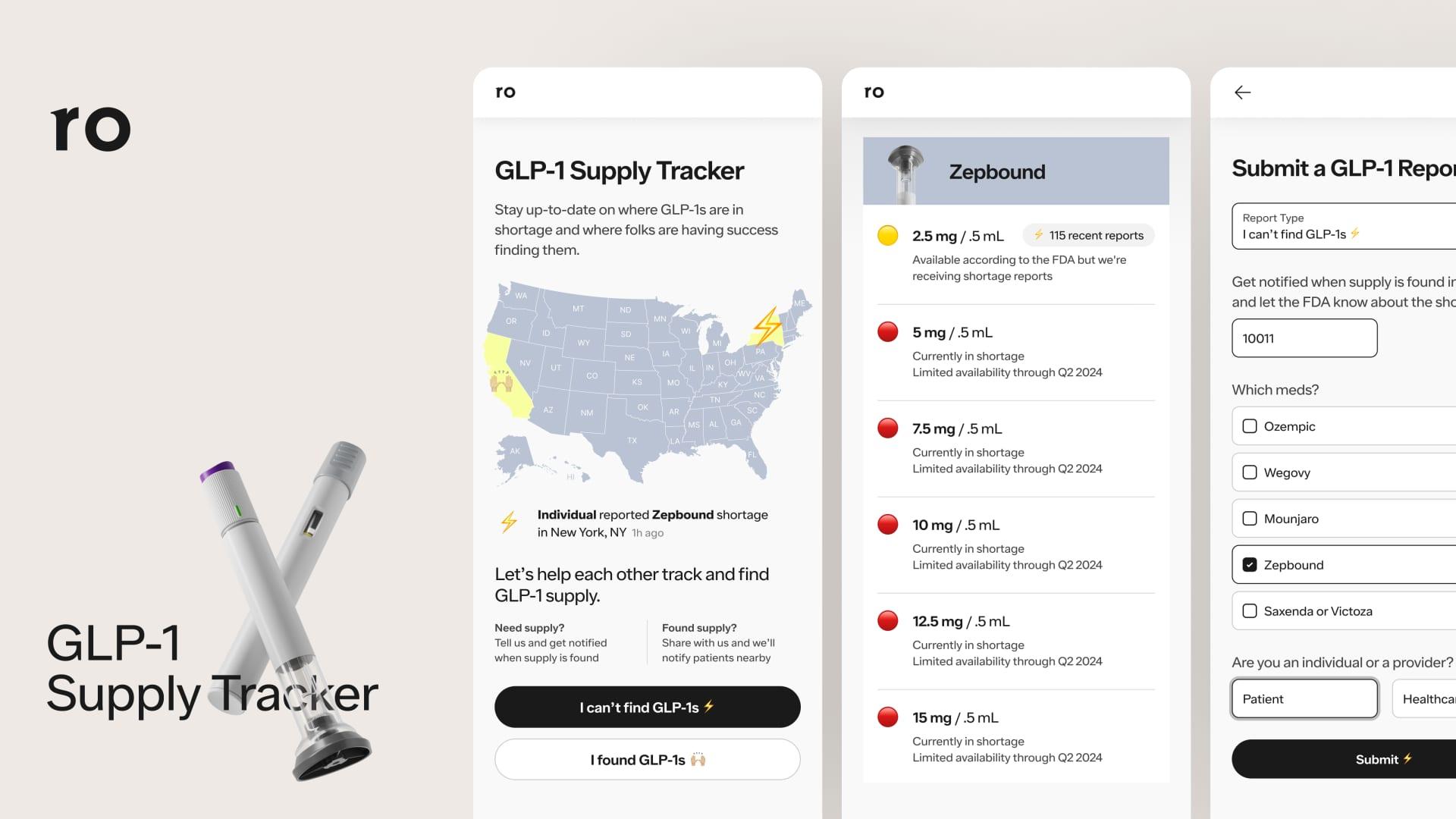
- Significant Sales Growth: Eli Lilly's Mounjaro and Zepbound GLP-1 drugs saw sales increases of 99% and 175% in 2025, respectively, showcasing the company's strong performance in the rapidly growing weight-loss drug market and further solidifying its market leadership.
- Outstanding Stock Performance: Over the past decade, Eli Lilly's stock has surged more than 1,100%, significantly outperforming the S&P 500's 230% increase, reflecting strong investor confidence in its future growth, although its current P/E ratio of 39x remains above the industry average.
- Intensifying Competitive Risks: Despite Eli Lilly's leading position in the GLP-1 space, competitors like Novo Nordisk and Pfizer are actively launching new products, which could erode Eli Lilly's market share, especially as patents expire and generics emerge, potentially impacting revenues significantly.
- Strategic Acquisition Moves: To address future competition and risks, Eli Lilly is leveraging the windfall from its GLP-1 success to pursue strategic acquisitions, which may help diversify its product pipeline, but the uncertainty surrounding the success of these new drugs could affect the company's long-term growth potential.
ELI LILLY IN FINAL DISCUSSIONS TO PURCHASE KELONIA THERAPEUTICS FOR OVER $2 BILLION - WSJ
- Eli Lilly's Acquisition Talks: Eli Lilly is engaged in advanced discussions to acquire Kelonia Therapeutics.
- Financial Implications: The potential acquisition is valued at over $2 billion.

ELI LILLY CLOSES IN ON AGREEMENT WITH CANCER BIOTECH - WSJ
Eli Lilly's Cancer Deal: Eli Lilly has reached a significant agreement in the field of cancer biotechnology, indicating a strategic move to enhance its portfolio in oncology treatments.
Impact on Biotechnology Sector: This deal is expected to influence the biotechnology sector positively, potentially leading to advancements in cancer therapies and increased competition among pharmaceutical companies.
Financial Implications: The financial details of the deal suggest a substantial investment from Eli Lilly, reflecting its commitment to expanding its capabilities in cancer research and treatment.
Future Prospects: Analysts predict that this partnership could pave the way for innovative solutions in cancer care, benefiting patients and contributing to the overall growth of the healthcare industry.

Eli Lilly in Talks to Acquire Kelonia Therapeutics
- Acquisition Talks: Eli Lilly is in advanced discussions to acquire Kelonia Therapeutics for over $2 billion, indicating Lilly's intent to expand in the biopharmaceutical sector, potentially enhancing its product portfolio and market competitiveness.
- Market Reaction Anticipation: Although Reuters could not immediately verify the report, the market's heightened interest in this potential deal may influence Eli Lilly's stock price, reflecting investor expectations for future growth.
- Strategic Implications: If successful, this acquisition would allow Eli Lilly to gain access to Kelonia's innovative therapies, further solidifying its leadership position in the biopharmaceutical industry and potentially accelerating its drug development processes.
- Industry Consolidation Trend: The frequent acquisition activities in the biopharmaceutical sector align with industry consolidation trends, suggesting that large pharmaceutical companies are leveraging mergers and acquisitions to enhance their R&D capabilities and market share.

Alphabet and Eli Lilly: Investment Opportunities for the Next Decade


- Diversified Growth for Google: Google enhances its search capabilities through AI, driving ad sales, and is expected to continue growth in cloud computing and streaming over the next decade, solidifying its market leadership.
- Self-Driving Business Potential: Google's Waymo operates in several U.S. cities with level 4 autonomy, and as self-driving cars gain traction over the next decade, it could significantly boost the company's revenue.
- Eli Lilly's Dominance in Weight Loss: Eli Lilly has made significant breakthroughs in the weight loss market and may accelerate drug development through AI drug discovery, potentially adding billions in revenue if successful.
- Transforming Drug Development Cycles: By shortening drug development times with AI, Eli Lilly could alter the typical pharmaceutical cycle, enhancing its competitiveness and long-term prospects in the market.

Alphabet and Eli Lilly Show Bright Prospects Ahead
- Significant Investment Returns: An investment of $50,000 in either Alphabet or Eli Lilly since 2006 has grown to over $1 million, demonstrating their exceptional performance over the past two decades, with potential to continue outperforming the market in the future.
- AI-Driven Growth: Alphabet enhances its search capabilities through artificial intelligence, boosting user engagement and ad sales, and is expected to benefit from diversified businesses like cloud computing and YouTube over the next decade, solidifying its market leadership.
- Self-Driving Advantages: Alphabet's Waymo operates level 4 autonomous vehicles in several U.S. cities, and with partnerships like Uber and an established network, it is poised to capture significant market share in the self-driving car sector over the next ten years.
- Innovations in Drug Development: Eli Lilly's breakthroughs in the weight loss market and investments in AI drug discovery could significantly shorten drug development cycles, potentially generating billions in additional revenue and altering traditional pharmaceutical cycles.
Eli Lilly's GLP-1 Drug Sales Surge Remarkably
- Significant Sales Growth: Eli Lilly's Mounjaro and Zepbound GLP-1 drugs saw sales increases of 99% and 175% in 2025, respectively, showcasing the company's strong performance in the rapidly growing weight-loss drug market and further solidifying its market leadership.
- Outstanding Stock Performance: Over the past decade, Eli Lilly's stock has surged more than 1,100%, significantly outperforming the S&P 500's 230% increase, reflecting strong investor confidence in its future growth, although its current P/E ratio of 39x remains above the industry average.
- Intensifying Competitive Risks: Despite Eli Lilly's leading position in the GLP-1 space, competitors like Novo Nordisk and Pfizer are actively launching new products, which could erode Eli Lilly's market share, especially as patents expire and generics emerge, potentially impacting revenues significantly.
- Strategic Acquisition Moves: To address future competition and risks, Eli Lilly is leveraging the windfall from its GLP-1 success to pursue strategic acquisitions, which may help diversify its product pipeline, but the uncertainty surrounding the success of these new drugs could affect the company's long-term growth potential.
ELI LILLY IN FINAL DISCUSSIONS TO PURCHASE KELONIA THERAPEUTICS FOR OVER $2 BILLION - WSJ
- Eli Lilly's Acquisition Talks: Eli Lilly is engaged in advanced discussions to acquire Kelonia Therapeutics.
- Financial Implications: The potential acquisition is valued at over $2 billion.
ELI LILLY CLOSES IN ON AGREEMENT WITH CANCER BIOTECH - WSJ
Eli Lilly's Cancer Deal: Eli Lilly has reached a significant agreement in the field of cancer biotechnology, indicating a strategic move to enhance its portfolio in oncology treatments.
Impact on Biotechnology Sector: This deal is expected to influence the biotechnology sector positively, potentially leading to advancements in cancer therapies and increased competition among pharmaceutical companies.
Financial Implications: The financial details of the deal suggest a substantial investment from Eli Lilly, reflecting its commitment to expanding its capabilities in cancer research and treatment.
Future Prospects: Analysts predict that this partnership could pave the way for innovative solutions in cancer care, benefiting patients and contributing to the overall growth of the healthcare industry.
Eli Lilly in Talks to Acquire Kelonia Therapeutics
- Acquisition Talks: Eli Lilly is in advanced discussions to acquire Kelonia Therapeutics for over $2 billion, indicating Lilly's intent to expand in the biopharmaceutical sector, potentially enhancing its product portfolio and market competitiveness.
- Market Reaction Anticipation: Although Reuters could not immediately verify the report, the market's heightened interest in this potential deal may influence Eli Lilly's stock price, reflecting investor expectations for future growth.
- Strategic Implications: If successful, this acquisition would allow Eli Lilly to gain access to Kelonia's innovative therapies, further solidifying its leadership position in the biopharmaceutical industry and potentially accelerating its drug development processes.
- Industry Consolidation Trend: The frequent acquisition activities in the biopharmaceutical sector align with industry consolidation trends, suggesting that large pharmaceutical companies are leveraging mergers and acquisitions to enhance their R&D capabilities and market share.
Alphabet and Eli Lilly: Investment Opportunities for the Next Decade
- Diversified Growth for Google: Google enhances its search capabilities through AI, driving ad sales, and is expected to continue growth in cloud computing and streaming over the next decade, solidifying its market leadership.
- Self-Driving Business Potential: Google's Waymo operates in several U.S. cities with level 4 autonomy, and as self-driving cars gain traction over the next decade, it could significantly boost the company's revenue.
- Eli Lilly's Dominance in Weight Loss: Eli Lilly has made significant breakthroughs in the weight loss market and may accelerate drug development through AI drug discovery, potentially adding billions in revenue if successful.
- Transforming Drug Development Cycles: By shortening drug development times with AI, Eli Lilly could alter the typical pharmaceutical cycle, enhancing its competitiveness and long-term prospects in the market.
Alphabet and Eli Lilly Show Bright Prospects Ahead
- Significant Investment Returns: An investment of $50,000 in either Alphabet or Eli Lilly since 2006 has grown to over $1 million, demonstrating their exceptional performance over the past two decades, with potential to continue outperforming the market in the future.
- AI-Driven Growth: Alphabet enhances its search capabilities through artificial intelligence, boosting user engagement and ad sales, and is expected to benefit from diversified businesses like cloud computing and YouTube over the next decade, solidifying its market leadership.
- Self-Driving Advantages: Alphabet's Waymo operates level 4 autonomous vehicles in several U.S. cities, and with partnerships like Uber and an established network, it is poised to capture significant market share in the self-driving car sector over the next ten years.
- Innovations in Drug Development: Eli Lilly's breakthroughs in the weight loss market and investments in AI drug discovery could significantly shorten drug development cycles, potentially generating billions in additional revenue and altering traditional pharmaceutical cycles.