Eli Lilly Announces Phase 3 Trial Results for Foundayo
Eli Lilly and Company announced topline results from the Phase 3 ACHIEVE-4 trial evaluating the efficacy and safety of Foundayo, compared to insulin glargine in adults with type 2 diabetes and obesity or overweight at increased cardiovascular risk. ACHIEVE-4, the largest and longest study of Foundayo in type 2 diabetes to date, enrolled more than 2,700 participants across 15 countries. In the trial, Foundayo met the primary endpoint by demonstrating a non-inferior risk of major adverse cardiovascular events, including cardiovascular death, heart attack, stroke or hospitalization for unstable and sudden chest pain, compared to insulin glargine. In addition, Foundayo showed superior improvements in A1C and body weight at 52 weeks vs. insulin glargine, which persisted through 104 weeks of therapy. While not controlled for multiplicity, the risk of all-cause death was significantly lower for Foundayo vs. insulin glargine. "Across seven Phase 3 studies enrolling more than 11,000 patients, Foundayo has demonstrated a consistent safety and efficacy profile," said Thomas Seck, M.D., senior vice president of product development, Lilly Cardiometabolic Health. "ACHIEVE-4 adds a new dimension to that evidence - cardiovascular safety and a lower observed risk of all-cause death in patients who carry elevated cardiovascular risk. Together with the simplicity of a once-daily pill that requires no food or water restrictions, we believe Foundayo could be an important new treatment option for people with type 2 diabetes." In the trial, the risk of cardiovascular death, heart attack, stroke, or hospitalization for unstable sudden chest pain was 16% lower for Foundayo vs. insulin glargine, meeting the prespecified criteria for demonstrating non-inferiority. The risk of all-cause death was 57% lower with Foundayo vs. insulin glargine. Foundayo also showed clinically meaningful improvements from baseline across several cardiovascular risk factors, including non-HDL cholesterol, systolic blood pressure, triglycerides, and hsCRP. The overall safety and tolerability profile of Foundayo in ACHIEVE-4 was generally consistent with previous trials and with the GLP-1 class. The most common adverse events for patients taking Foundayo were nausea, vomiting, diarrhea, decreased appetite, and constipation. During the 52-week minimum treatment period, 10.6% of patients taking Foundayo discontinued treatment due to adverse events. ACHIEVE-4 included a thorough analysis of potential drug-induced liver injury, and these analyses confirmed there was no hepatic safety signal, consistent with all prior studies in the ACHIEVE and ATTAIN programs. Lilly will submit Foundayo for the treatment of type 2 diabetes to the U.S. FDA by the end of the second quarter under the Commissioner's National Priority Review Voucher.
Trade with 70% Backtested Accuracy
Analyst Views on LLY

About LLY
About the author

Novo Nordisk's Wegovy Recommended for EU Approval as First Oral Weight-Loss Drug
- Intensifying Market Competition: Novo Nordisk's weight-loss pill Wegovy has received a recommendation for approval from the European Medicines Agency, becoming the first oral weight-loss drug in Europe, highlighting intensified competition with U.S. rival Eli Lilly as the obesity drug market is projected to reach $150 billion in the next decade.
- Significant Clinical Trial Results: In a late-stage study, patients taking the 25-milligram Wegovy pill lost an average of 16.6% of their body weight compared to just 2.7% for the placebo group, demonstrating the drug's effectiveness in weight loss, which may attract more patients to oral treatments.
- Market Expansion Potential: Following its U.S. launch, Wegovy gained an early market advantage after FDA approval, while Lilly's weight-loss pill Zepbound was also launched in April, indicating that oral treatments could draw in new patients and drive market expansion rather than merely switching users from injections.
- Regulatory Review Process: The EMA's recommendation will be reviewed by the European Commission for marketing authorization, with expectations that the regulatory review of this new generation of weight-loss pills will conclude this summer, further advancing Novo Nordisk's market positioning.
Eli Lilly Showcases New Therapy Data at ASCO Meeting
- Clinical Trial Results: Eli Lilly's Phase 3 LIBRETTO-432 study demonstrates significant event-free survival outcomes for Retevmo (selpercatinib) in RET fusion-positive NSCLC patients, likely enhancing the drug's market acceptance and sales growth.
- New Drug Presentation: Verzenio (abemaciclib) has been selected for a Plenary Session presentation in the Phase 3 SARC041 study for patients with advanced dedifferentiated liposarcoma, indicating Lilly's ongoing innovation and exploration of new indications in cancer treatment.
- Acquisition Progress: Lilly has agreed to acquire Kelonia Therapeutics, which will present updated data on its BCMA-targeted CAR-T therapy for relapsed multiple myeloma at the conference, further strengthening Lilly's competitive position in cell therapy.
- Diverse Investments: Lilly will also showcase initial clinical results for an investigational ADC targeting Nectin-4, highlighting its potential in treating various cancers and reflecting the company's broad investment and commitment to oncology research and development.

Uber Considers Full Takeover of Delivery Hero

- Uber Acquisition Intent: Uber (UBER) raised its stake in Delivery Hero (DELHY) this week and is working with advisers to evaluate a full takeover, a move that could significantly enhance its competitive position in the food delivery market.
- Parker Hannifin Acquisition: Parker Hannifin (PH) is set to acquire CIRCOR International's Commercial and Defense Aerospace business for $2.55 billion on a cash-free, debt-free basis, which will further solidify its market position in the aerospace sector.
- Zscaler Acquires Symmetry: Zscaler (ZS) announced the acquisition of privately held Symmetry Systems to boost its artificial intelligence capabilities; while terms of the deal were not disclosed, it is expected to close in the coming days, reflecting its commitment to technological innovation.
- Apartment Merger: Equity Residential (EQR) and AvalonBay Communities (AVB) agreed to an all-stock merger, creating a major U.S. rental housing company with approximately $52 billion in equity market value and over 180,000 apartment units, which will further consolidate market resources.

Healthcare Stocks Surge Due to Innovation and Policy Changes


- Strong Sector Performance: The healthcare sector has shown remarkable performance, with the State Street Health Care Select Sector SPDR ETF (XLV) rising 3.3% over the past week, significantly outperforming the S&P 500's 0.5% gain, indicating a robust rebound and renewed investor confidence in healthcare stocks.
- Drug Innovation Driving Prices: Merck (MRK) saw a substantial stock price increase after announcing a lung cancer drug that reduced tumor progression risk by 65% in a Phase 3 study, highlighting the positive impact of ongoing pharmaceutical innovation on stock valuations.
- Favorable Medicare Policies: The Centers for Medicare and Medicaid Services announced that starting in 2027, Eli Lilly's (LLY) GLP-1 drugs will be available to Medicare patients for $50 a month, resulting in a 25% stock price increase for Lilly over three weeks, demonstrating the direct support of policy changes for healthcare stocks.
- Aging Population Trend: The global aging population is driving increased demand for pharmaceuticals, medical devices, and health insurance, positioning the healthcare sector as a focal point for investors seeking growth opportunities in the face of demographic shifts.

Healthcare Sector Sees Best Week in Six Months
- Strong Sector Performance: The State Street Health Care Select Sector SPDR ETF (XLV) rose 3.3% over the past five trading days, significantly outperforming the S&P 500's 0.5% gain, establishing healthcare as the top-performing sector this week and reflecting strong investor confidence in the industry.
- Pharmaceutical Innovation: Merck (MRK) saw its stock rise 5.63% this week after announcing a 65% reduction in tumor progression risk from a lung cancer drug developed with a Chinese partner in a Phase 3 study, highlighting the ongoing innovation within the pharmaceutical sector.
- Favorable Insurance Policies: The Centers for Medicare and Medicaid Services announced that Eli Lilly's (LLY) GLP-1 drugs will be available to Medicare patients for $50 a month starting January 2027, leading to a 25% stock price increase for Lilly over three weeks, showcasing the positive impact of policy changes on company performance.
- Aging Population Trend: The global aging population is driving increased demand for pharmaceuticals and medical services, positioning the healthcare sector for robust growth and attracting investors to healthcare ETFs as a safer investment choice amid economic uncertainties.
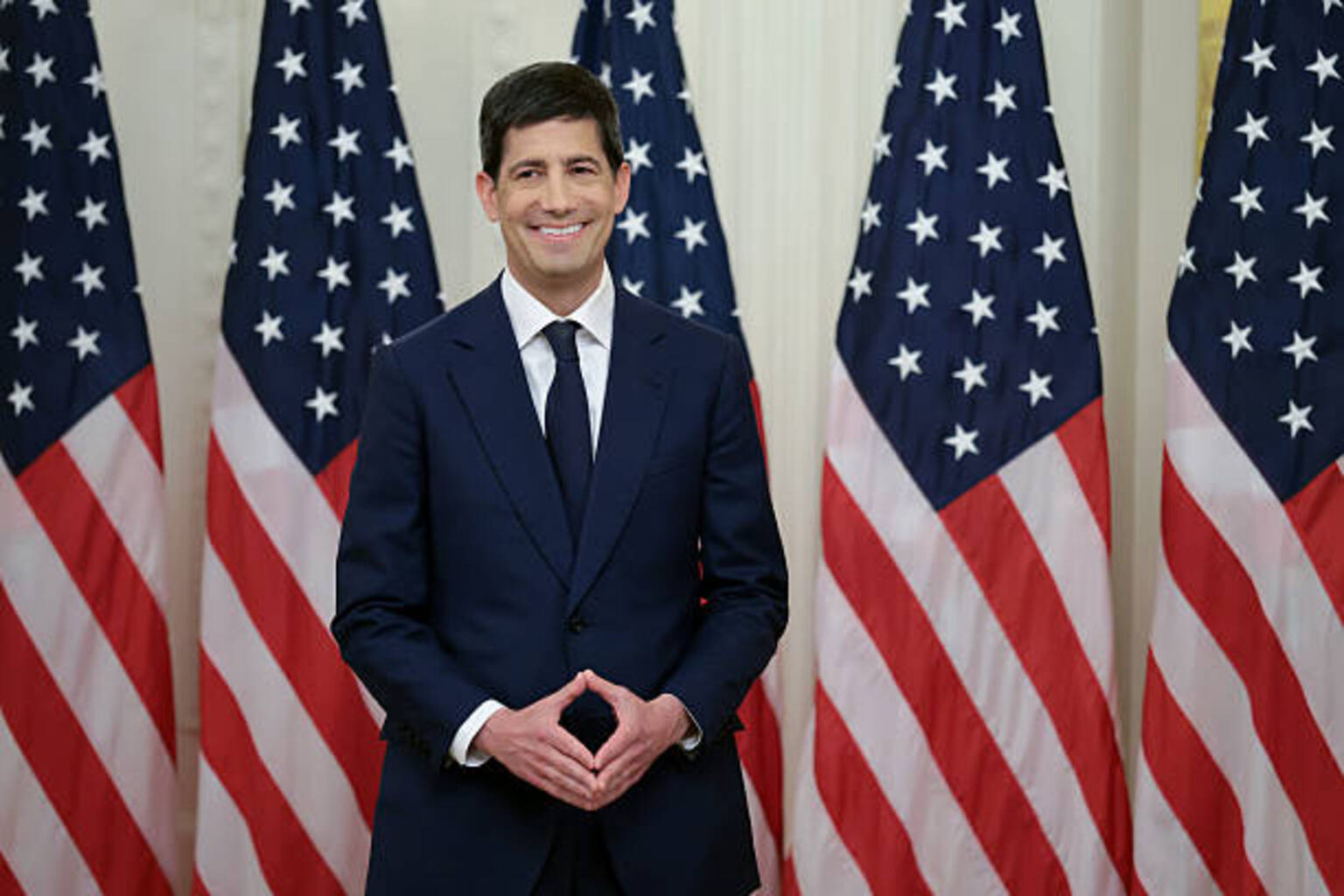
Kevin Warsh Sworn in as Federal Reserve Chairman
- New Chairman Sworn In: Kevin Warsh was sworn in as the 17th chairman of the Federal Reserve on Friday, succeeding Jerome Powell, who served for eight years, with President Trump officiating the ceremony, indicating strong trust and expectations for Warsh's leadership.
- Commitment to Independence and Integrity: Trump emphasized that Warsh should maintain “total independence” while leading the Fed and aims to restore the institution's integrity, reflecting urgent demands for reform in current monetary policy.
- Economic Growth Outlook: Warsh pledged to fulfill his role with “energy and purpose,” stating that pursuing maximum employment and price stability could lead to unprecedented prosperity for America, showcasing an optimistic view of future economic conditions.
- Market Reaction and Rate Expectations: As Warsh takes office, traders are increasing bets that the Federal Reserve will raise its benchmark rate by the end of the year, highlighting the market's keen interest and uncertainty regarding future monetary policy directions.
Novo Nordisk's Wegovy Recommended for EU Approval as First Oral Weight-Loss Drug
- Intensifying Market Competition: Novo Nordisk's weight-loss pill Wegovy has received a recommendation for approval from the European Medicines Agency, becoming the first oral weight-loss drug in Europe, highlighting intensified competition with U.S. rival Eli Lilly as the obesity drug market is projected to reach $150 billion in the next decade.
- Significant Clinical Trial Results: In a late-stage study, patients taking the 25-milligram Wegovy pill lost an average of 16.6% of their body weight compared to just 2.7% for the placebo group, demonstrating the drug's effectiveness in weight loss, which may attract more patients to oral treatments.
- Market Expansion Potential: Following its U.S. launch, Wegovy gained an early market advantage after FDA approval, while Lilly's weight-loss pill Zepbound was also launched in April, indicating that oral treatments could draw in new patients and drive market expansion rather than merely switching users from injections.
- Regulatory Review Process: The EMA's recommendation will be reviewed by the European Commission for marketing authorization, with expectations that the regulatory review of this new generation of weight-loss pills will conclude this summer, further advancing Novo Nordisk's market positioning.
Eli Lilly Showcases New Therapy Data at ASCO Meeting
- Clinical Trial Results: Eli Lilly's Phase 3 LIBRETTO-432 study demonstrates significant event-free survival outcomes for Retevmo (selpercatinib) in RET fusion-positive NSCLC patients, likely enhancing the drug's market acceptance and sales growth.
- New Drug Presentation: Verzenio (abemaciclib) has been selected for a Plenary Session presentation in the Phase 3 SARC041 study for patients with advanced dedifferentiated liposarcoma, indicating Lilly's ongoing innovation and exploration of new indications in cancer treatment.
- Acquisition Progress: Lilly has agreed to acquire Kelonia Therapeutics, which will present updated data on its BCMA-targeted CAR-T therapy for relapsed multiple myeloma at the conference, further strengthening Lilly's competitive position in cell therapy.
- Diverse Investments: Lilly will also showcase initial clinical results for an investigational ADC targeting Nectin-4, highlighting its potential in treating various cancers and reflecting the company's broad investment and commitment to oncology research and development.
Uber Considers Full Takeover of Delivery Hero
- Uber Acquisition Intent: Uber (UBER) raised its stake in Delivery Hero (DELHY) this week and is working with advisers to evaluate a full takeover, a move that could significantly enhance its competitive position in the food delivery market.
- Parker Hannifin Acquisition: Parker Hannifin (PH) is set to acquire CIRCOR International's Commercial and Defense Aerospace business for $2.55 billion on a cash-free, debt-free basis, which will further solidify its market position in the aerospace sector.
- Zscaler Acquires Symmetry: Zscaler (ZS) announced the acquisition of privately held Symmetry Systems to boost its artificial intelligence capabilities; while terms of the deal were not disclosed, it is expected to close in the coming days, reflecting its commitment to technological innovation.
- Apartment Merger: Equity Residential (EQR) and AvalonBay Communities (AVB) agreed to an all-stock merger, creating a major U.S. rental housing company with approximately $52 billion in equity market value and over 180,000 apartment units, which will further consolidate market resources.
Healthcare Stocks Surge Due to Innovation and Policy Changes
- Strong Sector Performance: The healthcare sector has shown remarkable performance, with the State Street Health Care Select Sector SPDR ETF (XLV) rising 3.3% over the past week, significantly outperforming the S&P 500's 0.5% gain, indicating a robust rebound and renewed investor confidence in healthcare stocks.
- Drug Innovation Driving Prices: Merck (MRK) saw a substantial stock price increase after announcing a lung cancer drug that reduced tumor progression risk by 65% in a Phase 3 study, highlighting the positive impact of ongoing pharmaceutical innovation on stock valuations.
- Favorable Medicare Policies: The Centers for Medicare and Medicaid Services announced that starting in 2027, Eli Lilly's (LLY) GLP-1 drugs will be available to Medicare patients for $50 a month, resulting in a 25% stock price increase for Lilly over three weeks, demonstrating the direct support of policy changes for healthcare stocks.
- Aging Population Trend: The global aging population is driving increased demand for pharmaceuticals, medical devices, and health insurance, positioning the healthcare sector as a focal point for investors seeking growth opportunities in the face of demographic shifts.
Healthcare Sector Sees Best Week in Six Months
- Strong Sector Performance: The State Street Health Care Select Sector SPDR ETF (XLV) rose 3.3% over the past five trading days, significantly outperforming the S&P 500's 0.5% gain, establishing healthcare as the top-performing sector this week and reflecting strong investor confidence in the industry.
- Pharmaceutical Innovation: Merck (MRK) saw its stock rise 5.63% this week after announcing a 65% reduction in tumor progression risk from a lung cancer drug developed with a Chinese partner in a Phase 3 study, highlighting the ongoing innovation within the pharmaceutical sector.
- Favorable Insurance Policies: The Centers for Medicare and Medicaid Services announced that Eli Lilly's (LLY) GLP-1 drugs will be available to Medicare patients for $50 a month starting January 2027, leading to a 25% stock price increase for Lilly over three weeks, showcasing the positive impact of policy changes on company performance.
- Aging Population Trend: The global aging population is driving increased demand for pharmaceuticals and medical services, positioning the healthcare sector for robust growth and attracting investors to healthcare ETFs as a safer investment choice amid economic uncertainties.
Kevin Warsh Sworn in as Federal Reserve Chairman
- New Chairman Sworn In: Kevin Warsh was sworn in as the 17th chairman of the Federal Reserve on Friday, succeeding Jerome Powell, who served for eight years, with President Trump officiating the ceremony, indicating strong trust and expectations for Warsh's leadership.
- Commitment to Independence and Integrity: Trump emphasized that Warsh should maintain “total independence” while leading the Fed and aims to restore the institution's integrity, reflecting urgent demands for reform in current monetary policy.
- Economic Growth Outlook: Warsh pledged to fulfill his role with “energy and purpose,” stating that pursuing maximum employment and price stability could lead to unprecedented prosperity for America, showcasing an optimistic view of future economic conditions.
- Market Reaction and Rate Expectations: As Warsh takes office, traders are increasing bets that the Federal Reserve will raise its benchmark rate by the end of the year, highlighting the market's keen interest and uncertainty regarding future monetary policy directions.