Electric Vehicle Market Outlook and Investment Opportunities
Written by Emily J. Thompson, Senior Investment Analyst
Updated: 3 days ago
0mins

Source: Fool
- Market Growth Outlook: Grand View Research forecasts a 26.7% CAGR for the global EV market from 2026 to 2033, indicating strong growth potential despite challenges such as reduced government subsidies and supply chain disruptions.
- Rivian's Production Issues: Rivian's stock has plummeted from $78 in 2021 to around $16 today, yet it anticipates delivering 62,000-67,000 vehicles in 2023; however, production challenges and high starting prices have limited its market appeal, resulting in a market cap of only $20 billion.
- Nio's Market Share Growth: Nio's annual deliveries surged from 43,728 in 2020 to 326,028 by 2025, with its current stock price at $5, while its share in China's premium EV market continues to expand, projecting revenues nearing $25.8 billion by 2028.
- Improving Profitability: Nio has recently spun off its unprofitable chip-making segment, reducing operating costs, and has maintained profitability over the past two quarters, with analysts expecting it to achieve its first full-year profit in 2027, suggesting significant undervaluation of its stock.
Trade with 70% Backtested Accuracy
Stop guessing "Should I Buy RIVN?" and start using high-conviction signals backed by rigorous historical data.
Sign up today to access powerful investing tools and make smarter, data-driven decisions.
Analyst Views on RIVN
Wall Street analysts forecast RIVN stock price to rise
18 Analyst Rating
8 Buy
7 Hold
3 Sell
Moderate Buy
Current: 16.260

Low
10.00
Averages
17.78
High
25.00
Current: 16.260
Low
10.00
Averages
17.78
High
25.00
About RIVN
Rivian Automotive, Inc. is an automotive technology company, which is engaged in developing and manufacturing category-defining electric vehicles (EVs) as well as vertically integrated technologies and services. The Company's R1 platform consists of two vehicles: the R1T, a two-row five-passenger pickup truck, and the R1S, a three-row seven-passenger sport utility vehicle (SUV). In the commercial market, the Company offers a Rivian Commercial Vehicle (RCV) platform. The vehicle on this platform is the Electric Delivery Van (EDV), designed and engineered by Rivian in collaboration with Amazon. The Company also offers FleetOS, its proprietary, end-to-end centralized fleet management subscription platform. It also offers a variety of services, including vehicle repair and maintenance, financing, insurance, joint venture, software subscriptions, and vehicle accessories, among others. Its other services include vehicle electrical architecture and software development services, and more.
About the author

Emily J. Thompson
Emily J. Thompson, a Chartered Financial Analyst (CFA) with 12 years in investment research, graduated with honors from the Wharton School. Specializing in industrial and technology stocks, she provides in-depth analysis for Intellectia’s earnings and market brief reports.
Intensifying Competition and New Opportunities in the EV Market

- Increased Market Competition: Rivian's launch of the R2 model enters a market with 20 competing electric SUVs, and with EV sales dropping to 216,000 units in Q4 2025 due to tax policy changes, this stagnation may hinder Rivian's market share growth.
- Growth in Used EV Market: The influx of early EVs into the used market is driving consumer interest in second-hand electric vehicles, potentially leading to prices nearing parity with traditional gas cars, which could further pressure new car sales for Rivian.
- Technological and Profitability Challenges: Rivian aims for full autonomy by 2028, yet faces significant hurdles in technology readiness and market competition, particularly concerning high hardware costs and profitability, which could impact its long-term viability.
- Cautious Investor Sentiment: Despite the launch of new models, analysts express caution regarding Rivian's market outlook, emphasizing the need for the company to establish a profitable business model rather than merely focusing on sales volume.
See More

SpaceX Completes Historic IPO, Attracts Investor Interest


- Strong IPO Performance: SpaceX completed the world's largest IPO at $135 per share, opening at $150 and gaining 23% in its first week of trading, indicating robust market demand and investor confidence.
- Investment Risk Advisory: Despite the strong short-term performance, SpaceX's long-term profitability remains uncertain, particularly as its AI business incurred over $12 billion in capital expenditures last year, leading to a net loss, necessitating cautious risk assessment by investors.
- Technological Innovation Potential: SpaceX is developing reusable rocket technology, aiming to launch the Starship later this year, which could significantly reduce launch costs for clients like NASA while supporting its connectivity and AI businesses, enhancing overall operational efficiency.
- Historical Performance Reference: SpaceX's first-day gain of nearly 20% aligns with the average IPO return from 1990 to 2025, but historical data shows that 8 out of the 10 largest IPOs experienced stock price declines within 12 months, averaging a 12% drop, suggesting investors should prepare for potential volatility.
See More

SpaceX Achieves Historic Largest IPO

- IPO Performance: SpaceX completed its IPO at $135 per share, opening at $150 and gaining 23% in its first week of trading, indicating strong market demand and investor confidence, although this short-term surge may not be sustainable.
- Attractive Technology Potential: Amid the AI boom, SpaceX has drawn investor interest with its rocket launches, satellite connectivity, and AI technology, particularly the development of reusable rockets that could significantly reduce costs for clients like NASA, enhancing long-term profitability.
- High Investment Requirements: To achieve its goals, SpaceX must invest billions annually, with capital expenditures in AI exceeding $12 billion last year, resulting in a net loss, meaning investors must accept the risk of limited profitability.
- Historical Performance Reference: SpaceX's first-day gain of nearly 20% aligns with the average IPO return from 1990 to 2025, but historical data shows that 8 out of the 10 largest IPOs experienced stock price declines in the following 12 months, averaging a 12% drop, indicating potential volatility risks for SpaceX's future stock price.
See More

Rivian R2 Launch and EV Market Dynamics
- Rivian R2 Launch: Rivian has begun selling the R2 electric vehicle, which may attract consumers interested in EVs despite intense market competition; however, its pricing strategy faces pressure from traditional automakers.
- Decline in EV Sales: According to Cox Automotive, EV sales were 216,000 units in Q4 2025, flat compared to three to four years ago, indicating a negative impact on market demand due to the end of tax incentives.
- Growth in Used EV Market: With early adopters' EVs flooding the used market, prices for used EVs could approach those of traditional gas cars within the next five years, creating a new competitive landscape.
- Challenges in Autonomous Driving: Although Rivian aims for full autonomy by 2028, the complexity of the technology and market competition pose significant challenges that could impact profitability and market share.
See More
Rivian Faces New Regulatory Scrutiny Over Vehicle Safety
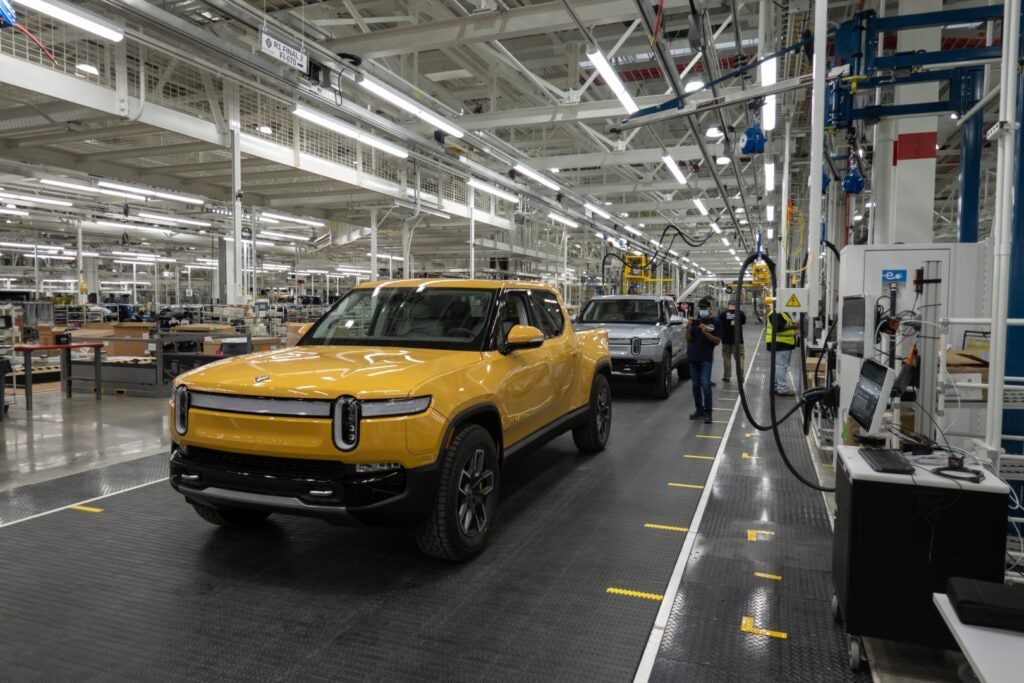
- Regulatory Investigation Initiated: The US National Highway Traffic Safety Administration has opened a preliminary probe into nearly 115,000 Rivian vehicles after receiving two owner questionnaires indicating that the left rear toe link may separate while driving, leading to potential safety hazards including collisions.
- Company Response: Rivian stated in an email that its internal data shows the R1 toe link joints are 'operating as intended,' disputing the basis of the questionnaires, which indicates the company's commitment to safety and cooperation with the investigation.
- Background of Investigation: This probe follows a January recall of nearly 20,000 R1S and R1T vehicles due to incorrectly assembled rear toe link bolts, with Rivian promising to replace them free of charge, demonstrating proactive measures in addressing safety concerns.
- Market Impact: While Rivian holds potential in the electric vehicle market, analysts suggest that certain AI stocks may offer greater upside potential and lower downside risk, reflecting a cautious investor sentiment regarding Rivian's future performance.
See More
Amazon's Strategic Investment in Rivian: Future Prospects

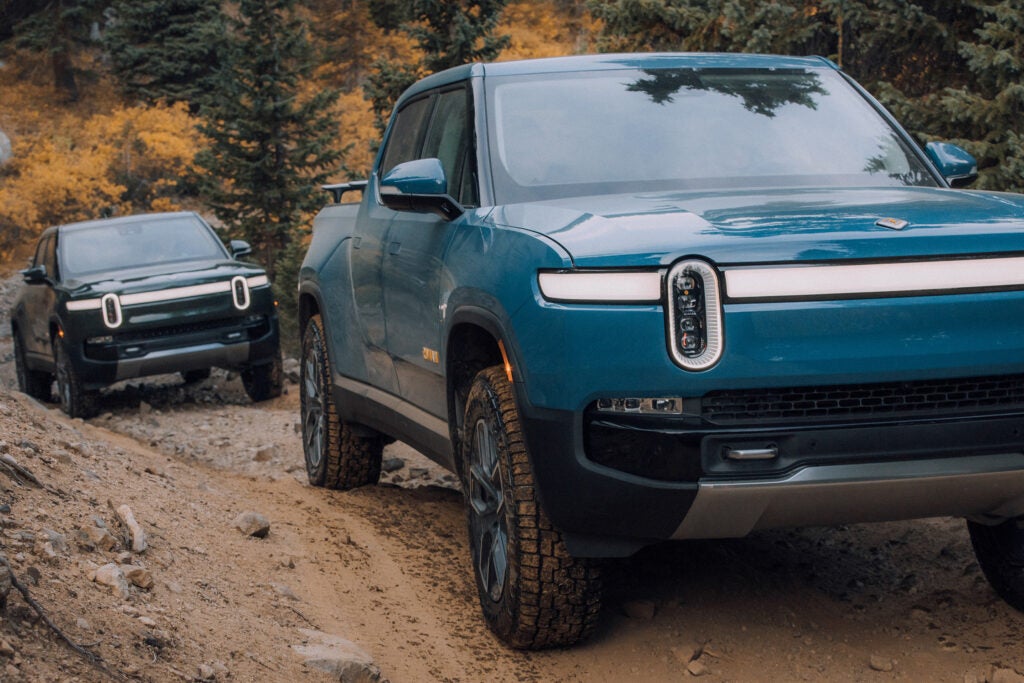
- Investment Return Potential: Amazon's investment of over $700 million in Rivian, holding approximately 158.36 million shares, reflects its confidence in the electric vehicle market, anticipating reduced transportation costs through Rivian's electric delivery vans, thereby enhancing overall profitability.
- Strong Financial Performance: Rivian's first-quarter revenue increased by 11% year-over-year to $1.4 billion, despite a slowdown in the U.S. EV market, demonstrating its robust growth potential in a competitive landscape, which may attract more investor interest.
- New Model Launch: Rivian is launching the R2 model aimed at the midsize SUV market with a more appealing price point, and if successful, it could significantly increase its market share, particularly in competition with Tesla's Model Y.
- Autonomous Driving Partnership: Rivian's agreement with Uber to roll out self-driving taxis by 2028 could secure up to $1.25 billion in investments, further solidifying its leadership position in the autonomous vehicle market if successful.
See More
Intensifying Competition and New Opportunities in the EV Market
- Increased Market Competition: Rivian's launch of the R2 model enters a market with 20 competing electric SUVs, and with EV sales dropping to 216,000 units in Q4 2025 due to tax policy changes, this stagnation may hinder Rivian's market share growth.
- Growth in Used EV Market: The influx of early EVs into the used market is driving consumer interest in second-hand electric vehicles, potentially leading to prices nearing parity with traditional gas cars, which could further pressure new car sales for Rivian.
- Technological and Profitability Challenges: Rivian aims for full autonomy by 2028, yet faces significant hurdles in technology readiness and market competition, particularly concerning high hardware costs and profitability, which could impact its long-term viability.
- Cautious Investor Sentiment: Despite the launch of new models, analysts express caution regarding Rivian's market outlook, emphasizing the need for the company to establish a profitable business model rather than merely focusing on sales volume.
See More
SpaceX Completes Historic IPO, Attracts Investor Interest
- Strong IPO Performance: SpaceX completed the world's largest IPO at $135 per share, opening at $150 and gaining 23% in its first week of trading, indicating robust market demand and investor confidence.
- Investment Risk Advisory: Despite the strong short-term performance, SpaceX's long-term profitability remains uncertain, particularly as its AI business incurred over $12 billion in capital expenditures last year, leading to a net loss, necessitating cautious risk assessment by investors.
- Technological Innovation Potential: SpaceX is developing reusable rocket technology, aiming to launch the Starship later this year, which could significantly reduce launch costs for clients like NASA while supporting its connectivity and AI businesses, enhancing overall operational efficiency.
- Historical Performance Reference: SpaceX's first-day gain of nearly 20% aligns with the average IPO return from 1990 to 2025, but historical data shows that 8 out of the 10 largest IPOs experienced stock price declines within 12 months, averaging a 12% drop, suggesting investors should prepare for potential volatility.
See More
SpaceX Achieves Historic Largest IPO
- IPO Performance: SpaceX completed its IPO at $135 per share, opening at $150 and gaining 23% in its first week of trading, indicating strong market demand and investor confidence, although this short-term surge may not be sustainable.
- Attractive Technology Potential: Amid the AI boom, SpaceX has drawn investor interest with its rocket launches, satellite connectivity, and AI technology, particularly the development of reusable rockets that could significantly reduce costs for clients like NASA, enhancing long-term profitability.
- High Investment Requirements: To achieve its goals, SpaceX must invest billions annually, with capital expenditures in AI exceeding $12 billion last year, resulting in a net loss, meaning investors must accept the risk of limited profitability.
- Historical Performance Reference: SpaceX's first-day gain of nearly 20% aligns with the average IPO return from 1990 to 2025, but historical data shows that 8 out of the 10 largest IPOs experienced stock price declines in the following 12 months, averaging a 12% drop, indicating potential volatility risks for SpaceX's future stock price.
See More
Rivian R2 Launch and EV Market Dynamics
- Rivian R2 Launch: Rivian has begun selling the R2 electric vehicle, which may attract consumers interested in EVs despite intense market competition; however, its pricing strategy faces pressure from traditional automakers.
- Decline in EV Sales: According to Cox Automotive, EV sales were 216,000 units in Q4 2025, flat compared to three to four years ago, indicating a negative impact on market demand due to the end of tax incentives.
- Growth in Used EV Market: With early adopters' EVs flooding the used market, prices for used EVs could approach those of traditional gas cars within the next five years, creating a new competitive landscape.
- Challenges in Autonomous Driving: Although Rivian aims for full autonomy by 2028, the complexity of the technology and market competition pose significant challenges that could impact profitability and market share.
See More
Rivian Faces New Regulatory Scrutiny Over Vehicle Safety
- Regulatory Investigation Initiated: The US National Highway Traffic Safety Administration has opened a preliminary probe into nearly 115,000 Rivian vehicles after receiving two owner questionnaires indicating that the left rear toe link may separate while driving, leading to potential safety hazards including collisions.
- Company Response: Rivian stated in an email that its internal data shows the R1 toe link joints are 'operating as intended,' disputing the basis of the questionnaires, which indicates the company's commitment to safety and cooperation with the investigation.
- Background of Investigation: This probe follows a January recall of nearly 20,000 R1S and R1T vehicles due to incorrectly assembled rear toe link bolts, with Rivian promising to replace them free of charge, demonstrating proactive measures in addressing safety concerns.
- Market Impact: While Rivian holds potential in the electric vehicle market, analysts suggest that certain AI stocks may offer greater upside potential and lower downside risk, reflecting a cautious investor sentiment regarding Rivian's future performance.
See More
Amazon's Strategic Investment in Rivian: Future Prospects
- Investment Return Potential: Amazon's investment of over $700 million in Rivian, holding approximately 158.36 million shares, reflects its confidence in the electric vehicle market, anticipating reduced transportation costs through Rivian's electric delivery vans, thereby enhancing overall profitability.
- Strong Financial Performance: Rivian's first-quarter revenue increased by 11% year-over-year to $1.4 billion, despite a slowdown in the U.S. EV market, demonstrating its robust growth potential in a competitive landscape, which may attract more investor interest.
- New Model Launch: Rivian is launching the R2 model aimed at the midsize SUV market with a more appealing price point, and if successful, it could significantly increase its market share, particularly in competition with Tesla's Model Y.
- Autonomous Driving Partnership: Rivian's agreement with Uber to roll out self-driving taxis by 2028 could secure up to $1.25 billion in investments, further solidifying its leadership position in the autonomous vehicle market if successful.
See More