Eisai and Biogen Release Long-Term Treatment Data for Lecanemab
Eisai (ESAIY) and Biogen (BIIB) announced that new real-world findings from an analysis of long-term treatment persistence and baseline characteristics among people receiving intravenou lecanemab, an anti-amyloid-beta protofibril antibody, showed that most patients continue with ongoing lecanemab therapy after the initial 18 months of treatment. The analysis was presented at the 20th International Conference on Alzheimer's and Parkinson's Diseases and Related Neurological Disorders in Copenhagen, Denmark, and online. In real-world clinical practice, patients with chronic diseases who stay on their treatments longer tend to experience better clinical outcomes and higher satisfaction. Ninety-four percent of patients who completed 18 months of lecanemab treatment in the Phase III Clarity AD study chose to continue maintenance treatment by enrolling in the subsequent open-label, long-term extension study. In the OLE of the Clarity AD study, patients continue to benefit from four years of lecanemab treatment compared with the natural course of Alzheimer's disease. Long-Term Persistence and Patient Characteristics for Lecanemab in Real-World Use in the United States: This analysis is the first time real-world lecanemab data on treatment persistence beyond 18 months has been reported. This study was a retrospective observational analysis using the PurpleLab CLEAR Claims database, a comprehensive dataset based on medical insurance claims across the United States and was conducted to evaluate the long-term treatment persistence of lecanemab in real-world clinical practice. The analysis population consisted of 10,763 individuals who met the requirement for continuous healthcare encounters, out of the 13,388 individuals recorded in the database who received at least one IV treatment with lecanemab between January 6, 2023 and November 30, 2025. At baseline, the mean age was 73.8 years and 56.5% were female. The most common comorbidities were dyslipidemia and hypertension. The mean follow-up duration was 350.9 days. The average number of administrations was 1.7 per month, and the mean dosing interval was 16.4 days, which was generally consistent with the recommended every two weeks dosing. The time-dependent proportion of patients who remained on lecanemab treatment was evaluated using the Kaplan-Meier method in a subgroup of 371 patients who initiated treatment in 2023 and had 20 months of continuous follow-up, thereby enabling assessment of long-term treatment persistence beyond 18 months. As a result, 78.4% of individuals continued lecanemab treatment at 18 months, 71.7% at 20 months, and 67.3% at 24 months. Of the 78.4% of patients who remained on lecanemab at 18 months, the majority of them continued treatment during the maintenance period beyond 18 months, confirming a high rate of treatment persistence with lecanemab in real-world clinical practice. The patient characteristics and dosing patterns observed in this claims-based analysis were generally similar to those reported in the Clarity AD study. Furthermore, the relatively high treatment adherence observed among individuals suggests that potential delays due to MRI monitoring requirements, adverse events, and other factors did not substantially affect lecanemab dosing.
Trade with 70% Backtested Accuracy
Analyst Views on BIIB

About BIIB
About the author

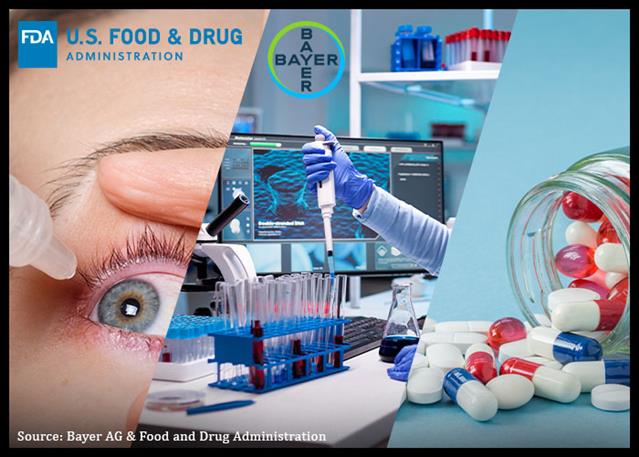
Biotech Landscape Update: Regulatory Approvals and Acquisitions
- ARS Pharma Expands Neffy Label: ARS Pharmaceuticals received FDA approval to update the Neffy 1mg label, removing age restrictions for individuals weighing over 33 lbs, which is expected to significantly boost market demand and enhance the company's competitive edge in allergy treatment.
- Novo Nordisk Wins Approval for Awiqli: Novo Nordisk's Awiqli (insulin icodec-abae) received FDA approval as the first once-weekly basal insulin, with a U.S. launch planned for 2H 2026, strengthening the company's leadership in diabetes care.
- Biogen Acquires Apellis: Biogen has agreed to acquire Apellis for $41 per share, valuing the deal at approximately $5.6 billion, which is expected to enhance its market share in immunology and rare diseases while driving future revenue growth.
- Takeda's Zasocitinib Clinical Trial Success: Takeda's Zasocitinib showed that about 70% of patients achieved significant skin clearance in Phase 3 trials, with plans to submit a New Drug Application in 2026, further solidifying its position in the dermatology market.

Biogen's $5.6 Billion Acquisition of Apellis Pharmaceuticals Fails to Boost Stock Price
- Acquisition Overview: Biogen announced its agreement to acquire Apellis Pharmaceuticals for $41 per share in cash, totaling approximately $5.6 billion; however, despite a nearly 3% rise in the broader market, Biogen's stock fell over 2%, indicating investor skepticism about the deal.
- Drug Portfolio Insight: Apellis has two FDA-approved treatments, including Syfovre for age-related macular degeneration (AMD) and Empaveli for rare diseases, and Biogen's acquisition aims to enhance its portfolio in immunology and rare diseases, which are critical growth areas.
- Market Reaction Analysis: Although Biogen's CEO stated that the acquisition would bolster the company's growth potential, investor sentiment appears cautious, leading to a decline in stock price even as the market rallied, reflecting doubts about the deal's immediate value.
- Strategic Transformation: Biogen is transitioning from its previous focus on multiple sclerosis to emerging therapeutic areas like Alzheimer's and postpartum depression, and this acquisition underscores its commitment to future growth, despite the negative short-term market reaction.

Biogen to Acquire Apellis Pharmaceuticals for $5.6 Billion
- Acquisition Overview: Biogen has announced its agreement to acquire Apellis Pharmaceuticals for $41 per share in cash, totaling approximately $5.6 billion, which will enhance Biogen's portfolio in immunology and rare diseases.
- Market Potential of Drugs: Apellis currently has two FDA-approved treatments on the U.S. market, Syfovre for age-related macular degeneration (AMD) and Empaveli for rare blood diseases, making these successful drugs the primary drivers behind the acquisition.
- Market Reaction Analysis: Despite the acquisition news, Biogen's stock price fell over 2% during the trading session, indicating that investors are cautious about the prospects of the deal, possibly concerned about balancing the high cost of acquisition with future returns.
- Strategic Transformation Context: This acquisition signifies Biogen's shift from its previous focus on the multiple sclerosis market to emerging therapeutic areas such as Alzheimer's and postpartum depression, demonstrating the company's strong commitment to future growth.
US Stocks Surge on Hopes for End to Iran War


- Market Rally: The S&P 500 index rose by 2.91%, the Dow Jones Industrial Average by 2.49%, and the Nasdaq 100 by 3.43%, reflecting market optimism regarding the potential end of the Iran war, which could lower energy prices and ease inflation concerns.
- Consumer Confidence Boost: The US March consumer confidence index unexpectedly increased by 0.8 to 91.8, surpassing the anticipated decline to 87.9, indicating a strengthening consumer outlook that may drive spending and economic growth.
- Strength in China: China's March manufacturing PMI rose to 50.4, better than the expected 50.1, signaling signs of economic recovery that could positively impact global growth prospects and further support US stock performance.
- Falling Bond Yields: The 10-year Treasury note yield dropped to 4.28%, a one-week low, reflecting reduced inflation worries, which may provide support for the stock market and enhance investor interest in equities.

Health Care Stocks Rise 2% Boosting Market


- Strong Performance in Health Care: Late Tuesday afternoon, the NYSE Health Care Index rose by 2%, indicating a rebound in investor confidence towards the health sector, likely driven by an overall improvement in market sentiment.
- Signs of Market Recovery: The rise in health care stocks reflects optimistic expectations for economic recovery, particularly post-pandemic, as demand for health services continues to grow, potentially boosting the performance of related companies.
- Increased Investor Attention: With the improved performance of the health care sector, investors may reassess their portfolios and increase allocations to health stocks, thereby driving further growth and stability in the industry.
- Optimistic Industry Outlook: The strong performance in the health sector could attract more capital inflows, especially in the fields of innovative drugs and medical technologies, which are expected to provide momentum for future growth.
US Stocks Surge as Market Sentiment Improves

- Market Sentiment Improves: The S&P 500 index rose by 1.02%, the Dow Jones Industrial Average increased by 0.67%, and the Nasdaq 100 surged by 1.10% as President Trump signaled a willingness to end military actions against Iran, reflecting investor optimism over easing geopolitical risks.
- Falling Bond Yields: The 10-year Treasury note yield dropped to a one-week low of 4.30%, indicating market expectations that an end to the Iran conflict could lower energy prices and alleviate inflation concerns, further supporting stock market gains.
- Consumer Confidence Rises: The US March consumer confidence index unexpectedly increased by 0.8 to 91.8, surpassing expectations of a decline to 87.9, suggesting enhanced consumer confidence in economic prospects, which could drive spending and economic growth.
- Strong Chinese Economy: China's March manufacturing PMI rose to 50.4, exceeding expectations of 50.1, indicating signs of economic recovery that support global growth prospects and positively influence market performance.
Biotech Landscape Update: Regulatory Approvals and Acquisitions
- ARS Pharma Expands Neffy Label: ARS Pharmaceuticals received FDA approval to update the Neffy 1mg label, removing age restrictions for individuals weighing over 33 lbs, which is expected to significantly boost market demand and enhance the company's competitive edge in allergy treatment.
- Novo Nordisk Wins Approval for Awiqli: Novo Nordisk's Awiqli (insulin icodec-abae) received FDA approval as the first once-weekly basal insulin, with a U.S. launch planned for 2H 2026, strengthening the company's leadership in diabetes care.
- Biogen Acquires Apellis: Biogen has agreed to acquire Apellis for $41 per share, valuing the deal at approximately $5.6 billion, which is expected to enhance its market share in immunology and rare diseases while driving future revenue growth.
- Takeda's Zasocitinib Clinical Trial Success: Takeda's Zasocitinib showed that about 70% of patients achieved significant skin clearance in Phase 3 trials, with plans to submit a New Drug Application in 2026, further solidifying its position in the dermatology market.
Biogen's $5.6 Billion Acquisition of Apellis Pharmaceuticals Fails to Boost Stock Price
- Acquisition Overview: Biogen announced its agreement to acquire Apellis Pharmaceuticals for $41 per share in cash, totaling approximately $5.6 billion; however, despite a nearly 3% rise in the broader market, Biogen's stock fell over 2%, indicating investor skepticism about the deal.
- Drug Portfolio Insight: Apellis has two FDA-approved treatments, including Syfovre for age-related macular degeneration (AMD) and Empaveli for rare diseases, and Biogen's acquisition aims to enhance its portfolio in immunology and rare diseases, which are critical growth areas.
- Market Reaction Analysis: Although Biogen's CEO stated that the acquisition would bolster the company's growth potential, investor sentiment appears cautious, leading to a decline in stock price even as the market rallied, reflecting doubts about the deal's immediate value.
- Strategic Transformation: Biogen is transitioning from its previous focus on multiple sclerosis to emerging therapeutic areas like Alzheimer's and postpartum depression, and this acquisition underscores its commitment to future growth, despite the negative short-term market reaction.
Biogen to Acquire Apellis Pharmaceuticals for $5.6 Billion
- Acquisition Overview: Biogen has announced its agreement to acquire Apellis Pharmaceuticals for $41 per share in cash, totaling approximately $5.6 billion, which will enhance Biogen's portfolio in immunology and rare diseases.
- Market Potential of Drugs: Apellis currently has two FDA-approved treatments on the U.S. market, Syfovre for age-related macular degeneration (AMD) and Empaveli for rare blood diseases, making these successful drugs the primary drivers behind the acquisition.
- Market Reaction Analysis: Despite the acquisition news, Biogen's stock price fell over 2% during the trading session, indicating that investors are cautious about the prospects of the deal, possibly concerned about balancing the high cost of acquisition with future returns.
- Strategic Transformation Context: This acquisition signifies Biogen's shift from its previous focus on the multiple sclerosis market to emerging therapeutic areas such as Alzheimer's and postpartum depression, demonstrating the company's strong commitment to future growth.
US Stocks Surge on Hopes for End to Iran War
- Market Rally: The S&P 500 index rose by 2.91%, the Dow Jones Industrial Average by 2.49%, and the Nasdaq 100 by 3.43%, reflecting market optimism regarding the potential end of the Iran war, which could lower energy prices and ease inflation concerns.
- Consumer Confidence Boost: The US March consumer confidence index unexpectedly increased by 0.8 to 91.8, surpassing the anticipated decline to 87.9, indicating a strengthening consumer outlook that may drive spending and economic growth.
- Strength in China: China's March manufacturing PMI rose to 50.4, better than the expected 50.1, signaling signs of economic recovery that could positively impact global growth prospects and further support US stock performance.
- Falling Bond Yields: The 10-year Treasury note yield dropped to 4.28%, a one-week low, reflecting reduced inflation worries, which may provide support for the stock market and enhance investor interest in equities.
Health Care Stocks Rise 2% Boosting Market
- Strong Performance in Health Care: Late Tuesday afternoon, the NYSE Health Care Index rose by 2%, indicating a rebound in investor confidence towards the health sector, likely driven by an overall improvement in market sentiment.
- Signs of Market Recovery: The rise in health care stocks reflects optimistic expectations for economic recovery, particularly post-pandemic, as demand for health services continues to grow, potentially boosting the performance of related companies.
- Increased Investor Attention: With the improved performance of the health care sector, investors may reassess their portfolios and increase allocations to health stocks, thereby driving further growth and stability in the industry.
- Optimistic Industry Outlook: The strong performance in the health sector could attract more capital inflows, especially in the fields of innovative drugs and medical technologies, which are expected to provide momentum for future growth.
US Stocks Surge as Market Sentiment Improves
- Market Sentiment Improves: The S&P 500 index rose by 1.02%, the Dow Jones Industrial Average increased by 0.67%, and the Nasdaq 100 surged by 1.10% as President Trump signaled a willingness to end military actions against Iran, reflecting investor optimism over easing geopolitical risks.
- Falling Bond Yields: The 10-year Treasury note yield dropped to a one-week low of 4.30%, indicating market expectations that an end to the Iran conflict could lower energy prices and alleviate inflation concerns, further supporting stock market gains.
- Consumer Confidence Rises: The US March consumer confidence index unexpectedly increased by 0.8 to 91.8, surpassing expectations of a decline to 87.9, suggesting enhanced consumer confidence in economic prospects, which could drive spending and economic growth.
- Strong Chinese Economy: China's March manufacturing PMI rose to 50.4, exceeding expectations of 50.1, indicating signs of economic recovery that support global growth prospects and positively influence market performance.