Duffy Alerts to Potential Flight Disruptions Amid Ongoing Shutdown: These ETFs May Be Affected


Government Shutdown Impact: The U.S. government shutdown has reached 35 days, causing significant concerns in the aviation sector, particularly regarding potential airspace closures and increased flight delays due to staffing shortages.
Airline ETFs Under Pressure: Airline-focused ETFs like U.S. Global Jets ETF (JETS) and Amplify Travel Tech ETF (AWAY) are facing uncertainty, with JETS experiencing pressure despite a recent uptick, as operational disruptions could lead to further losses.
Warnings from Transportation Secretary: Transportation Secretary Sean Duffy warned of "mass cancellations" and possible airspace closures if the shutdown continues, highlighting that staffing shortages have already led to significant flight delays.
Investor Outlook: While the current situation poses risks for airline ETFs, there is potential for recovery once operations stabilize post-shutdown, similar to past disruptions, although the long-term impact on air traffic controller recruitment remains a concern.
Trade with 70% Backtested Accuracy
Analyst Views on ABNB

About ABNB
About the author


Investment Comparison: Airbnb vs. MGM Resorts


- Airbnb Market Advantage: Airbnb connects over 5 million hosts with 8 million active listings globally, achieving nearly $12.2 billion in revenue for FY 2025, reflecting a 10.3% year-over-year growth that underscores its strong position in the short-term rental market, while its asset-light model mitigates operational risks.
- MGM Financial Status: MGM Resorts International reported nearly $17.5 billion in revenue for FY 2025, with a modest 1.7% year-over-year increase; however, its net income of approximately $206.2 million represents a significant decline from the previous year, indicating financial pressures amid a competitive landscape.
- Risks and Challenges: Airbnb faces legal challenges from cities like Los Angeles and Chicago, which could impact its operational flexibility, while MGM's debt-to-equity ratio of approximately 23.1x limits its liquidity and operational flexibility during economic downturns, posing significant risks.
- Valuation Comparison: Although MGM's price-to-sales ratio is significantly lower than Airbnb's (0.7x vs. 7.1x), both companies exhibit similar forward P/E ratios of 28.7x and 27.9x, respectively, indicating market optimism regarding Airbnb's future earnings potential despite its higher valuation.

Investment Outlook: Airbnb vs. MGM Resorts
- Business Model Comparison: Airbnb operates a light-asset model with over 9 million active listings across more than 220 countries, achieving nearly $12.2 billion in revenue for FY 2025, reflecting a robust growth potential in the short-term rental market with a year-over-year increase of approximately 10.3%.
- Financial Health: MGM Resorts reported nearly $17.5 billion in revenue for FY 2025, with a modest year-over-year growth of 1.7%, and a net income of approximately $206.2 million, indicating stability during economic recovery; however, its debt-to-equity ratio of 23.1x limits financial flexibility.
- Legal Risk Challenges: Airbnb faces legal challenges from cities like Los Angeles and Chicago regarding rental regulations and pricing, which could impact its market operations, especially with the EU Short-Term Rental Regulation coming into effect in May 2026.
- Market Competition Landscape: While Airbnb's asset-light model provides strong competitive advantages, MGM Resorts continues to attract significant tourist traffic with its physical assets in Las Vegas and Macau, necessitating careful consideration of both companies' strategies in the ongoing market recovery.
Dow Jones Index Sees Major Component Changes


- Dow Component Changes: Earlier this week, Verizon was removed and Alphabet added to the Dow Jones Industrial Average, marking the 54th adjustment since its inception in 1896, highlighting ongoing market dynamics.
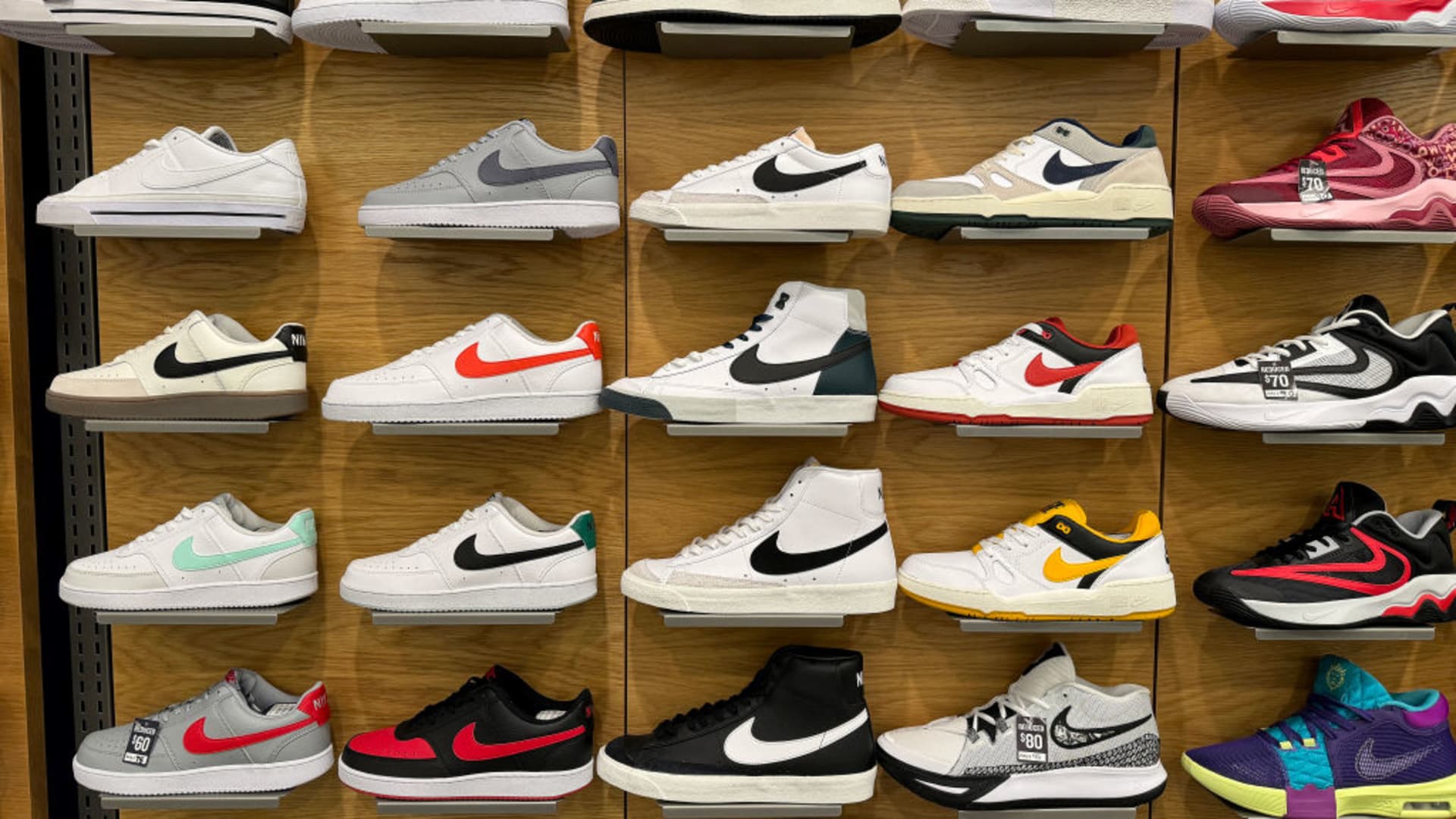
- Nike's Challenges: Following the release of its fiscal Q4 results on June 30, Nike's shares fell below $40, making it the lowest-priced component in the Dow, reflecting its minimal influence amid fierce competition and sales weakness.
- Potential Replacements: Nike is expected to be replaced by either Tesla or Airbnb, with Tesla's electric vehicle segment directly linked to consumer spending and Airbnb connecting to the $11.6 trillion travel industry, enhancing the Dow's diversification.
- Long-Term Growth Potential: Tesla and Airbnb's share prices of $420.60 and $143.10, respectively, significantly exceed Nike's, and both have outperformed Nike in recent years, indicating potential growth opportunities for the Dow moving forward.

Verizon Removed, Alphabet Added to Dow Jones Index
- Index Composition Change: Earlier this week, Verizon was removed from the Dow Jones Industrial Average while Alphabet was added, marking the 54th adjustment since the index's inception in 1896, indicating a growing preference for tech stocks in the market.
- Nike at Risk: With shares dipping below $40, Nike is the only Dow component priced under $113, and ongoing sales weakness coupled with strained relationships with wholesalers diminishes its influence within the index, making it a likely candidate for removal in the next 12 months.
- Potential Replacements: Analysts suggest that Tesla or Airbnb could logically replace Nike, as Tesla's electric vehicle segment directly connects to consumer spending, while Airbnb offers a direct link to the $11.6 trillion travel industry, enhancing the index's diversity.
- Long-Term Growth Potential: With share prices of $420.60 for Tesla and $143.10 for Airbnb, both outperform Nike in recent years, their inclusion in the Dow would provide long-term growth potential and a stronger market influence for the index.

AutoCamp Capitalizes on Outdoor Travel Boom

- Significant Revenue Growth: AutoCamp reports a 20% increase in room revenue year-over-year, with a 90% occupancy rate heading into the Fourth of July weekend and a 15% rise in average daily rates, indicating strong demand in the luxury camping market and the company's competitive edge in this sector.
- Enhanced Customer Experience: Chief Commercial Officer Bryan Terzi highlights that AutoCamp's luxury camping experience attracts many customers, particularly families seeking nature close to home, which enhances brand loyalty and market share.
- Successful Crowdfunding: AutoCamp raised $1.2 million in less than 30 days via the DealMaker platform, attracting 353 investors, showcasing strong customer support and engagement, which further propels the company's growth strategy.
- Investor Reward Mechanism: Investors in AutoCamp not only gain shares but also receive additional perks, such as a $400 gift card and bonus shares, which strengthens the connection between customers and the brand, promoting word-of-mouth marketing.

US AI Model Restrictions Boost China's Competitive Edge


- Model Release Restrictions: After a two-week export control directive, the U.S. government allowed Anthropic to release its powerful Mythos 5 model, while the Fable 5 model remains off the market, potentially giving Chinese AI companies a competitive edge in the market.
- Rise of Chinese Models: China's Zhipu launched the GLM 5.2 model, which performs comparably to top U.S. labs on certain cyber benchmarks, even surpassing Anthropic's capabilities in some areas, indicating China's rapid advancement in the AI sector.
- Significant Cost Advantage: The GLM 5.2 model is almost equal to Anthropic in corporate market competitiveness but costs only a quarter per token, leading more companies to prefer Chinese AI solutions, thereby impacting U.S. companies' market share.
- Escalating Security Risks: As open-weight models from China become more prevalent, many U.S. companies are shifting to these cheaper alternatives, potentially increasing cybersecurity risks, with industry experts warning that failure to respond promptly could lead to greater security challenges in the future.
Investment Comparison: Airbnb vs. MGM Resorts
- Airbnb Market Advantage: Airbnb connects over 5 million hosts with 8 million active listings globally, achieving nearly $12.2 billion in revenue for FY 2025, reflecting a 10.3% year-over-year growth that underscores its strong position in the short-term rental market, while its asset-light model mitigates operational risks.
- MGM Financial Status: MGM Resorts International reported nearly $17.5 billion in revenue for FY 2025, with a modest 1.7% year-over-year increase; however, its net income of approximately $206.2 million represents a significant decline from the previous year, indicating financial pressures amid a competitive landscape.
- Risks and Challenges: Airbnb faces legal challenges from cities like Los Angeles and Chicago, which could impact its operational flexibility, while MGM's debt-to-equity ratio of approximately 23.1x limits its liquidity and operational flexibility during economic downturns, posing significant risks.
- Valuation Comparison: Although MGM's price-to-sales ratio is significantly lower than Airbnb's (0.7x vs. 7.1x), both companies exhibit similar forward P/E ratios of 28.7x and 27.9x, respectively, indicating market optimism regarding Airbnb's future earnings potential despite its higher valuation.
Investment Outlook: Airbnb vs. MGM Resorts
- Business Model Comparison: Airbnb operates a light-asset model with over 9 million active listings across more than 220 countries, achieving nearly $12.2 billion in revenue for FY 2025, reflecting a robust growth potential in the short-term rental market with a year-over-year increase of approximately 10.3%.
- Financial Health: MGM Resorts reported nearly $17.5 billion in revenue for FY 2025, with a modest year-over-year growth of 1.7%, and a net income of approximately $206.2 million, indicating stability during economic recovery; however, its debt-to-equity ratio of 23.1x limits financial flexibility.
- Legal Risk Challenges: Airbnb faces legal challenges from cities like Los Angeles and Chicago regarding rental regulations and pricing, which could impact its market operations, especially with the EU Short-Term Rental Regulation coming into effect in May 2026.
- Market Competition Landscape: While Airbnb's asset-light model provides strong competitive advantages, MGM Resorts continues to attract significant tourist traffic with its physical assets in Las Vegas and Macau, necessitating careful consideration of both companies' strategies in the ongoing market recovery.
Dow Jones Index Sees Major Component Changes
- Dow Component Changes: Earlier this week, Verizon was removed and Alphabet added to the Dow Jones Industrial Average, marking the 54th adjustment since its inception in 1896, highlighting ongoing market dynamics.
- Nike's Challenges: Following the release of its fiscal Q4 results on June 30, Nike's shares fell below $40, making it the lowest-priced component in the Dow, reflecting its minimal influence amid fierce competition and sales weakness.
- Potential Replacements: Nike is expected to be replaced by either Tesla or Airbnb, with Tesla's electric vehicle segment directly linked to consumer spending and Airbnb connecting to the $11.6 trillion travel industry, enhancing the Dow's diversification.
- Long-Term Growth Potential: Tesla and Airbnb's share prices of $420.60 and $143.10, respectively, significantly exceed Nike's, and both have outperformed Nike in recent years, indicating potential growth opportunities for the Dow moving forward.
Verizon Removed, Alphabet Added to Dow Jones Index
- Index Composition Change: Earlier this week, Verizon was removed from the Dow Jones Industrial Average while Alphabet was added, marking the 54th adjustment since the index's inception in 1896, indicating a growing preference for tech stocks in the market.
- Nike at Risk: With shares dipping below $40, Nike is the only Dow component priced under $113, and ongoing sales weakness coupled with strained relationships with wholesalers diminishes its influence within the index, making it a likely candidate for removal in the next 12 months.
- Potential Replacements: Analysts suggest that Tesla or Airbnb could logically replace Nike, as Tesla's electric vehicle segment directly connects to consumer spending, while Airbnb offers a direct link to the $11.6 trillion travel industry, enhancing the index's diversity.
- Long-Term Growth Potential: With share prices of $420.60 for Tesla and $143.10 for Airbnb, both outperform Nike in recent years, their inclusion in the Dow would provide long-term growth potential and a stronger market influence for the index.
AutoCamp Capitalizes on Outdoor Travel Boom
- Significant Revenue Growth: AutoCamp reports a 20% increase in room revenue year-over-year, with a 90% occupancy rate heading into the Fourth of July weekend and a 15% rise in average daily rates, indicating strong demand in the luxury camping market and the company's competitive edge in this sector.
- Enhanced Customer Experience: Chief Commercial Officer Bryan Terzi highlights that AutoCamp's luxury camping experience attracts many customers, particularly families seeking nature close to home, which enhances brand loyalty and market share.
- Successful Crowdfunding: AutoCamp raised $1.2 million in less than 30 days via the DealMaker platform, attracting 353 investors, showcasing strong customer support and engagement, which further propels the company's growth strategy.
- Investor Reward Mechanism: Investors in AutoCamp not only gain shares but also receive additional perks, such as a $400 gift card and bonus shares, which strengthens the connection between customers and the brand, promoting word-of-mouth marketing.
US AI Model Restrictions Boost China's Competitive Edge
- Model Release Restrictions: After a two-week export control directive, the U.S. government allowed Anthropic to release its powerful Mythos 5 model, while the Fable 5 model remains off the market, potentially giving Chinese AI companies a competitive edge in the market.
- Rise of Chinese Models: China's Zhipu launched the GLM 5.2 model, which performs comparably to top U.S. labs on certain cyber benchmarks, even surpassing Anthropic's capabilities in some areas, indicating China's rapid advancement in the AI sector.
- Significant Cost Advantage: The GLM 5.2 model is almost equal to Anthropic in corporate market competitiveness but costs only a quarter per token, leading more companies to prefer Chinese AI solutions, thereby impacting U.S. companies' market share.
- Escalating Security Risks: As open-weight models from China become more prevalent, many U.S. companies are shifting to these cheaper alternatives, potentially increasing cybersecurity risks, with industry experts warning that failure to respond promptly could lead to greater security challenges in the future.