DTE ENERGY CO: BMO Lowers Price Target from $157 to $148
Written by Emily J. Thompson, Senior Investment Analyst
Updated: Mar 26 2026
0mins
Should l Buy DTE?
Source: moomoo
- Price Adjustment: The target price for the energy company has been reduced to $148 from a previous price of $157.
- Market Impact: This adjustment may reflect changes in market conditions or company performance affecting investor expectations.
Trade with 70% Backtested Accuracy
Stop guessing "Should I Buy DTE?" and start using high-conviction signals backed by rigorous historical data.
Sign up today to access powerful investing tools and make smarter, data-driven decisions.
Analyst Views on DTE
Wall Street analysts forecast DTE stock price to rise
11 Analyst Rating
7 Buy
4 Hold
0 Sell
Moderate Buy
Current: 146.970

Low
141.00
Averages
149.00
High
158.00
Current: 146.970
Low
141.00
Averages
149.00
High
158.00
About DTE
DTE Energy Company is a diversified energy company, which is involved in the development and management of energy-related businesses and services nationwide. The Company’s segments include Electric, Gas, DTE Vantage, Energy Trading, and Corporate and Other. Electric segment consists principally of DTE Electric, which is engaged in the generation, purchase, distribution, and sale of electricity to residential, commercial, and industrial customers in southeastern Michigan. Gas segment consists principally of DTE Gas, which is engaged in the purchase, storage, transportation, distribution, and sale of natural gas to residential, commercial, and industrial customers throughout Michigan. DTE Vantage segment is comprised primarily of renewable energy projects that sell electricity and pipeline-gas and projects that deliver custom energy solutions to industrial, commercial, and institutional customers. Energy Trading segment consists of energy marketing and trading operations.
About the author

Emily J. Thompson
Emily J. Thompson, a Chartered Financial Analyst (CFA) with 12 years in investment research, graduated with honors from the Wharton School. Specializing in industrial and technology stocks, she provides in-depth analysis for Intellectia’s earnings and market brief reports.

DTE Energy to Announce Q1 2026 Earnings on April 30

- Earnings Announcement: DTE Energy is set to release its Q1 2026 earnings before the market opens on April 30, providing crucial financial performance data that will help investors assess the company's operational health.
- Conference Call Details: The company will hold a conference call at 9:00 AM ET on the same day, allowing investors and the public to participate by dialing 888-510-2008 (toll-free in the U.S. and Canada) or +1 (646) 960-0306 (international), ensuring transparent communication.
- Webcast Availability: The call will be broadcast live on DTE Energy's website, allowing real-time access for the public, and an archived recording will be available afterward, enhancing information accessibility and interaction with investors.
- Company Overview: DTE Energy, based in Detroit, serves 2.3 million electric customers and 1.4 million gas customers, focusing on renewable energy and carbon reduction goals, showcasing its leadership position in the energy sector.
See More
DTE ENERGY CO: JEFFERIES INCREASES TARGET PRICE FROM $153 TO $170

- Price Increase Announcement: Jeffries has raised its price target for Energy Co. from $153 to $170.
- Market Implications: This adjustment reflects a positive outlook on the company's performance and potential growth in the energy sector.
See More
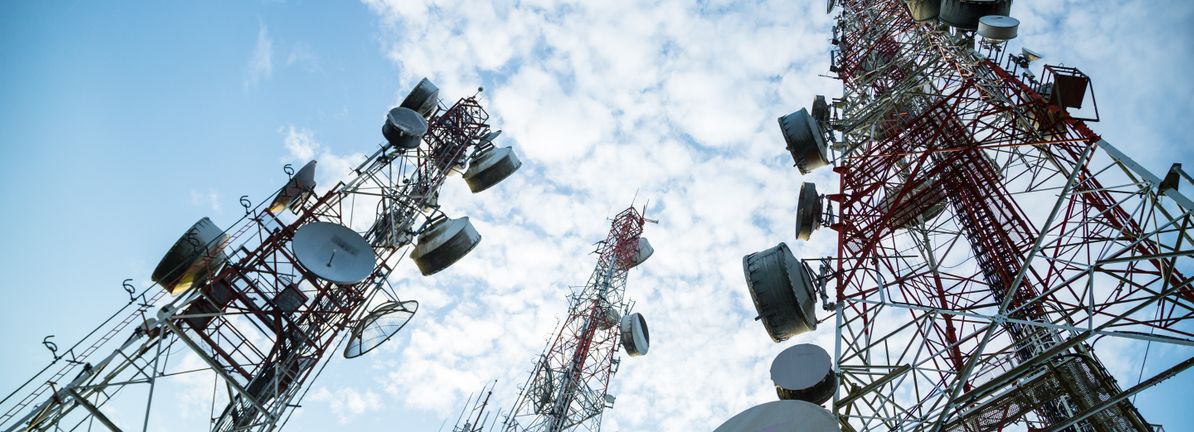
Deutsche Telekom Set to Trade Ex-Dividend Soon
- Ex-Dividend Date Approaches: Deutsche Telekom will trade ex-dividend before April 2, requiring shareholders to purchase shares by this date to receive a €1.00 dividend per share, which will be paid on April 8, impacting investor buying decisions and short-term stock price fluctuations.
- Stable Dividend Yield: With a current share price of €31.69, Deutsche Telekom's dividend yield stands at approximately 3.2%, indicating the company has maintained a consistent dividend distribution of €1.00 per share over the past year, reflecting the stability of its dividend policy.
- Sustainability Analysis: The company's dividend payout ratio is 51% of profits and 28% of free cash flow, suggesting that Deutsche Telekom can comfortably support its dividend payments through both earnings and cash flow, thereby reducing the risk of future cuts.
- Earnings Growth Potential: Over the past five years, Deutsche Telekom's earnings per share have grown by an average of 19% annually, while dividends have increased by 6.2% per year over the last decade, indicating the company's potential for sustained growth while rewarding shareholders, making it a noteworthy investment consideration.
See More
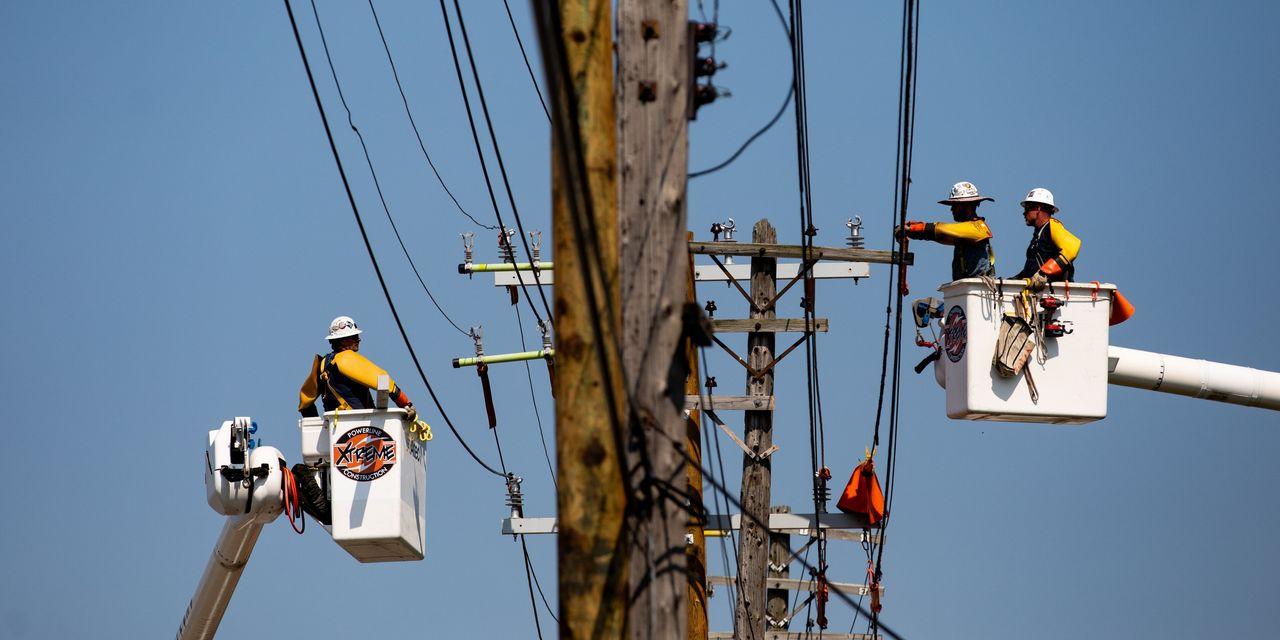
DTE ENERGY CO: BMO Lowers Price Target from $157 to $148
- Price Adjustment: The target price for the energy company has been reduced to $148 from a previous price of $157.
- Market Impact: This adjustment may reflect changes in market conditions or company performance affecting investor expectations.
See More

Alphabet Signs 20-Year Power Purchase Agreement with DTE Energy

- Power Purchase Agreement: Alphabet's 20-year power purchase agreement with DTE Energy will support the construction of a new data center in Michigan, with plans to develop up to 2.7 GW of new solar capacity, thereby enhancing the company's investment in renewable energy.
- Financial Commitment: Alphabet is also committing $10 million to an energy impact fund aimed at supporting local reliability and clean energy initiatives, which not only enhances the company's social responsibility image but also lays the groundwork for future sustainable development.
- Infrastructure Expansion: The structure of the agreement ensures access to clean energy as infrastructure expands, reflecting the company's need to align compute growth with long-term power availability, showcasing its forward-thinking approach to future energy supply.
- Strategic Implications: As AI workloads become increasingly energy-intensive, the strategic importance of securing power supply is becoming more pronounced; Alphabet's combination of direct procurement and targeted investment indicates that electricity will be a core element of data center buildouts, influencing the pace and location of future deployments.
See More

Google to Build New Data Center in Michigan
- Data Center Construction: Google is set to build a new data center in Michigan, utilizing 2.7 gigawatts of power resources, including solar energy and advanced power storage technologies, which is expected to significantly enhance local computing capacity and energy efficiency.
- Project Details: The data center, dubbed 'Project Cannoli', will cover approximately 130 acres with five buildings and a total footprint exceeding 800,000 square feet, aimed at meeting the growing demand for AI computing and further solidifying Google's competitive position in the data center sector.
- Energy Impact Fund: Google has committed to establishing a $10 million energy impact fund to support energy affordability for Michigan residents, ensuring that its electricity costs and infrastructure needs are fully covered, thereby protecting local ratepayers' interests.
- Water Resource Management: Google will responsibly use local water sources for data center cooling, with an estimated daily consumption of between 2 million and 3.6 million gallons, ensuring no groundwater extraction, thus reducing its carbon footprint and promoting sustainability.
See More
DTE Energy to Announce Q1 2026 Earnings on April 30
- Earnings Announcement: DTE Energy is set to release its Q1 2026 earnings before the market opens on April 30, providing crucial financial performance data that will help investors assess the company's operational health.
- Conference Call Details: The company will hold a conference call at 9:00 AM ET on the same day, allowing investors and the public to participate by dialing 888-510-2008 (toll-free in the U.S. and Canada) or +1 (646) 960-0306 (international), ensuring transparent communication.
- Webcast Availability: The call will be broadcast live on DTE Energy's website, allowing real-time access for the public, and an archived recording will be available afterward, enhancing information accessibility and interaction with investors.
- Company Overview: DTE Energy, based in Detroit, serves 2.3 million electric customers and 1.4 million gas customers, focusing on renewable energy and carbon reduction goals, showcasing its leadership position in the energy sector.
See More
DTE ENERGY CO: JEFFERIES INCREASES TARGET PRICE FROM $153 TO $170
- Price Increase Announcement: Jeffries has raised its price target for Energy Co. from $153 to $170.
- Market Implications: This adjustment reflects a positive outlook on the company's performance and potential growth in the energy sector.
See More
Deutsche Telekom Set to Trade Ex-Dividend Soon
- Ex-Dividend Date Approaches: Deutsche Telekom will trade ex-dividend before April 2, requiring shareholders to purchase shares by this date to receive a €1.00 dividend per share, which will be paid on April 8, impacting investor buying decisions and short-term stock price fluctuations.
- Stable Dividend Yield: With a current share price of €31.69, Deutsche Telekom's dividend yield stands at approximately 3.2%, indicating the company has maintained a consistent dividend distribution of €1.00 per share over the past year, reflecting the stability of its dividend policy.
- Sustainability Analysis: The company's dividend payout ratio is 51% of profits and 28% of free cash flow, suggesting that Deutsche Telekom can comfortably support its dividend payments through both earnings and cash flow, thereby reducing the risk of future cuts.
- Earnings Growth Potential: Over the past five years, Deutsche Telekom's earnings per share have grown by an average of 19% annually, while dividends have increased by 6.2% per year over the last decade, indicating the company's potential for sustained growth while rewarding shareholders, making it a noteworthy investment consideration.
See More
DTE ENERGY CO: BMO Lowers Price Target from $157 to $148
- Price Adjustment: The target price for the energy company has been reduced to $148 from a previous price of $157.
- Market Impact: This adjustment may reflect changes in market conditions or company performance affecting investor expectations.
See More
Alphabet Signs 20-Year Power Purchase Agreement with DTE Energy
- Power Purchase Agreement: Alphabet's 20-year power purchase agreement with DTE Energy will support the construction of a new data center in Michigan, with plans to develop up to 2.7 GW of new solar capacity, thereby enhancing the company's investment in renewable energy.
- Financial Commitment: Alphabet is also committing $10 million to an energy impact fund aimed at supporting local reliability and clean energy initiatives, which not only enhances the company's social responsibility image but also lays the groundwork for future sustainable development.
- Infrastructure Expansion: The structure of the agreement ensures access to clean energy as infrastructure expands, reflecting the company's need to align compute growth with long-term power availability, showcasing its forward-thinking approach to future energy supply.
- Strategic Implications: As AI workloads become increasingly energy-intensive, the strategic importance of securing power supply is becoming more pronounced; Alphabet's combination of direct procurement and targeted investment indicates that electricity will be a core element of data center buildouts, influencing the pace and location of future deployments.
See More
Google to Build New Data Center in Michigan
- Data Center Construction: Google is set to build a new data center in Michigan, utilizing 2.7 gigawatts of power resources, including solar energy and advanced power storage technologies, which is expected to significantly enhance local computing capacity and energy efficiency.
- Project Details: The data center, dubbed 'Project Cannoli', will cover approximately 130 acres with five buildings and a total footprint exceeding 800,000 square feet, aimed at meeting the growing demand for AI computing and further solidifying Google's competitive position in the data center sector.
- Energy Impact Fund: Google has committed to establishing a $10 million energy impact fund to support energy affordability for Michigan residents, ensuring that its electricity costs and infrastructure needs are fully covered, thereby protecting local ratepayers' interests.
- Water Resource Management: Google will responsibly use local water sources for data center cooling, with an estimated daily consumption of between 2 million and 3.6 million gallons, ensuring no groundwater extraction, thus reducing its carbon footprint and promoting sustainability.
See More