DoubleVerify Partners with Charter to Enhance Ad Transparency
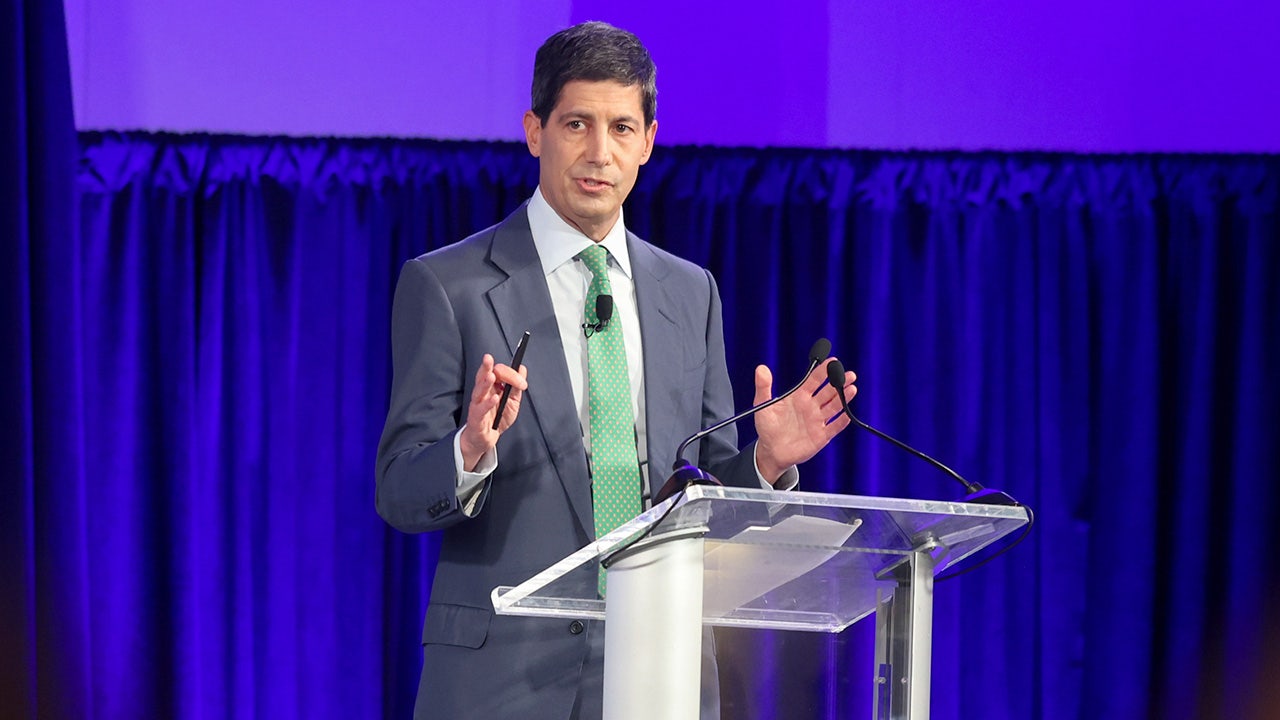
DoubleVerify (DV) announced a partnership with Spectrum Reach, the advertising sales business of Charter Communications (CHTR), to enhance transparency and performance across streaming TV campaigns. "Advertisers have made it clear that show-level transparency is not optional - it's foundational to trust and performance in streaming TV," said Todd Randak, GM of CTV at DoubleVerify. "By working with Spectrum Reach to enable compliant, program-level reporting at scale, we're continuing to raise the standard for transparency while helping brands drive stronger outcomes." Through the partnership, Spectrum Reach will share show-level data across programming, including news and live sports, giving advertisers verified, post-bid visibility into specific programs.
Trade with 70% Backtested Accuracy
Analyst Views on DV

About DV
About the author


With Digital Ad Spending at Record Levels, These Companies Stand to Benefit


Digital Advertising Market Growth: The digital ad spending market is projected to triple to approximately $1.6 trillion over the next decade, creating new opportunities for companies, especially smaller competitors leveraging AI-driven targeting.
Magnite's Strong Performance: Magnite, a sell-side advertising platform, reported a strong final quarter of 2025 with revenues reaching $205 million, a 6% year-over-year increase, and a net income that more than tripled to $123 million.
DoubleVerify's Revenue Increase: DoubleVerify experienced a 14% year-over-year revenue improvement, reaching $748 million for the full year 2025, driven by strong demand for its digital media analytics and verification services.
Zeta's Consistent Growth: Zeta Global reported a 25% year-over-year revenue surge to $395 million in the final quarter of 2025, highlighting its strong demand and consistent performance in the AI market, with expectations for positive GAAP net income in 2026.

DoubleVerify Partners with Spectrum Reach to Enhance Streaming Transparency

- Partnership Announcement: DoubleVerify has partnered with Spectrum Reach, making it the first participant in DV's Certified Transparent Streaming program, aimed at enhancing transparency and performance in streaming TV advertising to meet advertisers' demands for show-level transparency.
- Data Sharing Initiative: Spectrum Reach will provide key show-level data across its programming, including news and live sports, allowing advertisers to access verified post-bid insights within DV Authentic Streaming TV™ reporting, thereby optimizing future streaming investments.
- Privacy-Focused Transparency: The partnership ensures that transparency is delivered in a privacy-focused manner, utilizing clean room infrastructure that allows publishers to contribute program-level data while maintaining control over sensitive information, thus enhancing advertiser trust.
- Market Impact: By offering trusted program-level transparency, publishers participating in DV's Certified Transparent Streaming program can incentivize ad spending, increase yield, and reduce operational friction, thereby enhancing brand value in a competitive advertising landscape.

Ad Industry Frustrated with ChatGPT's Ad Rollout


- Slow Testing Progress: OpenAI's rollout of ads on ChatGPT is moving slowly, leading to frustration among major ad agencies like WPP, Omnicom, and Dentsu, as the anticipated speed of implementation has not met market expectations, causing brands to feel disappointed about their investment returns.
- High Advertising Commitments: Brands participating in the test are required to commit between $200,000 and $250,000, which is double the typical experimental ad budget, and due to the slow rollout, there are concerns that they won't be able to fully utilize their budgets by the end of the trial, impacting their advertising strategies.
- Surge in Ad Volume: According to Sensor Tower, the number of ads served increased by about 600% by mid-March compared to the beginning of the month, indicating that despite initial frustrations, ad delivery is gradually expanding, showcasing OpenAI's potential in the advertising sector.
- Optimistic Market Outlook: Analysts project that OpenAI's ad revenue could exceed $30 billion by 2030, indicating that large language model-powered ad channels are expected to become a significant pillar of the digital advertising industry, although the current slow rollout may provide opportunities for competitors.

Wall Street Banking Selloff Intensifies Amid AI Economic Concerns


- Market Decline: Wall Street experienced a banking selloff on Friday, with the Nasdaq 100 down 0.6%, the S&P 500 falling 0.7%, the Dow Jones Industrial Average tumbling 1.3%, and the Russell 2000 declining 2.1%, indicating heightened concerns over the economic outlook.
- Tech Stocks Plummet: Nvidia Corp. (NASDAQ:NVDA) shares fell 2.8%, extending Thursday's 5.4% decline, heading towards its worst two-day drop since April, reflecting waning investor confidence in tech stocks amid economic uncertainties.
- Bitcoin Continues to Slide: Bitcoin (CRYPTO:BTC) dropped 2.6% to $65,000, marking its sixth consecutive weekly loss, which underscores the ongoing weakness in the cryptocurrency market as investors remain cautious.
- Commodity Market Fluctuations: Despite the stock market downturn, oil prices rose over 2% to above $66 per barrel, gold gained 1% to $5,235 per ounce, and silver rallied 6% to $93, indicating that investors are seeking safe-haven assets in a volatile market environment.

DoubleVerify Q4 2025 Earnings Highlights
- Strong Financial Performance: DoubleVerify reported $206 million in revenue for Q4 2025, reflecting an 8% year-over-year growth, although slightly below expectations due to retail campaign adjustments, demonstrating resilience in diversifying revenue streams.
- Accelerated Social Activation: Social activation surged with approximately 60% year-over-year growth in Q4, significantly up from 20% in Q3, indicating rapid enhancement in product innovation and market demand within the social media sector.
- Share Repurchase Program: The company has authorized $300 million for share repurchases, the largest in its history, with plans to actively deploy this in 2026, aimed at enhancing shareholder value and boosting market confidence.
- Optimistic Future Outlook: Management projects revenue growth of 8% to 10% for 2026, with adjusted EBITDA expected at 34%, reflecting confidence in future growth driven by social and streaming product advancements.
DoubleVerify (DV) Q4 2025 Earnings Call Transcript
With Digital Ad Spending at Record Levels, These Companies Stand to Benefit
Digital Advertising Market Growth: The digital ad spending market is projected to triple to approximately $1.6 trillion over the next decade, creating new opportunities for companies, especially smaller competitors leveraging AI-driven targeting.
Magnite's Strong Performance: Magnite, a sell-side advertising platform, reported a strong final quarter of 2025 with revenues reaching $205 million, a 6% year-over-year increase, and a net income that more than tripled to $123 million.
DoubleVerify's Revenue Increase: DoubleVerify experienced a 14% year-over-year revenue improvement, reaching $748 million for the full year 2025, driven by strong demand for its digital media analytics and verification services.
Zeta's Consistent Growth: Zeta Global reported a 25% year-over-year revenue surge to $395 million in the final quarter of 2025, highlighting its strong demand and consistent performance in the AI market, with expectations for positive GAAP net income in 2026.
DoubleVerify Partners with Spectrum Reach to Enhance Streaming Transparency
- Partnership Announcement: DoubleVerify has partnered with Spectrum Reach, making it the first participant in DV's Certified Transparent Streaming program, aimed at enhancing transparency and performance in streaming TV advertising to meet advertisers' demands for show-level transparency.
- Data Sharing Initiative: Spectrum Reach will provide key show-level data across its programming, including news and live sports, allowing advertisers to access verified post-bid insights within DV Authentic Streaming TV™ reporting, thereby optimizing future streaming investments.
- Privacy-Focused Transparency: The partnership ensures that transparency is delivered in a privacy-focused manner, utilizing clean room infrastructure that allows publishers to contribute program-level data while maintaining control over sensitive information, thus enhancing advertiser trust.
- Market Impact: By offering trusted program-level transparency, publishers participating in DV's Certified Transparent Streaming program can incentivize ad spending, increase yield, and reduce operational friction, thereby enhancing brand value in a competitive advertising landscape.
Ad Industry Frustrated with ChatGPT's Ad Rollout
- Slow Testing Progress: OpenAI's rollout of ads on ChatGPT is moving slowly, leading to frustration among major ad agencies like WPP, Omnicom, and Dentsu, as the anticipated speed of implementation has not met market expectations, causing brands to feel disappointed about their investment returns.
- High Advertising Commitments: Brands participating in the test are required to commit between $200,000 and $250,000, which is double the typical experimental ad budget, and due to the slow rollout, there are concerns that they won't be able to fully utilize their budgets by the end of the trial, impacting their advertising strategies.
- Surge in Ad Volume: According to Sensor Tower, the number of ads served increased by about 600% by mid-March compared to the beginning of the month, indicating that despite initial frustrations, ad delivery is gradually expanding, showcasing OpenAI's potential in the advertising sector.
- Optimistic Market Outlook: Analysts project that OpenAI's ad revenue could exceed $30 billion by 2030, indicating that large language model-powered ad channels are expected to become a significant pillar of the digital advertising industry, although the current slow rollout may provide opportunities for competitors.
Wall Street Banking Selloff Intensifies Amid AI Economic Concerns
- Market Decline: Wall Street experienced a banking selloff on Friday, with the Nasdaq 100 down 0.6%, the S&P 500 falling 0.7%, the Dow Jones Industrial Average tumbling 1.3%, and the Russell 2000 declining 2.1%, indicating heightened concerns over the economic outlook.
- Tech Stocks Plummet: Nvidia Corp. (NASDAQ:NVDA) shares fell 2.8%, extending Thursday's 5.4% decline, heading towards its worst two-day drop since April, reflecting waning investor confidence in tech stocks amid economic uncertainties.
- Bitcoin Continues to Slide: Bitcoin (CRYPTO:BTC) dropped 2.6% to $65,000, marking its sixth consecutive weekly loss, which underscores the ongoing weakness in the cryptocurrency market as investors remain cautious.
- Commodity Market Fluctuations: Despite the stock market downturn, oil prices rose over 2% to above $66 per barrel, gold gained 1% to $5,235 per ounce, and silver rallied 6% to $93, indicating that investors are seeking safe-haven assets in a volatile market environment.
DoubleVerify Q4 2025 Earnings Highlights
- Strong Financial Performance: DoubleVerify reported $206 million in revenue for Q4 2025, reflecting an 8% year-over-year growth, although slightly below expectations due to retail campaign adjustments, demonstrating resilience in diversifying revenue streams.
- Accelerated Social Activation: Social activation surged with approximately 60% year-over-year growth in Q4, significantly up from 20% in Q3, indicating rapid enhancement in product innovation and market demand within the social media sector.
- Share Repurchase Program: The company has authorized $300 million for share repurchases, the largest in its history, with plans to actively deploy this in 2026, aimed at enhancing shareholder value and boosting market confidence.
- Optimistic Future Outlook: Management projects revenue growth of 8% to 10% for 2026, with adjusted EBITDA expected at 34%, reflecting confidence in future growth driven by social and streaming product advancements.
DoubleVerify (DV) Q4 2025 Earnings Call Transcript