Dollar General Unveils Redesigned Store Format to Enhance Customer Experience
- Redesigned Store Format: Dollar General plans to roll out a redesigned store format this year that emphasizes a more open and inviting layout, aimed at encouraging browsing and 'treasure hunt' shopping rather than just quick convenience trips.
- Customer Feedback Driven: The new design was developed in response to customer feedback and tested in a subset of 2025 remodels, helping expose shoppers to more categories as they moved through the store, thereby enhancing the shopping experience.
- Expanded Product Selection: The refreshed format features enhanced floor plans and a larger footprint, creating space for a wider selection of products, expanded coolers, and more health and beauty items, which together support more 'fill-in' trips and higher average tickets.
- Brand Elevation Strategy: CEO Todd Vasos described the store initiative as central to elevating the brand, improving customer experience, and driving discretionary spending, noting that the company wants customers to see Dollar General as more than just a quick-stop convenience outlet.
Trade with 70% Backtested Accuracy
Analyst Views on DG

About DG
About the author

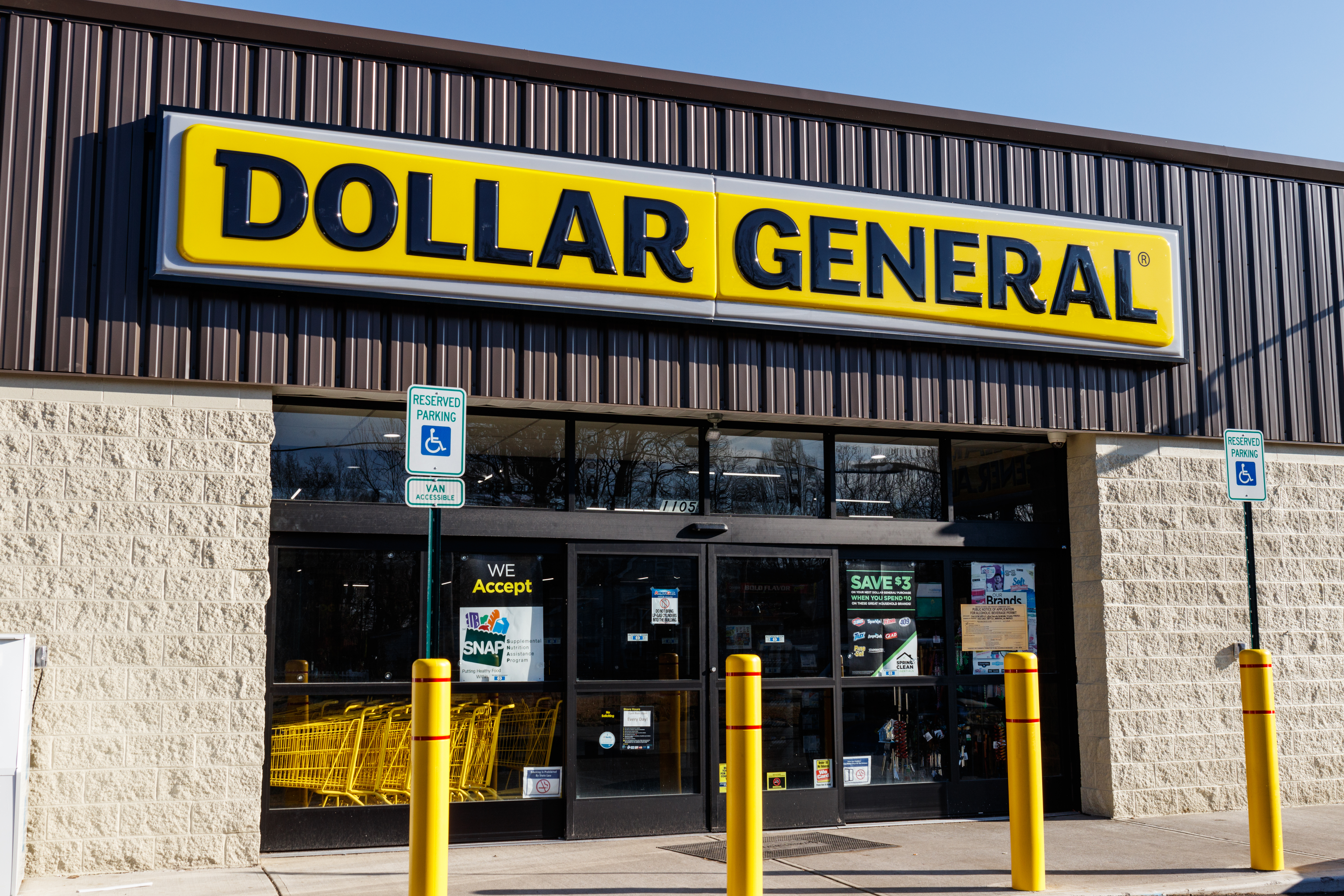
Dollar General Unveils Redesigned Store Format to Enhance Customer Experience

- Redesigned Store Format: Dollar General plans to roll out a redesigned store format this year that emphasizes a more open and inviting layout, aimed at encouraging browsing and 'treasure hunt' shopping rather than just quick convenience trips.
- Customer Feedback Driven: The new design was developed in response to customer feedback and tested in a subset of 2025 remodels, helping expose shoppers to more categories as they moved through the store, thereby enhancing the shopping experience.
- Expanded Product Selection: The refreshed format features enhanced floor plans and a larger footprint, creating space for a wider selection of products, expanded coolers, and more health and beauty items, which together support more 'fill-in' trips and higher average tickets.
- Brand Elevation Strategy: CEO Todd Vasos described the store initiative as central to elevating the brand, improving customer experience, and driving discretionary spending, noting that the company wants customers to see Dollar General as more than just a quick-stop convenience outlet.
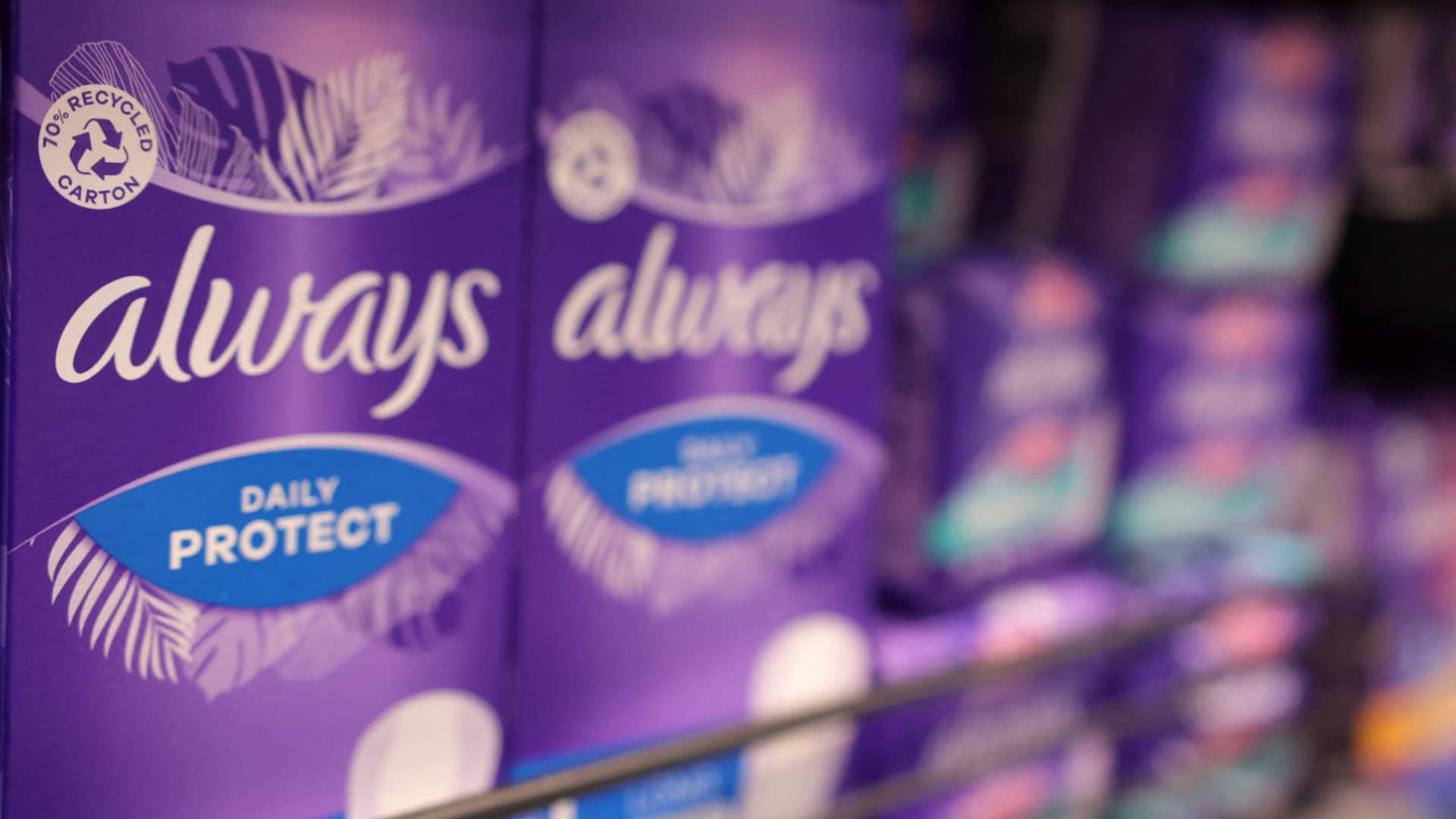
Rising Menstrual Product Prices Squeeze Consumers
- Price Surge: The average price of menstrual products has risen nearly 40% since 2020, from approximately $5.37 to $7.43 per unit, squeezing consumer budgets and impacting purchasing decisions.
- Sales Dynamics: While dollar sales of menstrual products grew nearly 30% during the same period, sales volume has decreased by about 6% since 2022, indicating a trend of consumers seeking alternatives due to high prices.
- Tariff Impact: In 2025, the U.S. collected $115 million in tariffs on menstrual products containing cotton, a significant increase from $42 million in 2020, further exacerbating the economic burden on consumers.
- Rise of Reusables: An increasing number of consumers are turning to reusable menstrual products, such as cups and underwear, due to their environmental benefits and lower long-term costs, which is expected to continue exerting pressure on traditional single-use product sales.
Analysis of Realty Income's Stock Price Pullback


- Stable Revenue Stream: Realty Income owns over 15,500 single-tenant net leased properties, maintaining an occupancy rate of nearly 99%, which ensures a steady revenue stream and attracts blue-chip clients like Dollar General and Wynn Resorts, thereby enhancing its market competitiveness.
- Strong Financial Performance: In 2025, the company achieved $5.75 billion in revenue, a 9% year-over-year increase, and despite interest costs rising by nearly 12%, net income reached $1.06 billion, reflecting a 23% increase from the previous year, showcasing effective cost control.
- Sustainable Dividend Payments: Realty Income pays approximately $3.25 per share annually, yielding 5.1%, significantly higher than the S&P 500's 1.2%, making the company attractive in the current market environment.
- Undervalued Valuation Levels: Although the company has a P/E ratio of 54, its price-to-FFO ratio is only 15, indicating that Realty Income may be undervalued in the current market, presenting a potential buying opportunity for investors.

Five Below's Impressive Earnings Prompt Wall Street to Adjust Targets Upward
Strong Earnings Report: Five Below's stock surged over 10% following a robust Q4 2025 earnings report, despite broader market pressures, indicating strong growth and resilience in its supply chain.
Targeting Younger Consumers: The company is focusing on attracting Gen Alpha and Gen Z shoppers while also appealing to millennial moms, which has contributed to impressive results across all income levels.
Impact of Tariffs: Five Below has successfully navigated the challenges posed by tariffs, which significantly affected its operations in 2025, but management expects a reduced impact in 2026.
Investor Sentiment: Institutional buying has increased, with analysts upgrading their price targets for Five Below, reflecting confidence in the company's future performance and potential for continued growth.

Producer Prices Rise 0.7%, Inflation Fears Intensify
- Producer Price Increase: In February 2026, the Producer Price Index (PPI) rose 0.7% month-over-month, significantly exceeding the expected 0.3%, indicating that rising wholesale prices may lead to increased consumer prices and heightened inflation concerns.
- Impact of Rising Oil Prices: Since the onset of the war in Iran, gas prices have surged approximately 27%, directly increasing transportation costs, which in turn affects retail and industrial product pricing, potentially leading to widespread inflation.
- Inflation-Proof Stocks: In light of escalating inflation, AutoZone and Dollar General are highlighted as attractive inflation-resistant stocks, with AutoZone thriving during economic downturns and Dollar General benefiting from consumers shifting to cheaper products.
- Dollar General's Outlook: Dollar General achieved a 3% comparable sales growth in 2025, and despite a 2026 guidance of 2.2%-2.7% growth, the company's plan to open 460 new stores in 2026 indicates a proactive expansion strategy, positioning it well to capitalize on inflationary pressures.
Rising Oil Prices Trigger Inflation Concerns
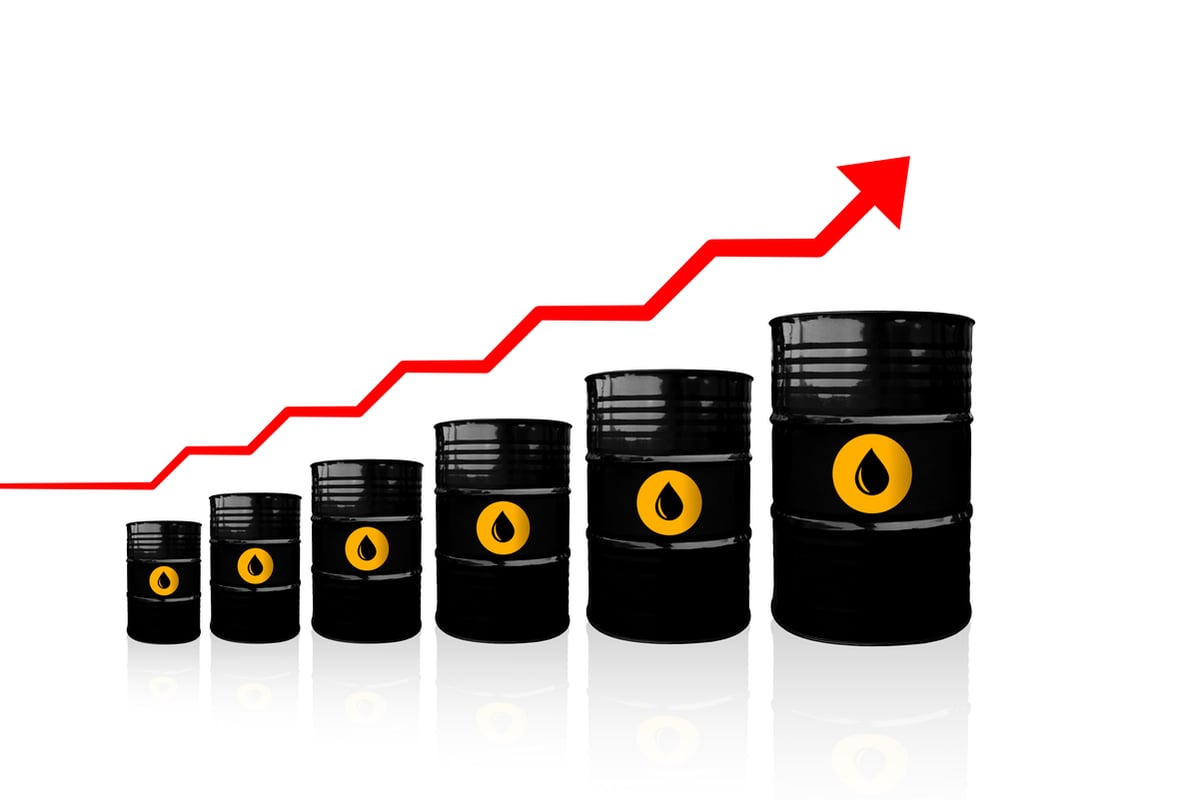
- Surging Oil Prices: Oil prices have jumped approximately 27% since the onset of the war in Iran, leading to increased transportation costs and raising widespread inflation concerns that could affect retail and industrial product pricing.
- Producer Price Index: The Producer Price Index (PPI) rose by 0.7% month-over-month in February, significantly exceeding the expected 0.3%, indicating that rising wholesale prices may foreshadow higher consumer prices, exacerbating inflationary pressures.
- Food Price Increases: The surge in fertilizer prices due to the war is expected to drive food prices higher, increasing living costs for consumers and potentially impacting overall economic spending capacity.
- Investor Strategy Shift: In light of escalating inflation, investors are advised to consider incorporating inflation-proof stocks into their portfolios to navigate potential economic challenges ahead.
Dollar General Unveils Redesigned Store Format to Enhance Customer Experience
- Redesigned Store Format: Dollar General plans to roll out a redesigned store format this year that emphasizes a more open and inviting layout, aimed at encouraging browsing and 'treasure hunt' shopping rather than just quick convenience trips.
- Customer Feedback Driven: The new design was developed in response to customer feedback and tested in a subset of 2025 remodels, helping expose shoppers to more categories as they moved through the store, thereby enhancing the shopping experience.
- Expanded Product Selection: The refreshed format features enhanced floor plans and a larger footprint, creating space for a wider selection of products, expanded coolers, and more health and beauty items, which together support more 'fill-in' trips and higher average tickets.
- Brand Elevation Strategy: CEO Todd Vasos described the store initiative as central to elevating the brand, improving customer experience, and driving discretionary spending, noting that the company wants customers to see Dollar General as more than just a quick-stop convenience outlet.
Rising Menstrual Product Prices Squeeze Consumers
- Price Surge: The average price of menstrual products has risen nearly 40% since 2020, from approximately $5.37 to $7.43 per unit, squeezing consumer budgets and impacting purchasing decisions.
- Sales Dynamics: While dollar sales of menstrual products grew nearly 30% during the same period, sales volume has decreased by about 6% since 2022, indicating a trend of consumers seeking alternatives due to high prices.
- Tariff Impact: In 2025, the U.S. collected $115 million in tariffs on menstrual products containing cotton, a significant increase from $42 million in 2020, further exacerbating the economic burden on consumers.
- Rise of Reusables: An increasing number of consumers are turning to reusable menstrual products, such as cups and underwear, due to their environmental benefits and lower long-term costs, which is expected to continue exerting pressure on traditional single-use product sales.
Analysis of Realty Income's Stock Price Pullback
- Stable Revenue Stream: Realty Income owns over 15,500 single-tenant net leased properties, maintaining an occupancy rate of nearly 99%, which ensures a steady revenue stream and attracts blue-chip clients like Dollar General and Wynn Resorts, thereby enhancing its market competitiveness.
- Strong Financial Performance: In 2025, the company achieved $5.75 billion in revenue, a 9% year-over-year increase, and despite interest costs rising by nearly 12%, net income reached $1.06 billion, reflecting a 23% increase from the previous year, showcasing effective cost control.
- Sustainable Dividend Payments: Realty Income pays approximately $3.25 per share annually, yielding 5.1%, significantly higher than the S&P 500's 1.2%, making the company attractive in the current market environment.
- Undervalued Valuation Levels: Although the company has a P/E ratio of 54, its price-to-FFO ratio is only 15, indicating that Realty Income may be undervalued in the current market, presenting a potential buying opportunity for investors.
Five Below's Impressive Earnings Prompt Wall Street to Adjust Targets Upward
Strong Earnings Report: Five Below's stock surged over 10% following a robust Q4 2025 earnings report, despite broader market pressures, indicating strong growth and resilience in its supply chain.
Targeting Younger Consumers: The company is focusing on attracting Gen Alpha and Gen Z shoppers while also appealing to millennial moms, which has contributed to impressive results across all income levels.
Impact of Tariffs: Five Below has successfully navigated the challenges posed by tariffs, which significantly affected its operations in 2025, but management expects a reduced impact in 2026.
Investor Sentiment: Institutional buying has increased, with analysts upgrading their price targets for Five Below, reflecting confidence in the company's future performance and potential for continued growth.
Producer Prices Rise 0.7%, Inflation Fears Intensify
- Producer Price Increase: In February 2026, the Producer Price Index (PPI) rose 0.7% month-over-month, significantly exceeding the expected 0.3%, indicating that rising wholesale prices may lead to increased consumer prices and heightened inflation concerns.
- Impact of Rising Oil Prices: Since the onset of the war in Iran, gas prices have surged approximately 27%, directly increasing transportation costs, which in turn affects retail and industrial product pricing, potentially leading to widespread inflation.
- Inflation-Proof Stocks: In light of escalating inflation, AutoZone and Dollar General are highlighted as attractive inflation-resistant stocks, with AutoZone thriving during economic downturns and Dollar General benefiting from consumers shifting to cheaper products.
- Dollar General's Outlook: Dollar General achieved a 3% comparable sales growth in 2025, and despite a 2026 guidance of 2.2%-2.7% growth, the company's plan to open 460 new stores in 2026 indicates a proactive expansion strategy, positioning it well to capitalize on inflationary pressures.
Rising Oil Prices Trigger Inflation Concerns
- Surging Oil Prices: Oil prices have jumped approximately 27% since the onset of the war in Iran, leading to increased transportation costs and raising widespread inflation concerns that could affect retail and industrial product pricing.
- Producer Price Index: The Producer Price Index (PPI) rose by 0.7% month-over-month in February, significantly exceeding the expected 0.3%, indicating that rising wholesale prices may foreshadow higher consumer prices, exacerbating inflationary pressures.
- Food Price Increases: The surge in fertilizer prices due to the war is expected to drive food prices higher, increasing living costs for consumers and potentially impacting overall economic spending capacity.
- Investor Strategy Shift: In light of escalating inflation, investors are advised to consider incorporating inflation-proof stocks into their portfolios to navigate potential economic challenges ahead.