Dividend Stocks Gain Favor Amid Market Turbulence
Written by Emily J. Thompson, Senior Investment Analyst
Updated: Feb 03 2026
0mins


Source: Benzinga
- Market Safe Haven: Amid increasing market turbulence and uncertainty, many investors are turning to high dividend-yielding stocks, which typically possess strong free cash flows and reward shareholders with substantial dividends, thereby bolstering investor confidence.
- Analyst Ratings: Benzinga offers the latest analyst insights on high-yield stocks, allowing investors to visit the Analyst Stock Ratings page to access updated ratings on their favorite stocks, aiding them in making more informed investment decisions.
- High-Yield Stocks: In the information technology sector, HP Inc (NYSE:HPQ), Skyworks Solutions Inc (NASDAQ:SWKS), and Opera Ltd (NASDAQ:OPRA) are highlighted as three high-yield stocks attracting analyst attention, indicating their potential in the current market environment.
- Analyst Accuracy: Benzinga's database enables traders to sort ratings by analyst accuracy, providing a comprehensive tool for investors to identify the high-yield stocks that warrant attention, further driving market interest in these equities.
Trade with 70% Backtested Accuracy
Stop guessing "Should I Buy HPQ?" and start using high-conviction signals backed by rigorous historical data.
Sign up today to access powerful investing tools and make smarter, data-driven decisions.
Analyst Views on HPQ
Wall Street analysts forecast HPQ stock price to rise
14 Analyst Rating
1 Buy
10 Hold
3 Sell
Hold
Current: 22.960

Low
20.00
Averages
25.30
High
30.00
Current: 22.960
Low
20.00
Averages
25.30
High
30.00
About HPQ
HP Inc. is a global provider of sustainable devices, services and subscriptions for personal computing (PC), printing, three-dimensional (3D) printing, hybrid work, gaming and other related technologies. The Company's segments include Personal Systems, Printing and Corporate Investments. Its Personal Systems segment offers desktops, notebooks, and workstations, thin clients, retail point-of-sale (POS) systems, displays, hybrid systems, software, solutions including endpoint security and services. Its Printing segment provides consumer and commercial printer hardware, supplies, services and solutions. Printing is also focused on graphics and 3D printing and personalization in the commercial and industrial markets. Its Corporate Investments segment includes certain business incubation and investment projects. Its security solutions provide layered resiliency using features such as containment and isolation technology as well as artificial intelligence (AI) deep learning.
About the author

Emily J. Thompson
Emily J. Thompson, a Chartered Financial Analyst (CFA) with 12 years in investment research, graduated with honors from the Wharton School. Specializing in industrial and technology stocks, she provides in-depth analysis for Intellectia’s earnings and market brief reports.

Analysis of HP and Dell's Competition in the AI Market

- Valuation Comparison: HP's P/E ratio stands at 8.5, significantly lower than Dell's 31.8, indicating HP's stronger resilience in the event of an AI theme slowdown, making it suitable for value investors, while Dell attracts growth investors due to its higher valuation and faster growth potential.
- Performance Metrics: Dell's AI server revenue saw an impressive 88% year-over-year growth in Q1 FY2027, whereas HP's growth rate was only 9% in Q2 FY2026, highlighting Dell's advantage in market share expansion, with AI servers being a key growth driver.
- Earnings Outlook: HP anticipates diluted EPS between $0.47 and $0.63 for Q3 FY2026, down from $0.75 in the same quarter last year, and the lack of revenue guidance raises concerns among investors regarding its future performance.
- Market Opportunities: While HP holds a place for value investors, Dell's robust AI server revenue growth and more compelling earnings guidance may continue to attract investors seeking higher returns in the future.
See More
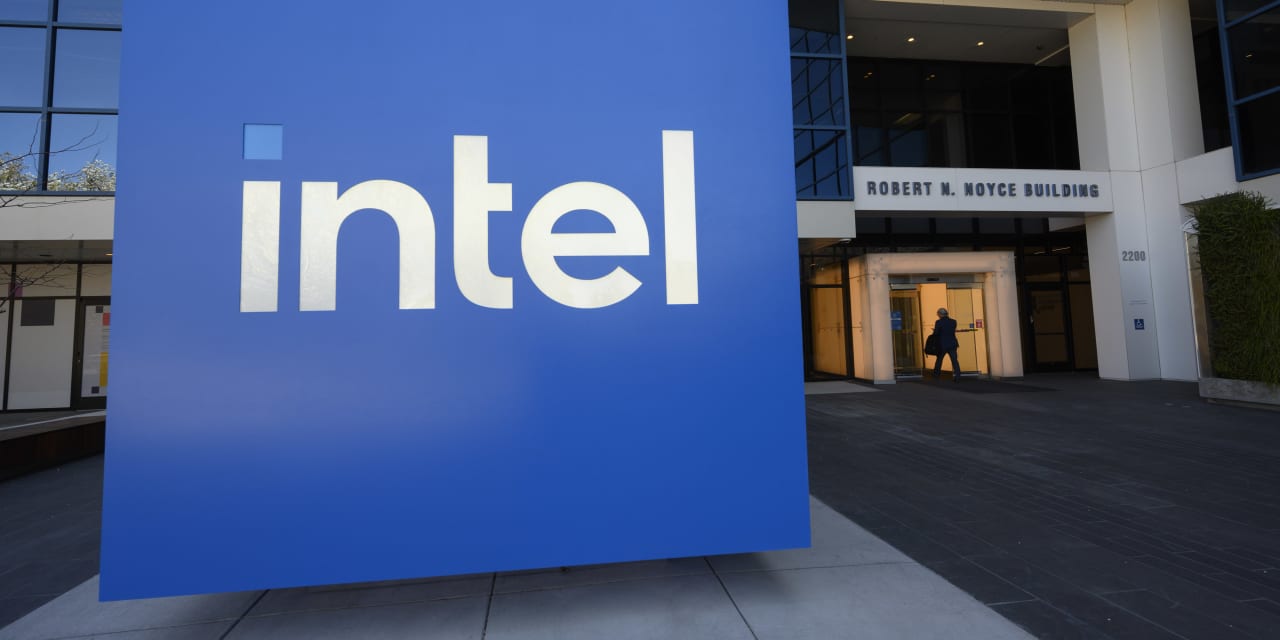
HP vs Dell: Competing in the AI PC Market
- Valuation Comparison: HP's P/E ratio stands at 8.5, significantly lower than Dell's 31.8, indicating that HP is less exposed to risks if the AI theme slows down, making it suitable for value investors.
- Growth Rate: Despite Dell's higher valuation, its AI servers achieved an impressive 88% year-over-year revenue growth in Q1 FY2027, showcasing strong market demand and growth potential.
- Financial Outlook: HP anticipates a decline in diluted EPS to between $0.47 and $0.63 for Q3 FY2026, reflecting its competitive weakness in the AI market and a lack of clear revenue guidance.
- Investment Recommendation: For investors seeking exposure to AI and higher returns, Dell is more attractive due to its robust revenue growth and compelling outlook, despite its higher associated risks.
See More
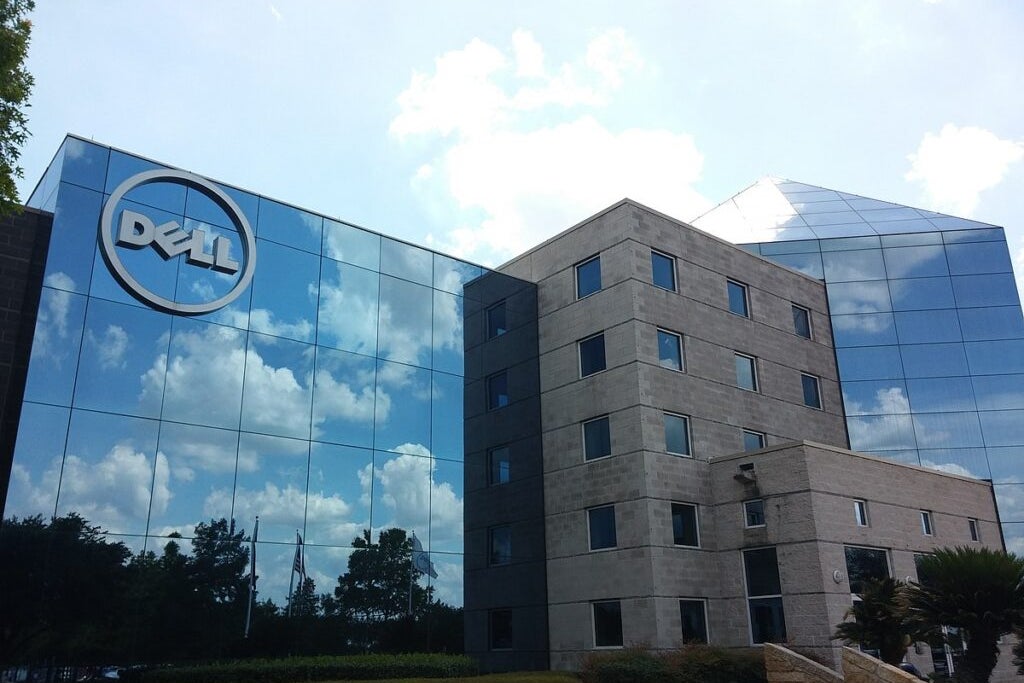
HP vs. Dell: Analyzing AI Market Competition
- Valuation Comparison: HP's P/E ratio stands at 8.5, significantly lower than Dell's 31.8, indicating that HP is less exposed to risks if the AI theme slows down, making it suitable for value investors.
- Growth Rate: Dell's AI servers achieved an impressive 88% year-over-year revenue growth in Q1 FY2027, showcasing strong market demand, while HP's 9% growth rate appears less attractive, reflecting Dell's rapid market share gains.
- Earnings Outlook: HP anticipates diluted EPS between $0.47 and $0.63 for Q3 FY2026, down from $0.75 in the same quarter last year, and the lack of revenue guidance raises concerns among investors.
- Investment Recommendation: While HP may appeal to value-seeking investors, Dell, with its higher growth potential and robust performance in AI servers, could offer a more attractive option for those seeking higher returns.
See More
Lenovo Group Shares Surge 137.2% Year-to-Date, Outperforming Peers
- Outstanding Stock Performance: Lenovo Group's shares have surged 137.2% year-to-date, significantly outperforming its industry and the S&P 500, reflecting strong market performance and investor confidence in its growth trajectory.
- Investment in AI Infrastructure: The company is ramping up investments in AI infrastructure and intelligent devices, with its AI server pipeline exceeding $21 billion, indicating a strategic position in high-growth markets.
- Diversified Business Development: By expanding into higher-margin sectors such as hybrid cloud and enterprise services, Lenovo is reducing its reliance on the cyclical PC market, thereby enhancing its long-term growth potential and profitability.
- Positive Future Growth Outlook: Analysts have shown optimism for fiscal years 2027 and 2028, with revenue expected to grow by 13% and 11.2% respectively, further solidifying Lenovo's investment appeal amidst a favorable market environment.
See More

HP Partners with OpenAI to Enhance Customer Service
- Strategic Partnership Launch: HP's collaboration with OpenAI on the Frontier platform aims to enhance customer service by integrating multi-channel experiences, enabling customers and partners to obtain answers and complete routine workflows more quickly, thereby improving overall customer satisfaction.
- Internal Process Optimization: HP plans to leverage Frontier technology to accelerate internal business processes, enhancing employee efficiency, which is expected to significantly reduce response times and improve the quality of interactions between employees and customers, ultimately driving business growth.
- Exploratory Phase Outcomes: This partnership officially follows an exploratory phase that began in February 2026, during which HP conducted a comprehensive evaluation with OpenAI to ensure that the capabilities of the Frontier platform meet the company's needs, demonstrating HP's commitment to technological innovation.
- Market Competitive Advantage: By partnering with OpenAI, HP not only enhances its technological capabilities but also strengthens its strategic position in the customer service sector amid fierce market competition, indicating potential for future business expansion and market share growth.
See More
HP Partners with OpenAI for AI-Driven Solutions
- Strategic Partnership Initiated: HP has formed a strategic partnership with OpenAI to deploy AI-driven solutions via the Frontier platform, aimed at accelerating HP's transformation and growth while enhancing customer experiences and internal operations.
- Vision for Future Work: The Frontier platform will play a crucial role in shaping HP's Future of Work by integrating advanced agentic capabilities and enterprise-grade security, allowing HP to provide smarter experiences for customers while streamlining its operations.
- Strengthened Commitment to Innovation: HP will leverage Frontier to support the development of an advanced telemetry platform with WXP, creating a connected device layer designed for the AI era, thereby reinforcing its commitment to innovation and enterprise integration.
- Exploratory Phase Outcomes: This partnership announcement follows an exploratory phase that began in February 2026, during which HP conducted a comprehensive evaluation of Frontier's technical capabilities and strategic alignment, laying the groundwork for this collaboration.
See More
Analysis of HP and Dell's Competition in the AI Market
- Valuation Comparison: HP's P/E ratio stands at 8.5, significantly lower than Dell's 31.8, indicating HP's stronger resilience in the event of an AI theme slowdown, making it suitable for value investors, while Dell attracts growth investors due to its higher valuation and faster growth potential.
- Performance Metrics: Dell's AI server revenue saw an impressive 88% year-over-year growth in Q1 FY2027, whereas HP's growth rate was only 9% in Q2 FY2026, highlighting Dell's advantage in market share expansion, with AI servers being a key growth driver.
- Earnings Outlook: HP anticipates diluted EPS between $0.47 and $0.63 for Q3 FY2026, down from $0.75 in the same quarter last year, and the lack of revenue guidance raises concerns among investors regarding its future performance.
- Market Opportunities: While HP holds a place for value investors, Dell's robust AI server revenue growth and more compelling earnings guidance may continue to attract investors seeking higher returns in the future.
See More
HP vs Dell: Competing in the AI PC Market
- Valuation Comparison: HP's P/E ratio stands at 8.5, significantly lower than Dell's 31.8, indicating that HP is less exposed to risks if the AI theme slows down, making it suitable for value investors.
- Growth Rate: Despite Dell's higher valuation, its AI servers achieved an impressive 88% year-over-year revenue growth in Q1 FY2027, showcasing strong market demand and growth potential.
- Financial Outlook: HP anticipates a decline in diluted EPS to between $0.47 and $0.63 for Q3 FY2026, reflecting its competitive weakness in the AI market and a lack of clear revenue guidance.
- Investment Recommendation: For investors seeking exposure to AI and higher returns, Dell is more attractive due to its robust revenue growth and compelling outlook, despite its higher associated risks.
See More
HP vs. Dell: Analyzing AI Market Competition
- Valuation Comparison: HP's P/E ratio stands at 8.5, significantly lower than Dell's 31.8, indicating that HP is less exposed to risks if the AI theme slows down, making it suitable for value investors.
- Growth Rate: Dell's AI servers achieved an impressive 88% year-over-year revenue growth in Q1 FY2027, showcasing strong market demand, while HP's 9% growth rate appears less attractive, reflecting Dell's rapid market share gains.
- Earnings Outlook: HP anticipates diluted EPS between $0.47 and $0.63 for Q3 FY2026, down from $0.75 in the same quarter last year, and the lack of revenue guidance raises concerns among investors.
- Investment Recommendation: While HP may appeal to value-seeking investors, Dell, with its higher growth potential and robust performance in AI servers, could offer a more attractive option for those seeking higher returns.
See More
Lenovo Group Shares Surge 137.2% Year-to-Date, Outperforming Peers
- Outstanding Stock Performance: Lenovo Group's shares have surged 137.2% year-to-date, significantly outperforming its industry and the S&P 500, reflecting strong market performance and investor confidence in its growth trajectory.
- Investment in AI Infrastructure: The company is ramping up investments in AI infrastructure and intelligent devices, with its AI server pipeline exceeding $21 billion, indicating a strategic position in high-growth markets.
- Diversified Business Development: By expanding into higher-margin sectors such as hybrid cloud and enterprise services, Lenovo is reducing its reliance on the cyclical PC market, thereby enhancing its long-term growth potential and profitability.
- Positive Future Growth Outlook: Analysts have shown optimism for fiscal years 2027 and 2028, with revenue expected to grow by 13% and 11.2% respectively, further solidifying Lenovo's investment appeal amidst a favorable market environment.
See More
HP Partners with OpenAI to Enhance Customer Service
- Strategic Partnership Launch: HP's collaboration with OpenAI on the Frontier platform aims to enhance customer service by integrating multi-channel experiences, enabling customers and partners to obtain answers and complete routine workflows more quickly, thereby improving overall customer satisfaction.
- Internal Process Optimization: HP plans to leverage Frontier technology to accelerate internal business processes, enhancing employee efficiency, which is expected to significantly reduce response times and improve the quality of interactions between employees and customers, ultimately driving business growth.
- Exploratory Phase Outcomes: This partnership officially follows an exploratory phase that began in February 2026, during which HP conducted a comprehensive evaluation with OpenAI to ensure that the capabilities of the Frontier platform meet the company's needs, demonstrating HP's commitment to technological innovation.
- Market Competitive Advantage: By partnering with OpenAI, HP not only enhances its technological capabilities but also strengthens its strategic position in the customer service sector amid fierce market competition, indicating potential for future business expansion and market share growth.
See More
HP Partners with OpenAI for AI-Driven Solutions
- Strategic Partnership Initiated: HP has formed a strategic partnership with OpenAI to deploy AI-driven solutions via the Frontier platform, aimed at accelerating HP's transformation and growth while enhancing customer experiences and internal operations.
- Vision for Future Work: The Frontier platform will play a crucial role in shaping HP's Future of Work by integrating advanced agentic capabilities and enterprise-grade security, allowing HP to provide smarter experiences for customers while streamlining its operations.
- Strengthened Commitment to Innovation: HP will leverage Frontier to support the development of an advanced telemetry platform with WXP, creating a connected device layer designed for the AI era, thereby reinforcing its commitment to innovation and enterprise integration.
- Exploratory Phase Outcomes: This partnership announcement follows an exploratory phase that began in February 2026, during which HP conducted a comprehensive evaluation of Frontier's technical capabilities and strategic alignment, laying the groundwork for this collaboration.
See More