Digi Power Experiences 6.6% Decline Following AI Infrastructure Update
Written by Emily J. Thompson, Senior Investment Analyst
Updated: Dec 03 2025
0mins


Should l Buy NVDA?
Source: Yahoo Finance
Company Update: Digi Power X (DGX.V) has provided an update regarding the progress of its AI initiatives.
Market Impact: The announcement has led to updates in the company's share performance.
Trade with 70% Backtested Accuracy
Stop guessing "Should I Buy NVDA?" and start using high-conviction signals backed by rigorous historical data.
Sign up today to access powerful investing tools and make smarter, data-driven decisions.
Analyst Views on NVDA
Wall Street analysts forecast NVDA stock price to rise
41 Analyst Rating
39 Buy
1 Hold
1 Sell
Strong Buy
Current: 199.570

Low
200.00
Averages
264.97
High
352.00
Current: 199.570
Low
200.00
Averages
264.97
High
352.00
About NVDA
NVIDIA Corporation is an artificial intelligence (AI) infrastructure company. The Company is engaged in accelerated computing to help solve the challenging computational problems. Its segments include Compute & Networking and Graphics. The Compute & Networking segment includes its Data Center accelerated computing and networking platforms and AI solutions and software, and automotive platforms and autonomous and electric vehicle solutions, including software. The Graphics segment includes GeForce GPUs for gaming and personal computers (PCs), and Quadro/NVIDIA RTX GPUs for enterprise workstation graphics. Its technology stack includes the foundational NVIDIA CUDA development platform that runs on all NVIDIA GPUs, as well as hundreds of domain-specific software libraries, frameworks, algorithms, software development kits (SDKs), and application programming interfaces (APIs). Its platforms address four markets, which include Data Center, Gaming, Professional Visualization, and Automotive.
About the author

Emily J. Thompson
Emily J. Thompson, a Chartered Financial Analyst (CFA) with 12 years in investment research, graduated with honors from the Wharton School. Specializing in industrial and technology stocks, she provides in-depth analysis for Intellectia’s earnings and market brief reports.

SpaceX IPO Expected to Set Historic Valuation

- Valuation Target: SpaceX is targeting a $1.75 trillion valuation for its IPO, aiming to raise up to $75 billion, which would make it one of the largest IPOs in history, significantly enhancing the company's market position.
- Retail Investor Priority: The IPO will allocate up to 30% of shares to small retail investors, a move that not only increases participation opportunities for everyday investors but may also boost overall market demand for SpaceX.
- AI Chip Demand: As a major buyer of GPUs and AI chips, SpaceX plans to design its own AI processors in partnership with Tesla, although this will take years; in the meantime, reliance on external suppliers like Nvidia is expected to drive sales growth for Nvidia.
- Orbital Data Center Vision: The influx of capital will accelerate SpaceX's development of its massive Starship rocket, and if successful in establishing orbital data centers, it could create significant market opportunities for Nvidia, especially amid the rapid growth in AI computing demands.
See More
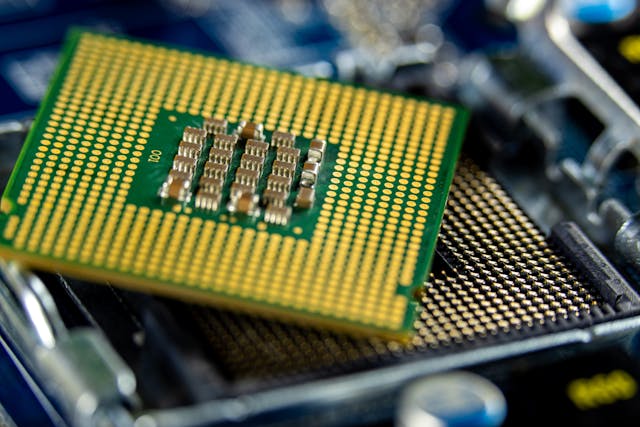
NVIDIA Has Not Sold H200 Chips to Chinese Firms Amid Trade Concerns
- Sales Delay: NVIDIA has not sold its H200 AI chips to Chinese enterprises, as reported by Secretary Howard Lutnick, who attributed the delay to China's government banning acquisitions to favor domestic market investment, highlighting the tension in US-China trade relations.
- Policy Impact: The Trump administration approved shipments of H200 chips to China in January with conditions, raising concerns among US lawmakers about potential military applications, which has further complicated sales terms and slowed supply chains.
- Export Restrictions: Lutnick mentioned that the affiliates rule blocking exports to thousands of Chinese businesses is still under consideration, linked to broader trade negotiations, indicating that policy uncertainty may affect NVIDIA's market strategy.
- Investment Potential: While NVIDIA is recognized as one of the best data center hardware stocks, analysts suggest that certain AI stocks may offer greater upside potential and lower downside risk, reflecting a diverse outlook on the AI sector.
See More

Archer Aviation: Prospects in the Electric VTOL Market


- Market Potential: Morgan Stanley analyst Adam Jonas estimates that the urban air mobility market could reach $1 trillion by 2040 and scale up to $9 trillion by 2050, highlighting the revolutionary potential of electric vertical takeoff and landing (eVTOL) aircraft across multiple industries.
- Stock Volatility: Since going public in 2021, Archer's stock has experienced extreme volatility, surging on FAA certification milestones and new airline orders, but crashing due to concerns over manufacturing costs and revenue recognition timelines, reflecting market anxiety about its profitability.
- High Cash Burn: Archer's elevated cash burn rate may necessitate additional capital raises to sustain operations, which, coupled with a broader risk-off sentiment, adds downward pressure on its stock price, prompting investors to carefully assess the associated risks.
- Shift in Investor Sentiment: As market focus shifts towards sustainable growth, investors' expectations for Archer have transitioned from visionary aspirations to demands for quantifiable metrics around cost discipline and manufacturing scale, making its current stock price potentially appealing for long-term investors while remaining cautious of further dilution risks.
See More

Oracle Stock Rises After OpenAI Reassurances

- Stock Surge: Oracle's shares rose over 7% following CFO Sarah Friar's reassurances to Bloomberg, indicating a market recovery from previous concerns regarding OpenAI's performance and enhancing investor confidence in Oracle's future.
- Importance of OpenAI Partnership: The $300 billion deal between Oracle and OpenAI means that OpenAI's performance directly impacts Oracle's financial health, particularly as Oracle needs to ensure EBITDA and cash flow to support its massive investment commitments.
- Market Reaction: With Friar's reaffirmation, the market felt optimistic about OpenAI's growth trajectory, leading to an increase in Oracle's stock price, reflecting investor confidence in the demand for AI infrastructure.
- Investor Scrutiny: Given OpenAI's recent successful $122 billion funding round, Oracle's investors are closely monitoring its partner's performance to ensure future cash inflows and investment returns.
See More

Silver Investment Outperforms Gold Amid Market Volatility


- Silver Price Surge: As of April 23, silver has increased by 126% to approximately $74.42, outperforming Nvidia (up 84%) and Broadcom (up 119%), highlighting its strong investment potential.
- Industrial Demand Drivers: Silver reached a record high of $121 per ounce in late January, primarily driven by industrial demand from solar panels, consumer electronics, and 5G technology, although it subsequently fell due to supply constraints and the appointment of a new Fed chair.
- Market Expectation Shifts: Despite Kevin Warsh being viewed as a hawk, potentially impacting interest rate expectations, analysts believe his influence on silver prices may be overstated, forecasting silver to reach $81 by year-end, 8.8% above current levels.
- Investment Opportunity: With the SLV ETF down approximately 40% since late January, now may be an opportune time to reinvest in silver, especially as SLV, the largest silver ETF, has returned about 124% over the past 12 months, providing a stable investment option for average investors.
See More
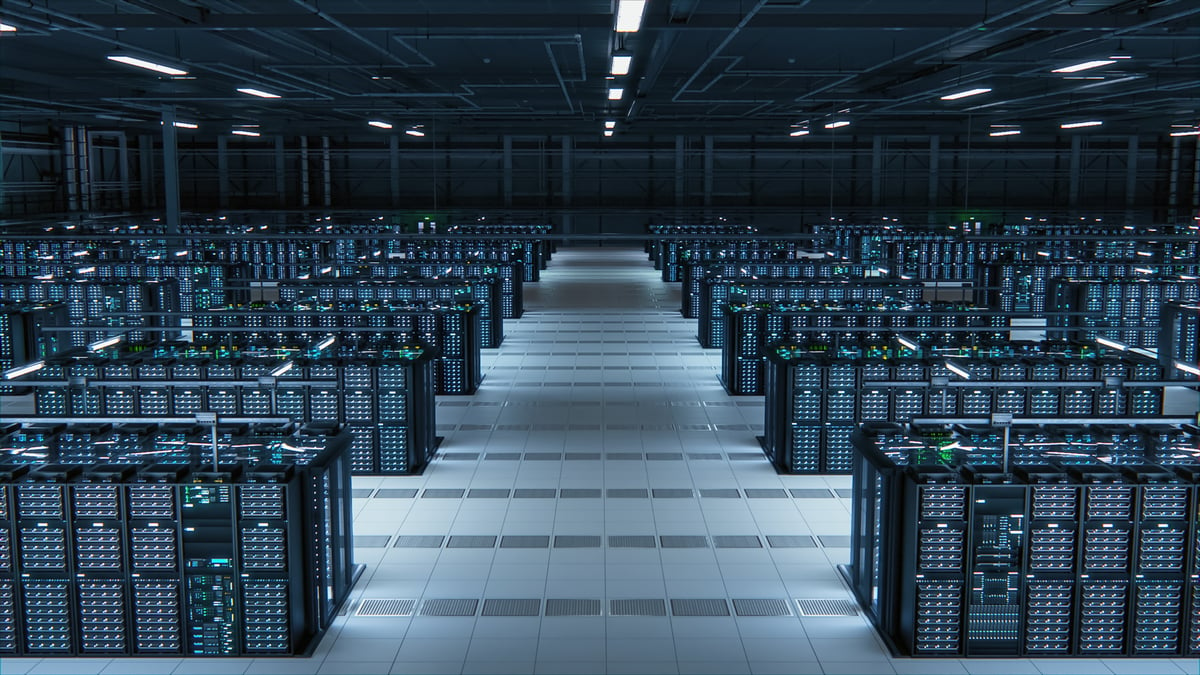
Amazon and Microsoft Compete for $4 Trillion Market Cap


- AWS Growth Acceleration: Amazon's Q1 revenue rose 17% year-over-year to $181.5 billion, with AWS cloud computing revenue growing 28% to $37.6 billion, marking the fastest growth rate in 15 quarters, indicating strong market demand and ongoing business expansion potential.
- Strong Demand Pipeline: AWS's backlog reached $364 billion at the end of the quarter, excluding the recently announced commitment of over $100 billion from Anthropic, suggesting a positive outlook for future growth and further solidifying Amazon's leadership in the cloud computing market.
- Surging Capital Expenditures: Amazon's capital expenditures totaled $44.2 billion in Q1, primarily driven by AI infrastructure investments, and although free cash flow dropped to $1.2 billion, management remains optimistic about long-term returns on these investments, which are expected to drive future business growth.
- Microsoft's Slowing Growth: Microsoft's Q3 revenue increased 18% year-over-year to $82.9 billion, with Azure cloud services revenue growing 40%, but the growth rate has plateaued, and the outlook for the next quarter suggests a slowdown to 39%-40%, indicating a competitive disadvantage compared to Amazon.
See More
SpaceX IPO Expected to Set Historic Valuation
- Valuation Target: SpaceX is targeting a $1.75 trillion valuation for its IPO, aiming to raise up to $75 billion, which would make it one of the largest IPOs in history, significantly enhancing the company's market position.
- Retail Investor Priority: The IPO will allocate up to 30% of shares to small retail investors, a move that not only increases participation opportunities for everyday investors but may also boost overall market demand for SpaceX.
- AI Chip Demand: As a major buyer of GPUs and AI chips, SpaceX plans to design its own AI processors in partnership with Tesla, although this will take years; in the meantime, reliance on external suppliers like Nvidia is expected to drive sales growth for Nvidia.
- Orbital Data Center Vision: The influx of capital will accelerate SpaceX's development of its massive Starship rocket, and if successful in establishing orbital data centers, it could create significant market opportunities for Nvidia, especially amid the rapid growth in AI computing demands.
See More
NVIDIA Has Not Sold H200 Chips to Chinese Firms Amid Trade Concerns
- Sales Delay: NVIDIA has not sold its H200 AI chips to Chinese enterprises, as reported by Secretary Howard Lutnick, who attributed the delay to China's government banning acquisitions to favor domestic market investment, highlighting the tension in US-China trade relations.
- Policy Impact: The Trump administration approved shipments of H200 chips to China in January with conditions, raising concerns among US lawmakers about potential military applications, which has further complicated sales terms and slowed supply chains.
- Export Restrictions: Lutnick mentioned that the affiliates rule blocking exports to thousands of Chinese businesses is still under consideration, linked to broader trade negotiations, indicating that policy uncertainty may affect NVIDIA's market strategy.
- Investment Potential: While NVIDIA is recognized as one of the best data center hardware stocks, analysts suggest that certain AI stocks may offer greater upside potential and lower downside risk, reflecting a diverse outlook on the AI sector.
See More
Archer Aviation: Prospects in the Electric VTOL Market
- Market Potential: Morgan Stanley analyst Adam Jonas estimates that the urban air mobility market could reach $1 trillion by 2040 and scale up to $9 trillion by 2050, highlighting the revolutionary potential of electric vertical takeoff and landing (eVTOL) aircraft across multiple industries.
- Stock Volatility: Since going public in 2021, Archer's stock has experienced extreme volatility, surging on FAA certification milestones and new airline orders, but crashing due to concerns over manufacturing costs and revenue recognition timelines, reflecting market anxiety about its profitability.
- High Cash Burn: Archer's elevated cash burn rate may necessitate additional capital raises to sustain operations, which, coupled with a broader risk-off sentiment, adds downward pressure on its stock price, prompting investors to carefully assess the associated risks.
- Shift in Investor Sentiment: As market focus shifts towards sustainable growth, investors' expectations for Archer have transitioned from visionary aspirations to demands for quantifiable metrics around cost discipline and manufacturing scale, making its current stock price potentially appealing for long-term investors while remaining cautious of further dilution risks.
See More
Oracle Stock Rises After OpenAI Reassurances
- Stock Surge: Oracle's shares rose over 7% following CFO Sarah Friar's reassurances to Bloomberg, indicating a market recovery from previous concerns regarding OpenAI's performance and enhancing investor confidence in Oracle's future.
- Importance of OpenAI Partnership: The $300 billion deal between Oracle and OpenAI means that OpenAI's performance directly impacts Oracle's financial health, particularly as Oracle needs to ensure EBITDA and cash flow to support its massive investment commitments.
- Market Reaction: With Friar's reaffirmation, the market felt optimistic about OpenAI's growth trajectory, leading to an increase in Oracle's stock price, reflecting investor confidence in the demand for AI infrastructure.
- Investor Scrutiny: Given OpenAI's recent successful $122 billion funding round, Oracle's investors are closely monitoring its partner's performance to ensure future cash inflows and investment returns.
See More
Silver Investment Outperforms Gold Amid Market Volatility
- Silver Price Surge: As of April 23, silver has increased by 126% to approximately $74.42, outperforming Nvidia (up 84%) and Broadcom (up 119%), highlighting its strong investment potential.
- Industrial Demand Drivers: Silver reached a record high of $121 per ounce in late January, primarily driven by industrial demand from solar panels, consumer electronics, and 5G technology, although it subsequently fell due to supply constraints and the appointment of a new Fed chair.
- Market Expectation Shifts: Despite Kevin Warsh being viewed as a hawk, potentially impacting interest rate expectations, analysts believe his influence on silver prices may be overstated, forecasting silver to reach $81 by year-end, 8.8% above current levels.
- Investment Opportunity: With the SLV ETF down approximately 40% since late January, now may be an opportune time to reinvest in silver, especially as SLV, the largest silver ETF, has returned about 124% over the past 12 months, providing a stable investment option for average investors.
See More
Amazon and Microsoft Compete for $4 Trillion Market Cap
- AWS Growth Acceleration: Amazon's Q1 revenue rose 17% year-over-year to $181.5 billion, with AWS cloud computing revenue growing 28% to $37.6 billion, marking the fastest growth rate in 15 quarters, indicating strong market demand and ongoing business expansion potential.
- Strong Demand Pipeline: AWS's backlog reached $364 billion at the end of the quarter, excluding the recently announced commitment of over $100 billion from Anthropic, suggesting a positive outlook for future growth and further solidifying Amazon's leadership in the cloud computing market.
- Surging Capital Expenditures: Amazon's capital expenditures totaled $44.2 billion in Q1, primarily driven by AI infrastructure investments, and although free cash flow dropped to $1.2 billion, management remains optimistic about long-term returns on these investments, which are expected to drive future business growth.
- Microsoft's Slowing Growth: Microsoft's Q3 revenue increased 18% year-over-year to $82.9 billion, with Azure cloud services revenue growing 40%, but the growth rate has plateaued, and the outlook for the next quarter suggests a slowdown to 39%-40%, indicating a competitive disadvantage compared to Amazon.
See More