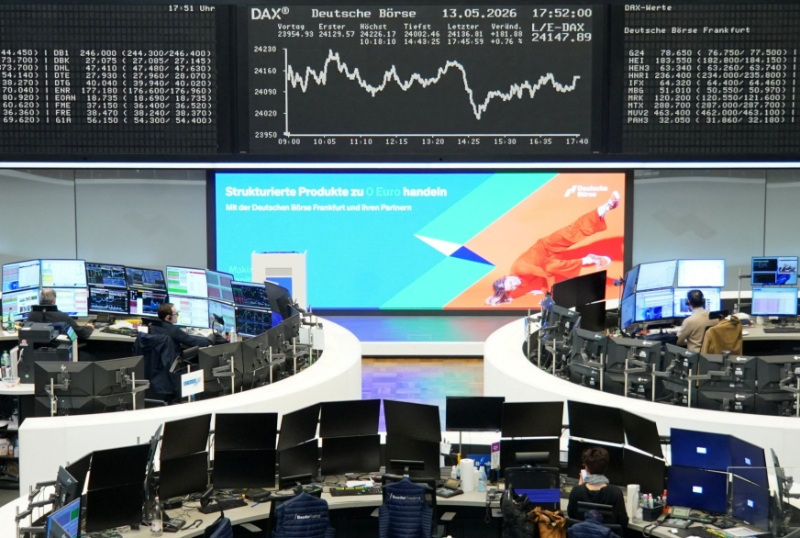
Digesting DeepSeek news and what to do with electrical stocks here By Investing.com


Market Reaction to AI Infrastructure Concerns: The announcement regarding DeepSeek has led to a 15% drop in electrical stocks, with Bernstein analysts noting a potential long-term demand risk that could reduce earnings per share growth. Despite this, they maintain a positive outlook on the AI-driven capital expenditure cycle, projecting significant increases in hyperscaler investments through 2025.
Long-Term Growth and Investment Outlook: Bernstein highlights a robust long-term project pipeline for data centers, estimating $330 billion in the US and $770 billion globally, while near-term investments are expected to rise by 24%. They continue to favor electrical infrastructure stocks like Quanta Services and Schneider Electric, suggesting these will benefit from sustained demand despite recent market volatility.
Trade with 70% Backtested Accuracy
Analyst Views on MSFT

About MSFT
About the author


Video Game Industry Faces Price Hikes Amid Supply Shortages

- Price Increase Impact: Nintendo's decision to raise the Switch 2 price from $449 to $499, despite being a top seller in under a year, could hinder its market share and user base growth.
- Competitor Reactions: Microsoft and Sony have raised Xbox and PS5 prices, resulting in a 33% decline in Xbox hardware revenue and a 46% drop in PS5 unit sales in the latest quarter, indicating direct negative impacts from price hikes.
- Market Trend Shift: Typically, game consoles decrease in price over time to boost sales, but current memory and storage shortages have forced manufacturers to raise prices, a reversal that may affect future sales strategies.
- Uncertain Future Outlook: With shortages expected to last until 2030, Microsoft and Sony may face increased cost pressures and market challenges as they prepare for next-generation consoles, impacting their long-term profitability.

Nvidia's Market Cap Surpasses $5.7 Trillion


- New Market High: Nvidia's stock hit a 52-week high of $236 on Thursday, pushing its market capitalization to approximately $5.7 trillion, surpassing the entire estimated market value of silver and making it the world's second-largest asset after gold.
- Strong Revenue Growth: In fiscal Q4 2026, Nvidia reported a 73% year-over-year revenue increase to $68.1 billion, with its data center segment, accounting for over 90% of total sales, growing 75%, reflecting robust market demand and solid business fundamentals.
- Margin Improvement: The company's non-GAAP gross margin rose to 75.2% in fiscal Q4 from 73.6% in the previous quarter, indicating enhanced profitability, while free cash flow reached approximately $97 billion, further solidifying its financial health.
- Future Growth Potential: Nvidia forecasts fiscal Q1 2027 revenue of about $78 billion, representing a 77% year-over-year growth, and with its AI business and upcoming product cycle, the company is well-positioned to achieve even higher market capitalization targets.

Ackman Increases Microsoft Stake, Focuses on AI and Cloud Business
- Increased Microsoft Stake: Ackman has disclosed that Pershing Square Capital Management has taken a new stake in Microsoft, reflecting confidence in the company's growth potential, particularly in AI and cloud computing sectors.
- Market Rebound Opportunity: Despite a 23% decline in Microsoft's stock in Q1 2023, Ackman views the accumulation of shares at a forward P/E of 21 as a buying opportunity, indicating a market undervaluation of its long-term prospects.
- Cloud and AI Advantages: Microsoft's Azure cloud platform and Microsoft 365 suite account for approximately 70% of its earnings, and Ackman believes these segments will benefit from the accelerating demand for AI as enterprise IT workloads migrate to the cloud.
- Value of OpenAI Investment: Ackman highlights Microsoft's 27% economic interest in OpenAI, valued at $200 billion, which represents about 7% of Microsoft's total market cap, further bolstering investor confidence in Microsoft's future growth.

Bill Ackman Increases Stake in Microsoft, Citing Compelling Valuation

- Increased Stake: Bill Ackman has been building a position in Microsoft through his Pershing Square fund since February, describing its current valuation as 'highly compelling,' with full stake details to be disclosed in a 13F filing later today.
- Core Profit Analysis: Ackman highlighted that Microsoft's two core franchises, M365 and Azure, account for approximately 70% of its profits, with M365 serving over 450 million daily users and Azure growing 39% in constant currency last quarter, with management guiding for modest acceleration in the second half.
- Market Competition Concerns: Despite investor concerns regarding M365's competitive positioning against AI alternatives like Anthropic's Claude Cowork and the sustainability of Azure's growth, Ackman dismissed these worries, asserting they are not reflected in Microsoft's valuation.
- OpenAI Investment Value: Ackman argued that Microsoft's roughly 27% economic interest in OpenAI is not captured in the headline multiple, valuing OpenAI at approximately $200 billion, which represents about 7% of Microsoft's current market capitalization.
End of Fed Chair Era Sparks Market Volatility


- Fed Chair Transition: Jerome Powell's last day as Fed Chair coincides with falling stock futures, indicating investor uncertainty regarding future monetary policy, which may lead to increased market volatility in the short term.
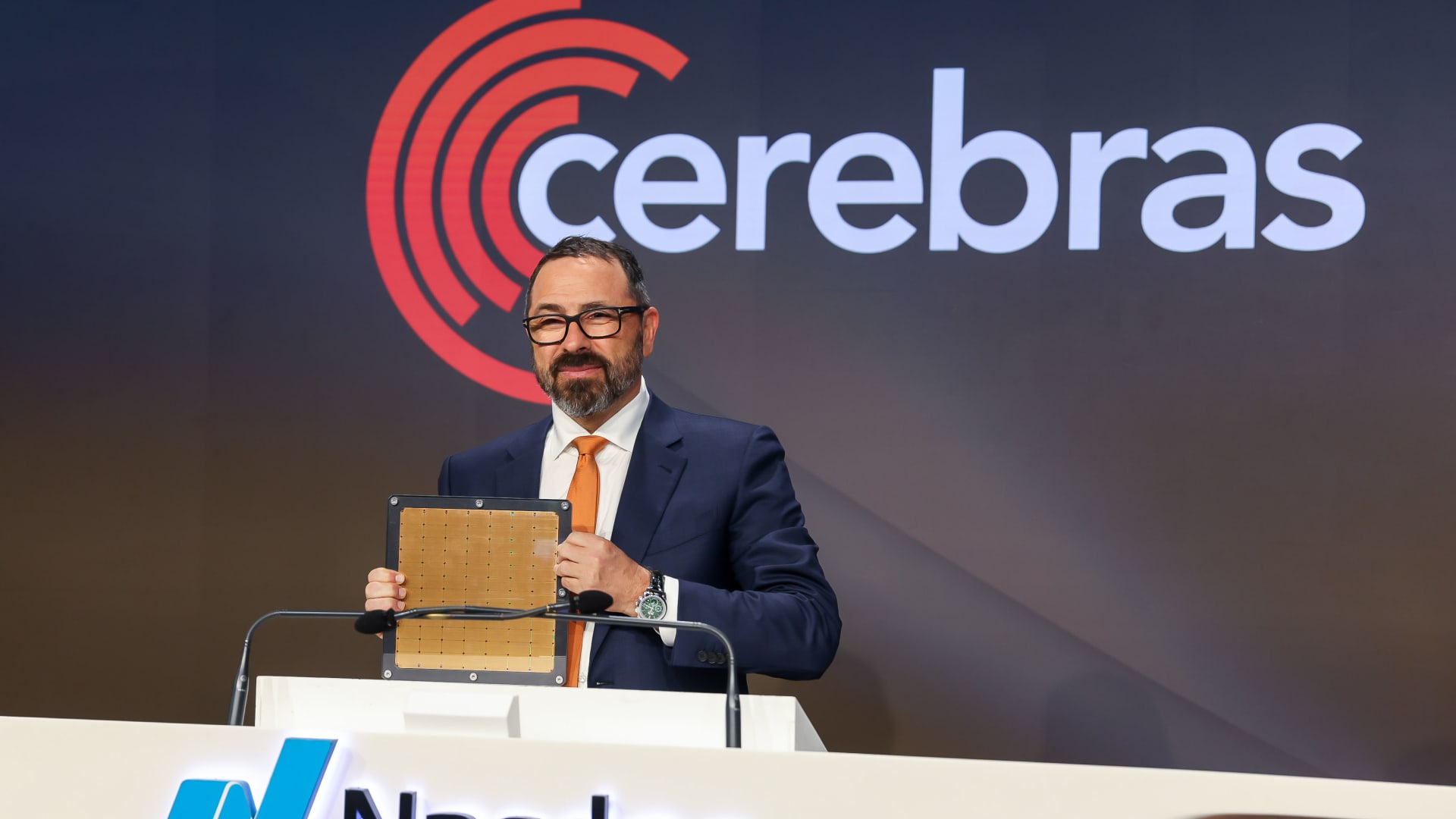
- Cerebras IPO Success: Cerebras shares surged 68% on their Nasdaq debut, pushing the company's market cap to approximately $95 billion, marking the largest IPO in the U.S. tech sector in years and reflecting strong demand and renewed investor confidence in high-tech firms.
- Automotive Industry Layoffs: The Detroit Three automakers—GM, Ford, and Stellantis—have collectively cut over 20,000 U.S. salaried jobs, about 19% of their combined workforce, highlighting the industry's struggle to adapt to AI and technological changes, which could impact future production capabilities.
- Crypto Regulation Progress: The Senate Banking Committee approved the Clarity Act, providing a regulatory framework for the cryptocurrency industry despite opposition from banks and law enforcement, indicating lawmakers' recognition of the crypto market's significance and potential compliance challenges ahead.
Ackman Increases Microsoft Stake, Seizing Investment Opportunity

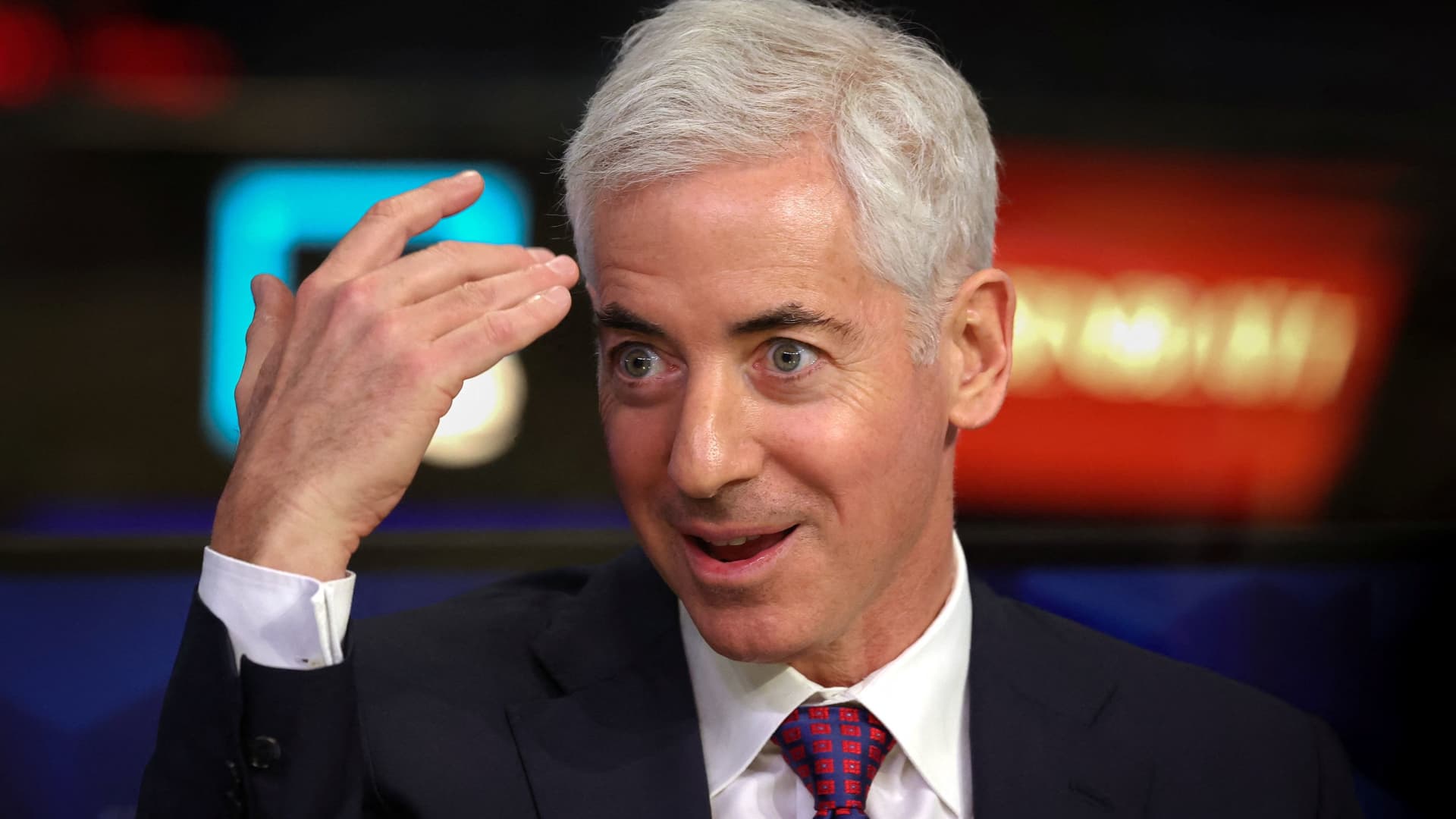
- Investment Opportunity Seized: Ackman's Pershing Square began accumulating shares in Microsoft after a stock pullback, believing that buying this global tech giant at a valuation of 21 times forward earnings presents a rare opportunity, reflecting confidence in Microsoft's future growth.
- Core Holding Position: Although the exact stake size was not disclosed, Ackman referred to his investment in Microsoft as a 'core holding,' indicating a long-term bullish outlook, particularly regarding the company's competitiveness in AI and cloud computing.
- Market Reaction Analysis: Microsoft's shares have fallen over 26% since reaching a record high in July 2025, primarily due to market concerns about the returns on its AI investments; Ackman believes this excessive worry provides a favorable entry point for investors.
- R&D Investment Outlook: Ackman expressed encouragement regarding Microsoft's R&D efforts with the AI assistant Copilot embedded in M365, asserting that CEO Nadella's direct involvement will enhance product velocity and customer adoption, further solidifying Microsoft's market position.
Video Game Industry Faces Price Hikes Amid Supply Shortages
- Price Increase Impact: Nintendo's decision to raise the Switch 2 price from $449 to $499, despite being a top seller in under a year, could hinder its market share and user base growth.
- Competitor Reactions: Microsoft and Sony have raised Xbox and PS5 prices, resulting in a 33% decline in Xbox hardware revenue and a 46% drop in PS5 unit sales in the latest quarter, indicating direct negative impacts from price hikes.
- Market Trend Shift: Typically, game consoles decrease in price over time to boost sales, but current memory and storage shortages have forced manufacturers to raise prices, a reversal that may affect future sales strategies.
- Uncertain Future Outlook: With shortages expected to last until 2030, Microsoft and Sony may face increased cost pressures and market challenges as they prepare for next-generation consoles, impacting their long-term profitability.
Nvidia's Market Cap Surpasses $5.7 Trillion
- New Market High: Nvidia's stock hit a 52-week high of $236 on Thursday, pushing its market capitalization to approximately $5.7 trillion, surpassing the entire estimated market value of silver and making it the world's second-largest asset after gold.
- Strong Revenue Growth: In fiscal Q4 2026, Nvidia reported a 73% year-over-year revenue increase to $68.1 billion, with its data center segment, accounting for over 90% of total sales, growing 75%, reflecting robust market demand and solid business fundamentals.
- Margin Improvement: The company's non-GAAP gross margin rose to 75.2% in fiscal Q4 from 73.6% in the previous quarter, indicating enhanced profitability, while free cash flow reached approximately $97 billion, further solidifying its financial health.
- Future Growth Potential: Nvidia forecasts fiscal Q1 2027 revenue of about $78 billion, representing a 77% year-over-year growth, and with its AI business and upcoming product cycle, the company is well-positioned to achieve even higher market capitalization targets.
Ackman Increases Microsoft Stake, Focuses on AI and Cloud Business
- Increased Microsoft Stake: Ackman has disclosed that Pershing Square Capital Management has taken a new stake in Microsoft, reflecting confidence in the company's growth potential, particularly in AI and cloud computing sectors.
- Market Rebound Opportunity: Despite a 23% decline in Microsoft's stock in Q1 2023, Ackman views the accumulation of shares at a forward P/E of 21 as a buying opportunity, indicating a market undervaluation of its long-term prospects.
- Cloud and AI Advantages: Microsoft's Azure cloud platform and Microsoft 365 suite account for approximately 70% of its earnings, and Ackman believes these segments will benefit from the accelerating demand for AI as enterprise IT workloads migrate to the cloud.
- Value of OpenAI Investment: Ackman highlights Microsoft's 27% economic interest in OpenAI, valued at $200 billion, which represents about 7% of Microsoft's total market cap, further bolstering investor confidence in Microsoft's future growth.
Bill Ackman Increases Stake in Microsoft, Citing Compelling Valuation
- Increased Stake: Bill Ackman has been building a position in Microsoft through his Pershing Square fund since February, describing its current valuation as 'highly compelling,' with full stake details to be disclosed in a 13F filing later today.
- Core Profit Analysis: Ackman highlighted that Microsoft's two core franchises, M365 and Azure, account for approximately 70% of its profits, with M365 serving over 450 million daily users and Azure growing 39% in constant currency last quarter, with management guiding for modest acceleration in the second half.
- Market Competition Concerns: Despite investor concerns regarding M365's competitive positioning against AI alternatives like Anthropic's Claude Cowork and the sustainability of Azure's growth, Ackman dismissed these worries, asserting they are not reflected in Microsoft's valuation.
- OpenAI Investment Value: Ackman argued that Microsoft's roughly 27% economic interest in OpenAI is not captured in the headline multiple, valuing OpenAI at approximately $200 billion, which represents about 7% of Microsoft's current market capitalization.
End of Fed Chair Era Sparks Market Volatility
- Fed Chair Transition: Jerome Powell's last day as Fed Chair coincides with falling stock futures, indicating investor uncertainty regarding future monetary policy, which may lead to increased market volatility in the short term.
- Cerebras IPO Success: Cerebras shares surged 68% on their Nasdaq debut, pushing the company's market cap to approximately $95 billion, marking the largest IPO in the U.S. tech sector in years and reflecting strong demand and renewed investor confidence in high-tech firms.
- Automotive Industry Layoffs: The Detroit Three automakers—GM, Ford, and Stellantis—have collectively cut over 20,000 U.S. salaried jobs, about 19% of their combined workforce, highlighting the industry's struggle to adapt to AI and technological changes, which could impact future production capabilities.
- Crypto Regulation Progress: The Senate Banking Committee approved the Clarity Act, providing a regulatory framework for the cryptocurrency industry despite opposition from banks and law enforcement, indicating lawmakers' recognition of the crypto market's significance and potential compliance challenges ahead.
Ackman Increases Microsoft Stake, Seizing Investment Opportunity
- Investment Opportunity Seized: Ackman's Pershing Square began accumulating shares in Microsoft after a stock pullback, believing that buying this global tech giant at a valuation of 21 times forward earnings presents a rare opportunity, reflecting confidence in Microsoft's future growth.
- Core Holding Position: Although the exact stake size was not disclosed, Ackman referred to his investment in Microsoft as a 'core holding,' indicating a long-term bullish outlook, particularly regarding the company's competitiveness in AI and cloud computing.
- Market Reaction Analysis: Microsoft's shares have fallen over 26% since reaching a record high in July 2025, primarily due to market concerns about the returns on its AI investments; Ackman believes this excessive worry provides a favorable entry point for investors.
- R&D Investment Outlook: Ackman expressed encouragement regarding Microsoft's R&D efforts with the AI assistant Copilot embedded in M365, asserting that CEO Nadella's direct involvement will enhance product velocity and customer adoption, further solidifying Microsoft's market position.