Deutsche Bank Upgrades General Motors Amid Pullback

- Rating Upgrade: Deutsche Bank upgraded General Motors from hold to buy and raised its price target from $83 to $90, indicating a 17.1% upside from Monday's close, reflecting confidence in the company's future performance.
- Market Reaction: GM shares have dipped over 2% since the onset of the Iran war, primarily driven by concerns over rising shipping costs and potential supply shocks; however, analysts view this as an attractive entry point that could lead to a multi-year re-rate opportunity.
- Profit Drivers: While the outlook for 2026 is less stable than a few months ago, analysts emphasize that many of GM's profit drivers remain within the company's control, including the rollout of next-generation trucks in 2027, which could further boost stock performance.
- Software and Services Growth: Deutsche Bank highlights that GM's software and services segment is on track for growth; although it currently represents a minor part of the profit and loss statement, its growth trajectory is expected to enhance the company's valuation multiple, showcasing potential in new business areas.
Trade with 70% Backtested Accuracy
Analyst Views on GM

About GM
About the author

U.S. Automakers Reassess Sedan Market Amid Affordability Concerns


- Market Resilience: Despite American automakers largely abandoning sedans, Japanese, Korean, and German brands continue to sell hundreds of thousands of smaller passenger vehicles annually in the U.S., indicating resilience and potential recovery in the sedan market.
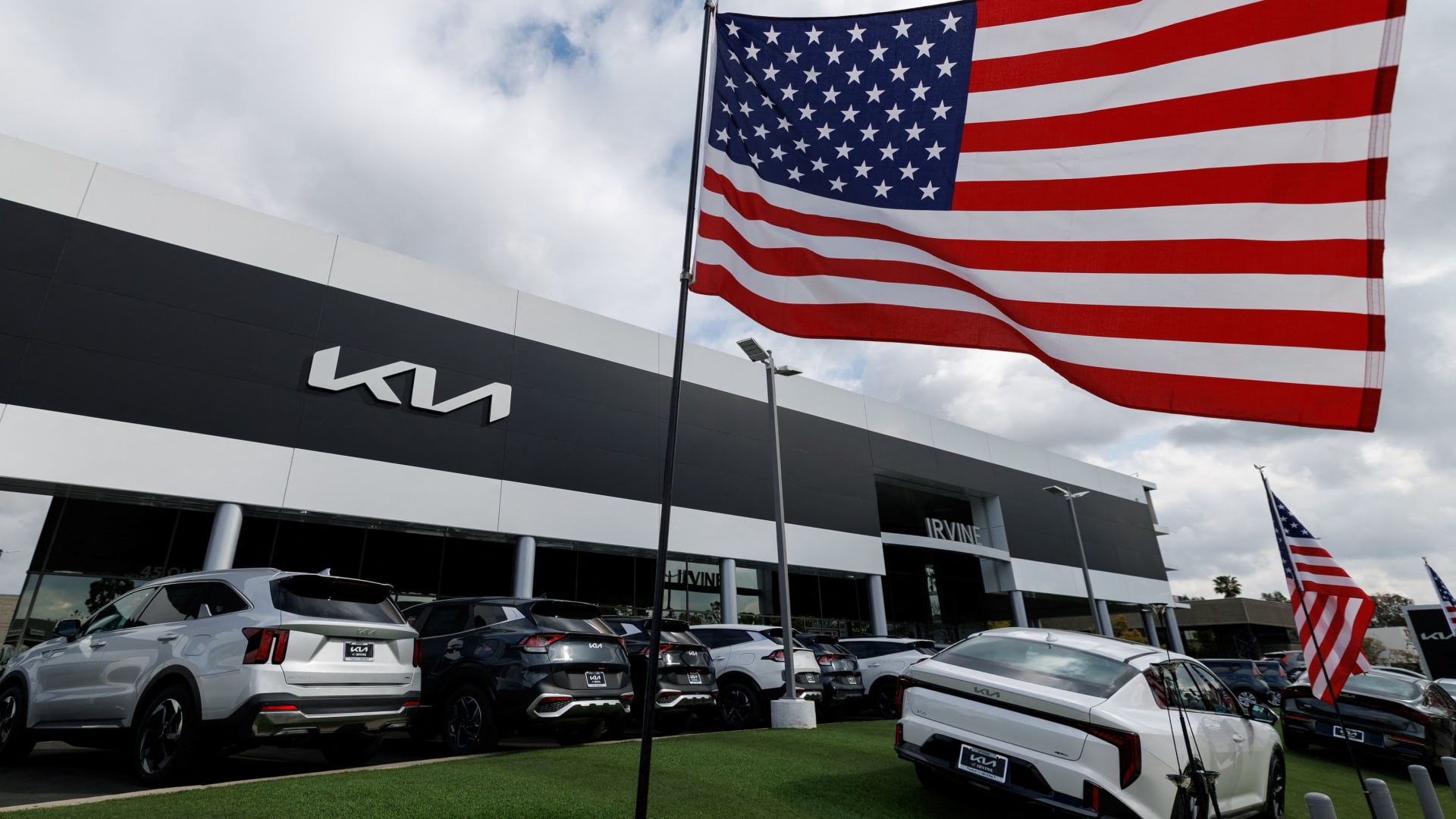
- Affordability Appeal: With the average vehicle price nearing $50,000, compact sedans starting around $22,000 are becoming attractive to buyers, as evidenced by Kia's K4 and Forte selling 140,514 units last year, exceeding expectations and highlighting strong consumer demand for affordable options.
- Young Consumer Preferences: Many Gen Z and younger Millennials feel pressured by high SUV payments, leading them to seek more affordable sedan alternatives, underscoring the importance of sedans in attracting a new generation of buyers.
- Industry Investment Confidence: Although sedan market share has dropped from 40% in 2015 to 15% in 2026, automakers continue to invest in sedans, reflecting their confidence in this segment and its potential for future growth.

Ford and GM Explore Expansion into Military Production


- Military Production Talks: Ford and General Motors are reportedly in discussions with U.S. defense officials to expand into weapons and military vehicle production, addressing munitions shortages due to the wars in Ukraine and Iran, which could provide new revenue streams for both companies.
- Historical Precedent: This initiative echoes the wartime pivot of Detroit automakers during World War II, where Ford produced nearly 278,000 military vehicles, highlighting its potential and capability in the defense sector.
- Mixed Market Reactions: Despite facing sales pressures, with Ford's stock down 2% and GM's down 4% year-to-date, market sentiment for GM remains optimistic, as analysts upgraded its rating to 'Buy'.
- Analyst Perspectives: Deutsche Bank raised GM's price target from $83 to $90, viewing the current market pullback as an attractive entry point, while Goldman Sachs expressed caution, expecting both automakers to report softer-than-expected first-quarter results.

GE Aerospace and Oshkosh, a Vehicle and Machinery Manufacturer, Participated in Discussions with Defense Officials - WSJ

Involvement of Companies: GEAEROSPACE and the vehicle and machinery maker OSHKOSH were among the companies participating in discussions with defense officials.
Focus of Talks: The talks centered around collaboration and potential partnerships in the aerospace and defense sectors.

US Defense Officials Engage in Talks with Leading Executives, Including GM's Mary Barra and Ford's Jim Farley - WSJ
Senior US Defense Officials' Discussions: Senior officials from the US Department of Defense have engaged in discussions with top executives from major automotive companies, including Mary Barra of General Motors and Jim Farley of Ford Motor Company.
Focus on Collaboration: The discussions likely center around potential collaborations between the defense sector and the automotive industry, particularly in areas such as technology and manufacturing.
Ford EV Executive Departure Amid Restructuring
- Executive Departure: Doug Field, Ford's chief of electric vehicles, digital, and design, is set to leave the company within a month, a move that may impact the execution of Ford's electric vehicle strategy amid ongoing executive restructuring.
- New Organizational Structure: Ford has established a 'Product Creation and Industrialization' unit led by COO Kumar Galhotra, aimed at integrating Field's responsibilities to support the company's goal of achieving an 8% adjusted EBIT margin by 2029.
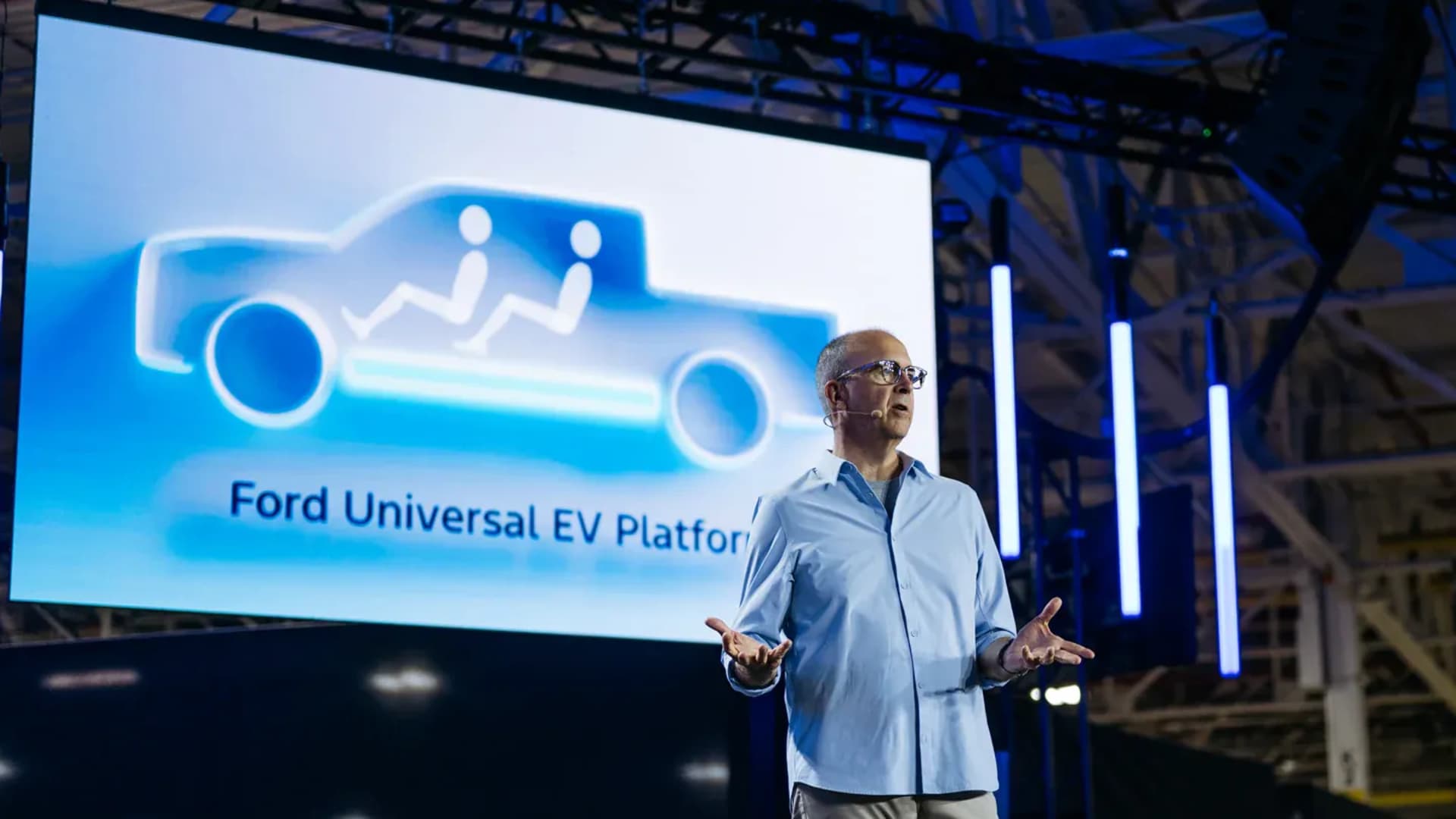
- Product Refresh Plans: Ford plans to refresh 80% of its North American portfolio and 70% of its global portfolio by 2029, including a new midsize pickup based on the 'Universal Electric Vehicle' platform, indicating a proactive approach in the electric vehicle market.
- Software and Electrical Architecture: By 2030, Ford aims for 90% of its global nameplates to offer electrified powertrains, with plans to introduce updated electrical architectures and user experiences, enhancing digital services and product quality to drive the company's transformation.

Ford's EV Chief Doug Field Exits Amid Executive Restructuring

- Executive Departure: Doug Field, Ford's head of electric vehicles and software, is leaving the company, with a transition period of one month, marking a significant restructuring that could impact Ford's future EV strategy.
- New Organizational Structure: Ford has established a 'Product Creation and Industrialization' unit led by COO Kumar Galhotra, aimed at integrating Field's responsibilities to achieve an 8% adjusted EBIT margin by 2029, highlighting the company's commitment to the EV market.
- Product Refresh Plans: The automaker plans to refresh 80% of its North American portfolio and 70% of its global portfolio by 2029, including a new midsize pickup based on the 'Universal Electric Vehicle' platform, indicating ongoing investment and diversification in the EV sector.
- Financial Challenges: Ford reported significant shortfalls in software revenue generation, announcing a $19.5 billion write-down last December, reflecting the substantial financial pressures faced during its EV transition, contrasting sharply with General Motors' $7.6 billion in similar charges.
U.S. Automakers Reassess Sedan Market Amid Affordability Concerns
- Market Resilience: Despite American automakers largely abandoning sedans, Japanese, Korean, and German brands continue to sell hundreds of thousands of smaller passenger vehicles annually in the U.S., indicating resilience and potential recovery in the sedan market.
- Affordability Appeal: With the average vehicle price nearing $50,000, compact sedans starting around $22,000 are becoming attractive to buyers, as evidenced by Kia's K4 and Forte selling 140,514 units last year, exceeding expectations and highlighting strong consumer demand for affordable options.
- Young Consumer Preferences: Many Gen Z and younger Millennials feel pressured by high SUV payments, leading them to seek more affordable sedan alternatives, underscoring the importance of sedans in attracting a new generation of buyers.
- Industry Investment Confidence: Although sedan market share has dropped from 40% in 2015 to 15% in 2026, automakers continue to invest in sedans, reflecting their confidence in this segment and its potential for future growth.
Ford and GM Explore Expansion into Military Production
- Military Production Talks: Ford and General Motors are reportedly in discussions with U.S. defense officials to expand into weapons and military vehicle production, addressing munitions shortages due to the wars in Ukraine and Iran, which could provide new revenue streams for both companies.
- Historical Precedent: This initiative echoes the wartime pivot of Detroit automakers during World War II, where Ford produced nearly 278,000 military vehicles, highlighting its potential and capability in the defense sector.
- Mixed Market Reactions: Despite facing sales pressures, with Ford's stock down 2% and GM's down 4% year-to-date, market sentiment for GM remains optimistic, as analysts upgraded its rating to 'Buy'.
- Analyst Perspectives: Deutsche Bank raised GM's price target from $83 to $90, viewing the current market pullback as an attractive entry point, while Goldman Sachs expressed caution, expecting both automakers to report softer-than-expected first-quarter results.
GE Aerospace and Oshkosh, a Vehicle and Machinery Manufacturer, Participated in Discussions with Defense Officials - WSJ
Involvement of Companies: GEAEROSPACE and the vehicle and machinery maker OSHKOSH were among the companies participating in discussions with defense officials.
Focus of Talks: The talks centered around collaboration and potential partnerships in the aerospace and defense sectors.
US Defense Officials Engage in Talks with Leading Executives, Including GM's Mary Barra and Ford's Jim Farley - WSJ
Senior US Defense Officials' Discussions: Senior officials from the US Department of Defense have engaged in discussions with top executives from major automotive companies, including Mary Barra of General Motors and Jim Farley of Ford Motor Company.
Focus on Collaboration: The discussions likely center around potential collaborations between the defense sector and the automotive industry, particularly in areas such as technology and manufacturing.
Ford EV Executive Departure Amid Restructuring
- Executive Departure: Doug Field, Ford's chief of electric vehicles, digital, and design, is set to leave the company within a month, a move that may impact the execution of Ford's electric vehicle strategy amid ongoing executive restructuring.
- New Organizational Structure: Ford has established a 'Product Creation and Industrialization' unit led by COO Kumar Galhotra, aimed at integrating Field's responsibilities to support the company's goal of achieving an 8% adjusted EBIT margin by 2029.
- Product Refresh Plans: Ford plans to refresh 80% of its North American portfolio and 70% of its global portfolio by 2029, including a new midsize pickup based on the 'Universal Electric Vehicle' platform, indicating a proactive approach in the electric vehicle market.
- Software and Electrical Architecture: By 2030, Ford aims for 90% of its global nameplates to offer electrified powertrains, with plans to introduce updated electrical architectures and user experiences, enhancing digital services and product quality to drive the company's transformation.
Ford's EV Chief Doug Field Exits Amid Executive Restructuring
- Executive Departure: Doug Field, Ford's head of electric vehicles and software, is leaving the company, with a transition period of one month, marking a significant restructuring that could impact Ford's future EV strategy.
- New Organizational Structure: Ford has established a 'Product Creation and Industrialization' unit led by COO Kumar Galhotra, aimed at integrating Field's responsibilities to achieve an 8% adjusted EBIT margin by 2029, highlighting the company's commitment to the EV market.
- Product Refresh Plans: The automaker plans to refresh 80% of its North American portfolio and 70% of its global portfolio by 2029, including a new midsize pickup based on the 'Universal Electric Vehicle' platform, indicating ongoing investment and diversification in the EV sector.
- Financial Challenges: Ford reported significant shortfalls in software revenue generation, announcing a $19.5 billion write-down last December, reflecting the substantial financial pressures faced during its EV transition, contrasting sharply with General Motors' $7.6 billion in similar charges.