Delta Air Lines Raises Checked Bag Fees Amid Rising Jet Fuel Costs


- Fee Increase: Delta Air Lines has raised its checked bag fees by $10 starting Wednesday, bringing the first bag fee to $45 and the second to $55, while a third bag will cost $200, reflecting the airline's pricing strategy in response to rising fuel costs.
- Industry Trend: This increase marks Delta as the third major U.S. carrier to raise fees, following United Airlines and JetBlue Airways, indicating a broader trend in the airline industry facing pressure from soaring fuel expenses, with expectations that other carriers may follow suit.
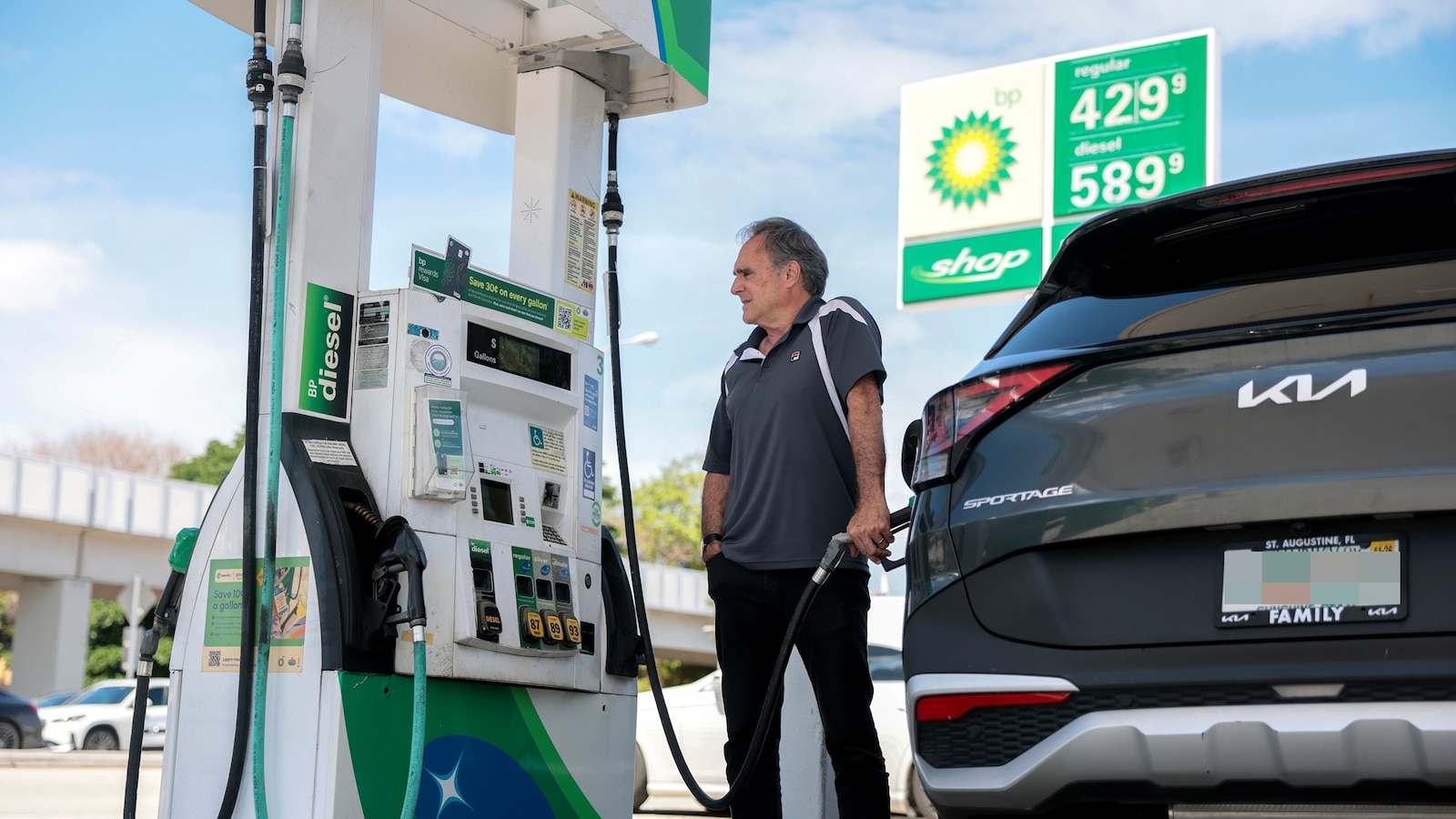
- Surging Fuel Costs: According to Airlines for America, jet fuel prices in major U.S. cities have reached $4.69 per gallon, an increase of nearly 88% since the U.S. and Israel's attack on Iran on February 28, posing significant challenges to airline operating costs.
- Market Reaction Anticipation: Delta is set to report its first-quarter results before the market opens on Wednesday, and investors are likely to scrutinize how the company plans to manage the surge in fuel costs, with analysts noting that while strong demand may alleviate some pressure, it remains uncertain if airlines can fully offset the rising fuel prices.
Trade with 70% Backtested Accuracy
Analyst Views on DAL

About DAL
About the author

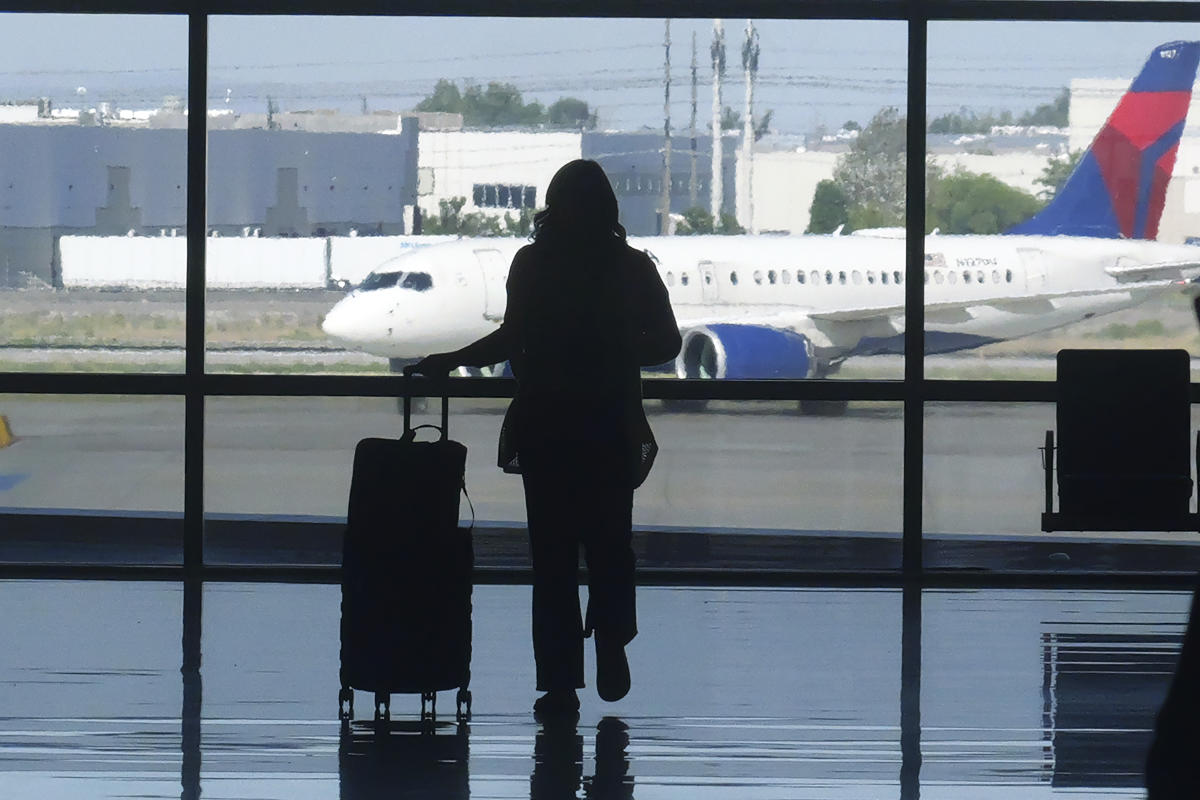
Delta Air Lines Soars: Anticipating New Heights Ahead

Stock Price Surge: Delta Airlines' stock prices surged on April 8 due to two main factors: the easing of tensions with Iran and better-than-expected Q1 2026 earnings results, which affirmed the company's leadership position and capital return ability.
Strong Financial Performance: Delta reported a record revenue of $15.85 billion, a 12.9% increase, driven by growth in passenger and cargo revenues, with domestic business improving by 6% and international by 5%.
Future Outlook: Analysts expect Delta to continue increasing its distribution and sustaining high double-digit compound annual growth rates over the next few years, despite challenges such as rising fuel costs.
Analyst Ratings: The majority of analysts maintain a bullish outlook on Delta, with a consensus rating of "Moderate Buy" and target prices suggesting potential for significant stock price increases in the near future.

U.S. Airline Stocks Rise as Crude Oil Prices Fall and Delta Exceeds Q1 Profit Projections
U.S. Airlines Performance: U.S. airlines are experiencing a positive trend as crude oil prices decline, which is expected to enhance their profitability.
Delta Airlines Profit Estimates: Delta Airlines has reported better-than-expected profit estimates for the first quarter, indicating strong financial performance amidst fluctuating oil prices.

Delta's Q1 Adjusted EPS Reaches $0.64, Exceeding IBES Estimate of $0.57
- Delta Q1 Adjusted EPS: Delta's adjusted earnings per share (EPS) for the first quarter is reported at USD 0.64.
- Ibes Estimate Comparison: This figure exceeds the Ibes estimate, which was USD 0.57.
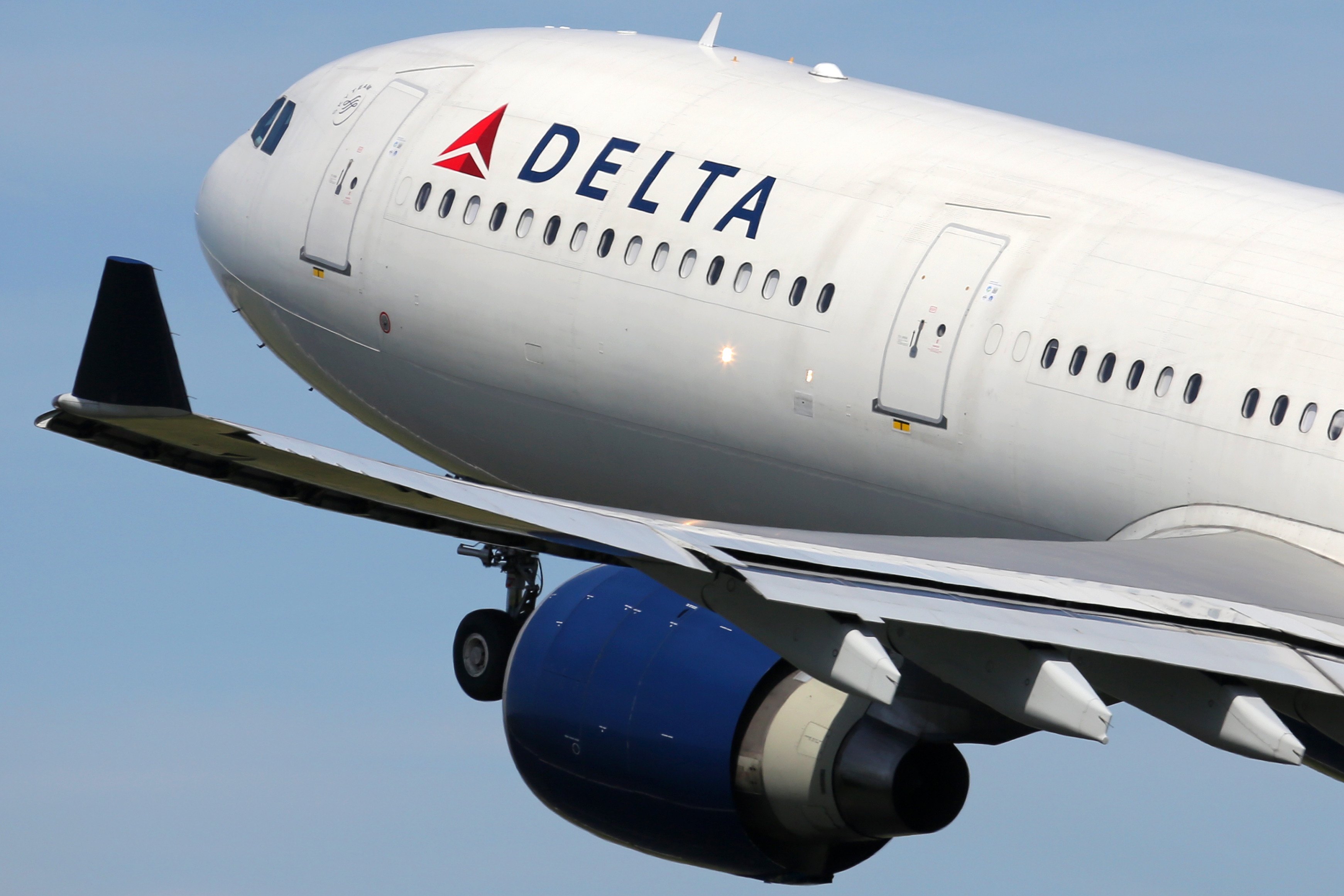
Delta Air Lines Raises Baggage Fees Amid Rising Fuel Costs
- Baggage Fee Increase: Delta Air Lines has raised the fees for the first and second checked bags on domestic and select short-haul international routes from $35 to $45, while the fee for the third checked bag has surged from $150 to $200, indicating the airline's strategic response to rising fuel costs.
- Industry Trend: This marks Delta's first baggage fee increase in two years, following similar moves by United Airlines and JetBlue, reflecting the broader pressure on the airline industry to manage soaring fuel expenses, which are typically easier to pass on to consumers than fare hikes.
- Competitor Response: JetBlue was the first to increase baggage fees, with United Airlines subsequently implementing a $10 increase for the first and second checked bags starting April 3, highlighting a growing trend of price adjustments across the industry.
- Market Impact: As airlines raise ancillary fees to offset fuel costs, consumers are likely to face higher travel expenses, which could impact demand for air travel and alter overall market dynamics.
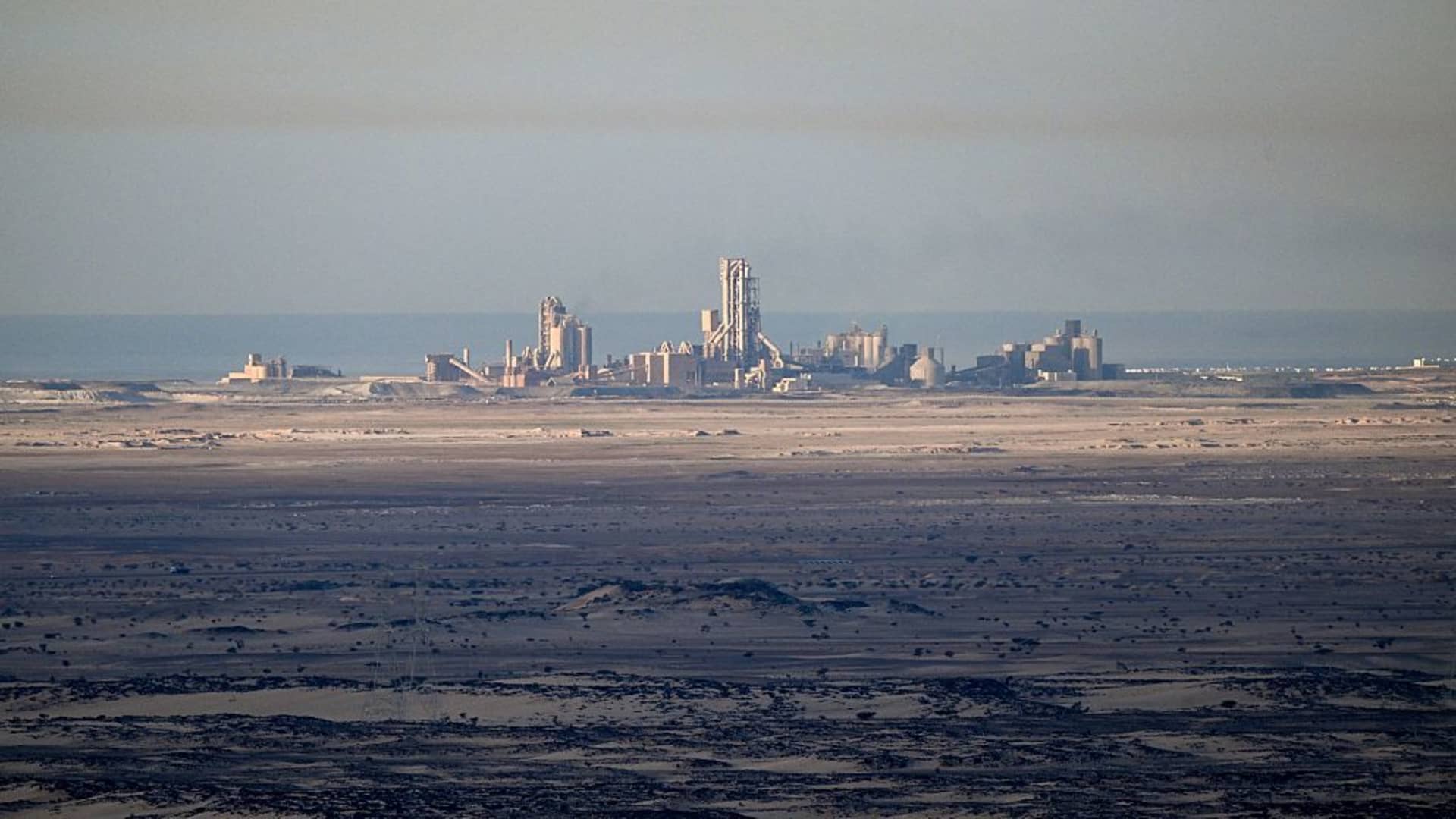
Fragile U.S.-Iran Ceasefire Tested Amid Oil Price Volatility


- Oil Price Fluctuations: Iran's attack on Saudi Arabia's Red Sea pipeline has cut throughput by 700,000 barrels per day, causing oil prices to hover below $100 per barrel, which exacerbates uncertainty in global markets.
- Ceasefire Negotiations Tension: U.S. and Iranian negotiators are set to meet in Pakistan, and despite heated rhetoric, there remains a willingness to maintain the ceasefire, which could impact future energy supply and price stability.
- Global Economic Impact: China's factory-gate prices have risen for the first time in over three years, indicating the war's disruption of global energy markets, potentially leading to increased inflationary pressures for the Federal Reserve.
- Political Landscape Attention: The British Prime Minister expressed frustration over energy price volatility, highlighting the influence of international politics on domestic economies, which underscores the far-reaching effects of global political dynamics on markets.

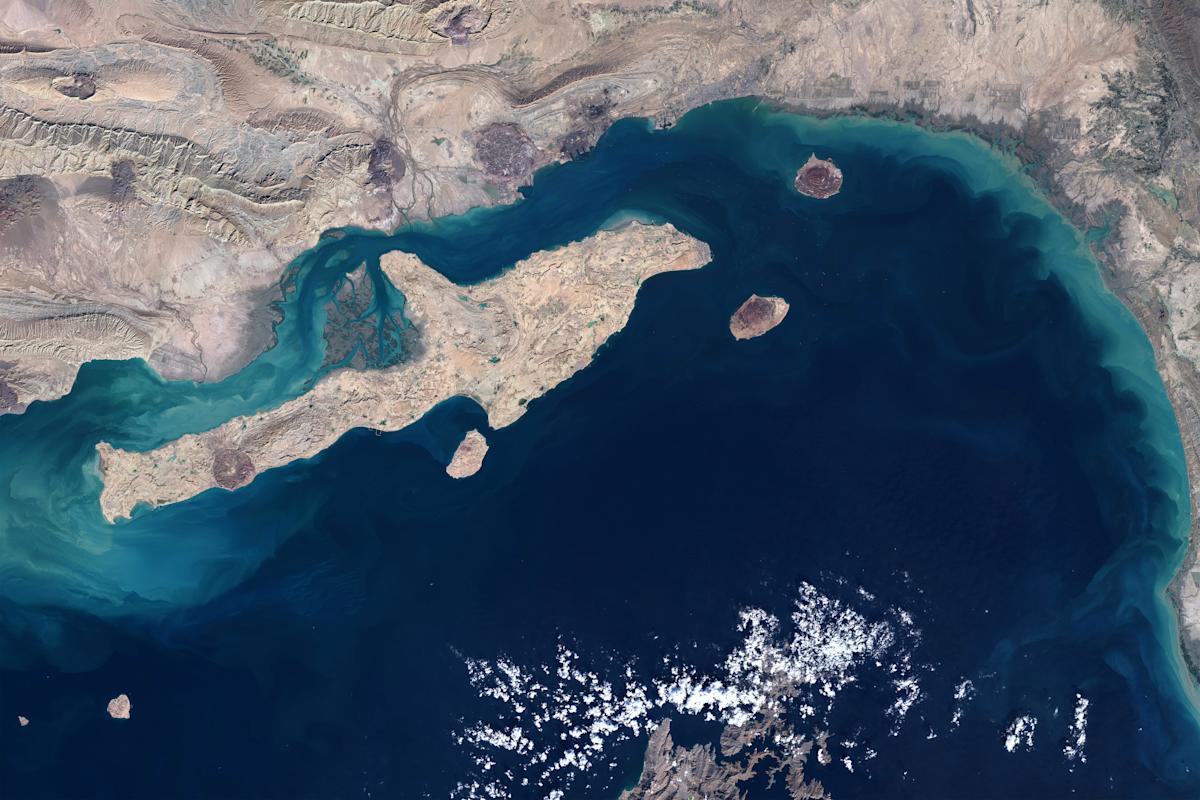
Closure of Strait of Hormuz Triggers Global Energy Crisis
- Market Reaction: Oil prices surged above $100 per barrel due to the closure of the Strait of Hormuz, reflecting market concerns over tight energy supplies that could lead to a global economic slowdown.
- Transport Restrictions: The CEO of Abu Dhabi National Oil Co. confirmed that the Strait of Hormuz is not open to shipping, with traffic being restricted, which will further exacerbate international oil price volatility and impact the global energy supply chain.
- Geopolitical Tensions: Iran's plan to charge shipping companies cryptocurrency tolls for passage through the Strait could provoke strong international backlash, increasing the risk of regional conflict.
- Emergency Measures Escalate: Japan is reportedly considering releasing about 20 days' worth of oil reserves as early as May to address the global supply crisis, demonstrating the urgency and strategic responses of governments facing energy shortages.
Delta Air Lines Soars: Anticipating New Heights Ahead
Stock Price Surge: Delta Airlines' stock prices surged on April 8 due to two main factors: the easing of tensions with Iran and better-than-expected Q1 2026 earnings results, which affirmed the company's leadership position and capital return ability.
Strong Financial Performance: Delta reported a record revenue of $15.85 billion, a 12.9% increase, driven by growth in passenger and cargo revenues, with domestic business improving by 6% and international by 5%.
Future Outlook: Analysts expect Delta to continue increasing its distribution and sustaining high double-digit compound annual growth rates over the next few years, despite challenges such as rising fuel costs.
Analyst Ratings: The majority of analysts maintain a bullish outlook on Delta, with a consensus rating of "Moderate Buy" and target prices suggesting potential for significant stock price increases in the near future.
U.S. Airline Stocks Rise as Crude Oil Prices Fall and Delta Exceeds Q1 Profit Projections
U.S. Airlines Performance: U.S. airlines are experiencing a positive trend as crude oil prices decline, which is expected to enhance their profitability.
Delta Airlines Profit Estimates: Delta Airlines has reported better-than-expected profit estimates for the first quarter, indicating strong financial performance amidst fluctuating oil prices.
Delta's Q1 Adjusted EPS Reaches $0.64, Exceeding IBES Estimate of $0.57
- Delta Q1 Adjusted EPS: Delta's adjusted earnings per share (EPS) for the first quarter is reported at USD 0.64.
- Ibes Estimate Comparison: This figure exceeds the Ibes estimate, which was USD 0.57.
Delta Air Lines Raises Baggage Fees Amid Rising Fuel Costs
- Baggage Fee Increase: Delta Air Lines has raised the fees for the first and second checked bags on domestic and select short-haul international routes from $35 to $45, while the fee for the third checked bag has surged from $150 to $200, indicating the airline's strategic response to rising fuel costs.
- Industry Trend: This marks Delta's first baggage fee increase in two years, following similar moves by United Airlines and JetBlue, reflecting the broader pressure on the airline industry to manage soaring fuel expenses, which are typically easier to pass on to consumers than fare hikes.
- Competitor Response: JetBlue was the first to increase baggage fees, with United Airlines subsequently implementing a $10 increase for the first and second checked bags starting April 3, highlighting a growing trend of price adjustments across the industry.
- Market Impact: As airlines raise ancillary fees to offset fuel costs, consumers are likely to face higher travel expenses, which could impact demand for air travel and alter overall market dynamics.
Fragile U.S.-Iran Ceasefire Tested Amid Oil Price Volatility
- Oil Price Fluctuations: Iran's attack on Saudi Arabia's Red Sea pipeline has cut throughput by 700,000 barrels per day, causing oil prices to hover below $100 per barrel, which exacerbates uncertainty in global markets.
- Ceasefire Negotiations Tension: U.S. and Iranian negotiators are set to meet in Pakistan, and despite heated rhetoric, there remains a willingness to maintain the ceasefire, which could impact future energy supply and price stability.
- Global Economic Impact: China's factory-gate prices have risen for the first time in over three years, indicating the war's disruption of global energy markets, potentially leading to increased inflationary pressures for the Federal Reserve.
- Political Landscape Attention: The British Prime Minister expressed frustration over energy price volatility, highlighting the influence of international politics on domestic economies, which underscores the far-reaching effects of global political dynamics on markets.
Closure of Strait of Hormuz Triggers Global Energy Crisis
- Market Reaction: Oil prices surged above $100 per barrel due to the closure of the Strait of Hormuz, reflecting market concerns over tight energy supplies that could lead to a global economic slowdown.
- Transport Restrictions: The CEO of Abu Dhabi National Oil Co. confirmed that the Strait of Hormuz is not open to shipping, with traffic being restricted, which will further exacerbate international oil price volatility and impact the global energy supply chain.
- Geopolitical Tensions: Iran's plan to charge shipping companies cryptocurrency tolls for passage through the Strait could provoke strong international backlash, increasing the risk of regional conflict.
- Emergency Measures Escalate: Japan is reportedly considering releasing about 20 days' worth of oil reserves as early as May to address the global supply crisis, demonstrating the urgency and strategic responses of governments facing energy shortages.