Delta Air Lines Declares Quarterly Dividend
Written by Emily J. Thompson, Senior Investment Analyst
Updated: Feb 04 2026
0mins
Should l Buy DAL?
Source: PRnewswire
- Quarterly Dividend Declaration: Delta Air Lines' Board of Directors has declared a quarterly dividend of $0.1875 per share, with a record date of February 26, 2026, and a payment date of March 19, 2026, reflecting the company's ongoing commitment to shareholder returns.
- Customer Service Innovation: In 2025, Delta served over 200 million customers and was recognized by J.D. Power for achieving the highest satisfaction in Premium Economy Passenger Satisfaction, further solidifying its market leadership.
- Operational Capacity: Delta operates up to 5,500 flights daily to over 300 destinations, showcasing its robust global network and operational capabilities, ensuring customers can conveniently connect worldwide.
- On-Time Performance Leadership: Recognized by Cirium as North America's most on-time airline in 2025, Delta's punctuality not only enhances its brand image but also strengthens customer trust and loyalty.
Trade with 70% Backtested Accuracy
Stop guessing "Should I Buy DAL?" and start using high-conviction signals backed by rigorous historical data.
Sign up today to access powerful investing tools and make smarter, data-driven decisions.
Analyst Views on DAL
Wall Street analysts forecast DAL stock price to rise
18 Analyst Rating
18 Buy
0 Hold
0 Sell
Strong Buy
Current: 68.200

Low
77.00
Averages
83.50
High
90.00
Current: 68.200
Low
77.00
Averages
83.50
High
90.00
About DAL
Delta Air Lines, Inc. provides scheduled air transportation for passengers and cargo throughout the United States and around the world. The Company has hubs and markets in Amsterdam, Atlanta, Bogota, Boston, Detroit, Lima, London-Heathrow, Los Angeles, Mexico City, Minneapolis-St. Paul, New York-JFK and LaGuardia, Paris-Charles de Gaulle, Salt Lake City, Santiago (Chile), Sao Paulo, Seattle, Seoul-Incheon, and Tokyo. Its segments include Airline and Refinery. Its airline segment is managed as a single business unit that provides scheduled air transportation for passengers and cargo throughout the United States and around the world and includes its loyalty program, as well as other ancillary businesses. Its refinery segment operates for the benefit of the airline segment by providing jet fuel to the airline segment from its own production and through jet fuel obtained through agreements with third parties. The refinery's production consists of jet fuel as well as non-jet fuel products.
About the author

Emily J. Thompson
Emily J. Thompson, a Chartered Financial Analyst (CFA) with 12 years in investment research, graduated with honors from the Wharton School. Specializing in industrial and technology stocks, she provides in-depth analysis for Intellectia’s earnings and market brief reports.

US Stocks Fluctuate Slightly, Tech Stocks Reach New All-Time Highs


- Tech Stock Surge: The S&P 500 and Nasdaq 100 indices rose by 0.12% and 0.01% respectively on Monday, reaching all-time highs, reflecting strong market optimism regarding AI infrastructure demand, which is expected to boost technology earnings.
- Oil Price Impact: WTI crude oil prices surged over 2%, exerting downward pressure on the market as President Trump canceled negotiations with Iran, raising inflation expectations that could affect the broader economic landscape.
- Rising Treasury Yields: The 10-year Treasury yield increased to 4.337% due to rising inflation expectations from higher oil prices, with markets anticipating the Fed will keep rates unchanged this week while awaiting further developments in oil prices and inflation.
- Health Insurance Stocks Rally: Health insurance stocks such as Centene, Elevance Health, and Humana all rose over 3% on Monday, providing support to the overall market and demonstrating resilience in the sector amid the current economic environment.
See More

US Stocks Dip as Rising Oil Prices Pressure Markets
- Oil Price Impact: WTI crude oil prices surged over 2%, contributing to a 0.12% drop in the S&P 500, a 0.14% decline in the Dow Jones, and a 0.30% fall in the Nasdaq 100, indicating the direct influence of oil price fluctuations on the stock market.
- US-Iran Tensions: President Trump canceled negotiations with Iran, escalating market concerns over Middle Eastern tensions, as Iranian President stated they would not negotiate under threats, potentially exacerbating the global energy crisis.
- Tech Stock Divergence: Despite the overall market decline, news of Qualcomm collaborating with OpenAI and MediaTek to develop smartphone processors buoyed chip and AI infrastructure stocks, with Micron and SanDisk receiving buy ratings, showcasing resilience in the tech sector.
- Economic Data Influence: The German consumer confidence index fell to a 3.25-year low, indicating signs of economic weakness, while markets expect the Fed to keep rates unchanged this week, reflecting a cautious outlook on future economic developments.
See More

Amazon Acquires Globalstar to Advance Space Ambitions


- Massive Acquisition: Amazon plans to acquire satellite operator Globalstar for $90 per share, totaling approximately $11.6 billion, which will enhance its satellite internet service, Amazon Leo, expected to launch commercial service in mid-2026.
- Increased Market Competition: This acquisition will bolster Amazon Leo's competitive stance against SpaceX's Starlink, which operates over 10,000 satellites and serves over 10 million users, potentially increasing Amazon's market share in the satellite internet sector.
- Strategic Implications: Analysts at Morgan Stanley noted that Globalstar's spectrum licenses will enable Amazon to provide direct-to-device services, filling gaps in areas lacking traditional cellular coverage, which is expected to drive future revenue growth.
- Enterprise Customer Potential: Amazon Leo has secured revenue commitments from several enterprises and government entities, including Delta Airlines and NASA, and is expected to leverage its integration with AWS to further penetrate the enterprise market, with a potential market size of $100 billion.
See More
Airlines' Vulnerability to Jet Fuel Price Shocks Amid Geopolitical Risks


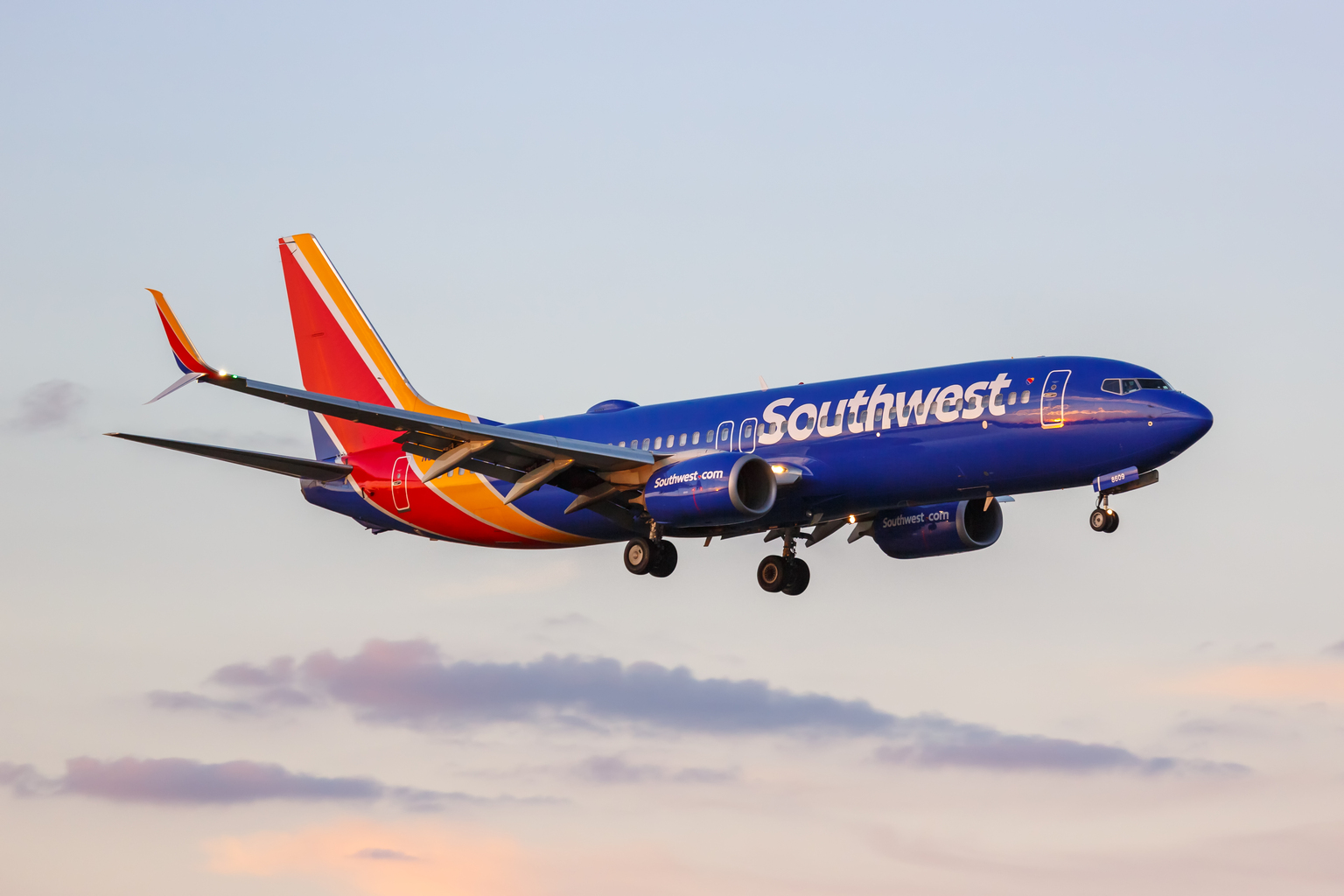
- Hedging Strategy Disparities: Data from Société Générale reveals that European airlines like Ryanair and easyJet hedge over 80% of their fuel needs, while U.S. carriers such as American Airlines and Delta Airlines report minimal hedging, significantly increasing their sensitivity to spot fuel prices.
- Industry Exposure Risks: Rising tensions between Washington and Tehran are exacerbating fuel cost risks for airlines, particularly those lacking systematic hedging, which could lead to severe impacts from sudden price spikes in the market.
- Asia-Pacific Hedging Landscape: In the Asia-Pacific region, Qantas and Virgin Australia exhibit high hedge ratios; however, their reliance on crude-linked instruments exposes them to refining margin fluctuations, particularly during market instability.
- Future Outlook: As airlines become increasingly sensitive to fuel price volatility, the industry may need to reassess its hedging strategies to navigate the evolving geopolitical landscape and market conditions.
See More

Joby Aviation Stock Plummets Amid Regulatory Hurdles


- Stock Decline: Joby Aviation's stock has plummeted from a record high of $20.39 on August 4, 2025, to under $9 currently, representing a nearly 60% loss, which reflects market concerns over its future profitability.
- Regulatory Challenges: Joby has yet to secure FAA Type Certification for its first commercial flights, with analysts speculating approval could come by early 2027; however, any delays may force downward revisions of its near-term revenue estimates.
- Market Outlook: The global eVTOL market is projected to grow at a CAGR of 36.8% from 2026 to 2034, with Joby's revenue expected to rise from $53 million in 2025 to $459 million by 2028, indicating significant market potential.
- Investor Confidence Wanes: Despite being viewed as the
See More

Analysis of Joby Aviation's Significant Stock Decline
- Technological Edge and Market Potential: Joby's S4 eVTOL aircraft, capable of carrying one pilot and four passengers with a range of 150 miles and a top speed of 200 mph, showcases its technological advantages in the electric aviation market, even as its stock has plummeted to below $9 per share, nearly 60% down from $20.39 in August 2025.
- Investor Support and Commercialization Plans: Joby has garnered attention from prominent investors like Toyota, Delta Air Lines, and Uber, with Uber planning to integrate Joby's eVTOL services into its ride-hailing app pending regulatory approval, highlighting its potential in the future urban air mobility market despite facing regulatory hurdles and market uncertainties.
- Market Growth Expectations and Financial Challenges: The global eVTOL market is projected to grow at a CAGR of 36.8% from 2026 to 2034 according to Fortune Business Insights, with analysts forecasting Joby's revenue to rise from $53 million in 2025 to $459 million in 2028; however, the lack of FAA type certification could impact short-term revenue forecasts.
- Stock Volatility and Investment Risks: With a market cap of $8.3 billion, Joby's stock is currently valued at 18 times its projected 2028 sales, which is not cheap compared to competitor Archer's 8 times, indicating that any negative news could lead to significant stock declines, necessitating careful evaluation of its future growth potential by investors.
See More
US Stocks Fluctuate Slightly, Tech Stocks Reach New All-Time Highs
- Tech Stock Surge: The S&P 500 and Nasdaq 100 indices rose by 0.12% and 0.01% respectively on Monday, reaching all-time highs, reflecting strong market optimism regarding AI infrastructure demand, which is expected to boost technology earnings.
- Oil Price Impact: WTI crude oil prices surged over 2%, exerting downward pressure on the market as President Trump canceled negotiations with Iran, raising inflation expectations that could affect the broader economic landscape.
- Rising Treasury Yields: The 10-year Treasury yield increased to 4.337% due to rising inflation expectations from higher oil prices, with markets anticipating the Fed will keep rates unchanged this week while awaiting further developments in oil prices and inflation.
- Health Insurance Stocks Rally: Health insurance stocks such as Centene, Elevance Health, and Humana all rose over 3% on Monday, providing support to the overall market and demonstrating resilience in the sector amid the current economic environment.
See More
US Stocks Dip as Rising Oil Prices Pressure Markets
- Oil Price Impact: WTI crude oil prices surged over 2%, contributing to a 0.12% drop in the S&P 500, a 0.14% decline in the Dow Jones, and a 0.30% fall in the Nasdaq 100, indicating the direct influence of oil price fluctuations on the stock market.
- US-Iran Tensions: President Trump canceled negotiations with Iran, escalating market concerns over Middle Eastern tensions, as Iranian President stated they would not negotiate under threats, potentially exacerbating the global energy crisis.
- Tech Stock Divergence: Despite the overall market decline, news of Qualcomm collaborating with OpenAI and MediaTek to develop smartphone processors buoyed chip and AI infrastructure stocks, with Micron and SanDisk receiving buy ratings, showcasing resilience in the tech sector.
- Economic Data Influence: The German consumer confidence index fell to a 3.25-year low, indicating signs of economic weakness, while markets expect the Fed to keep rates unchanged this week, reflecting a cautious outlook on future economic developments.
See More
Amazon Acquires Globalstar to Advance Space Ambitions
- Massive Acquisition: Amazon plans to acquire satellite operator Globalstar for $90 per share, totaling approximately $11.6 billion, which will enhance its satellite internet service, Amazon Leo, expected to launch commercial service in mid-2026.
- Increased Market Competition: This acquisition will bolster Amazon Leo's competitive stance against SpaceX's Starlink, which operates over 10,000 satellites and serves over 10 million users, potentially increasing Amazon's market share in the satellite internet sector.
- Strategic Implications: Analysts at Morgan Stanley noted that Globalstar's spectrum licenses will enable Amazon to provide direct-to-device services, filling gaps in areas lacking traditional cellular coverage, which is expected to drive future revenue growth.
- Enterprise Customer Potential: Amazon Leo has secured revenue commitments from several enterprises and government entities, including Delta Airlines and NASA, and is expected to leverage its integration with AWS to further penetrate the enterprise market, with a potential market size of $100 billion.
See More
Airlines' Vulnerability to Jet Fuel Price Shocks Amid Geopolitical Risks
- Hedging Strategy Disparities: Data from Société Générale reveals that European airlines like Ryanair and easyJet hedge over 80% of their fuel needs, while U.S. carriers such as American Airlines and Delta Airlines report minimal hedging, significantly increasing their sensitivity to spot fuel prices.
- Industry Exposure Risks: Rising tensions between Washington and Tehran are exacerbating fuel cost risks for airlines, particularly those lacking systematic hedging, which could lead to severe impacts from sudden price spikes in the market.
- Asia-Pacific Hedging Landscape: In the Asia-Pacific region, Qantas and Virgin Australia exhibit high hedge ratios; however, their reliance on crude-linked instruments exposes them to refining margin fluctuations, particularly during market instability.
- Future Outlook: As airlines become increasingly sensitive to fuel price volatility, the industry may need to reassess its hedging strategies to navigate the evolving geopolitical landscape and market conditions.
See More
Joby Aviation Stock Plummets Amid Regulatory Hurdles
- Stock Decline: Joby Aviation's stock has plummeted from a record high of $20.39 on August 4, 2025, to under $9 currently, representing a nearly 60% loss, which reflects market concerns over its future profitability.
- Regulatory Challenges: Joby has yet to secure FAA Type Certification for its first commercial flights, with analysts speculating approval could come by early 2027; however, any delays may force downward revisions of its near-term revenue estimates.
- Market Outlook: The global eVTOL market is projected to grow at a CAGR of 36.8% from 2026 to 2034, with Joby's revenue expected to rise from $53 million in 2025 to $459 million by 2028, indicating significant market potential.
- Investor Confidence Wanes: Despite being viewed as the
See More
Analysis of Joby Aviation's Significant Stock Decline
- Technological Edge and Market Potential: Joby's S4 eVTOL aircraft, capable of carrying one pilot and four passengers with a range of 150 miles and a top speed of 200 mph, showcases its technological advantages in the electric aviation market, even as its stock has plummeted to below $9 per share, nearly 60% down from $20.39 in August 2025.
- Investor Support and Commercialization Plans: Joby has garnered attention from prominent investors like Toyota, Delta Air Lines, and Uber, with Uber planning to integrate Joby's eVTOL services into its ride-hailing app pending regulatory approval, highlighting its potential in the future urban air mobility market despite facing regulatory hurdles and market uncertainties.
- Market Growth Expectations and Financial Challenges: The global eVTOL market is projected to grow at a CAGR of 36.8% from 2026 to 2034 according to Fortune Business Insights, with analysts forecasting Joby's revenue to rise from $53 million in 2025 to $459 million in 2028; however, the lack of FAA type certification could impact short-term revenue forecasts.
- Stock Volatility and Investment Risks: With a market cap of $8.3 billion, Joby's stock is currently valued at 18 times its projected 2028 sales, which is not cheap compared to competitor Archer's 8 times, indicating that any negative news could lead to significant stock declines, necessitating careful evaluation of its future growth potential by investors.
See More