DA Davidson Analyst Conducts Conference Call on Industry Insights
Written by Emily J. Thompson, Senior Investment Analyst
Updated: Aug 19 2025
0mins


Analyst Insights: Analyst Diffely shares top ideas and insights from various sectors including financials, technology, consumer, and industrials.
Companies Discussed: Key companies mentioned include NDIS, CRWV, CFLT, CVLT, ZG, CWAN, FOUR, IIIV, ULTA, and GPTS.
Conference Call Details: An Analyst/Industry conference call is scheduled for August 19 at 11 am.
Webcast Availability: A link to the webcast will be provided for those interested in joining the discussion.
Trade with 70% Backtested Accuracy
Stop guessing "Should I Buy ULTA?" and start using high-conviction signals backed by rigorous historical data.
Sign up today to access powerful investing tools and make smarter, data-driven decisions.
Analyst Views on ULTA
Wall Street analysts forecast ULTA stock price to rise
22 Analyst Rating
15 Buy
6 Hold
1 Sell
Moderate Buy
Current: 452.490

Low
450.00
Averages
647.83
High
780.00
Current: 452.490
Low
450.00
Averages
647.83
High
780.00
About ULTA
Ulta Beauty, Inc. is a specialty United States beauty retailer and a premier beauty destination for cosmetics, fragrance, skin care products, wellness products, hair care products, and salon services. The Company's business includes a differentiated assortment of approximately 30,000 beauty products across a variety of categories and price points, as well as a variety of beauty services, including salon services, in more than 1,500 stores predominantly located in convenient, high-traffic locations. It also offers digital experience delivered through its Website, Ulta.com, and its mobile applications. The Company's brands include Ulta Beauty Collection, Morphe, Bio Ionic, Rare Beauty, Ouidad, DIBS Beauty, Medicube, Clinique, The Ordinary, about-face, Anastasia Beverly Hills, Ariana Grande, CHANEL, FENTY BEAUTY by Rihanna, It Cosmetics, LolaVie, OUAI, PAT McGRATH LABS, Tula, NYX Professional Makeup and others.
About the author

Emily J. Thompson
Emily J. Thompson, a Chartered Financial Analyst (CFA) with 12 years in investment research, graduated with honors from the Wharton School. Specializing in industrial and technology stocks, she provides in-depth analysis for Intellectia’s earnings and market brief reports.

Ulta Beauty Earnings Outlook and Stock Performance Analysis
- Stock Movement: Ulta Beauty (ULTA) closed at $452.49, down 1.92%, underperforming the S&P 500's 0.72% gain, indicating market caution regarding its short-term performance.
- Earnings Expectations: The company is expected to report an EPS of $6.16, a 6.57% increase year-over-year, with revenue anticipated at $2.97 billion, reflecting a 6.4% growth from the same quarter last year, showcasing its stable growth potential in a competitive beauty market.
- Analyst Rating Changes: Currently holding a Zacks Rank of 3 (Hold), Ulta Beauty has seen a 0.19% upward revision in EPS estimates over the past month, reflecting analyst optimism about its profitability and short-term business trends.
- Valuation Metrics: With a forward P/E ratio of 16.09, slightly above the industry average of 15.56, and a PEG ratio of 1.44, Ulta demonstrates relative valuation strength, potentially attracting growth-focused investors.
See More
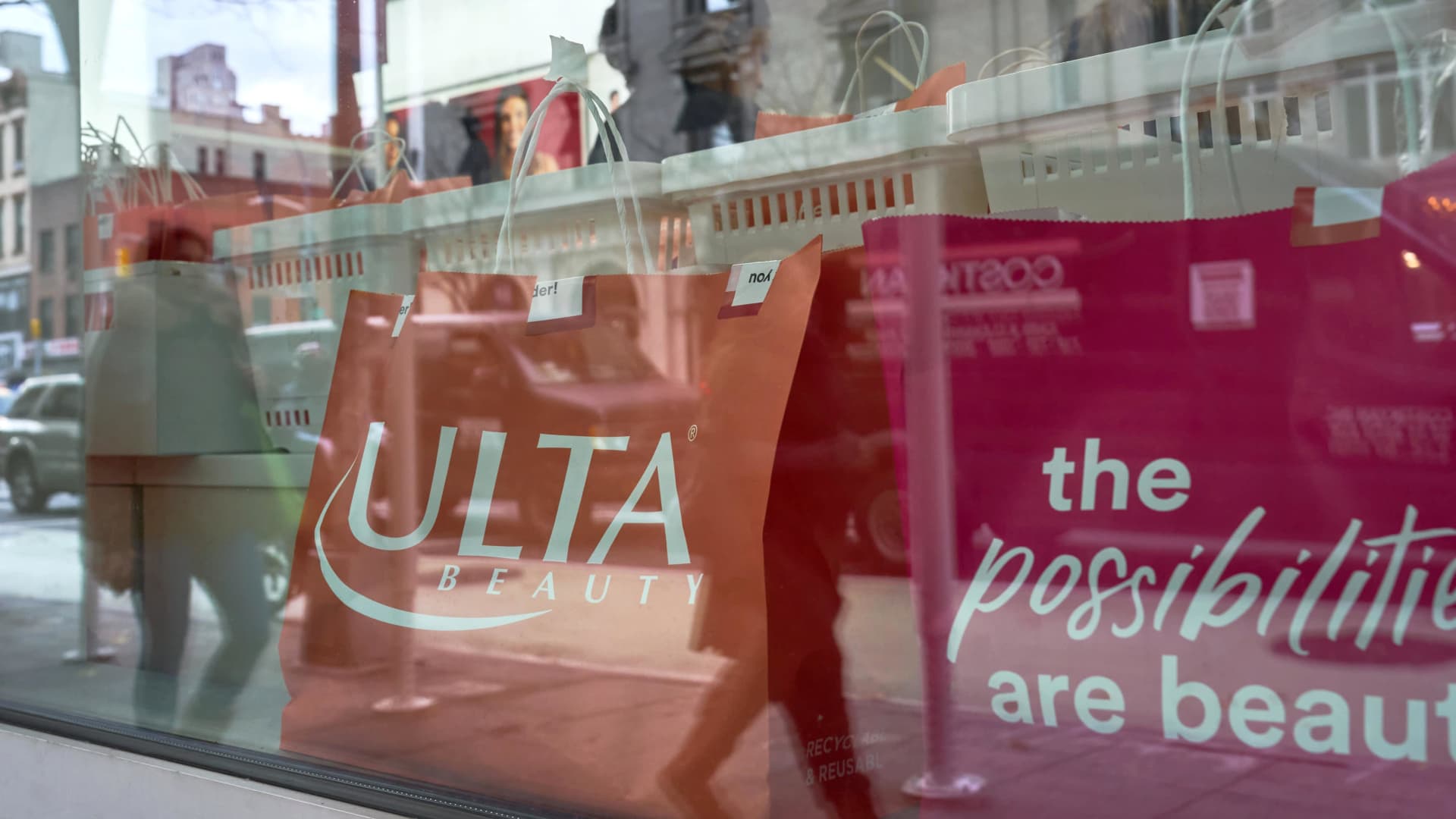
Ulta Beauty Partners with Bath & Body Works for New Wholesale Deal

- Partnership Announcement: Ulta Beauty has formed a new wholesale partnership with Bath & Body Works, set to launch on July 12 in over 600 stores, aimed at boosting Bath & Body Works' sales while enhancing Ulta's market presence in home and body fragrances.
- Diverse Product Offering: Ulta shoppers will gain access to Bath & Body Works' core assortment, including fine fragrance mists, body creams, hand soaps, three-wick candles, and plug-in home fragrance products, enriching Ulta's existing beauty and wellness ecosystem.
- Market Expansion Strategy: This partnership supports Bath & Body Works' sales expansion on Amazon and aligns with its multi-year sales growth objectives, particularly targeting younger audiences through expanded distribution and influencer engagement.
- Brand Integration Benefits: By introducing this well-known brand, Ulta fills a gap in the home fragrance and adjacent body categories, aligning with its broader strategy to attract younger consumers and enhance brand engagement.
See More

Ulta Beauty Partners with Bath & Body Works for In-Store Sales
- Partnership Expansion: Starting July 12, Ulta Beauty will offer Bath & Body Works' signature fragrances, hand soaps, and candles in over 600 stores, aiming to attract more consumers and boost sales through increased product variety.
- Consumer-First Strategy: Bath & Body Works' 'Consumer First Formula' seeks to provide shoppers with more purchasing options, enhancing brand loyalty and driving product sales growth in line with current market trends.
- Sales Growth Initiatives: Ulta Beauty's 'Unleashed' strategy focuses not only on brand partnerships but also on diversifying product offerings to stimulate sales, further solidifying its position in the beauty retail market.
- Market Response Expectations: This collaboration is expected to draw more consumers to Ulta stores, increasing Bath & Body Works' market visibility while creating potential sales growth opportunities for both companies.
See More
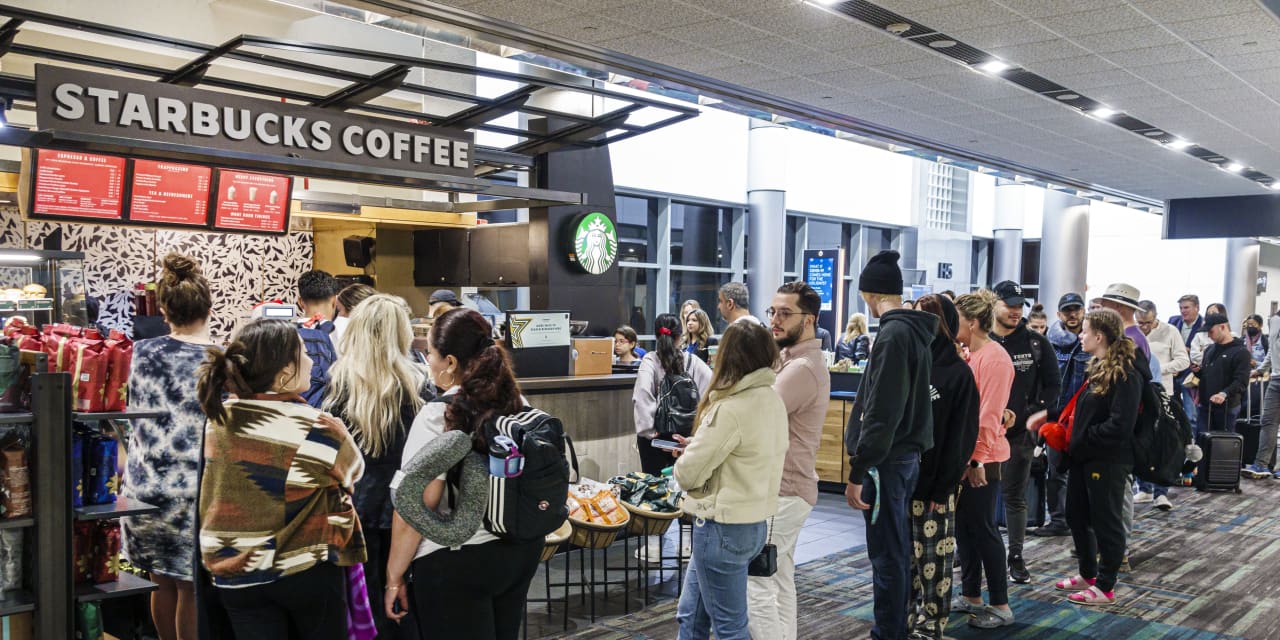
Investment Opportunities Amidst Volatility in Consumer Stocks


- Chipotle Growth Potential: Chipotle Mexican Grill plans to open 350 to 370 new restaurants in 2026, and despite facing sales forecast downgrades and stock price declines, it expects revenue to reach $16.1 billion by 2029, nearly double current levels, demonstrating resilience in its long-term growth trajectory.
- Ulta Sales Growth: Ulta Beauty reported a net sales increase of 11.1% to $3.16 billion in Q1 2026, exceeding analyst expectations, and subsequently raised its annual profit forecast, indicating strong execution capabilities in a competitive beauty market.
- Dutch Bros Market Advantage: Dutch Bros plans to open at least 181 new shops in 2026, and while the market remains cautious about its valuation, its 30% price increase since 2019 compared to Starbucks' 50% shows a genuine competitive edge in a price-sensitive market.
- Consumer Brand Expansion: Dutch Bros launched at-home coffee products in 2026, marking its transition from a regional drive-thru experience to a national consumer brand, further enhancing its market share and brand recognition.
See More

Restaurant Giants Expand Amid Market Noise
- Chipotle Expansion Plans: Chipotle aims to open 350 to 370 new restaurants in 2026, with international expansion into South Korea, Singapore, and Mexico, projecting revenue of $16.1 billion by 2029, nearly double current levels, indicating strong long-term growth potential.
- Ulta Sales Growth: In Q1 2026, Ulta's net sales rose 11.1% to $3.16 billion, exceeding analyst expectations, driven by the launch of prestige beauty brands, with a forecast of 6% to 7% net sales growth in 2026, showcasing its competitive market position.
- Dutch Bros Market Positioning: Dutch Bros plans to open at least 181 new shops in 2026, with a long-term target of over 7,000 locations, leveraging a 30% price increase compared to Starbucks' 50%, gradually enhancing its market share.
- Consumer Product Expansion: In 2026, Dutch Bros launched at-home coffee products available through Amazon and Walmart, marking its transition from a regional drive-thru experience to a national consumer brand, thereby strengthening its market presence.
See More

Ulta Beauty Accelerates Fragrance Business Growth

- Fragrance Category Growth: In Q1 of fiscal 2026, Ulta Beauty achieved high-teen comp growth in its fragrance category, increasing its revenue share from 11% to 12%, indicating robust performance and sustained growth potential in the fragrance market.
- New Product Sales Boost: The introduction of new products from core luxury brands like YSL, Carolina Herrera, and Valentino, along with NOYZ's innovative milk scent format, significantly enhanced customer interest and drove sales growth, showcasing the company's success in product innovation.
- Marketing Strategy: NOYZ's 360-degree go-to-market activation strategy propelled it into Ulta's top 20 fragrance brands, while the collaboration fragrance “Be Her” with Ella Langley increased brand social engagement, further enhancing consumer awareness and interest.
- Financial Performance Analysis: Despite a 3.8% decline in Ulta's stock price over the past year, its forward P/E ratio of 15.23 is slightly above the industry average of 14.39, reflecting market confidence in its future growth, with earnings expected to rise by 11.8% and 11.3% over the next two fiscal years.
See More
Ulta Beauty Earnings Outlook and Stock Performance Analysis
- Stock Movement: Ulta Beauty (ULTA) closed at $452.49, down 1.92%, underperforming the S&P 500's 0.72% gain, indicating market caution regarding its short-term performance.
- Earnings Expectations: The company is expected to report an EPS of $6.16, a 6.57% increase year-over-year, with revenue anticipated at $2.97 billion, reflecting a 6.4% growth from the same quarter last year, showcasing its stable growth potential in a competitive beauty market.
- Analyst Rating Changes: Currently holding a Zacks Rank of 3 (Hold), Ulta Beauty has seen a 0.19% upward revision in EPS estimates over the past month, reflecting analyst optimism about its profitability and short-term business trends.
- Valuation Metrics: With a forward P/E ratio of 16.09, slightly above the industry average of 15.56, and a PEG ratio of 1.44, Ulta demonstrates relative valuation strength, potentially attracting growth-focused investors.
See More
Ulta Beauty Partners with Bath & Body Works for New Wholesale Deal
- Partnership Announcement: Ulta Beauty has formed a new wholesale partnership with Bath & Body Works, set to launch on July 12 in over 600 stores, aimed at boosting Bath & Body Works' sales while enhancing Ulta's market presence in home and body fragrances.
- Diverse Product Offering: Ulta shoppers will gain access to Bath & Body Works' core assortment, including fine fragrance mists, body creams, hand soaps, three-wick candles, and plug-in home fragrance products, enriching Ulta's existing beauty and wellness ecosystem.
- Market Expansion Strategy: This partnership supports Bath & Body Works' sales expansion on Amazon and aligns with its multi-year sales growth objectives, particularly targeting younger audiences through expanded distribution and influencer engagement.
- Brand Integration Benefits: By introducing this well-known brand, Ulta fills a gap in the home fragrance and adjacent body categories, aligning with its broader strategy to attract younger consumers and enhance brand engagement.
See More
Ulta Beauty Partners with Bath & Body Works for In-Store Sales
- Partnership Expansion: Starting July 12, Ulta Beauty will offer Bath & Body Works' signature fragrances, hand soaps, and candles in over 600 stores, aiming to attract more consumers and boost sales through increased product variety.
- Consumer-First Strategy: Bath & Body Works' 'Consumer First Formula' seeks to provide shoppers with more purchasing options, enhancing brand loyalty and driving product sales growth in line with current market trends.
- Sales Growth Initiatives: Ulta Beauty's 'Unleashed' strategy focuses not only on brand partnerships but also on diversifying product offerings to stimulate sales, further solidifying its position in the beauty retail market.
- Market Response Expectations: This collaboration is expected to draw more consumers to Ulta stores, increasing Bath & Body Works' market visibility while creating potential sales growth opportunities for both companies.
See More
Investment Opportunities Amidst Volatility in Consumer Stocks
- Chipotle Growth Potential: Chipotle Mexican Grill plans to open 350 to 370 new restaurants in 2026, and despite facing sales forecast downgrades and stock price declines, it expects revenue to reach $16.1 billion by 2029, nearly double current levels, demonstrating resilience in its long-term growth trajectory.
- Ulta Sales Growth: Ulta Beauty reported a net sales increase of 11.1% to $3.16 billion in Q1 2026, exceeding analyst expectations, and subsequently raised its annual profit forecast, indicating strong execution capabilities in a competitive beauty market.
- Dutch Bros Market Advantage: Dutch Bros plans to open at least 181 new shops in 2026, and while the market remains cautious about its valuation, its 30% price increase since 2019 compared to Starbucks' 50% shows a genuine competitive edge in a price-sensitive market.
- Consumer Brand Expansion: Dutch Bros launched at-home coffee products in 2026, marking its transition from a regional drive-thru experience to a national consumer brand, further enhancing its market share and brand recognition.
See More
Restaurant Giants Expand Amid Market Noise
- Chipotle Expansion Plans: Chipotle aims to open 350 to 370 new restaurants in 2026, with international expansion into South Korea, Singapore, and Mexico, projecting revenue of $16.1 billion by 2029, nearly double current levels, indicating strong long-term growth potential.
- Ulta Sales Growth: In Q1 2026, Ulta's net sales rose 11.1% to $3.16 billion, exceeding analyst expectations, driven by the launch of prestige beauty brands, with a forecast of 6% to 7% net sales growth in 2026, showcasing its competitive market position.
- Dutch Bros Market Positioning: Dutch Bros plans to open at least 181 new shops in 2026, with a long-term target of over 7,000 locations, leveraging a 30% price increase compared to Starbucks' 50%, gradually enhancing its market share.
- Consumer Product Expansion: In 2026, Dutch Bros launched at-home coffee products available through Amazon and Walmart, marking its transition from a regional drive-thru experience to a national consumer brand, thereby strengthening its market presence.
See More
Ulta Beauty Accelerates Fragrance Business Growth
- Fragrance Category Growth: In Q1 of fiscal 2026, Ulta Beauty achieved high-teen comp growth in its fragrance category, increasing its revenue share from 11% to 12%, indicating robust performance and sustained growth potential in the fragrance market.
- New Product Sales Boost: The introduction of new products from core luxury brands like YSL, Carolina Herrera, and Valentino, along with NOYZ's innovative milk scent format, significantly enhanced customer interest and drove sales growth, showcasing the company's success in product innovation.
- Marketing Strategy: NOYZ's 360-degree go-to-market activation strategy propelled it into Ulta's top 20 fragrance brands, while the collaboration fragrance “Be Her” with Ella Langley increased brand social engagement, further enhancing consumer awareness and interest.
- Financial Performance Analysis: Despite a 3.8% decline in Ulta's stock price over the past year, its forward P/E ratio of 15.23 is slightly above the industry average of 14.39, reflecting market confidence in its future growth, with earnings expected to rise by 11.8% and 11.3% over the next two fiscal years.
See More