Cybersecurity Giant Palo Alto Networks Lowers Full-Year Outlook
Written by Emily J. Thompson, Senior Investment Analyst
Updated: Feb 18 2026
0mins


Should l Buy PANW?
Source: Yahoo Finance
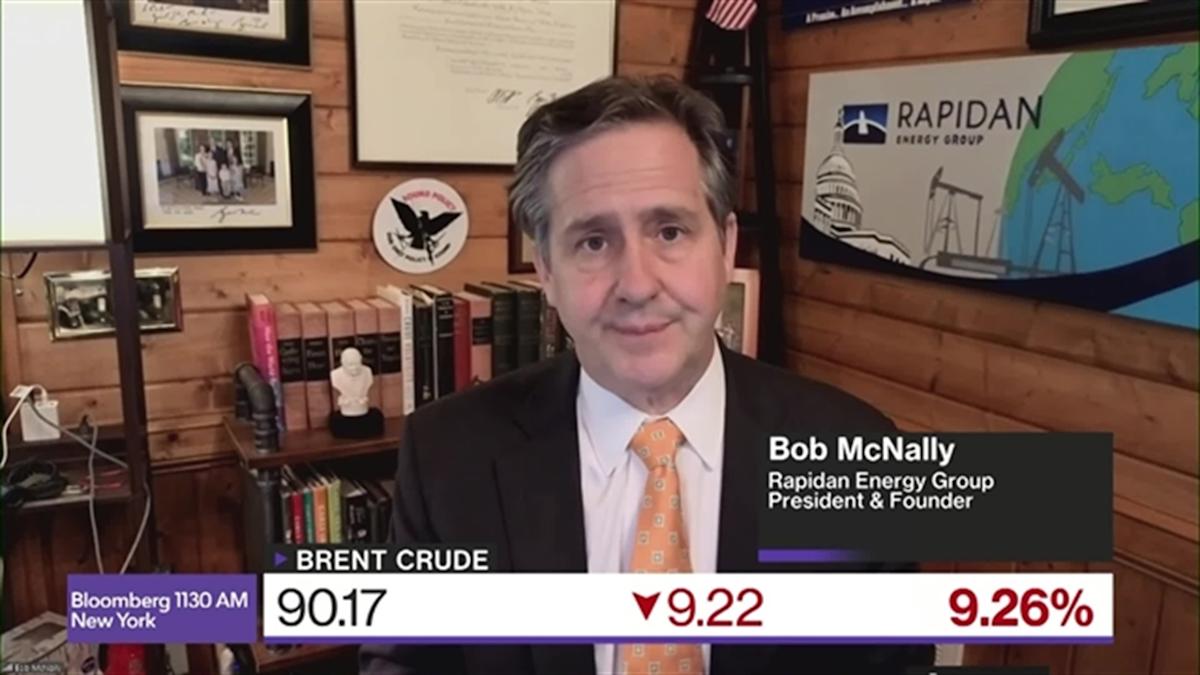
- Outlook Cut Affects Stock: Cybersecurity firm Palo Alto Networks (PANW) saw its shares drop by 6% after lowering its full-year earnings outlook, indicating market concerns over its future profitability and potentially diminishing investor confidence.
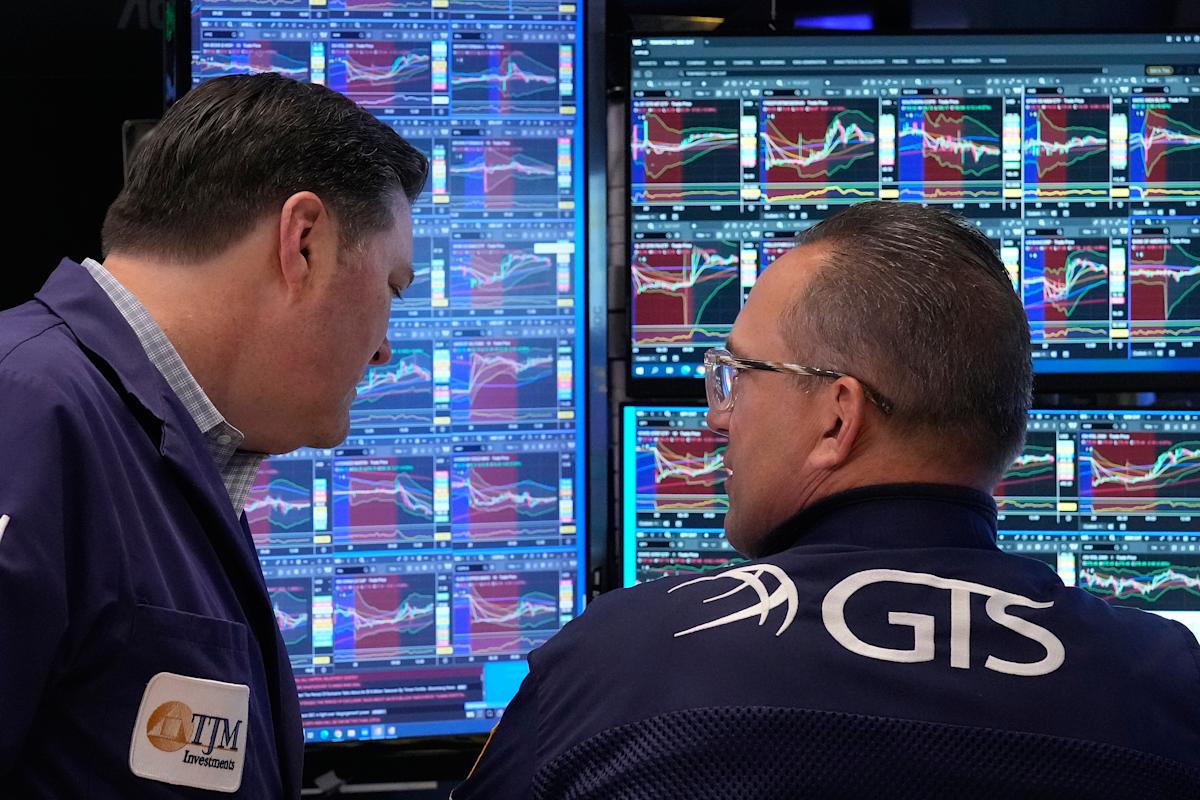
- Earnings Season Pressure: As of February 13, 74% of S&P 500 companies have reported earnings, with a blended growth rate of 13.2%, which, if sustained, would mark the index's tenth consecutive quarter of annual earnings growth, showcasing resilience in overall market performance.
- Mixed Competitor Performance: General Mills (GIS) experienced a 6% drop in stock price due to disappointing earnings, while online trading platform eToro (ETOR) surged over 20% following a strong quarterly performance, highlighting varied market reactions to different companies.
- Upcoming Earnings Focus: Investors will closely monitor upcoming earnings reports from Walmart (WMT) and Deere & Co. (DE), among others, as these results could significantly influence market sentiment and investment decisions.
Trade with 70% Backtested Accuracy
Stop guessing "Should I Buy PANW?" and start using high-conviction signals backed by rigorous historical data.
Sign up today to access powerful investing tools and make smarter, data-driven decisions.
Analyst Views on PANW
Wall Street analysts forecast PANW stock price to rise
34 Analyst Rating
28 Buy
5 Hold
1 Sell
Strong Buy
Current: 169.560

Low
157.00
Averages
232.49
High
265.00
Current: 169.560
Low
157.00
Averages
232.49
High
265.00
About PANW
Palo Alto Networks, Inc. is a global artificial intelligence (AI) cybersecurity company, with a comprehensive portfolio of cybersecurity solutions and platforms across network, cloud, security operations, AI and Identity. Its network security platform includes Secure Access Service Edge (SASE), Next-Generation Firewalls, Cloud Delivered Security Services (CDSS), Prisma AIRS, and Strata Cloud Manager (SCM). It delivers security operations capabilities that unifies standalone Security Information and Event Management (SIEM) tools, endpoint security, security automation, cloud detection and response (CDR), as well as attack surface management (ASM) capabilities on its Cortex platform. It delivers comprehensive security across the cloud application development lifecycle through Cortex Cloud. Its Unit 42 brings together expertise across threat research, incident response, and security consulting to deliver intelligence-driven, response-ready outcomes that help customers reduce cyber risk.
About the author

Emily J. Thompson
Emily J. Thompson, a Chartered Financial Analyst (CFA) with 12 years in investment research, graduated with honors from the Wharton School. Specializing in industrial and technology stocks, she provides in-depth analysis for Intellectia’s earnings and market brief reports.

US Stocks Rise on Strong Retail Sales and Earnings Reports


- Strong Retail Sales: US March retail sales rose 1.7% month-over-month, exceeding expectations of 1.4% and marking the largest increase in a year, indicating robust consumer spending that could bolster economic recovery and market confidence.
- Earnings Support: UnitedHealth Group (UNH) reported Q1 adjusted EPS of $9.23, significantly above the consensus of $6.57, raising its full-year forecast to above $18.25, which has driven health insurance stocks higher and reflects industry resilience.
- Fed Nomination in Focus: Kevin Warsh's confirmation hearing before the Senate Banking Committee is drawing attention; despite facing an investigation hurdle, Warsh's commitment to an independent Fed and prioritizing inflation control could influence future monetary policy directions.
- International Tensions Impact Oil Prices: WTI crude oil prices fell over 1% as Iran is set to attend peace talks with the US, while the closure of the Strait of Hormuz threatens to exacerbate the global energy crisis, affecting market sentiment.
See More

U.S. Stocks Mixed as Oil Prices Rebound
- Market Performance: The S&P 500 Index fell by 0.13%, and the Dow Jones Industrial Average also declined by 0.13%, while the Nasdaq 100 saw a slight increase of 0.02%, reflecting market volatility influenced by oil price rebounds and economic data.
- Strong Economic Data: March retail sales rose by 1.7% month-over-month, exceeding expectations of 1.4%, marking the largest increase in a year, indicating robust consumer spending that may support stock prices.
- Oil Price Recovery: WTI crude oil prices rebounded by over 2% as market speculation intensified regarding Iran's participation in upcoming peace talks, potentially exacerbating the global energy crisis.
- Impressive Earnings Reports: UnitedHealth Group reported Q1 adjusted EPS of $9.23, significantly above the consensus of $6.57, leading to a stock price increase of over 7% and raising its full-year earnings forecast, showcasing strong performance in the health insurance sector.
See More
US Stocks Close Lower as Oil Prices Rebound Impact Market

- Market Decline: The S&P 500 index fell by 0.63%, the Dow Jones Industrial Average dropped by 0.59%, and the Nasdaq 100 index decreased by 0.42%, reflecting investor concerns over the uncertainty surrounding Iran's geopolitical situation, which dampened market sentiment.
- Oil Price Rebound Impact: WTI crude oil prices rebounded by over 2% after Iran announced it would not attend peace talks, raising fears of a deepening global energy crisis, which could further hinder economic recovery.
- Supportive Economic Data: March retail sales rose by 1.7% month-over-month, surpassing expectations of 1.4%, indicating robust consumer spending that may provide some support for the stock market, despite overall market pressures.
- Fed Nominee Supports Independence: Fed Chair nominee Kevin Warsh emphasized the importance of monetary policy independence and controlling inflation in his Senate Banking Committee statement, which could positively influence market confidence.
See More

Analyst Optimistic About Palo Alto Networks' Outlook

- Stock Recovery: Palo Alto Networks' stock has rebounded from $220 in October 2025 to nearly $140 in February, gaining 3.8% this morning due to positive remarks from Berenberg analyst Rahul Chopra, indicating a restoration of market confidence.
- Analyst Rating: Rahul Chopra initiates coverage on Palo Alto today with a buy rating and a $215 price target, asserting that AI will not threaten cybersecurity stocks but will instead provide these companies with new tools to enhance their business and drive market demand.
- Accelerated Revenue Growth: While Palo Alto's revenue growth averaged less than 15% over the past two years, it has accelerated past 15% in 2025, demonstrating the company's ability to maintain growth amidst AI concerns, which boosts investor confidence.
- Valuation Analysis: With a market cap of $137.5 billion, Palo Alto's stock trades at 38 times free cash flow and 94 times trailing earnings, which, although cheaper than last year, still appears expensive for a stock projected to grow earnings only in the low teens over the next five years.
See More
Market Declines Amid Rising Oil Prices

- Oil Price Impact: The U.S. oil benchmark West Texas Intermediate crude rose about 4% to $93 per barrel ahead of the Iran war ceasefire agreement, causing the stock market to turn lower after Tuesday's Morning Meeting, indicating market sensitivity to oil price fluctuations.
- CrowdStrike Upgrade: KeyBanc upgraded CrowdStrike from hold to buy with a price target of $525, citing AI-driven cybersecurity demand as a catalyst, although Jim Cramer noted that the market's reaction to this upgrade was tepid, reflecting skepticism about AI's impact on the company.
- Cautious Outlook for Capital One: Capital One is set to report earnings Tuesday night, and Jim Cramer expressed concerns about the stock's recent rally ahead of earnings, emphasizing the need for a more aggressive stock buyback strategy and rationalization of its acquisitions.
- Market Snapshot: Stocks mentioned in Tuesday's rapid-fire segment included GE Aerospace, RTX, UnitedHealth Group, 3M, and D.R. Horton, highlighting investor interest across diverse sectors and reflecting a broad market engagement.
See More
Latest Wall Street Ratings Overview


- Cybersecurity Investment Opportunity: Berenberg initiates coverage on Palo Alto Networks with a buy rating, highlighting its status as a 'best-in-class' player in cybersecurity, combining multiple growth engines and strong product breadth, which is expected to attract more investor interest in its sustained growth potential.
- Optimistic Tesla Outlook: Bank of America reiterates Tesla as a buy, anticipating that the upcoming Q1 earnings report will focus on its robotaxi deployments aimed at disrupting the rideshare market and capturing a portion of the $1 trillion market opportunity, showcasing its strategic advantage amid increasing competition.
- Packaging Industry Growth Potential: Raymond James upgrades Ball Corp to outperform, citing the company's strong performance in cost pass-throughs and structural support for the beverage sector, predicting it will achieve outsized growth compared to its packaging peers.
- Biopharma Market Prospects: Canaccord initiates AbbVie with a buy rating and a price target of $262, emphasizing its position as a 'core holding' and showcasing its strong growth potential and market appeal in the biopharmaceutical sector.
See More
US Stocks Rise on Strong Retail Sales and Earnings Reports
- Strong Retail Sales: US March retail sales rose 1.7% month-over-month, exceeding expectations of 1.4% and marking the largest increase in a year, indicating robust consumer spending that could bolster economic recovery and market confidence.
- Earnings Support: UnitedHealth Group (UNH) reported Q1 adjusted EPS of $9.23, significantly above the consensus of $6.57, raising its full-year forecast to above $18.25, which has driven health insurance stocks higher and reflects industry resilience.
- Fed Nomination in Focus: Kevin Warsh's confirmation hearing before the Senate Banking Committee is drawing attention; despite facing an investigation hurdle, Warsh's commitment to an independent Fed and prioritizing inflation control could influence future monetary policy directions.
- International Tensions Impact Oil Prices: WTI crude oil prices fell over 1% as Iran is set to attend peace talks with the US, while the closure of the Strait of Hormuz threatens to exacerbate the global energy crisis, affecting market sentiment.
See More
U.S. Stocks Mixed as Oil Prices Rebound
- Market Performance: The S&P 500 Index fell by 0.13%, and the Dow Jones Industrial Average also declined by 0.13%, while the Nasdaq 100 saw a slight increase of 0.02%, reflecting market volatility influenced by oil price rebounds and economic data.
- Strong Economic Data: March retail sales rose by 1.7% month-over-month, exceeding expectations of 1.4%, marking the largest increase in a year, indicating robust consumer spending that may support stock prices.
- Oil Price Recovery: WTI crude oil prices rebounded by over 2% as market speculation intensified regarding Iran's participation in upcoming peace talks, potentially exacerbating the global energy crisis.
- Impressive Earnings Reports: UnitedHealth Group reported Q1 adjusted EPS of $9.23, significantly above the consensus of $6.57, leading to a stock price increase of over 7% and raising its full-year earnings forecast, showcasing strong performance in the health insurance sector.
See More
US Stocks Close Lower as Oil Prices Rebound Impact Market
- Market Decline: The S&P 500 index fell by 0.63%, the Dow Jones Industrial Average dropped by 0.59%, and the Nasdaq 100 index decreased by 0.42%, reflecting investor concerns over the uncertainty surrounding Iran's geopolitical situation, which dampened market sentiment.
- Oil Price Rebound Impact: WTI crude oil prices rebounded by over 2% after Iran announced it would not attend peace talks, raising fears of a deepening global energy crisis, which could further hinder economic recovery.
- Supportive Economic Data: March retail sales rose by 1.7% month-over-month, surpassing expectations of 1.4%, indicating robust consumer spending that may provide some support for the stock market, despite overall market pressures.
- Fed Nominee Supports Independence: Fed Chair nominee Kevin Warsh emphasized the importance of monetary policy independence and controlling inflation in his Senate Banking Committee statement, which could positively influence market confidence.
See More
Analyst Optimistic About Palo Alto Networks' Outlook
- Stock Recovery: Palo Alto Networks' stock has rebounded from $220 in October 2025 to nearly $140 in February, gaining 3.8% this morning due to positive remarks from Berenberg analyst Rahul Chopra, indicating a restoration of market confidence.
- Analyst Rating: Rahul Chopra initiates coverage on Palo Alto today with a buy rating and a $215 price target, asserting that AI will not threaten cybersecurity stocks but will instead provide these companies with new tools to enhance their business and drive market demand.
- Accelerated Revenue Growth: While Palo Alto's revenue growth averaged less than 15% over the past two years, it has accelerated past 15% in 2025, demonstrating the company's ability to maintain growth amidst AI concerns, which boosts investor confidence.
- Valuation Analysis: With a market cap of $137.5 billion, Palo Alto's stock trades at 38 times free cash flow and 94 times trailing earnings, which, although cheaper than last year, still appears expensive for a stock projected to grow earnings only in the low teens over the next five years.
See More
Market Declines Amid Rising Oil Prices
- Oil Price Impact: The U.S. oil benchmark West Texas Intermediate crude rose about 4% to $93 per barrel ahead of the Iran war ceasefire agreement, causing the stock market to turn lower after Tuesday's Morning Meeting, indicating market sensitivity to oil price fluctuations.
- CrowdStrike Upgrade: KeyBanc upgraded CrowdStrike from hold to buy with a price target of $525, citing AI-driven cybersecurity demand as a catalyst, although Jim Cramer noted that the market's reaction to this upgrade was tepid, reflecting skepticism about AI's impact on the company.
- Cautious Outlook for Capital One: Capital One is set to report earnings Tuesday night, and Jim Cramer expressed concerns about the stock's recent rally ahead of earnings, emphasizing the need for a more aggressive stock buyback strategy and rationalization of its acquisitions.
- Market Snapshot: Stocks mentioned in Tuesday's rapid-fire segment included GE Aerospace, RTX, UnitedHealth Group, 3M, and D.R. Horton, highlighting investor interest across diverse sectors and reflecting a broad market engagement.
See More
Latest Wall Street Ratings Overview
- Cybersecurity Investment Opportunity: Berenberg initiates coverage on Palo Alto Networks with a buy rating, highlighting its status as a 'best-in-class' player in cybersecurity, combining multiple growth engines and strong product breadth, which is expected to attract more investor interest in its sustained growth potential.
- Optimistic Tesla Outlook: Bank of America reiterates Tesla as a buy, anticipating that the upcoming Q1 earnings report will focus on its robotaxi deployments aimed at disrupting the rideshare market and capturing a portion of the $1 trillion market opportunity, showcasing its strategic advantage amid increasing competition.
- Packaging Industry Growth Potential: Raymond James upgrades Ball Corp to outperform, citing the company's strong performance in cost pass-throughs and structural support for the beverage sector, predicting it will achieve outsized growth compared to its packaging peers.
- Biopharma Market Prospects: Canaccord initiates AbbVie with a buy rating and a price target of $262, emphasizing its position as a 'core holding' and showcasing its strong growth potential and market appeal in the biopharmaceutical sector.
See More