

Costco Stock Decline: Investors Should Exercise Caution
Written by Emily J. Thompson, Senior Investment Analyst
Updated: 56 minutes ago
0mins
Source: Fool
- Stock Decline: Costco's shares have fallen about 11% in recent weeks, dropping from a 52-week high of $1,097 to around $975, prompting investors to consider whether it is a good buying opportunity.
- Strong Performance: Over the past five years, Costco's stock has surged approximately 160%, with annual revenue increasing from $227 billion to over $275 billion, indicating robust growth potential in North America and significant room for international expansion.
- High Valuation: Currently, Costco trades at a price-to-earnings ratio of around 50, which is unusually high for retail stocks, yet investors are willing to pay a premium, reflecting confidence in its future growth prospects.
- Investment Risks: Despite Costco's strong business performance, its high valuation makes it difficult for even loyal customers to view the current stock price as an attractive investment, suggesting a need to wait for a more favorable entry point.
Trade with 70% Backtested Accuracy
Stop guessing "Should I Buy COST?" and start using high-conviction signals backed by rigorous historical data.
Sign up today to access powerful investing tools and make smarter, data-driven decisions.
Analyst Views on COST
Wall Street analysts forecast COST stock price to rise
24 Analyst Rating
19 Buy
4 Hold
1 Sell
Strong Buy
Current: 971.870

Low
769.00
Averages
1061
High
1205
Current: 971.870
Low
769.00
Averages
1061
High
1205
About COST
Costco Wholesale Corporation (Costco) operates membership warehouses and e-commerce sites that offer a selection of nationally branded and private-label products in a wide range of categories. The Company buys the majority of its merchandise directly from suppliers and route it to cross-docking consolidation points (depots) or directly to its warehouses. It operates 891 warehouses, including 614 in the United States and Puerto Rico, 108 in Canada, 40 in Mexico, 35 in Japan, 29 in the United Kingdom, 19 in Korea, 15 in Australia, 14 in Taiwan, seven in China, five in Spain, two in France, and one each in Iceland, New Zealand and Sweden. It also operates e-commerce sites in the United States, Canada, the United Kingdom, Mexico, Korea, Taiwan, Japan and Australia. The Company provides wide selection of merchandise, plus the convenience of specialty departments and exclusive member services.
About the author

Emily J. Thompson
Emily J. Thompson, a Chartered Financial Analyst (CFA) with 12 years in investment research, graduated with honors from the Wharton School. Specializing in industrial and technology stocks, she provides in-depth analysis for Intellectia’s earnings and market brief reports.

Costco's Competitive Edge and Membership Growth

- Membership Fee Revenue Growth: Costco reported $1.37 billion in membership fee revenue for the latest quarter, reflecting a strong member base and ongoing customer loyalty, which provides the company with greater pricing flexibility to compete on gas prices.
- Gas Pricing Strategy Advantage: Costco's gas prices are typically 30 cents lower than local stations, using fuel as a loss leader to attract customers into stores, which increases impulse purchases and boosts overall sales.
- Kirkland Brand Success: Costco's Kirkland Signature brand has evolved into one of the most successful private-label brands in retail, favored by members for its high quality and low prices, further enhancing customer loyalty and market competitiveness.
- Innovative Products Driving Growth: Costco continuously invests in the Kirkland brand, launching new products like Kirkland Signature Ultra-Filtered Reduced Fat Milk, offering at least 15% to 20% price advantages, catering to consumer demand for healthier, high-protein snacks, thereby driving sales growth.
See More
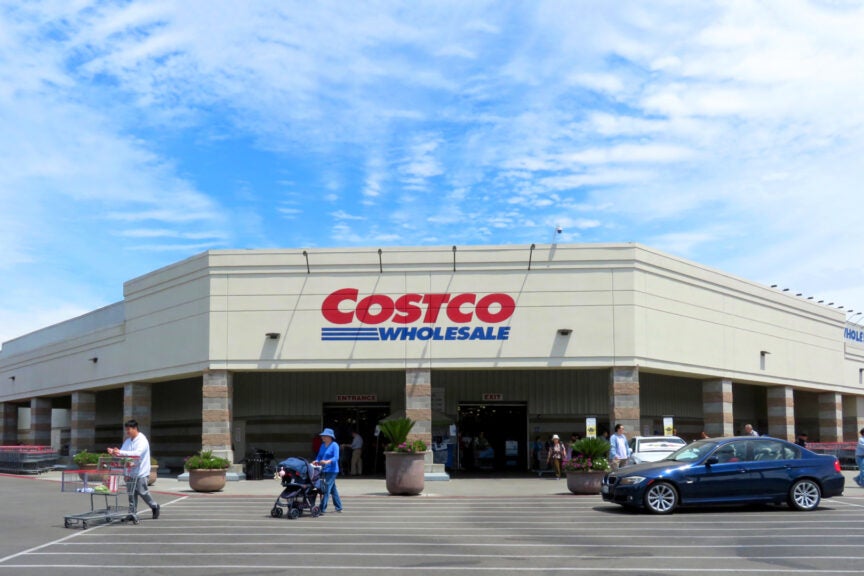
Costco Stock Decline: Investors Should Exercise Caution
- Stock Decline: Costco's shares have fallen about 11% in recent weeks, dropping from a 52-week high of $1,097 to around $975, prompting investors to consider whether it is a good buying opportunity.
- Strong Performance: Over the past five years, Costco's stock has surged approximately 160%, with annual revenue increasing from $227 billion to over $275 billion, indicating robust growth potential in North America and significant room for international expansion.
- High Valuation: Currently, Costco trades at a price-to-earnings ratio of around 50, which is unusually high for retail stocks, yet investors are willing to pay a premium, reflecting confidence in its future growth prospects.
- Investment Risks: Despite Costco's strong business performance, its high valuation makes it difficult for even loyal customers to view the current stock price as an attractive investment, suggesting a need to wait for a more favorable entry point.
See More
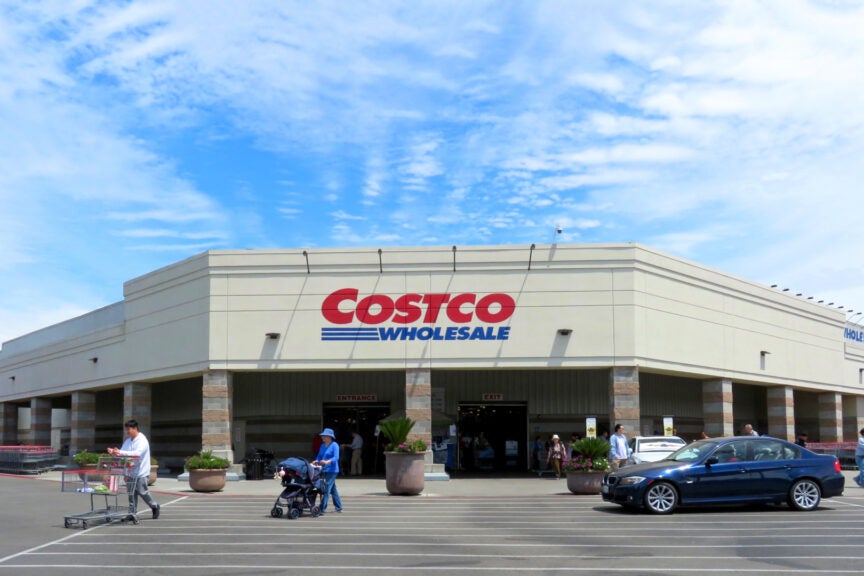
Costco Stock Pullback but Growth Potential Remains Strong
- Stock Pullback: Costco's shares have recently fallen about 11%, dropping from a 52-week high of $1,097 to around $975, yet investors should still consider its long-term growth potential.
- Revenue Growth: Over the past three years, Costco's annual revenue has surged from $227 billion to over $275 billion, with the last 12 months showing $294 billion, indicating strong performance in North America and potential for international expansion.
- Valuation Concerns: Despite Costco's robust business performance, its current price-to-earnings ratio of around 50 is significantly higher than the retail sector average, making its stock appear less attractive to investors.
- Investment Advice: While Costco is a great company, its high valuation may render its stock a less ideal investment choice, prompting analysts to advise caution before purchasing.
See More

SpaceX Set to Go Public on June 12 with $1.77 Trillion Valuation


- IPO Scale and Valuation: SpaceX is expected to go public on June 12, raising $75 billion at a valuation of $1.77 trillion, which will have a profound impact on the market, particularly in the context of large IPOs.
- Index Adjustment Impact: While the S&P 500 will not include SpaceX immediately, the Nasdaq-100 is revising its index methodology to fast-track the inclusion of large companies like SpaceX, providing investors quicker access while potentially putting pressure on major indexes.
- ETF Investment Strategy: Many growth-focused ETFs are likely to buy SpaceX shares, creating challenges for investors who wish to invest in other growth stocks, while the Vanguard Dividend Appreciation ETF stands out as an ideal choice since it will not invest in SpaceX.
- Earnings and Dividend Growth: The Vanguard Dividend Appreciation ETF focuses on companies that consistently grow their earnings, offering a 1.5% dividend yield, making it suitable for investors who prioritize total returns, especially in a high-valuation IPO environment.
See More

SpaceX IPO Expected to Attract Investor Attention
- IPO Size and Valuation: SpaceX is expected to go public on June 12, aiming to raise $75 billion at a valuation of $1.77 trillion, which will provide substantial support for its future expansion and technological innovations.
- Index Fund Response: While the S&P 500 will not quickly include SpaceX, the Nasdaq-100 is revising its index methodology to fast-track the inclusion of giants like SpaceX, indicating strong market recognition of its potential.
- Investor Strategy Shift: Many growth-focused ETFs are likely to buy significant amounts of SpaceX stock post-IPO, creating challenges for investors who wish to invest in growth stocks without exposure to SpaceX, thus forcing a reevaluation of their portfolios.
- Vanguard ETF Advantage: The Vanguard Dividend Appreciation ETF attracts investors with its low fees and stable dividend growth, and while companies like SpaceX may not be included, its focus on mature firms makes it an ideal choice for investors seeking stable returns.
See More

Costco Reports Strong Q3 Results with 11.6% Revenue Growth

- Significant Revenue Growth: Costco's total revenue for Q3 of fiscal 2026 increased by 11.6% year-over-year to $70.5 billion, demonstrating the company's strong resilience and appeal in a highly competitive retail market.
- Outstanding Same-Store Sales: The same-store sales rose by 9.8% in Q3, with a 6.6% increase when excluding gas prices and foreign exchange fluctuations, reflecting consumers' continued loyalty and high traffic to Costco.
- Robust Business Model: Costco leverages its scale to negotiate favorable terms with suppliers, maintaining a low-price strategy that further solidifies its competitive position in the retail sector, especially amid increasing economic uncertainties.
- Strong Investor Confidence: Despite challenges from inflation and economic slowdown, Costco has achieved a total return of 634% over the past decade, indicating high market recognition of its safety and stability, even as its P/E ratio stands at 48, making it a favored choice among investors.
See More
Costco's Competitive Edge and Membership Growth
- Membership Fee Revenue Growth: Costco reported $1.37 billion in membership fee revenue for the latest quarter, reflecting a strong member base and ongoing customer loyalty, which provides the company with greater pricing flexibility to compete on gas prices.
- Gas Pricing Strategy Advantage: Costco's gas prices are typically 30 cents lower than local stations, using fuel as a loss leader to attract customers into stores, which increases impulse purchases and boosts overall sales.
- Kirkland Brand Success: Costco's Kirkland Signature brand has evolved into one of the most successful private-label brands in retail, favored by members for its high quality and low prices, further enhancing customer loyalty and market competitiveness.
- Innovative Products Driving Growth: Costco continuously invests in the Kirkland brand, launching new products like Kirkland Signature Ultra-Filtered Reduced Fat Milk, offering at least 15% to 20% price advantages, catering to consumer demand for healthier, high-protein snacks, thereby driving sales growth.
See More
Costco Stock Decline: Investors Should Exercise Caution
- Stock Decline: Costco's shares have fallen about 11% in recent weeks, dropping from a 52-week high of $1,097 to around $975, prompting investors to consider whether it is a good buying opportunity.
- Strong Performance: Over the past five years, Costco's stock has surged approximately 160%, with annual revenue increasing from $227 billion to over $275 billion, indicating robust growth potential in North America and significant room for international expansion.
- High Valuation: Currently, Costco trades at a price-to-earnings ratio of around 50, which is unusually high for retail stocks, yet investors are willing to pay a premium, reflecting confidence in its future growth prospects.
- Investment Risks: Despite Costco's strong business performance, its high valuation makes it difficult for even loyal customers to view the current stock price as an attractive investment, suggesting a need to wait for a more favorable entry point.
See More
Costco Stock Pullback but Growth Potential Remains Strong
- Stock Pullback: Costco's shares have recently fallen about 11%, dropping from a 52-week high of $1,097 to around $975, yet investors should still consider its long-term growth potential.
- Revenue Growth: Over the past three years, Costco's annual revenue has surged from $227 billion to over $275 billion, with the last 12 months showing $294 billion, indicating strong performance in North America and potential for international expansion.
- Valuation Concerns: Despite Costco's robust business performance, its current price-to-earnings ratio of around 50 is significantly higher than the retail sector average, making its stock appear less attractive to investors.
- Investment Advice: While Costco is a great company, its high valuation may render its stock a less ideal investment choice, prompting analysts to advise caution before purchasing.
See More
SpaceX Set to Go Public on June 12 with $1.77 Trillion Valuation
- IPO Scale and Valuation: SpaceX is expected to go public on June 12, raising $75 billion at a valuation of $1.77 trillion, which will have a profound impact on the market, particularly in the context of large IPOs.
- Index Adjustment Impact: While the S&P 500 will not include SpaceX immediately, the Nasdaq-100 is revising its index methodology to fast-track the inclusion of large companies like SpaceX, providing investors quicker access while potentially putting pressure on major indexes.
- ETF Investment Strategy: Many growth-focused ETFs are likely to buy SpaceX shares, creating challenges for investors who wish to invest in other growth stocks, while the Vanguard Dividend Appreciation ETF stands out as an ideal choice since it will not invest in SpaceX.
- Earnings and Dividend Growth: The Vanguard Dividend Appreciation ETF focuses on companies that consistently grow their earnings, offering a 1.5% dividend yield, making it suitable for investors who prioritize total returns, especially in a high-valuation IPO environment.
See More
SpaceX IPO Expected to Attract Investor Attention
- IPO Size and Valuation: SpaceX is expected to go public on June 12, aiming to raise $75 billion at a valuation of $1.77 trillion, which will provide substantial support for its future expansion and technological innovations.
- Index Fund Response: While the S&P 500 will not quickly include SpaceX, the Nasdaq-100 is revising its index methodology to fast-track the inclusion of giants like SpaceX, indicating strong market recognition of its potential.
- Investor Strategy Shift: Many growth-focused ETFs are likely to buy significant amounts of SpaceX stock post-IPO, creating challenges for investors who wish to invest in growth stocks without exposure to SpaceX, thus forcing a reevaluation of their portfolios.
- Vanguard ETF Advantage: The Vanguard Dividend Appreciation ETF attracts investors with its low fees and stable dividend growth, and while companies like SpaceX may not be included, its focus on mature firms makes it an ideal choice for investors seeking stable returns.
See More
Costco Reports Strong Q3 Results with 11.6% Revenue Growth
- Significant Revenue Growth: Costco's total revenue for Q3 of fiscal 2026 increased by 11.6% year-over-year to $70.5 billion, demonstrating the company's strong resilience and appeal in a highly competitive retail market.
- Outstanding Same-Store Sales: The same-store sales rose by 9.8% in Q3, with a 6.6% increase when excluding gas prices and foreign exchange fluctuations, reflecting consumers' continued loyalty and high traffic to Costco.
- Robust Business Model: Costco leverages its scale to negotiate favorable terms with suppliers, maintaining a low-price strategy that further solidifies its competitive position in the retail sector, especially amid increasing economic uncertainties.
- Strong Investor Confidence: Despite challenges from inflation and economic slowdown, Costco has achieved a total return of 634% over the past decade, indicating high market recognition of its safety and stability, even as its P/E ratio stands at 48, making it a favored choice among investors.
See More





