CoreWeave Shares Plummet Amid Funding Concerns
Written by Emily J. Thompson, Senior Investment Analyst
Updated: Feb 20 2026
0mins

Should l Buy CRWV?
Source: Fool
- Significant Stock Decline: CoreWeave's shares plummeted by as much as 13% on Friday, closing down 8.1%, indicating market concerns regarding its ability to secure funding amidst complications in data center construction permits and financing.
- Escalating Financing Challenges: Business Insider reported that CoreWeave's primary lender, Blue Owl Capital, is struggling to find financing partners for its $4 billion Lancaster data center, raising doubts about whether the project is truly fully funded as claimed.
- Market Confidence Eroded: Blue Owl's stock fell after it restricted investor liquidity, and following a $1.4 billion asset sale, investor confidence in its private debt funds has waned, exacerbating concerns about CoreWeave's future funding capabilities.
- High Debt Risk: While CoreWeave faces insatiable demand for AI compute with projected sales growth of 134% in the coming year, its $11 billion debt load and ongoing net losses diminish its stock's attractiveness, leading to skepticism about its future performance.
Trade with 70% Backtested Accuracy
Stop guessing "Should I Buy CRWV?" and start using high-conviction signals backed by rigorous historical data.
Sign up today to access powerful investing tools and make smarter, data-driven decisions.
Analyst Views on CRWV
Wall Street analysts forecast CRWV stock price to rise
25 Analyst Rating
12 Buy
13 Hold
0 Sell
Moderate Buy
Current: 119.010

Low
68.00
Averages
123.23
High
180.00
Current: 119.010
Low
68.00
Averages
123.23
High
180.00
About CRWV
CoreWeave, Inc. is a cloud infrastructure technology company. The Company offers the CoreWeave Cloud Platform, which consists of software and cloud services that deliver the automation and efficiency needed to manage complex artificial intelligence (AI) infrastructure. Its CoreWeave Cloud Platform is an integrated solution that is purpose-built for running AI workloads such as model training and inference. Its solutions include infrastructure services, managed software services, and application software services. Its Infrastructure Services provide its customers with access to advanced graphics processing unit (GPU) and central processing unit (CPU) compute, highly performant networking, and storage. Its Managed Software Services include CKS, a flexible virtual private cloud and a bare metal service that runs kubernetes directly on high-performance servers. Its Application Software Services build on top of its infrastructure and managed software services, integrating additional tools.
About the author

Emily J. Thompson
Emily J. Thompson, a Chartered Financial Analyst (CFA) with 12 years in investment research, graduated with honors from the Wharton School. Specializing in industrial and technology stocks, she provides in-depth analysis for Intellectia’s earnings and market brief reports.

CoreWeave Faces Capacity Delivery Challenge

- Backlog Situation: CoreWeave has secured tens of billions in long-term contracts with major AI players, boasting a revenue backlog of $66.8 billion as of Q4 2025, which provides strong visibility into future growth, but backlog alone does not create value.
- Capital Efficiency Challenge: The company faces high costs in scaling infrastructure to meet AI demand, requiring significant investments in GPUs, data centers, and networking, and investors are keen to see if each new dollar invested generates more value than previous ones, assessing the scalability of its business model.
- Customer Base Diversification: Currently, CoreWeave relies heavily on a small number of large customers, which is typical in the early stages of AI demand; however, unmanaged concentration poses risks, making it crucial for future growth to show a broader customer base and deeper industry relationships.
- Upcoming Earnings Report: The earnings report due on May 7 will provide insights into the company's progress in delivery capacity, efficiency, and customer diversification, and positive developments could strengthen the case for holding the stock long-term.
See More

iShares Semiconductor ETF Surges 40% Amid AI Demand


- Favorable Industry Trends: The iShares Semiconductor ETF surged 40% last month due to cooling tensions in the Middle East, new data center deals, and a strong earnings report from Intel, highlighting robust demand for semiconductors driven by Agentic AI's CPU needs.
- Earnings Reports Drive Growth: Strong earnings from industry leaders like TSMC, NXP Semiconductor, and Intel, which saw its earnings double, indicate a significant uptick in chip demand as hyperscalers require more capacity for AI applications, showcasing the sector's resilience.
- Increased Capital Expenditure: Major hyperscalers raised their capital expenditure forecasts at the end of the month, signaling ongoing semiconductor demand growth, with Meta specifically increasing its capex due to rising component prices, further underscoring the market's bullish outlook.
- Valuation and Growth Potential: While the SOXX ETF trades at a high price-to-earnings ratio of 52.3, indicating expensive valuations, key components like Micron and Nvidia continue to deliver strong growth, suggesting that the ETF has potential for further gains amid the current AI momentum.
See More

Semiconductor Sector Experiences Strong Growth Amid AI Boom
- Cloud Infrastructure Spending Surge: With the skyrocketing demand for cloud computing capacity, Meta Platforms secured a $21 billion deal with CoreWeave, indicating that AI-driven cloud infrastructure spending continues to rise, thereby boosting semiconductor demand.
- Chip Demand Surge: Intel's latest earnings report revealed a significant increase in CPU demand driven by the rise of Agentic AI, revitalizing the entire semiconductor industry, particularly as the iShares Semiconductor ETF surged 40% last month.
- Capital Expenditure Increases: At the end of the month, three of the four major hyperscalers reported raising their annual capital expenditure forecasts, signaling that semiconductor demand will continue to rise, especially against the backdrop of increasing component prices.
- Elevated Valuation Levels: Although the SOXX ETF trades at a high price-to-earnings ratio of 52.3, indicating elevated valuations for semiconductor stocks, major components like Micron and Nvidia are still delivering strong growth, suggesting that ongoing enthusiasm for AI may drive further stock price increases.
See More

Berkshire Hathaway Annual Meeting Highlights

- Record Cash Reserves: Berkshire Hathaway's cash pile reached a record $397.4 billion in Q1, indicating the company's strong financial flexibility even in a less-than-ideal investment environment, thus laying the groundwork for future investment opportunities.
- Insurance Business Recovery: The growth in operating earnings was partly attributed to a rebound in the insurance sector, highlighting that insurance remains a crucial pillar for Berkshire, enhancing its overall profitability amid economic fluctuations.
- Lackluster Shareholder Meeting: Although CEO Greg Abel performed well at the annual meeting, the turnout for the 'Berkshire Bazaar of Bargains' was noticeably lower than in previous years, reflecting waning investor interest without Warren Buffett at the helm.
- Cautious Market Outlook: Buffett noted that the current investment environment is not ideal, yet Abel's leadership style mirrors Buffett's, which may continue to attract investor confidence in the future.
See More

Berkshire's New CEO Discusses Company Performance at First Meeting
- Berkshire's Leadership Transition: At Berkshire Hathaway's first annual meeting since Warren Buffett stepped down, CEO Greg Abel addressed company performance amidst an “not ideal” investing environment, with cash reserves hitting a record $397.4 billion in Q1, reflecting a rebound in its insurance business.
- Spirit Airlines Ceases Operations: Spirit Airlines halted operations after failing to secure a $500 million government bailout, resulting in 17,000 job losses and marking the end of an era in discount travel, while other airlines pledged to cap fares to assist stranded travelers.
- Oil Price Surge: President Trump announced efforts to “free” ships stuck in the Strait of Hormuz, with oil prices rising after reports of missile strikes near U.S. vessels, leading to a drop of over 200 points in Dow futures, exerting pressure on the stock market.
- Meta's Legal Challenges: Meta returns to court in New Mexico over a child safety case, with the state attorney general seeking approximately $3.7 billion in abatement costs, and a ruling against Meta could force significant product changes, highlighting increasing scrutiny on tech companies.
See More
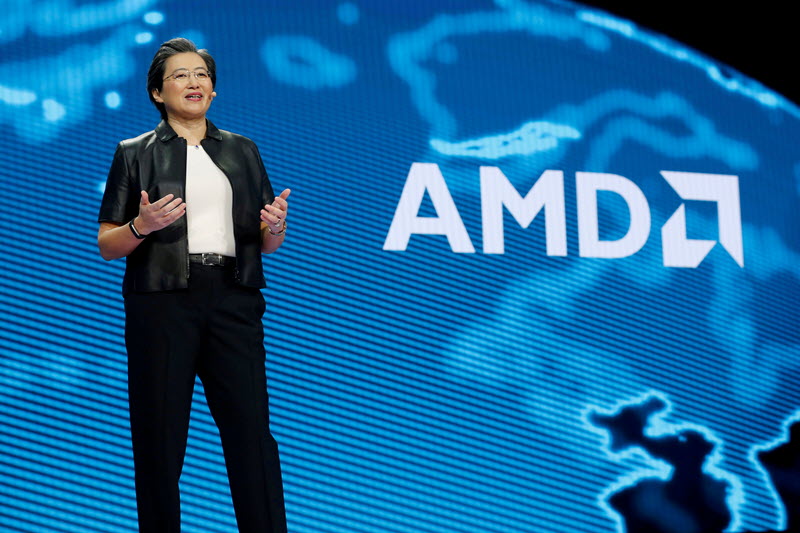
Cerebras Plans IPO to Raise Up to $3.5 Billion at $115-$125 per Share

- IPO Financing Goal: Cerebras aims to go public on Nasdaq by offering 28 million shares priced between $115 and $125, potentially raising up to $3.5 billion, which would value the company at $26.6 billion, a significant increase from its $23 billion valuation in February.
- Market Competitive Edge: Cerebras' AI chips serve as an alternative to Nvidia's popular GPUs, and with the rise of generative AI products, particularly driven by companies like OpenAI, the demand for its products is surging, indicating strong market potential.
- Strong Financial Performance: The company reported a 76% year-over-year revenue growth in Q4, reaching $510 million, with a net income of $87.9 million, demonstrating robust profitability and market appeal in the rapidly expanding AI sector.
- Founder Shareholding Situation: CEO Andrew Feldman will not sell shares in the IPO, retaining 10.3 million shares post-IPO, which could be valued at up to $1.28 billion at the high end, reflecting his confidence in the company's future growth prospects.
See More
CoreWeave Faces Capacity Delivery Challenge
- Backlog Situation: CoreWeave has secured tens of billions in long-term contracts with major AI players, boasting a revenue backlog of $66.8 billion as of Q4 2025, which provides strong visibility into future growth, but backlog alone does not create value.
- Capital Efficiency Challenge: The company faces high costs in scaling infrastructure to meet AI demand, requiring significant investments in GPUs, data centers, and networking, and investors are keen to see if each new dollar invested generates more value than previous ones, assessing the scalability of its business model.
- Customer Base Diversification: Currently, CoreWeave relies heavily on a small number of large customers, which is typical in the early stages of AI demand; however, unmanaged concentration poses risks, making it crucial for future growth to show a broader customer base and deeper industry relationships.
- Upcoming Earnings Report: The earnings report due on May 7 will provide insights into the company's progress in delivery capacity, efficiency, and customer diversification, and positive developments could strengthen the case for holding the stock long-term.
See More
iShares Semiconductor ETF Surges 40% Amid AI Demand
- Favorable Industry Trends: The iShares Semiconductor ETF surged 40% last month due to cooling tensions in the Middle East, new data center deals, and a strong earnings report from Intel, highlighting robust demand for semiconductors driven by Agentic AI's CPU needs.
- Earnings Reports Drive Growth: Strong earnings from industry leaders like TSMC, NXP Semiconductor, and Intel, which saw its earnings double, indicate a significant uptick in chip demand as hyperscalers require more capacity for AI applications, showcasing the sector's resilience.
- Increased Capital Expenditure: Major hyperscalers raised their capital expenditure forecasts at the end of the month, signaling ongoing semiconductor demand growth, with Meta specifically increasing its capex due to rising component prices, further underscoring the market's bullish outlook.
- Valuation and Growth Potential: While the SOXX ETF trades at a high price-to-earnings ratio of 52.3, indicating expensive valuations, key components like Micron and Nvidia continue to deliver strong growth, suggesting that the ETF has potential for further gains amid the current AI momentum.
See More
Semiconductor Sector Experiences Strong Growth Amid AI Boom
- Cloud Infrastructure Spending Surge: With the skyrocketing demand for cloud computing capacity, Meta Platforms secured a $21 billion deal with CoreWeave, indicating that AI-driven cloud infrastructure spending continues to rise, thereby boosting semiconductor demand.
- Chip Demand Surge: Intel's latest earnings report revealed a significant increase in CPU demand driven by the rise of Agentic AI, revitalizing the entire semiconductor industry, particularly as the iShares Semiconductor ETF surged 40% last month.
- Capital Expenditure Increases: At the end of the month, three of the four major hyperscalers reported raising their annual capital expenditure forecasts, signaling that semiconductor demand will continue to rise, especially against the backdrop of increasing component prices.
- Elevated Valuation Levels: Although the SOXX ETF trades at a high price-to-earnings ratio of 52.3, indicating elevated valuations for semiconductor stocks, major components like Micron and Nvidia are still delivering strong growth, suggesting that ongoing enthusiasm for AI may drive further stock price increases.
See More
Berkshire Hathaway Annual Meeting Highlights
- Record Cash Reserves: Berkshire Hathaway's cash pile reached a record $397.4 billion in Q1, indicating the company's strong financial flexibility even in a less-than-ideal investment environment, thus laying the groundwork for future investment opportunities.
- Insurance Business Recovery: The growth in operating earnings was partly attributed to a rebound in the insurance sector, highlighting that insurance remains a crucial pillar for Berkshire, enhancing its overall profitability amid economic fluctuations.
- Lackluster Shareholder Meeting: Although CEO Greg Abel performed well at the annual meeting, the turnout for the 'Berkshire Bazaar of Bargains' was noticeably lower than in previous years, reflecting waning investor interest without Warren Buffett at the helm.
- Cautious Market Outlook: Buffett noted that the current investment environment is not ideal, yet Abel's leadership style mirrors Buffett's, which may continue to attract investor confidence in the future.
See More
Berkshire's New CEO Discusses Company Performance at First Meeting
- Berkshire's Leadership Transition: At Berkshire Hathaway's first annual meeting since Warren Buffett stepped down, CEO Greg Abel addressed company performance amidst an “not ideal” investing environment, with cash reserves hitting a record $397.4 billion in Q1, reflecting a rebound in its insurance business.
- Spirit Airlines Ceases Operations: Spirit Airlines halted operations after failing to secure a $500 million government bailout, resulting in 17,000 job losses and marking the end of an era in discount travel, while other airlines pledged to cap fares to assist stranded travelers.
- Oil Price Surge: President Trump announced efforts to “free” ships stuck in the Strait of Hormuz, with oil prices rising after reports of missile strikes near U.S. vessels, leading to a drop of over 200 points in Dow futures, exerting pressure on the stock market.
- Meta's Legal Challenges: Meta returns to court in New Mexico over a child safety case, with the state attorney general seeking approximately $3.7 billion in abatement costs, and a ruling against Meta could force significant product changes, highlighting increasing scrutiny on tech companies.
See More
Cerebras Plans IPO to Raise Up to $3.5 Billion at $115-$125 per Share
- IPO Financing Goal: Cerebras aims to go public on Nasdaq by offering 28 million shares priced between $115 and $125, potentially raising up to $3.5 billion, which would value the company at $26.6 billion, a significant increase from its $23 billion valuation in February.
- Market Competitive Edge: Cerebras' AI chips serve as an alternative to Nvidia's popular GPUs, and with the rise of generative AI products, particularly driven by companies like OpenAI, the demand for its products is surging, indicating strong market potential.
- Strong Financial Performance: The company reported a 76% year-over-year revenue growth in Q4, reaching $510 million, with a net income of $87.9 million, demonstrating robust profitability and market appeal in the rapidly expanding AI sector.
- Founder Shareholding Situation: CEO Andrew Feldman will not sell shares in the IPO, retaining 10.3 million shares post-IPO, which could be valued at up to $1.28 billion at the high end, reflecting his confidence in the company's future growth prospects.
See More