

COPJ ETF: Is Now the Time to Buy Junior Copper Stocks?
Written by Emily J. Thompson, Senior Investment Analyst
Updated: May 03 2024
0mins

Source: TipRanks
COPJ ETF Overview:
- Tracks junior copper miners, high-risk, high-reward.
- Invests in small-cap copper mining companies.
- Focuses on companies with potential revenue growth.
- Sees long-term demand for copper due to renewable energy transition.
Market Trends and Speculation:
- Copper prices hit $10,000/ton, first time in two years.
- Growing demand from green industries.
- Potential supply constraints leading to market deficit.
- Need for new mines to meet renewable energy demand.
Investment Considerations:
- BHP's bid for Anglo American seen as bullish for copper.
- COPJ holds 42 stocks, top 10 holdings account for 57.4% of assets.
- Geographic diversification with exposure to Canada, Australia, etc.
- High expense ratio of 0.75%, dividend yield of 2.0%.
Analyst Ratings and Price Targets:
- Moderate Buy consensus rating for COPJ.
- Average price target implies 18% upside potential.
- Long-term investment opportunity due to supply-demand dynamics.
Risk and Reward:
- High-risk, high-reward investment not for the faint-hearted.
- Small-cap stocks can be volatile.
- Long-term potential for space makes risk worthwhile.
- Short-term and long-term outlook compelling for COPJ.
Trade with 70% Backtested Accuracy
Stop guessing "Should I Buy BHP?" and start using high-conviction signals backed by rigorous historical data.
Sign up today to access powerful investing tools and make smarter, data-driven decisions.
Analyst Views on BHP
Wall Street analysts forecast BHP stock price to fall
3 Analyst Rating
1 Buy
1 Hold
1 Sell
Hold
Current: 83.330

Low
49.50
Averages
56.50
High
68.00
Current: 83.330
Low
49.50
Averages
56.50
High
68.00
About BHP
BHP Group Limited is an Australia-based resources company. The Company is a producer of commodities, including iron ore, copper, nickel, potash and metallurgical (steelmaking) coal. It is focused on offering a range of resources, which provides copper for renewable energy; nickel for electric vehicles; potash for sustainable farming, and iron ore and metallurgical coal for the steel needed for global infrastructure and the energy transition. Its segments include Copper, Iron Ore, and Coal. Its Copper segment is engaged in mining of copper, silver, zinc, molybdenum, uranium, and gold. Its Iron Ore segment is engaged in mining of iron ore. Its Coal segment is engaged in mining of metallurgical coal and energy coal. The Company is also focused on operating Olympic Dam, Prominent Hill, and Carrapateena underground copper-gold mines in South Australia. Its operations are situated in Australia, Europe, China, Japan, India, South Korea, rest of Asia, North America, South America, and others.
About the author

Emily J. Thompson
Emily J. Thompson, a Chartered Financial Analyst (CFA) with 12 years in investment research, graduated with honors from the Wharton School. Specializing in industrial and technology stocks, she provides in-depth analysis for Intellectia’s earnings and market brief reports.
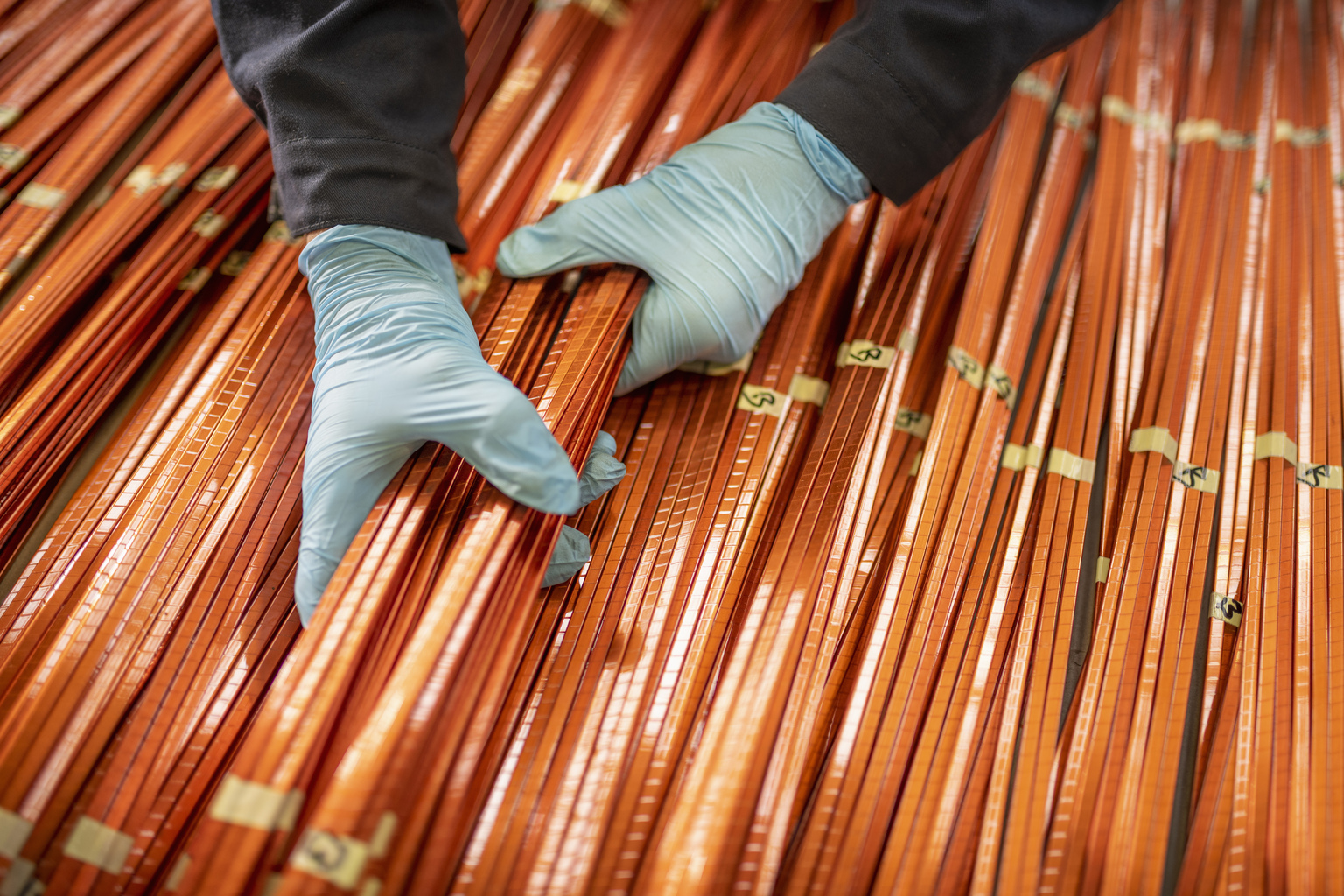
BHP Secures Environmental Approval for Escondida Mine Expansion


- Environmental Approval Secured: BHP has received its first major environmental approval for the expansion of the Escondida copper mine in Chile, allowing a project worth up to $14.7 billion to commence, marking a significant advancement in the company's copper mining operations.
- Project Details Revealed: The approval pertains to early-stage works involving sulfide leaching and electrical upgrades, demonstrating BHP's proactive efforts to enhance mining efficiency and environmental compliance, which is expected to strengthen its competitive position in the global copper market.
- Joint Venture Structure: BHP operates the Escondida mine with a 57.5% stake, in partnership with Rio Tinto and Japan's JECO Corp., ensuring its critical role in the global copper supply chain.
- Market Dynamics Observed: Despite copper prices fluctuating between $13,000 and $14,000 per ton since mid-May, BHP's expansion plans could potentially increase copper supply in the future, thereby impacting market prices and the company's profitability.
See More

BHP Files Environmental Permit for Cerro Colorado Copper Mine in Chile
- Environmental Permit Application: BHP filed an environmental permit application for its $1.5 billion Cerro Colorado copper mine project late Wednesday, aiming to extend operations for an additional 20 years, reflecting the company's long-term confidence in the copper market.
- Water Resource Utilization Plan: The project plans to transport treated wastewater through a ~60-mile pipeline from the municipality of Alto Hospicio to the mine site, aiming to enhance resource efficiency and reduce environmental impact, aligning with sustainability strategies.
- Asset Sale Transaction: BHP announced on Thursday the sale of its San Manuel property in Arizona to Faraday Copper in exchange for shares equivalent to a 30% fully diluted interest, raising its stake in Faraday to 32.5%, indicating a strategic investment in the copper sector.
- New Copper Hub Development: This transaction paves the way for developing a new copper hub in Arizona, combining existing infrastructure and mineral inventory at San Manuel with Faraday’s adjacent Copper Creek project, enhancing regional copper resource integration capabilities.
See More
BHP Splits Americas President Role to Enhance Regional Focus
- Role Split: BHP is splitting its President Americas role into North America and South America positions to enhance focus on each region as mining growth engines, which is expected to improve operational efficiency in these key markets.
- Leadership Appointment: Jessica Farrell, the innovation chief, has been appointed as President of North America effective July 1, and she will also serve as acting President of South America until the position is filled, reflecting the company's emphasis on strong leadership.
- New CEO: Brandon Craig will become the company's CEO on July 1, succeeding Mike Henry, who has led for over six years, which is anticipated to drive strategic transformation and strengthen management over the Americas.
- Investment Expansion: BHP is constructing the giant Jansen potash mine in North America, poised to become one of the world's largest fertilizer sources, while also investing heavily in South America to boost production at the world's largest copper mine, Escondida, further solidifying its market leadership.
See More
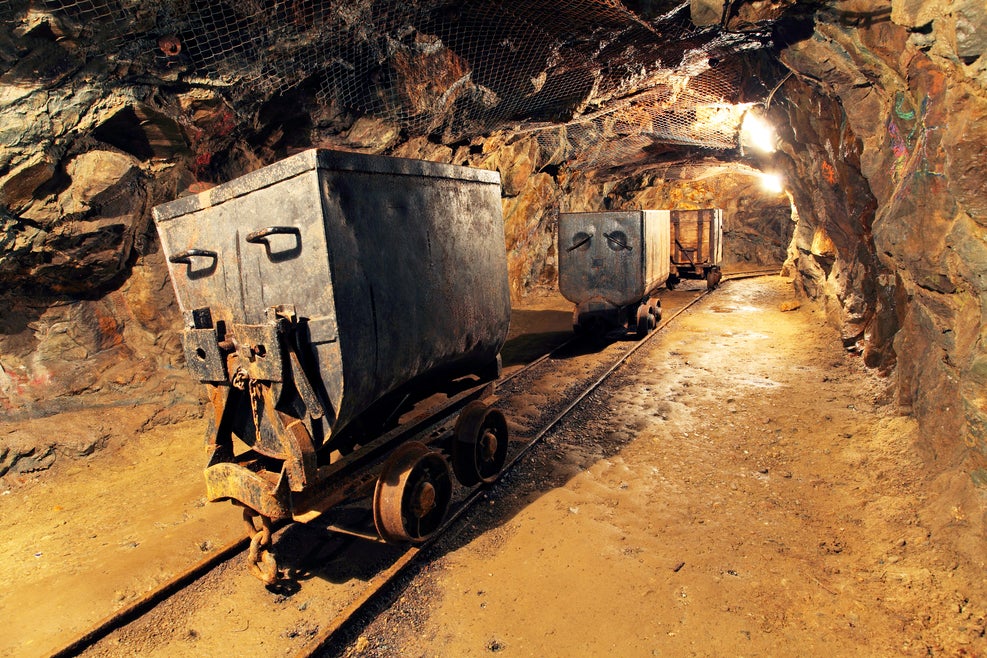
BHP Appoints New President for North America
- Executive Appointment: BHP has appointed Jessica Farrell as President of North America, effective July 1, while she currently serves as Vice President of Innovation and will act as interim President of South America until the recruitment is completed, ensuring stable leadership in key markets.
- Strategic Restructuring: The appointment of new CEO Brandon Craig, also effective July 1, reflects the company's commitment to leadership renewal and strategic execution aimed at enhancing organizational capacity to support its growth agenda.
- Functional Split: The division of the President roles for North and South America will allow the company to focus more on operations in each region, which is expected to improve responsiveness to market demands and enhance competitiveness in the Americas.
- Experienced Leadership: Farrell brings over 20 years of senior management experience at BHP, having previously served as President of the Western Australia Nickel Asset, and her extensive industry background will provide strong support for the company's strategic implementation in North America.
See More
BHP Raises Jansen Stage Two Investment Estimate to $6.9 Billion After Review
- Investment Estimate Increase: BHP has raised the investment estimate for stage two of the Jansen project from $4.9 billion to $6.9 billion, primarily due to additional construction hours and material cost escalations, indicating cost pressures in project execution.
- Production Timeline Delay: The expected first production has been postponed to late FY31, two years later than initially planned, which may impact the company's short-term earnings outlook and market confidence.
- Stable Output Expectations: Despite rising costs, BHP still forecasts an annual output of approximately 4.36 million tonnes for stage two, with combined production reaching 8.5 million tonnes, representing about 10% of global potash output, demonstrating the project's long-term value.
- Significant Financial Impact: The company anticipates recognizing an impairment charge of approximately $2.3 billion in FY26, reflecting a reassessment of its investment in the project, which could negatively affect overall financial performance.
See More
BHP Plans to Sell Power Transmission Lines in Chile Valued at $1.5B
- Asset Sale Plan: BHP is gearing up to sell its power transmission lines in Chile, valued at approximately $1.5 billion, as part of its strategic shift towards copper mining, indicating a decisive realignment of its business focus.
- Transmission Line Coverage: The transaction will include transmission lines that supply power to BHP's Escondida, Spence, and Cerro Colorado mines, spanning about 1,000 kilometers, including the currently shuttered Cerro Colorado, reflecting the company's flexibility in asset management.
- Potential Buyers: Potential bidders could include transmission companies, other energy firms, or institutional investors, providing BHP with diversified funding sources that enhance its financial flexibility.
- Asset Sale Revenue: Morgan Stanley estimated last month that BHP could exceed its asset sale target of $10 billion by approximately $3 billion, which would bolster its balance sheet and support growth plans, highlighting the financial benefits of strategic divestitures.
See More
BHP Secures Environmental Approval for Escondida Mine Expansion
- Environmental Approval Secured: BHP has received its first major environmental approval for the expansion of the Escondida copper mine in Chile, allowing a project worth up to $14.7 billion to commence, marking a significant advancement in the company's copper mining operations.
- Project Details Revealed: The approval pertains to early-stage works involving sulfide leaching and electrical upgrades, demonstrating BHP's proactive efforts to enhance mining efficiency and environmental compliance, which is expected to strengthen its competitive position in the global copper market.
- Joint Venture Structure: BHP operates the Escondida mine with a 57.5% stake, in partnership with Rio Tinto and Japan's JECO Corp., ensuring its critical role in the global copper supply chain.
- Market Dynamics Observed: Despite copper prices fluctuating between $13,000 and $14,000 per ton since mid-May, BHP's expansion plans could potentially increase copper supply in the future, thereby impacting market prices and the company's profitability.
See More
BHP Files Environmental Permit for Cerro Colorado Copper Mine in Chile
- Environmental Permit Application: BHP filed an environmental permit application for its $1.5 billion Cerro Colorado copper mine project late Wednesday, aiming to extend operations for an additional 20 years, reflecting the company's long-term confidence in the copper market.
- Water Resource Utilization Plan: The project plans to transport treated wastewater through a ~60-mile pipeline from the municipality of Alto Hospicio to the mine site, aiming to enhance resource efficiency and reduce environmental impact, aligning with sustainability strategies.
- Asset Sale Transaction: BHP announced on Thursday the sale of its San Manuel property in Arizona to Faraday Copper in exchange for shares equivalent to a 30% fully diluted interest, raising its stake in Faraday to 32.5%, indicating a strategic investment in the copper sector.
- New Copper Hub Development: This transaction paves the way for developing a new copper hub in Arizona, combining existing infrastructure and mineral inventory at San Manuel with Faraday’s adjacent Copper Creek project, enhancing regional copper resource integration capabilities.
See More
BHP Splits Americas President Role to Enhance Regional Focus
- Role Split: BHP is splitting its President Americas role into North America and South America positions to enhance focus on each region as mining growth engines, which is expected to improve operational efficiency in these key markets.
- Leadership Appointment: Jessica Farrell, the innovation chief, has been appointed as President of North America effective July 1, and she will also serve as acting President of South America until the position is filled, reflecting the company's emphasis on strong leadership.
- New CEO: Brandon Craig will become the company's CEO on July 1, succeeding Mike Henry, who has led for over six years, which is anticipated to drive strategic transformation and strengthen management over the Americas.
- Investment Expansion: BHP is constructing the giant Jansen potash mine in North America, poised to become one of the world's largest fertilizer sources, while also investing heavily in South America to boost production at the world's largest copper mine, Escondida, further solidifying its market leadership.
See More
BHP Appoints New President for North America
- Executive Appointment: BHP has appointed Jessica Farrell as President of North America, effective July 1, while she currently serves as Vice President of Innovation and will act as interim President of South America until the recruitment is completed, ensuring stable leadership in key markets.
- Strategic Restructuring: The appointment of new CEO Brandon Craig, also effective July 1, reflects the company's commitment to leadership renewal and strategic execution aimed at enhancing organizational capacity to support its growth agenda.
- Functional Split: The division of the President roles for North and South America will allow the company to focus more on operations in each region, which is expected to improve responsiveness to market demands and enhance competitiveness in the Americas.
- Experienced Leadership: Farrell brings over 20 years of senior management experience at BHP, having previously served as President of the Western Australia Nickel Asset, and her extensive industry background will provide strong support for the company's strategic implementation in North America.
See More
BHP Raises Jansen Stage Two Investment Estimate to $6.9 Billion After Review
- Investment Estimate Increase: BHP has raised the investment estimate for stage two of the Jansen project from $4.9 billion to $6.9 billion, primarily due to additional construction hours and material cost escalations, indicating cost pressures in project execution.
- Production Timeline Delay: The expected first production has been postponed to late FY31, two years later than initially planned, which may impact the company's short-term earnings outlook and market confidence.
- Stable Output Expectations: Despite rising costs, BHP still forecasts an annual output of approximately 4.36 million tonnes for stage two, with combined production reaching 8.5 million tonnes, representing about 10% of global potash output, demonstrating the project's long-term value.
- Significant Financial Impact: The company anticipates recognizing an impairment charge of approximately $2.3 billion in FY26, reflecting a reassessment of its investment in the project, which could negatively affect overall financial performance.
See More
BHP Plans to Sell Power Transmission Lines in Chile Valued at $1.5B
- Asset Sale Plan: BHP is gearing up to sell its power transmission lines in Chile, valued at approximately $1.5 billion, as part of its strategic shift towards copper mining, indicating a decisive realignment of its business focus.
- Transmission Line Coverage: The transaction will include transmission lines that supply power to BHP's Escondida, Spence, and Cerro Colorado mines, spanning about 1,000 kilometers, including the currently shuttered Cerro Colorado, reflecting the company's flexibility in asset management.
- Potential Buyers: Potential bidders could include transmission companies, other energy firms, or institutional investors, providing BHP with diversified funding sources that enhance its financial flexibility.
- Asset Sale Revenue: Morgan Stanley estimated last month that BHP could exceed its asset sale target of $10 billion by approximately $3 billion, which would bolster its balance sheet and support growth plans, highlighting the financial benefits of strategic divestitures.
See More





