Constellation Brands Stock Shows Signs of Recovery Potential
Written by Emily J. Thompson, Senior Investment Analyst
Updated: Apr 15 2026
0mins
Source: Fool
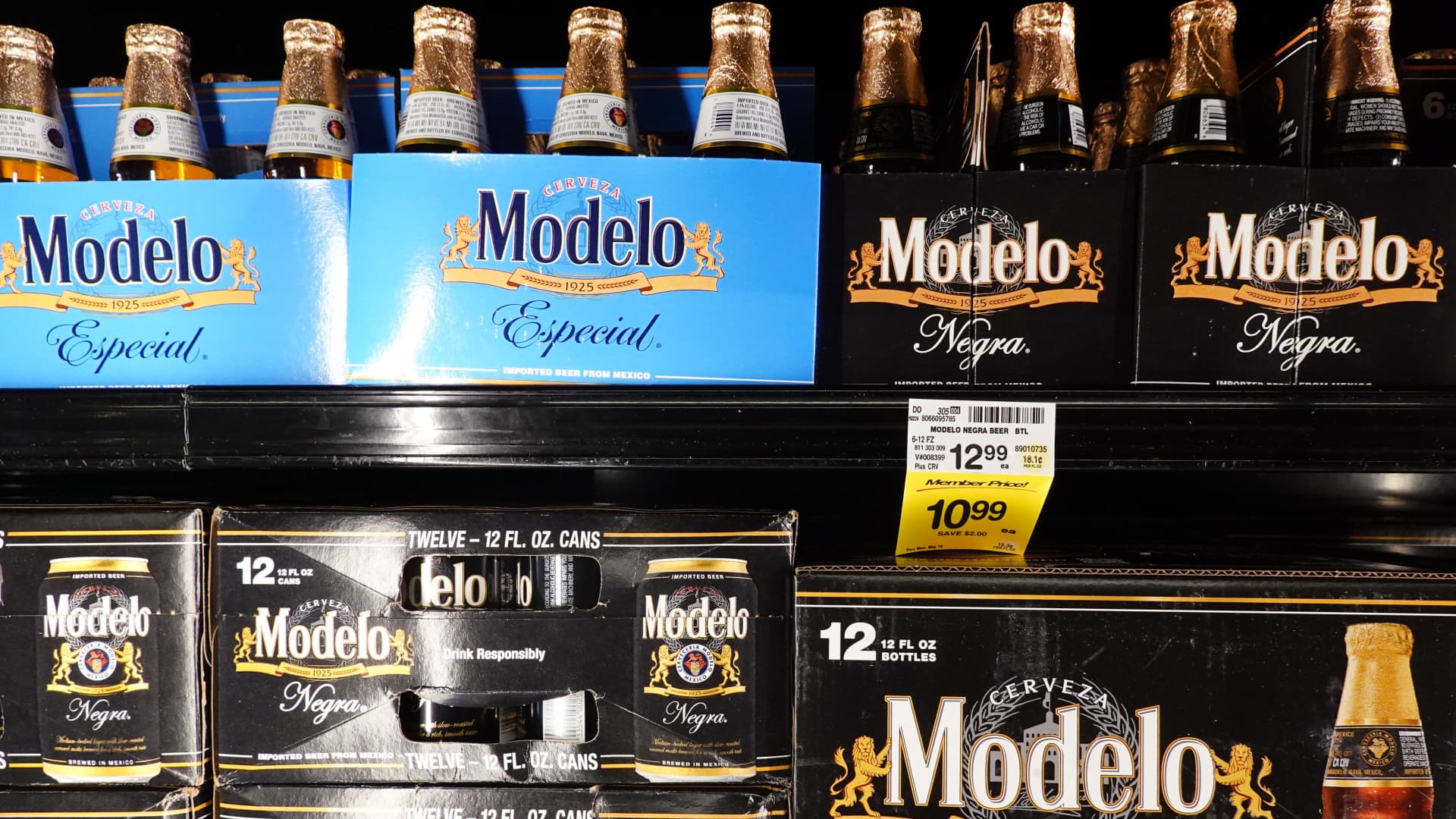
- Sales Decline Context: In fiscal 2026, Constellation Brands experienced a 51% plunge in net sales for wine and spirits due to the divestiture of Svedka and several wine brands, while beer brands, which account for 91% of revenue, also saw a 10% overall sales drop, highlighting market challenges.
- Buffett's Contrarian Investment: Warren Buffett's Berkshire Hathaway increased its stake in Constellation Brands during this downturn, indicating confidence in a contrarian play, as the historical roots of alcohol consumption may provide the company with rebound opportunities despite ongoing health trends.
- Profitability Recovery: In fiscal 2026, Constellation Brands' net income rose to nearly $1.7 billion, a significant recovery from an $81 million loss in the previous fiscal year, demonstrating the company's ability to remain profitable and sustain a $716 million dividend payout even in challenging conditions.
- Share Buyback and Valuation: The company completed a $924 million share buyback, reducing the number of outstanding shares and boosting stock value, while its P/E ratio of 17 is significantly lower than the S&P 500's 29, potentially attracting more investor interest in its stock.
Trade with 70% Backtested Accuracy
Stop guessing "Should I Buy STZ?" and start using high-conviction signals backed by rigorous historical data.
Sign up today to access powerful investing tools and make smarter, data-driven decisions.
Analyst Views on STZ
Wall Street analysts forecast STZ stock price to rise
15 Analyst Rating
7 Buy
7 Hold
1 Sell
Moderate Buy
Current: 138.820

Low
135.00
Averages
163.00
High
209.00
Current: 138.820
Low
135.00
Averages
163.00
High
209.00
About STZ
Constellation Brands, Inc. is a producer and marketer of beer, wine, and spirits with operations in the United States, Mexico, New Zealand, and Italy with brands, such as Corona Extra, Modelo Especial, Robert Mondavi Winery, Kim Crawford, The Prisoner Wine Company, High West, Casa Noble, and Mi CAMPO. Its segments include Beer, Wine and Spirits, and Corporate Operations and Other. In the Beer segment, its portfolio consists of high-end imported beer brands and ABAs. It has a perpetual brand license to produce its Mexican beer portfolio and to import, market, and sell such a portfolio in the United States. In the Wine and Spirits segment, it sells a portfolio that includes higher-end wine brands complemented by certain higher-end spirits brands. Its Corporate Operations and Other segment consists of costs of corporate development, corporate finance, corporate strategy, executive management, growth, human resources, internal audit, investor relations, IT, legal and public relations.
About the author

Emily J. Thompson
Emily J. Thompson, a Chartered Financial Analyst (CFA) with 12 years in investment research, graduated with honors from the Wharton School. Specializing in industrial and technology stocks, she provides in-depth analysis for Intellectia’s earnings and market brief reports.
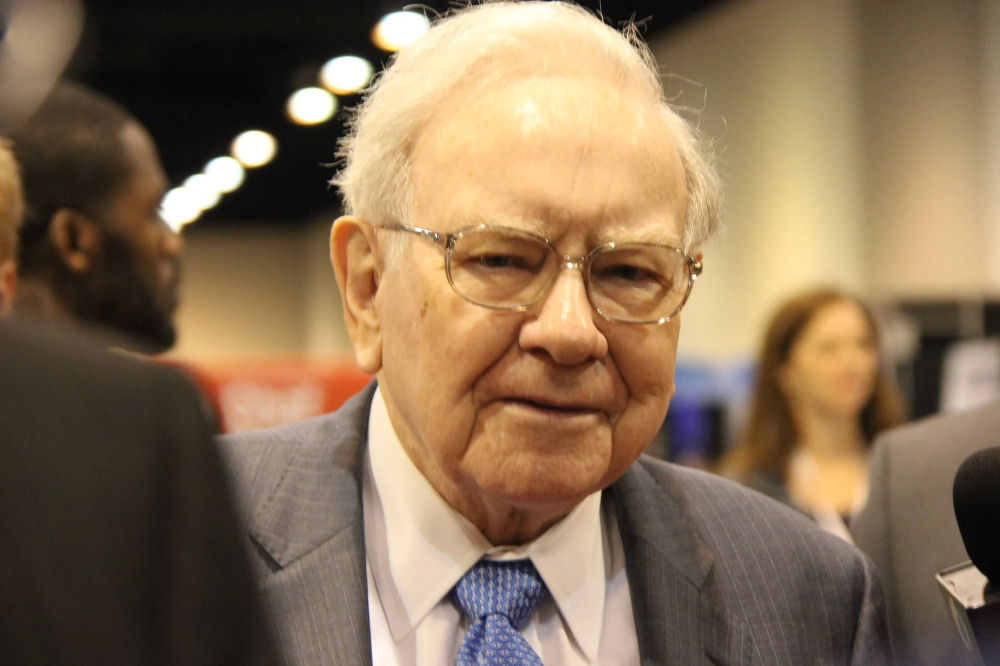
Analysis of Berkshire Hathaway's Q1 Performance Under Greg Abel


- Small Position Cleanup: In Q1, Abel eliminated 16 small positions, including Visa and Amazon, none of which accounted for more than 1% of Berkshire's total portfolio, aiming to enhance focus and efficiency in the investment strategy to improve long-term performance.
- Decisive Exit from Losers: Berkshire sold off underperforming stocks like Pool Corp. and Domino's Pizza in Q1, which may have locked in losses, but Abel believes that timely exits are necessary to prevent dragging down overall investment performance amid uncertainty.
- Investment in Special Situations: Abel initiated new stakes in Delta Air Lines and Macy's during Q1, both facing systemic challenges, indicating a strategic willingness to invest in potentially undervalued companies that could yield returns in the future despite current difficulties.
- Increased Cash Reserves: As of the end of March, Berkshire's cash reserves reached $397 billion, suggesting that Abel may be waiting for more attractive investment opportunities while potentially shifting towards wholly-owned cash-generating businesses to reduce reliance on volatile stocks.
See More

Greg Abel's Strategic Shift at Berkshire Hathaway
- Portfolio Adjustment: New CEO Greg Abel reduced investments in long-held positions like Visa and Mastercard in Q1, indicating a shift away from smaller stakes, which may enhance the overall quality and return potential of the portfolio.
- Increased Cash Reserves: As of the end of March, Berkshire Hathaway's cash reserves reached a record $397 billion, reflecting the company's strategy to wait for more attractive investment opportunities in an overvalued stock market.
- New Investment Direction: Abel initiated new stakes in Delta Air Lines and Macy's during Q1, signaling a willingness to take on higher risks for potential returns despite the systemic challenges these companies face, which may alter the company's investment style.
- Long-Term Strategic Thinking: Abel's decisions suggest that Berkshire may gradually reduce reliance on volatile stocks and shift towards more controllable cash-generating businesses, potentially providing shareholders with more stable returns.
See More
Concerns Arise Over Buffett's Successor's Investment Strategy

- Portfolio Overhaul: Berkshire Hathaway exited 15 positions in Q1, reducing its stock count from 39 to 26, indicating CEO Abel's dissatisfaction with former manager's picks, which may impact the company's future investment strategy.
- Airline Investment Risks: Abel's $2.6 billion stake in Delta Airlines, acquiring over 6% of the company, contradicts Buffett's past criticisms of the airline industry's capital demands, potentially repeating historical investment mistakes and increasing risk exposure.
- Retail Sector Experiment: For the first time since 1966, Berkshire invested $55 million in Macy's, despite the retail sector's fierce competition and lack of moats, suggesting that the value of Macy's real estate portfolio may have attracted investor interest.
- Tech Stock Increase: Abel significantly boosted Berkshire's investment in Alphabet by approximately $10 billion, reflecting confidence in the AI sector, although his tripling of the stake in The New York Times raises concerns about high valuations in the media sector.
See More

Berkshire's New CEO Makes Major Portfolio Adjustments
- Major Portfolio Shift: Berkshire Hathaway's latest quarterly filing reveals CEO Greg Abel reduced the number of holdings from 39 to 26, fully exiting 15 positions, indicating a significant restructuring of the investment portfolio.
- New Airline Bet: Abel's $2.6 billion investment in Delta Air Lines, acquiring over 6% of the company, raises eyebrows given Buffett's historical aversion to airline economics, potentially sparking market skepticism about this strategic move.
- Retail Sector Experiment: Abel's $55 million stake in Macy's, despite the tough retail landscape and lack of competitive moat, suggests a focus on the value of Macy's real estate, reflecting a preference for value investments in challenging sectors.
- Tech Stock Increase: Abel's substantial increase in Berkshire's stake in Alphabet, amounting to about $10 billion, underscores confidence in the long-term potential of artificial intelligence, which may provide robust growth opportunities for Berkshire in the future.
See More
Constellation Brands Appoints New Board Member


- New Board Member: Constellation Brands has appointed Morgan Flatley to its Board of Directors effective May 20, 2026, aiming to leverage her extensive global brand-building experience in the consumer goods and food and beverage sectors to further solidify the company's leadership in the U.S. high-end beer market.
- Brand Building Expertise: Currently serving as Global Chief Marketing Officer at McDonald's, Flatley has driven numerous successful marketing campaigns since joining in 2017 and has been recognized multiple times on Forbes' list of the World's Most Influential CMOs, which is expected to bring fresh perspectives and innovation to Constellation's brand strategy.
- Board Composition Change: With Flatley's election, the number of members on Constellation Brands' Board of Directors returns to twelve, marking a continuation of the company's comprehensive board refreshment process aimed at enhancing diversity and expertise within the board.
- Strategic Growth Foundation: Flatley expressed her eagerness to collaborate with fellow board members to help Constellation build on its strong foundation for growth and success, particularly in the dynamic beverage alcohol market.
See More
Analysis of Constellation Brands Trading Strategy
- Technical Indicator Analysis: Constellation Brands (STZ) has experienced a 17% decline over the past 23 days, pushing its Relative Strength Index (RSI) near oversold territory, but it has since rebounded sharply, setting up a high-probability mean reversion trade opportunity.
- MACD Signal Confirmation: The faster 5, 13, 5 MACD indicator generated a clear bullish crossover on May 15, adding critical confirmation to the current trade setup, indicating a potential shift in market sentiment.
- Trend Change Indicators: The Directional Movement Index (DMI) shows a weakening of seller strength and a strengthening of buyer momentum, with signs of trend change observed on May 13, providing initial evidence of a structural trend reversal.
- Trade Setup Details: With STZ currently priced around 147, a 145-150 bull call spread is recommended, risking $1,000 for a potential $1,000 profit, expected to be realized within 25 days, reflecting the feasibility of a market rebound.
See More
Analysis of Berkshire Hathaway's Q1 Performance Under Greg Abel
- Small Position Cleanup: In Q1, Abel eliminated 16 small positions, including Visa and Amazon, none of which accounted for more than 1% of Berkshire's total portfolio, aiming to enhance focus and efficiency in the investment strategy to improve long-term performance.
- Decisive Exit from Losers: Berkshire sold off underperforming stocks like Pool Corp. and Domino's Pizza in Q1, which may have locked in losses, but Abel believes that timely exits are necessary to prevent dragging down overall investment performance amid uncertainty.
- Investment in Special Situations: Abel initiated new stakes in Delta Air Lines and Macy's during Q1, both facing systemic challenges, indicating a strategic willingness to invest in potentially undervalued companies that could yield returns in the future despite current difficulties.
- Increased Cash Reserves: As of the end of March, Berkshire's cash reserves reached $397 billion, suggesting that Abel may be waiting for more attractive investment opportunities while potentially shifting towards wholly-owned cash-generating businesses to reduce reliance on volatile stocks.
See More
Greg Abel's Strategic Shift at Berkshire Hathaway
- Portfolio Adjustment: New CEO Greg Abel reduced investments in long-held positions like Visa and Mastercard in Q1, indicating a shift away from smaller stakes, which may enhance the overall quality and return potential of the portfolio.
- Increased Cash Reserves: As of the end of March, Berkshire Hathaway's cash reserves reached a record $397 billion, reflecting the company's strategy to wait for more attractive investment opportunities in an overvalued stock market.
- New Investment Direction: Abel initiated new stakes in Delta Air Lines and Macy's during Q1, signaling a willingness to take on higher risks for potential returns despite the systemic challenges these companies face, which may alter the company's investment style.
- Long-Term Strategic Thinking: Abel's decisions suggest that Berkshire may gradually reduce reliance on volatile stocks and shift towards more controllable cash-generating businesses, potentially providing shareholders with more stable returns.
See More
Concerns Arise Over Buffett's Successor's Investment Strategy
- Portfolio Overhaul: Berkshire Hathaway exited 15 positions in Q1, reducing its stock count from 39 to 26, indicating CEO Abel's dissatisfaction with former manager's picks, which may impact the company's future investment strategy.
- Airline Investment Risks: Abel's $2.6 billion stake in Delta Airlines, acquiring over 6% of the company, contradicts Buffett's past criticisms of the airline industry's capital demands, potentially repeating historical investment mistakes and increasing risk exposure.
- Retail Sector Experiment: For the first time since 1966, Berkshire invested $55 million in Macy's, despite the retail sector's fierce competition and lack of moats, suggesting that the value of Macy's real estate portfolio may have attracted investor interest.
- Tech Stock Increase: Abel significantly boosted Berkshire's investment in Alphabet by approximately $10 billion, reflecting confidence in the AI sector, although his tripling of the stake in The New York Times raises concerns about high valuations in the media sector.
See More
Berkshire's New CEO Makes Major Portfolio Adjustments
- Major Portfolio Shift: Berkshire Hathaway's latest quarterly filing reveals CEO Greg Abel reduced the number of holdings from 39 to 26, fully exiting 15 positions, indicating a significant restructuring of the investment portfolio.
- New Airline Bet: Abel's $2.6 billion investment in Delta Air Lines, acquiring over 6% of the company, raises eyebrows given Buffett's historical aversion to airline economics, potentially sparking market skepticism about this strategic move.
- Retail Sector Experiment: Abel's $55 million stake in Macy's, despite the tough retail landscape and lack of competitive moat, suggests a focus on the value of Macy's real estate, reflecting a preference for value investments in challenging sectors.
- Tech Stock Increase: Abel's substantial increase in Berkshire's stake in Alphabet, amounting to about $10 billion, underscores confidence in the long-term potential of artificial intelligence, which may provide robust growth opportunities for Berkshire in the future.
See More
Constellation Brands Appoints New Board Member
- New Board Member: Constellation Brands has appointed Morgan Flatley to its Board of Directors effective May 20, 2026, aiming to leverage her extensive global brand-building experience in the consumer goods and food and beverage sectors to further solidify the company's leadership in the U.S. high-end beer market.
- Brand Building Expertise: Currently serving as Global Chief Marketing Officer at McDonald's, Flatley has driven numerous successful marketing campaigns since joining in 2017 and has been recognized multiple times on Forbes' list of the World's Most Influential CMOs, which is expected to bring fresh perspectives and innovation to Constellation's brand strategy.
- Board Composition Change: With Flatley's election, the number of members on Constellation Brands' Board of Directors returns to twelve, marking a continuation of the company's comprehensive board refreshment process aimed at enhancing diversity and expertise within the board.
- Strategic Growth Foundation: Flatley expressed her eagerness to collaborate with fellow board members to help Constellation build on its strong foundation for growth and success, particularly in the dynamic beverage alcohol market.
See More
Analysis of Constellation Brands Trading Strategy
- Technical Indicator Analysis: Constellation Brands (STZ) has experienced a 17% decline over the past 23 days, pushing its Relative Strength Index (RSI) near oversold territory, but it has since rebounded sharply, setting up a high-probability mean reversion trade opportunity.
- MACD Signal Confirmation: The faster 5, 13, 5 MACD indicator generated a clear bullish crossover on May 15, adding critical confirmation to the current trade setup, indicating a potential shift in market sentiment.
- Trend Change Indicators: The Directional Movement Index (DMI) shows a weakening of seller strength and a strengthening of buyer momentum, with signs of trend change observed on May 13, providing initial evidence of a structural trend reversal.
- Trade Setup Details: With STZ currently priced around 147, a 145-150 bull call spread is recommended, risking $1,000 for a potential $1,000 profit, expected to be realized within 25 days, reflecting the feasibility of a market rebound.
See More