Concerns Over UPS Cash Flow Quality in 2025
Written by Emily J. Thompson, Senior Investment Analyst
Updated: Apr 10 2026
0mins

Source: Fool
- Cash Flow Quality Issues: UPS generated $5.5 billion in free cash flow in 2025, barely covering its $5.4 billion dividend payout, raising concerns about the sustainability of cash flow due to reliance on asset sales and fuel surcharges, which could impact future financial stability.
- Asset Sale Revenue: The company raised $700 million from selling businesses and properties, leading to a reduced free cash flow of $4.765 billion when excluding this figure, indicating a reliance on non-recurring income that may not be sustainable.
- Fuel Surcharge Fluctuations: Despite a $409 million drop in transportation fuel costs in 2024, fuel surcharge revenue only decreased by $270 million, with a $282 million increase in 2025, highlighting the complex relationship between cost control and revenue generation for the company.
- Uncertain Future Outlook: Management projects $6.5 billion in free cash flow for 2026, but it remains unclear how much will stem from asset sales or fuel surcharges, and potential negative impacts from a voluntary driver separation program could affect this guidance, necessitating close monitoring by investors.
Trade with 70% Backtested Accuracy
Stop guessing "Should I Buy UPS?" and start using high-conviction signals backed by rigorous historical data.
Sign up today to access powerful investing tools and make smarter, data-driven decisions.
Analyst Views on UPS
Wall Street analysts forecast UPS stock price to fall
19 Analyst Rating
9 Buy
9 Hold
1 Sell
Moderate Buy
Current: 108.930

Low
80.00
Averages
107.06
High
126.00
Current: 108.930
Low
80.00
Averages
107.06
High
126.00
About UPS
United Parcel Service, Inc. is a global package delivery and logistics provider. Its U.S. Domestic Package segment offers a full spectrum of air and ground package transportation services. Its air portfolio offers time-definite, same-day, next-day, two-day and three-day delivery alternatives as well as air cargo services. Its ground network enables customers to ship using its day-definite ground service. Ground Saver provides residential ground service for customers with non-urgent, lightweight residential shipments. Its International Package segment consists of small package operations in Europe, Middle East and Africa, Canada and Latin America and Asia. It offers a selection of guaranteed day and time-definite international transportation services supported by its brokerage capabilities that facilitate cross-border clearance for international shipments. Its supply chain solutions consist of customized third-party logistics and specialized cold chain transportation solutions.
About the author

Emily J. Thompson
Emily J. Thompson, a Chartered Financial Analyst (CFA) with 12 years in investment research, graduated with honors from the Wharton School. Specializing in industrial and technology stocks, she provides in-depth analysis for Intellectia’s earnings and market brief reports.
AI Momentum Drives Wall Street to New Heights


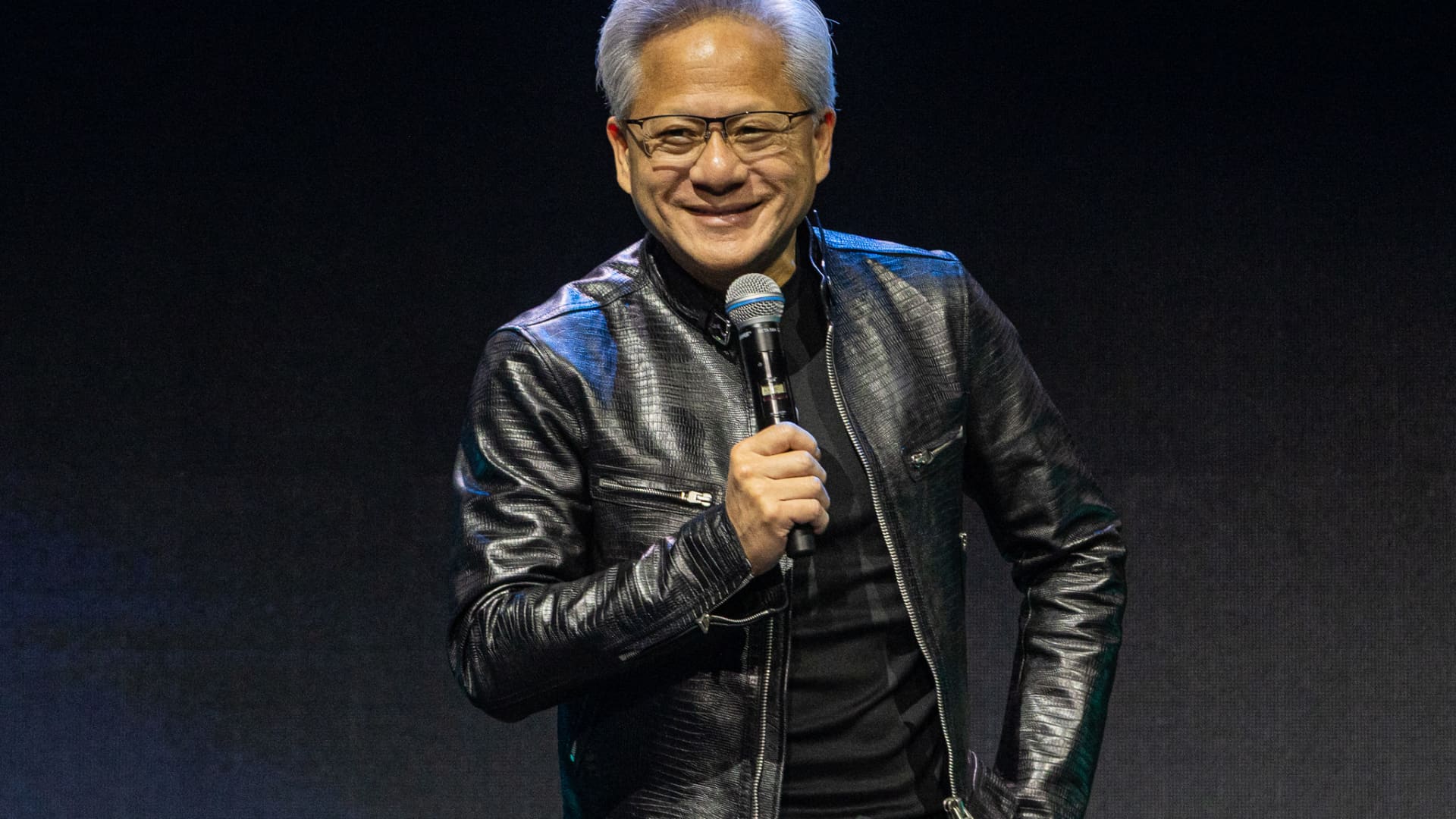
- Market Milestones: The S&P 500 reached another record close as traders absorbed tech headlines from the Computex conference in Taipei, reflecting strong investor confidence in the AI sector and signaling a potential influx of capital into major tech firms.
- Nvidia's Influence: CEO Jensen Huang's announcement of new PC processors developed with Microsoft at the conference led to a 32% surge in Marvell's stock, highlighting Huang's market influence and the potential for guiding future tech investments.
- Geopolitical Risks: Despite ongoing optimism in the AI space, geopolitical tensions, particularly the unresolved conflict between the U.S. and Iran, pose a risk to market sentiment, necessitating vigilance among investors.
- Oil Price Fluctuations: West Texas Intermediate futures rose over 1% to $94.81 per barrel due to potential disruptions in the Strait of Hormuz, indicating market sensitivity to geopolitical risks that could impact future energy investment strategies.
See More

Stanley Black & Decker and UPS: Turnaround Opportunities


- Stanley Black & Decker's Transformation Progress: After an aggressive acquisition phase, Stanley Black & Decker is addressing a net debt to adjusted EBITDA ratio of 5.9x by selling non-core assets and streamlining operations, with adjusted gross margins expected to rise to 33%-34% by the second half of 2026, indicating positive transformation outcomes.
- Dividend King’s Ongoing Returns: Despite a 60% stock price drop over the past five years, Stanley Black & Decker has maintained a dividend growth streak of over 50 years, with a current yield of 4.1%, making it a potential long-term hold for investors, especially as the market has yet to fully recognize its turnaround progress.
- UPS's Business Turnaround: While not a Dividend King, UPS has generally increased its dividend since its IPO in 1999, currently yielding 6.1%, with management indicating a goal to maintain dividends in 2026, suggesting an anticipated inflection point in business performance in the second half of the year, making it suitable for long-term investment.
- Growing Demand in the Digital Age: UPS is streamlining operations and upgrading technology to meet market challenges, and while revenues have declined, revenue per piece in the U.S. market is rising, indicating a positive shift towards more profitable business models, positioning the company to capitalize on the growing demand for package delivery in the digital era.
See More

UPS and Stanley Black & Decker's Turnaround Opportunities
- Industry Giants' Transformation: UPS and Stanley Black & Decker are undergoing business overhauls, and while their current financial performance is weak, both companies are achieving early success in cost-cutting and focusing on profitable segments, indicating potential for long-term investors.
- Dividend Appeal: UPS's dividend yield has risen to 6.4%, while Stanley Black & Decker's stands at 4.2%, both at historical highs, attracting income-seeking investors and reflecting market skepticism about their future growth prospects.
- Signs of Revenue Growth: Despite an overall revenue decline, UPS has seen its revenue per piece in the U.S. market increase for several consecutive quarters, indicating that the company is improving profit margins by reducing low-margin customer volumes, suggesting solid progress in its turnaround.
- Delayed Market Reaction: Although Stanley Black & Decker has improved its gross margin and reduced leverage, Wall Street remains cautious due to short-term inflation and tariff concerns, failing to recognize the potential value of these companies in a timely manner.
See More

UPS and Stanley Black & Decker's Turnaround Prospects
- Attractive Yields: UPS currently offers a 6.4% dividend yield while Stanley Black & Decker provides a 4.2% yield, indicating that long-term investors may find these high-yield stocks appealing during market downturns, especially as both companies undergo business turnarounds.
- Early Signs of Success: UPS has seen its revenue per piece in the U.S. market increase for several consecutive quarters despite overall revenue declines, suggesting that the company is improving profit margins by reducing the volume of packages from low-margin customers, laying a foundation for future profitability.
- Cost-Cutting Strategies: Both companies are focused on slimming down and cutting costs, with Stanley Black & Decker making progress in reducing leverage; although the market remains cautious about short-term challenges, this strategy will enhance financial stability in the long run.
- Market's Tepid Response: Despite early signs of success in the turnarounds of UPS and Stanley Black & Decker, Wall Street's indifferent reaction may lead investors to miss out on capital appreciation opportunities over the next decade, particularly given both companies' strong brands and customer relationships.
See More

UPS Invests Nearly $50M to Enhance Supply Chains for Automotive Sector
- Network Upgrade Investment: UPS announced a nearly $50 million investment aimed at upgrading its network and creating dedicated industry teams to assist North American automotive and industrial manufacturers in building more resilient and precise supply chains, thereby enhancing overall operational efficiency.
- Air Freight Capability Expansion: UPS plans to launch time-definite heavy air freight service to and from Mexico for the first time, offering 1-day, 2-day, and 3-day shipping options starting in August, which is expected to accelerate the transport of high-value, time-sensitive parts while reducing border delays.
- Modernization of Network: This investment will further drive UPS's network modernization, including competitive less-than-truckload shipping options for loads over 150 pounds and expanded early delivery capabilities that allow more U.S. businesses to receive shipments by 10:30 a.m. the next day.
- Automation and Visibility Enhancements: UPS has achieved broader automation and RFID-enabled visibility across 67.5% of its facilities, improving overall logistics transparency and meeting customer demands for efficient logistics solutions.
See More

UPS Invests $50 Million to Enhance Supply Chain Capabilities
- Network Investment: UPS announced a nearly $50 million investment to enhance its network capabilities, focusing on the needs of automotive and industrial manufacturers, thereby improving resilience and precision in complex supply chains, ensuring smooth operations amid automation and geopolitical pressures.
- Air Freight Expansion: UPS expands its North American Air Freight capabilities by introducing time-definite heavy air freight service to and from Mexico for the first time, covering all of North America to support production-critical supply chains, reducing transport handoffs and improving delivery efficiency.
- Diverse Service Options: Starting in August, NAAF will offer 1-, 2-, and 3-day service options, enabling manufacturers to move high-value, time-sensitive parts with greater speed and predictability, thus reducing border delays and enhancing confidence in production line operations.
- Dedicated Industry Teams: UPS has established a dedicated team of over 300 experts in automotive and industrial manufacturing, combining network investment with expertise to help customers modernize and manage complex global supply chains more swiftly, thereby enhancing market competitiveness.
See More
AI Momentum Drives Wall Street to New Heights
- Market Milestones: The S&P 500 reached another record close as traders absorbed tech headlines from the Computex conference in Taipei, reflecting strong investor confidence in the AI sector and signaling a potential influx of capital into major tech firms.
- Nvidia's Influence: CEO Jensen Huang's announcement of new PC processors developed with Microsoft at the conference led to a 32% surge in Marvell's stock, highlighting Huang's market influence and the potential for guiding future tech investments.
- Geopolitical Risks: Despite ongoing optimism in the AI space, geopolitical tensions, particularly the unresolved conflict between the U.S. and Iran, pose a risk to market sentiment, necessitating vigilance among investors.
- Oil Price Fluctuations: West Texas Intermediate futures rose over 1% to $94.81 per barrel due to potential disruptions in the Strait of Hormuz, indicating market sensitivity to geopolitical risks that could impact future energy investment strategies.
See More
Stanley Black & Decker and UPS: Turnaround Opportunities
- Stanley Black & Decker's Transformation Progress: After an aggressive acquisition phase, Stanley Black & Decker is addressing a net debt to adjusted EBITDA ratio of 5.9x by selling non-core assets and streamlining operations, with adjusted gross margins expected to rise to 33%-34% by the second half of 2026, indicating positive transformation outcomes.
- Dividend King’s Ongoing Returns: Despite a 60% stock price drop over the past five years, Stanley Black & Decker has maintained a dividend growth streak of over 50 years, with a current yield of 4.1%, making it a potential long-term hold for investors, especially as the market has yet to fully recognize its turnaround progress.
- UPS's Business Turnaround: While not a Dividend King, UPS has generally increased its dividend since its IPO in 1999, currently yielding 6.1%, with management indicating a goal to maintain dividends in 2026, suggesting an anticipated inflection point in business performance in the second half of the year, making it suitable for long-term investment.
- Growing Demand in the Digital Age: UPS is streamlining operations and upgrading technology to meet market challenges, and while revenues have declined, revenue per piece in the U.S. market is rising, indicating a positive shift towards more profitable business models, positioning the company to capitalize on the growing demand for package delivery in the digital era.
See More
UPS and Stanley Black & Decker's Turnaround Opportunities
- Industry Giants' Transformation: UPS and Stanley Black & Decker are undergoing business overhauls, and while their current financial performance is weak, both companies are achieving early success in cost-cutting and focusing on profitable segments, indicating potential for long-term investors.
- Dividend Appeal: UPS's dividend yield has risen to 6.4%, while Stanley Black & Decker's stands at 4.2%, both at historical highs, attracting income-seeking investors and reflecting market skepticism about their future growth prospects.
- Signs of Revenue Growth: Despite an overall revenue decline, UPS has seen its revenue per piece in the U.S. market increase for several consecutive quarters, indicating that the company is improving profit margins by reducing low-margin customer volumes, suggesting solid progress in its turnaround.
- Delayed Market Reaction: Although Stanley Black & Decker has improved its gross margin and reduced leverage, Wall Street remains cautious due to short-term inflation and tariff concerns, failing to recognize the potential value of these companies in a timely manner.
See More
UPS and Stanley Black & Decker's Turnaround Prospects
- Attractive Yields: UPS currently offers a 6.4% dividend yield while Stanley Black & Decker provides a 4.2% yield, indicating that long-term investors may find these high-yield stocks appealing during market downturns, especially as both companies undergo business turnarounds.
- Early Signs of Success: UPS has seen its revenue per piece in the U.S. market increase for several consecutive quarters despite overall revenue declines, suggesting that the company is improving profit margins by reducing the volume of packages from low-margin customers, laying a foundation for future profitability.
- Cost-Cutting Strategies: Both companies are focused on slimming down and cutting costs, with Stanley Black & Decker making progress in reducing leverage; although the market remains cautious about short-term challenges, this strategy will enhance financial stability in the long run.
- Market's Tepid Response: Despite early signs of success in the turnarounds of UPS and Stanley Black & Decker, Wall Street's indifferent reaction may lead investors to miss out on capital appreciation opportunities over the next decade, particularly given both companies' strong brands and customer relationships.
See More
UPS Invests Nearly $50M to Enhance Supply Chains for Automotive Sector
- Network Upgrade Investment: UPS announced a nearly $50 million investment aimed at upgrading its network and creating dedicated industry teams to assist North American automotive and industrial manufacturers in building more resilient and precise supply chains, thereby enhancing overall operational efficiency.
- Air Freight Capability Expansion: UPS plans to launch time-definite heavy air freight service to and from Mexico for the first time, offering 1-day, 2-day, and 3-day shipping options starting in August, which is expected to accelerate the transport of high-value, time-sensitive parts while reducing border delays.
- Modernization of Network: This investment will further drive UPS's network modernization, including competitive less-than-truckload shipping options for loads over 150 pounds and expanded early delivery capabilities that allow more U.S. businesses to receive shipments by 10:30 a.m. the next day.
- Automation and Visibility Enhancements: UPS has achieved broader automation and RFID-enabled visibility across 67.5% of its facilities, improving overall logistics transparency and meeting customer demands for efficient logistics solutions.
See More
UPS Invests $50 Million to Enhance Supply Chain Capabilities
- Network Investment: UPS announced a nearly $50 million investment to enhance its network capabilities, focusing on the needs of automotive and industrial manufacturers, thereby improving resilience and precision in complex supply chains, ensuring smooth operations amid automation and geopolitical pressures.
- Air Freight Expansion: UPS expands its North American Air Freight capabilities by introducing time-definite heavy air freight service to and from Mexico for the first time, covering all of North America to support production-critical supply chains, reducing transport handoffs and improving delivery efficiency.
- Diverse Service Options: Starting in August, NAAF will offer 1-, 2-, and 3-day service options, enabling manufacturers to move high-value, time-sensitive parts with greater speed and predictability, thus reducing border delays and enhancing confidence in production line operations.
- Dedicated Industry Teams: UPS has established a dedicated team of over 300 experts in automotive and industrial manufacturing, combining network investment with expertise to help customers modernize and manage complex global supply chains more swiftly, thereby enhancing market competitiveness.
See More