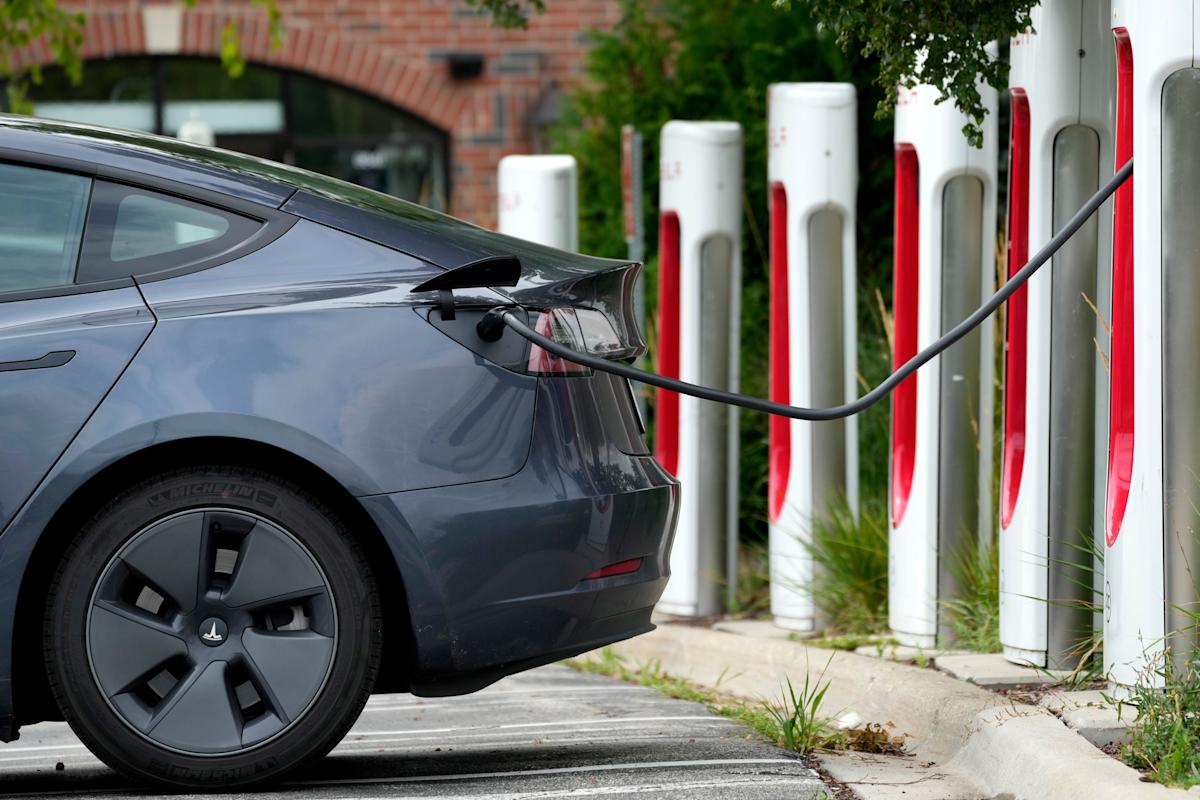
Comparison of Rivian and Lucid's EV Development
Written by Emily J. Thompson, Senior Investment Analyst
Updated: 1 hour ago
0mins
Should l Buy RIVN?
Source: NASDAQ.COM
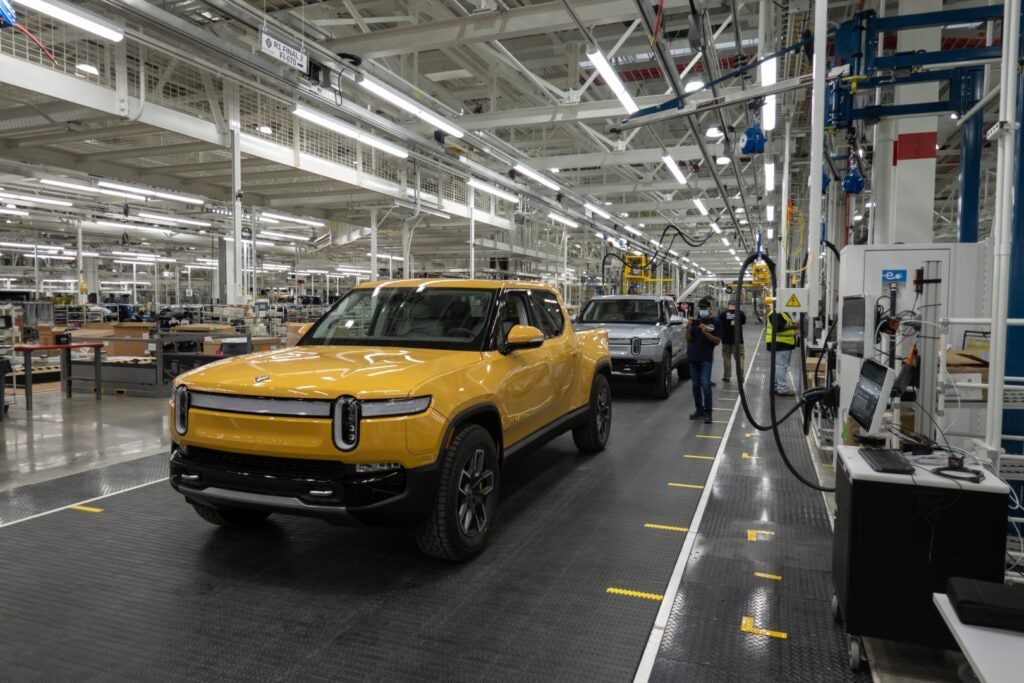
- Rivian's New Model Launch: Rivian plans to introduce a lower-cost truck in 2026 aimed at broadening brand appeal, although its production of over 42,000 vehicles in 2025 still pales in comparison to Tesla's 1.6 million, highlighting both potential and challenges in market competition.
- Lucid's Production Bottlenecks: Lucid's cost of revenue exceeded revenue by over $1 billion in 2025, and it missed production targets again in Q1 2026 due to supplier issues, reflecting significant challenges in operational efficiency and market adaptability.
- Profitability Comparison: Rivian has achieved gross profit, indicating that its sales revenue exceeds production costs, while Lucid continues to face ongoing losses, showcasing a stark contrast in profitability and positioning Rivian further along the path to sustainable profitability.
- Investment Risk Assessment: While Rivian appears to be ahead of Lucid in development, both remain money-losing start-ups, posing high investment risks, particularly for risk-averse investors who must carefully evaluate the feasibility of their long-term profitability.
Trade with 70% Backtested Accuracy
Stop guessing "Should I Buy RIVN?" and start using high-conviction signals backed by rigorous historical data.
Sign up today to access powerful investing tools and make smarter, data-driven decisions.
Analyst Views on RIVN
Wall Street analysts forecast RIVN stock price to rise
18 Analyst Rating
8 Buy
7 Hold
3 Sell
Moderate Buy
Current: 16.950

Low
10.00
Averages
17.78
High
25.00
Current: 16.950
Low
10.00
Averages
17.78
High
25.00
About RIVN
Rivian Automotive, Inc. is an automotive technology company, which is engaged in developing and manufacturing category-defining electric vehicles (EVs) as well as vertically integrated technologies and services. The Company's R1 platform consists of two vehicles: the R1T, a two-row five-passenger pickup truck, and the R1S, a three-row seven-passenger sport utility vehicle (SUV). In the commercial market, the Company offers a Rivian Commercial Vehicle (RCV) platform. The vehicle on this platform is the Electric Delivery Van (EDV), designed and engineered by Rivian in collaboration with Amazon. The Company also offers FleetOS, its proprietary, end-to-end centralized fleet management subscription platform. It also offers a variety of services, including vehicle repair and maintenance, financing, insurance, joint venture, software subscriptions, and vehicle accessories, among others. Its other services include vehicle electrical architecture and software development services, and more.
About the author

Emily J. Thompson
Emily J. Thompson, a Chartered Financial Analyst (CFA) with 12 years in investment research, graduated with honors from the Wharton School. Specializing in industrial and technology stocks, she provides in-depth analysis for Intellectia’s earnings and market brief reports.

Rivian vs. Lucid: EV Start-Up Profitability Comparison


- Intensifying Market Competition: Rivian and Lucid, as electric vehicle start-ups, face fierce competition from industry giants like Tesla, which produced over 1.6 million vehicles in 2025, while Rivian and Lucid combined produced only about 60,000, highlighting a significant market share gap.
- Production Scale Differences: Rivian has achieved scale production and plans to introduce a more appealing lower-priced truck in 2026; despite a gross margin of -276.59%, it has turned a gross profit, indicating potential for a transition to profitability as sales exceed production costs.
- Lucid's Challenges: Lucid's cost of revenue exceeded its revenue by over $1 billion in 2025, and it has repeatedly missed production targets, with the latest setback occurring in Q1 2026 due to supplier issues, reflecting its operational inefficiencies and market adaptability shortcomings.
- Investment Risk Assessment: While Rivian appears to be further along in development, both companies are money-losing start-ups with profitability goals still far off, making them unsuitable for risk-averse investors; however, Rivian seems to present a more attractive investment compared to Lucid, albeit with caution advised regarding risks.
See More

Comparison of Rivian and Lucid's EV Development
- Rivian's New Model Launch: Rivian plans to introduce a lower-cost truck in 2026 aimed at broadening brand appeal, although its production of over 42,000 vehicles in 2025 still pales in comparison to Tesla's 1.6 million, highlighting both potential and challenges in market competition.
- Lucid's Production Bottlenecks: Lucid's cost of revenue exceeded revenue by over $1 billion in 2025, and it missed production targets again in Q1 2026 due to supplier issues, reflecting significant challenges in operational efficiency and market adaptability.
- Profitability Comparison: Rivian has achieved gross profit, indicating that its sales revenue exceeds production costs, while Lucid continues to face ongoing losses, showcasing a stark contrast in profitability and positioning Rivian further along the path to sustainable profitability.
- Investment Risk Assessment: While Rivian appears to be ahead of Lucid in development, both remain money-losing start-ups, posing high investment risks, particularly for risk-averse investors who must carefully evaluate the feasibility of their long-term profitability.
See More
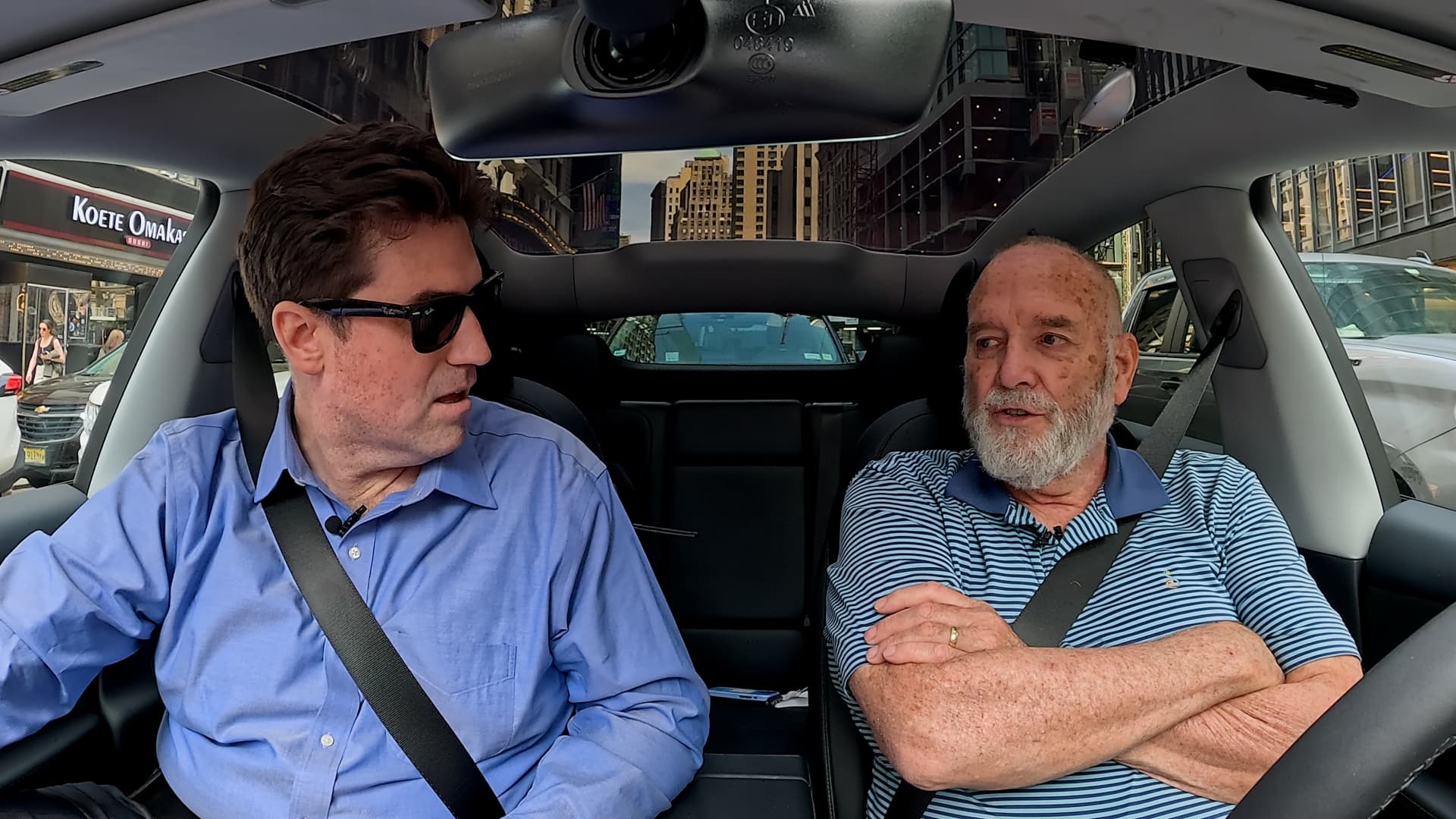
Tesla's In-Car AI Assistant Grok: Usage and Risks
- Usage of AI Assistant Grok: Tesla owner Mike Nelson has been using xAI's Grok chatbot in New York City, finding it entertaining and informative during drives, but he also notes it increases distraction risks, particularly in complex urban settings.
- Risks of FSD System: Tesla's Full Self-Driving (FSD) system, priced at $99 per month, offers partial automation but requires driver attention; Nelson highlights that using Grok may exacerbate these risks while driving.
- Safety Investigations: The National Highway Traffic Safety Administration has initiated multiple investigations into Tesla's FSD system due to several accidents, including a fatal crash in 2023, underscoring the serious implications of distracted driving.
- Technical Limitations and Controversies: Grok sometimes provides incorrect answers to user queries, and its NSFW mode has raised concerns among parents; Tesla has not commented on these issues, reflecting the tension between technological innovation and user safety.
See More
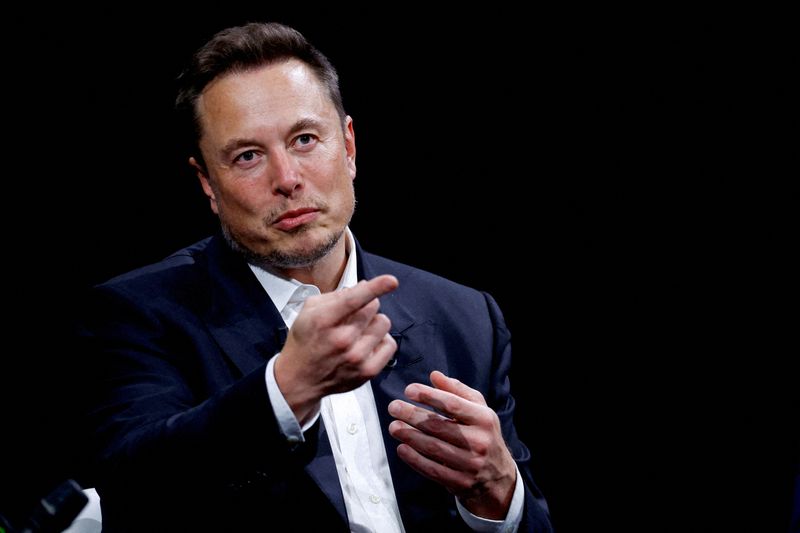
Tesla Owner's Experience with AI Assistant Grok Raises Concerns
- Attractive AI Assistant: Tesla owner Mike Nelson finds Grok nearly irresistible during drives, highlighting the potential of AI assistants to enhance driving experiences, despite his background representing Tesla owners in over 10 lawsuits, raising concerns about safety.
- Driving Safety Risks: While using Tesla's Full Self-Driving system, Nelson notes that Grok may exacerbate distraction risks, particularly in chaotic environments like New York City, potentially leading to decreased attention to surroundings and increased accident risks.
- Functionality Limitations: Although Grok offers various features, Nelson experiences inconsistencies in its responses regarding seat and climate control adjustments, indicating limitations in the AI assistant's practical application that could undermine user trust.
- Content Regulation Issues: Grok's NSFW mode has raised concerns among parents, especially regarding minors accessing inappropriate content, with Tesla yet to respond, highlighting the tension between technological advancement and user safety.
See More
Stellantis to Focus Investment on Core Brands
- Strategic Restructuring: Stellantis plans to focus its investment on core brands like Jeep, Ram, Peugeot, and Fiat in a strategic plan to be announced in May, with a 'material increase' in funding aimed at enhancing competitiveness in the U.S. and European markets.
- Brand Consolidation Strategy: The company will regionalize lower-volume brands, leveraging technology from core brands to develop new models, thereby increasing market share and reducing the dilution of internal investments, which enhances overall operational efficiency.
- Market Share Challenges: Stellantis faces intense competition from Chinese automakers, particularly in Europe and emerging markets, and recently booked a €22.2 billion charge due to adjustments in its electric vehicle plans, highlighting the pressures it faces during its transformation.
- Investor Confidence Fluctuations: With the company's valuation dropping to around €21 billion, close to the market value of EV startup Rivian, some investors have suggested shutting down overlapping brands to save costs; however, new CEO Filosa believes these brands still hold potential in specific markets.
See More

Market Update: Analysis of Key Company Performances

- Critical Metals Insight: Critical Metals suggests that to invest in the sector, one must buy MP Materials, indicating a reliance on industry leaders that could influence investor choices and market dynamics.
- SoundHound AI Exit Strategy: SoundHound AI has stated it will not participate in certain businesses, reflecting a reevaluation of its future strategy, which may raise investor concerns about its long-term growth potential.
- Dave's Product Shift: Dave plans to sell its fintech business to focus on energy bars, indicating a significant shift in market positioning that could affect its brand image and market share.
- Rivian's Quarterly Performance: Rivian Automotive expressed surprise at its last quarter's performance, believing the company is on track for profitability, which could boost investor confidence and drive stock price increases.
See More
Rivian vs. Lucid: EV Start-Up Profitability Comparison
- Intensifying Market Competition: Rivian and Lucid, as electric vehicle start-ups, face fierce competition from industry giants like Tesla, which produced over 1.6 million vehicles in 2025, while Rivian and Lucid combined produced only about 60,000, highlighting a significant market share gap.
- Production Scale Differences: Rivian has achieved scale production and plans to introduce a more appealing lower-priced truck in 2026; despite a gross margin of -276.59%, it has turned a gross profit, indicating potential for a transition to profitability as sales exceed production costs.
- Lucid's Challenges: Lucid's cost of revenue exceeded its revenue by over $1 billion in 2025, and it has repeatedly missed production targets, with the latest setback occurring in Q1 2026 due to supplier issues, reflecting its operational inefficiencies and market adaptability shortcomings.
- Investment Risk Assessment: While Rivian appears to be further along in development, both companies are money-losing start-ups with profitability goals still far off, making them unsuitable for risk-averse investors; however, Rivian seems to present a more attractive investment compared to Lucid, albeit with caution advised regarding risks.
See More
Comparison of Rivian and Lucid's EV Development
- Rivian's New Model Launch: Rivian plans to introduce a lower-cost truck in 2026 aimed at broadening brand appeal, although its production of over 42,000 vehicles in 2025 still pales in comparison to Tesla's 1.6 million, highlighting both potential and challenges in market competition.
- Lucid's Production Bottlenecks: Lucid's cost of revenue exceeded revenue by over $1 billion in 2025, and it missed production targets again in Q1 2026 due to supplier issues, reflecting significant challenges in operational efficiency and market adaptability.
- Profitability Comparison: Rivian has achieved gross profit, indicating that its sales revenue exceeds production costs, while Lucid continues to face ongoing losses, showcasing a stark contrast in profitability and positioning Rivian further along the path to sustainable profitability.
- Investment Risk Assessment: While Rivian appears to be ahead of Lucid in development, both remain money-losing start-ups, posing high investment risks, particularly for risk-averse investors who must carefully evaluate the feasibility of their long-term profitability.
See More
Tesla's In-Car AI Assistant Grok: Usage and Risks
- Usage of AI Assistant Grok: Tesla owner Mike Nelson has been using xAI's Grok chatbot in New York City, finding it entertaining and informative during drives, but he also notes it increases distraction risks, particularly in complex urban settings.
- Risks of FSD System: Tesla's Full Self-Driving (FSD) system, priced at $99 per month, offers partial automation but requires driver attention; Nelson highlights that using Grok may exacerbate these risks while driving.
- Safety Investigations: The National Highway Traffic Safety Administration has initiated multiple investigations into Tesla's FSD system due to several accidents, including a fatal crash in 2023, underscoring the serious implications of distracted driving.
- Technical Limitations and Controversies: Grok sometimes provides incorrect answers to user queries, and its NSFW mode has raised concerns among parents; Tesla has not commented on these issues, reflecting the tension between technological innovation and user safety.
See More
Tesla Owner's Experience with AI Assistant Grok Raises Concerns
- Attractive AI Assistant: Tesla owner Mike Nelson finds Grok nearly irresistible during drives, highlighting the potential of AI assistants to enhance driving experiences, despite his background representing Tesla owners in over 10 lawsuits, raising concerns about safety.
- Driving Safety Risks: While using Tesla's Full Self-Driving system, Nelson notes that Grok may exacerbate distraction risks, particularly in chaotic environments like New York City, potentially leading to decreased attention to surroundings and increased accident risks.
- Functionality Limitations: Although Grok offers various features, Nelson experiences inconsistencies in its responses regarding seat and climate control adjustments, indicating limitations in the AI assistant's practical application that could undermine user trust.
- Content Regulation Issues: Grok's NSFW mode has raised concerns among parents, especially regarding minors accessing inappropriate content, with Tesla yet to respond, highlighting the tension between technological advancement and user safety.
See More
Stellantis to Focus Investment on Core Brands
- Strategic Restructuring: Stellantis plans to focus its investment on core brands like Jeep, Ram, Peugeot, and Fiat in a strategic plan to be announced in May, with a 'material increase' in funding aimed at enhancing competitiveness in the U.S. and European markets.
- Brand Consolidation Strategy: The company will regionalize lower-volume brands, leveraging technology from core brands to develop new models, thereby increasing market share and reducing the dilution of internal investments, which enhances overall operational efficiency.
- Market Share Challenges: Stellantis faces intense competition from Chinese automakers, particularly in Europe and emerging markets, and recently booked a €22.2 billion charge due to adjustments in its electric vehicle plans, highlighting the pressures it faces during its transformation.
- Investor Confidence Fluctuations: With the company's valuation dropping to around €21 billion, close to the market value of EV startup Rivian, some investors have suggested shutting down overlapping brands to save costs; however, new CEO Filosa believes these brands still hold potential in specific markets.
See More
Market Update: Analysis of Key Company Performances
- Critical Metals Insight: Critical Metals suggests that to invest in the sector, one must buy MP Materials, indicating a reliance on industry leaders that could influence investor choices and market dynamics.
- SoundHound AI Exit Strategy: SoundHound AI has stated it will not participate in certain businesses, reflecting a reevaluation of its future strategy, which may raise investor concerns about its long-term growth potential.
- Dave's Product Shift: Dave plans to sell its fintech business to focus on energy bars, indicating a significant shift in market positioning that could affect its brand image and market share.
- Rivian's Quarterly Performance: Rivian Automotive expressed surprise at its last quarter's performance, believing the company is on track for profitability, which could boost investor confidence and drive stock price increases.
See More