Comparing Defense Stocks: Lockheed Martin vs. RTX
Written by Emily J. Thompson, Senior Investment Analyst
Updated: 15 hours ago
0mins

Should l Buy LMT?
Source: Fool
- Market Position: Lockheed Martin, the largest U.S. defense contractor with a market cap of $148 billion, offers a diverse portfolio including aircraft and missiles, notably the F-35 fighter jet, which is the most expensive weapons program globally, driving long-term revenue growth.
- Financial Performance: Lockheed Martin's P/E ratio stands at 30, lower than RTX's 41, and its dividend yield of 2.1% surpasses RTX's 1.3%, indicating stronger shareholder returns, with over two decades of consistent dividend increases boosting investor confidence.
- Financial Stability: Lockheed Martin's leverage ratio of 2.3 is more favorable than RTX's 3.2, reflecting stronger financial health; both companies hold investment-grade credit ratings, but Lockheed Martin's A- rating exceeds RTX's BBB+.
- Industry Outlook: Given the escalating tensions in the Middle East, increased U.S. defense spending is anticipated, positioning both Lockheed Martin and RTX to benefit from rising military replenishment demands, thereby reinforcing their leadership in the defense sector.
Trade with 70% Backtested Accuracy
Stop guessing "Should I Buy LMT?" and start using high-conviction signals backed by rigorous historical data.
Sign up today to access powerful investing tools and make smarter, data-driven decisions.
Analyst Views on LMT
Wall Street analysts forecast LMT stock price to fall
12 Analyst Rating
4 Buy
7 Hold
1 Sell
Hold
Current: 645.200

Low
430.00
Averages
535.50
High
605.00
Current: 645.200
Low
430.00
Averages
535.50
High
605.00
About LMT
Lockheed Martin Corporation is a global aerospace and defense company. The Company is engaged in the research, design, development, manufacture, integration and sustainment of advanced technology systems, products and services. Its segments include Aeronautics, Missiles and Fire Control (MFC), Rotary and Mission Systems (RMS) and Space. Aeronautics segment is engaged in the research, design, development, manufacture, integration, sustainment, support and upgrade of advanced military aircraft. MFC segment provides air and missile defense systems, manned and unmanned ground vehicles, energy management solutions, and others. RMS segment designs, manufactures, services and supports various military and commercial helicopters, surface ships, sea and land-based missile defense systems, and others. Its Space segment is engaged in the research and design, development, engineering and production of satellites, space transportation systems, and strategic, advanced strike, and defensive systems.
About the author

Emily J. Thompson
Emily J. Thompson, a Chartered Financial Analyst (CFA) with 12 years in investment research, graduated with honors from the Wharton School. Specializing in industrial and technology stocks, she provides in-depth analysis for Intellectia’s earnings and market brief reports.
Greece Approves Military Capability Enhancement Plans

- Air Defense Acquisition: Greece's parliamentary committee approved the acquisition of a layered missile and counter-drone defense system valued at approximately €3 billion, with total project costs expected to reach €4 billion, aimed at enhancing national defense capabilities against regional security threats.
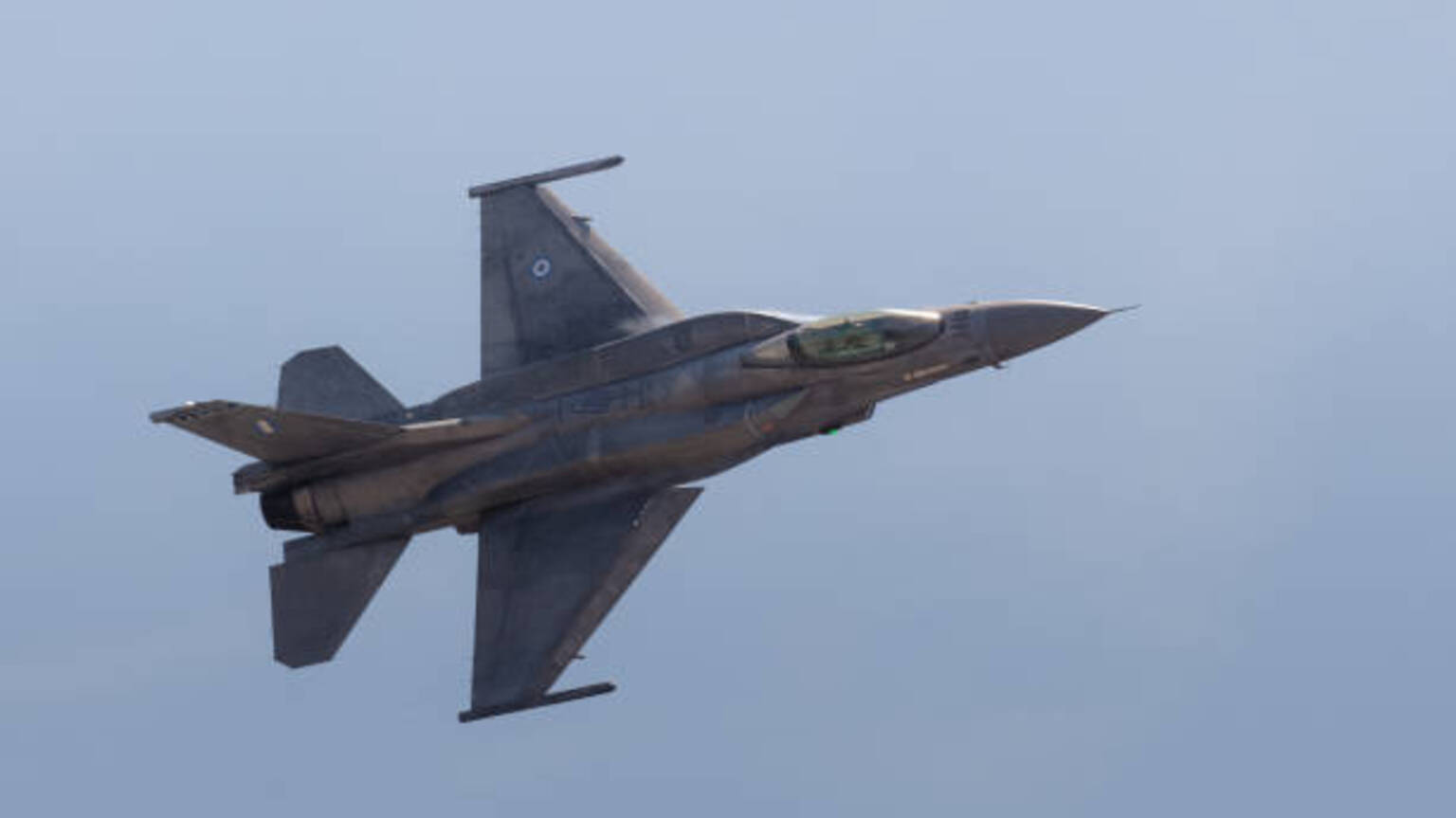
- Fighter Jet Modernization: The plan involves upgrading 38 older F-16 Block 50 jets from the 1990s to the more advanced 'Viper' configuration at a cost of about €1 billion, thereby enhancing the operational capabilities of the Greek Air Force.
- Long-term Military Investment: The Greek government plans to invest approximately €28 billion in military modernization by 2036, aimed at restoring defense capabilities post-financial crisis and maintaining strategic balance with Turkey, ensuring national security.
- Naval Project Approvals: During the same committee session, Greece also approved refurbishment plans for four MEKO 200 frigates and authorized a maintenance agreement for C-29J military transport aircraft, further strengthening naval and air force operational capabilities.
See More
Japan and US Sign Critical Minerals Agreement


- Investment Plans Advance: Japan is set to announce a second round of investments in the U.S. totaling 11 trillion yen (approximately $69.2 billion), which includes the construction of next-generation nuclear reactors and natural gas power plants, aiming to further solidify economic ties and enhance Japan's influence in the global energy market.
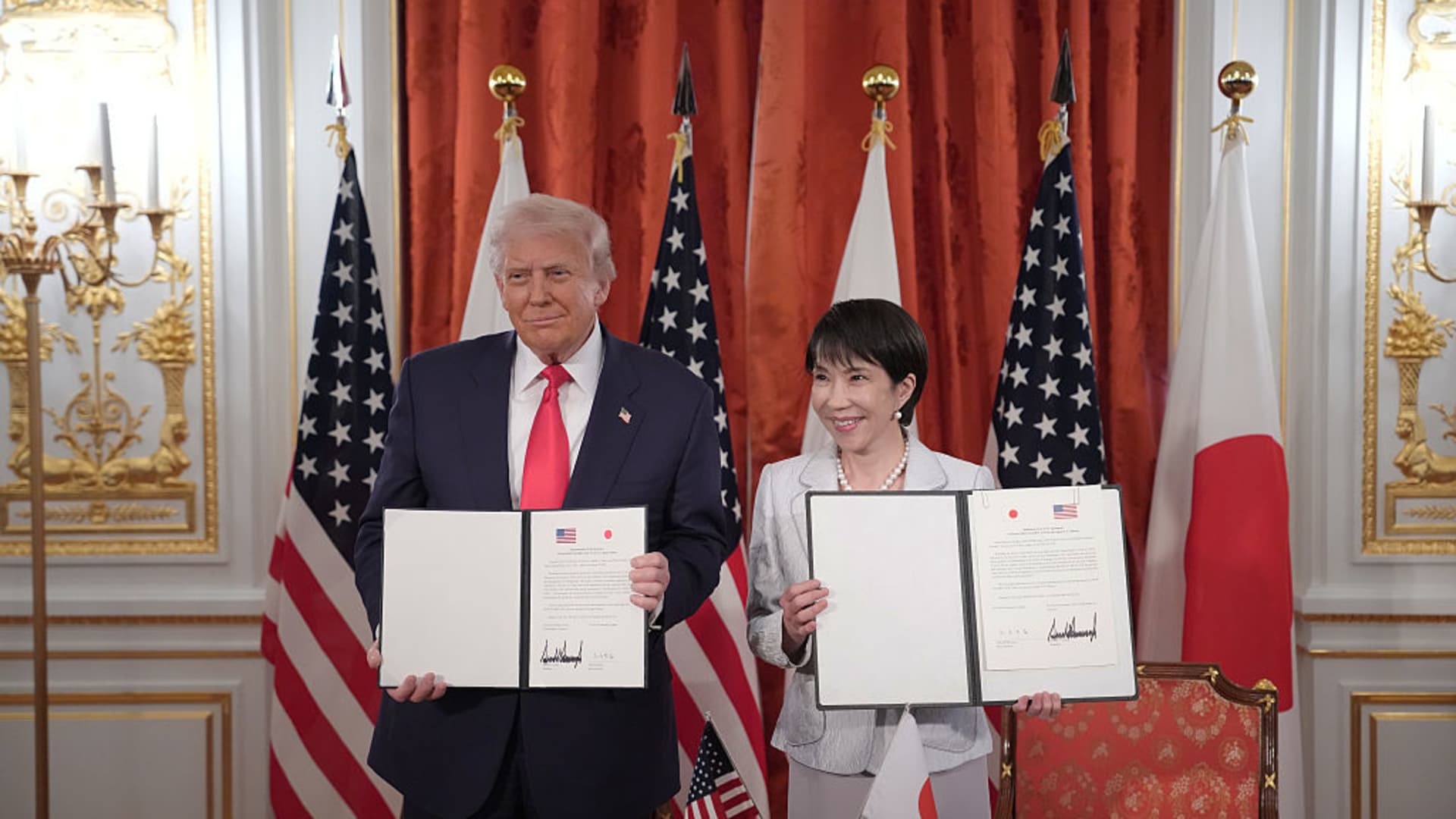
- Security Cooperation Discussions: During the meeting with Trump, while the Iran conflict will dominate the agenda, Prime Minister Takaichi will reaffirm the importance of the Japan-U.S. alliance, indicating Japan's commitment to maintaining security in the Indo-Pacific region despite domestic opposition to military involvement.
- Tariff Negotiation Outcomes: If Takaichi can secure assurances that Japan will not face higher tariffs under Trump's implemented mechanisms, it would be seen as a significant victory, helping to protect Japanese exports and strengthen its negotiating position with the U.S.
- Political Capital Considerations: Takaichi must carefully navigate domestic and international pressures when considering the deployment of Japanese Self-Defense Forces to the Middle East, ensuring that she does not jeopardize her political capital while seeking flexibility in diplomatic and logistical support to safeguard national interests.
See More
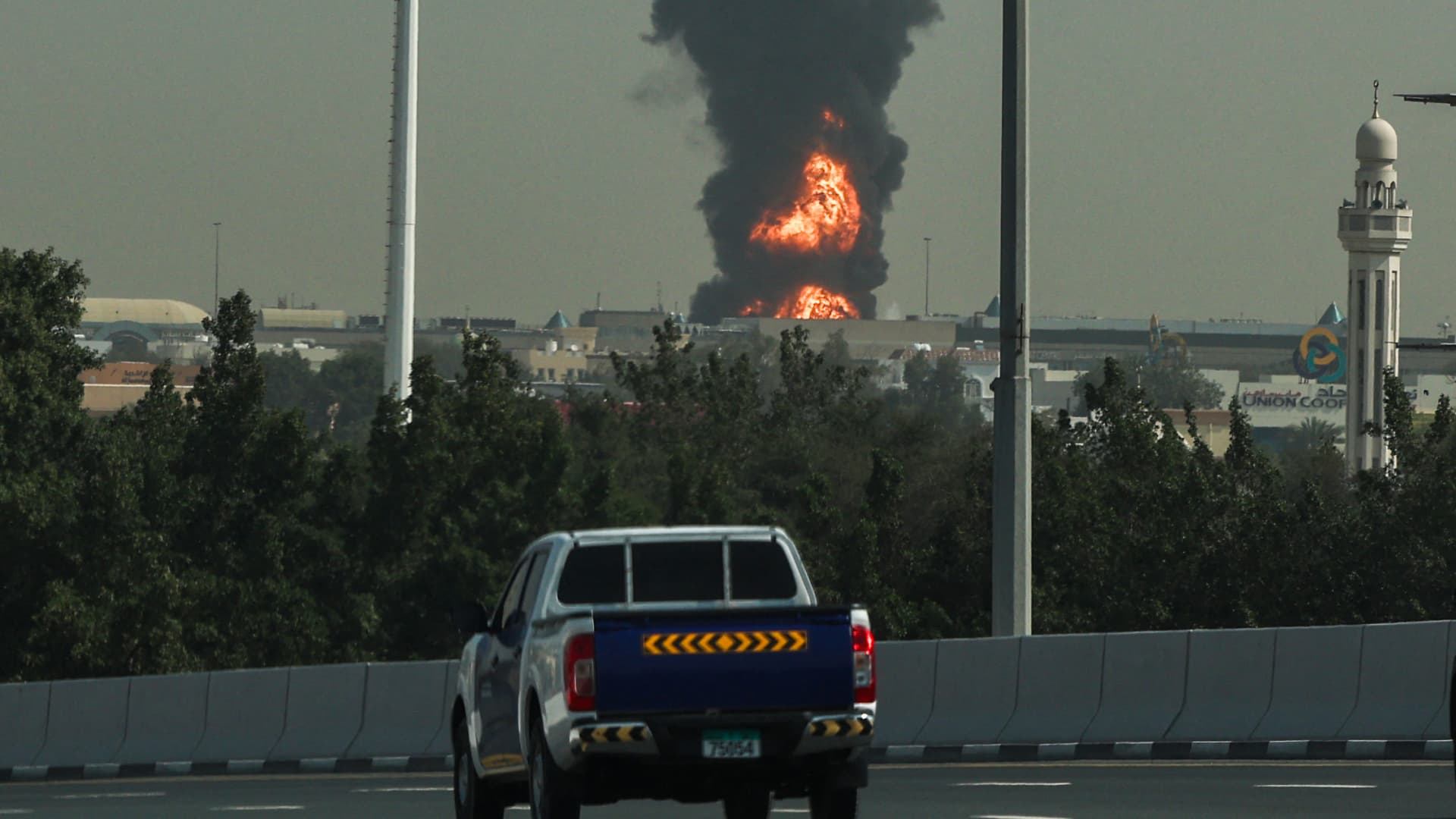
Iran Intensifies Attacks on U.S. and Israeli Assets Amid Ongoing Conflict

- Escalation of Retaliatory Attacks: The Iranian Revolutionary Guard Corps claims to have launched missile strikes on over 100 military and security targets within Israeli territory as revenge for the killing of security chief Ali Larijani, indicating a significant escalation in the ongoing conflict and heightened regional tensions.
- Multiple Attack Incidents: Iran's combined drone and missile attacks in Tel Aviv and central Israel resulted in two fatalities, further intensifying security threats for Israel, while drone strikes were also reported near the U.S. embassy in Baghdad, raising concerns over diplomatic safety.
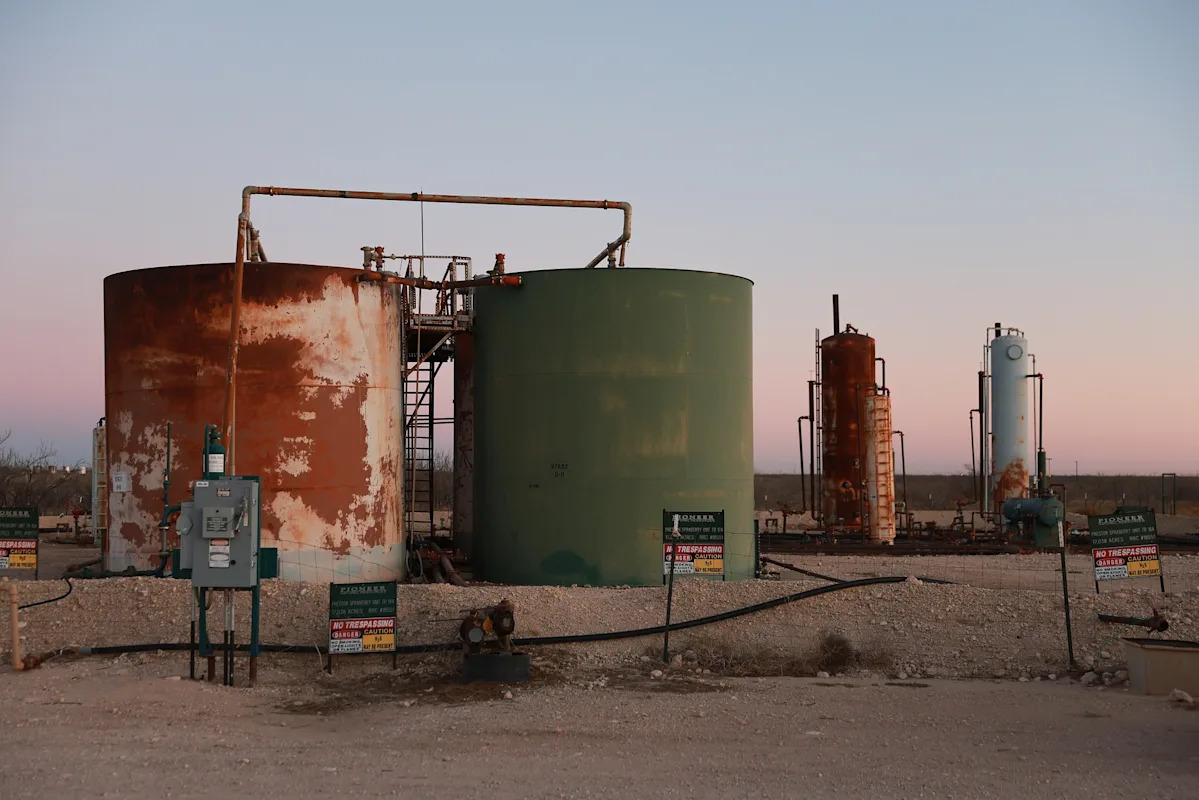
- Energy Security Risks: The U.S. military dropped 5,000-pound bombs on Iranian missile sites near the Strait of Hormuz to restore oil tanker passage, highlighting the critical importance of energy security in the region and the potential for further increases in global oil prices.
- International Diplomatic Efforts: Saudi Arabia is set to host a meeting of foreign ministers from various Arab and Muslim nations in Riyadh to discuss the ongoing conflict, reflecting regional countries' concerns and their intent to seek a collective response to the escalating situation.
See More
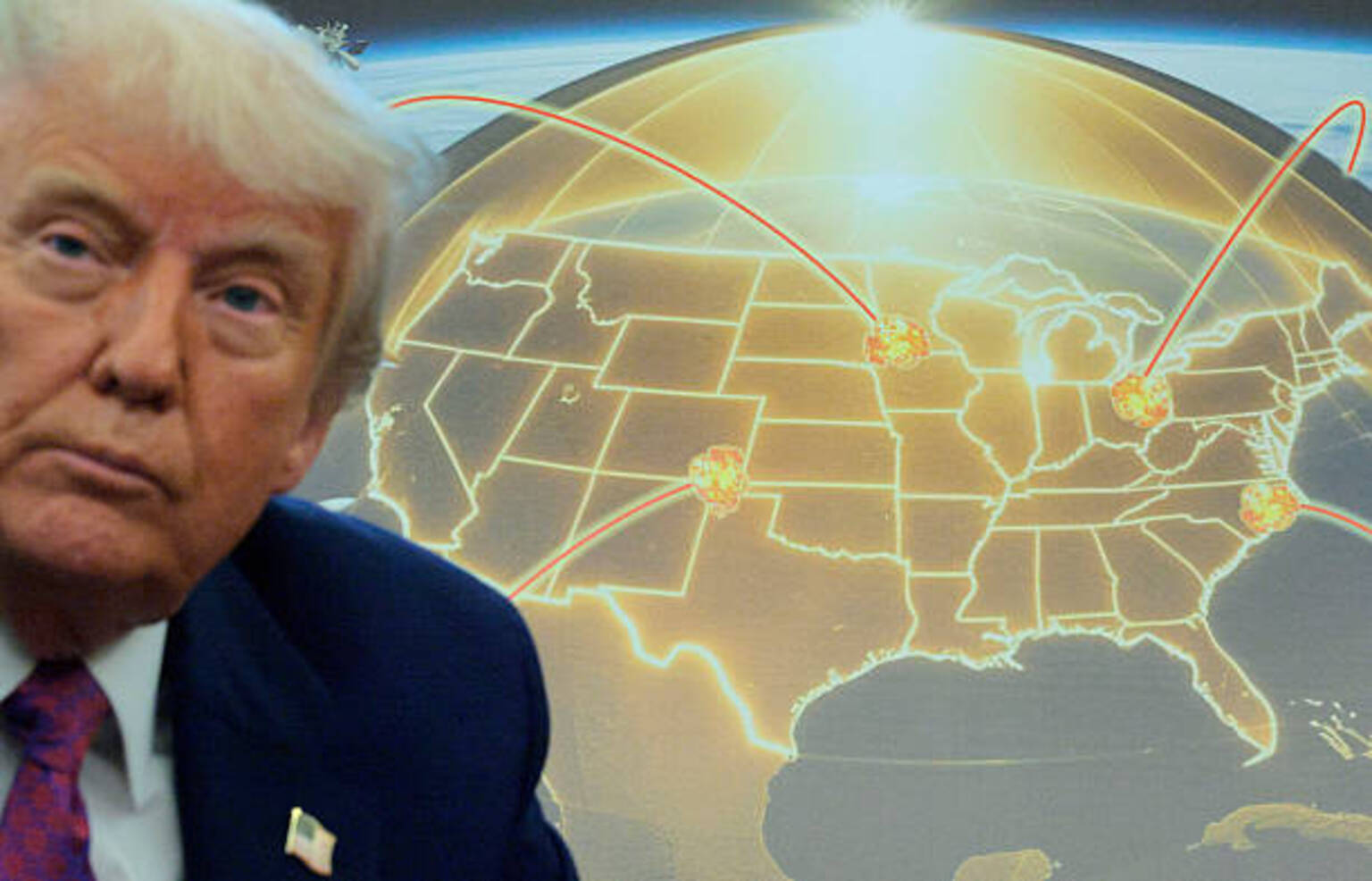
Pentagon's Golden Dome Missile Defense Cost Rises to $185 Billion

- Cost Increase: The projected cost of the Pentagon's Golden Dome missile defense initiative has risen to $185 billion, an increase of approximately $10 billion, reflecting the urgency to fast-track key space capabilities.
- Major Contractors: Major defense contractors including Lockheed Martin, RTX, and Northrop Grumman are now involved in the effort, aiming to expand existing ground-based defenses while adding significant space-based infrastructure.
- Core Program Acceleration: The additional funding will accelerate the development of several core programs, including the Advanced Missile Tracking Initiative and the Hypersonic and Ballistic Tracking Space Sensor (HBTSS), to counter adversaries' advancing hypersonic weapon capabilities.
- Technical Challenges: Despite progress, the feasibility of space-based interceptors remains the program's highest-risk element, with the development team exploring potential breakthroughs in directed energy systems and advanced artificial intelligence to reduce costs and enhance overall effectiveness.
See More
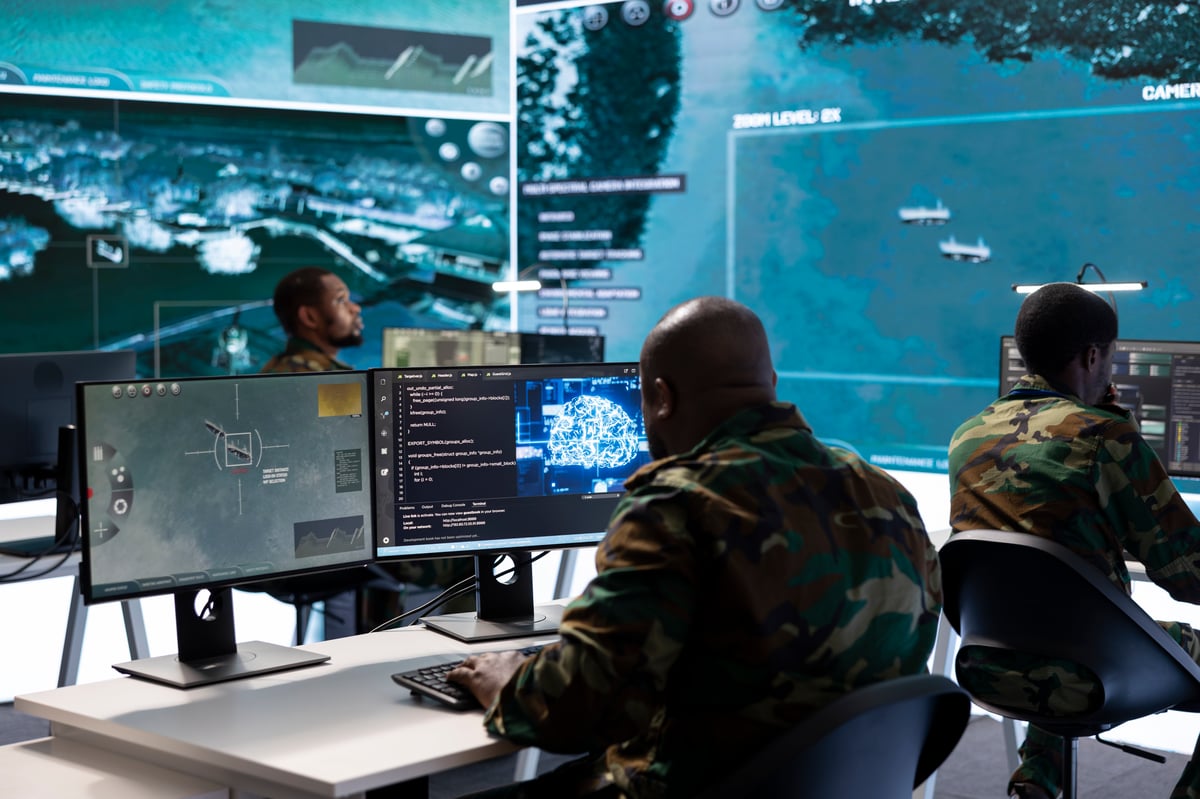
Comparing Defense Stocks: Lockheed Martin vs. RTX
- Market Position: Lockheed Martin, the largest U.S. defense contractor with a market cap of $148 billion, offers a diverse portfolio including aircraft and missiles, notably the F-35 fighter jet, which is the most expensive weapons program globally, driving long-term revenue growth.
- Financial Performance: Lockheed Martin's P/E ratio stands at 30, lower than RTX's 41, and its dividend yield of 2.1% surpasses RTX's 1.3%, indicating stronger shareholder returns, with over two decades of consistent dividend increases boosting investor confidence.
- Financial Stability: Lockheed Martin's leverage ratio of 2.3 is more favorable than RTX's 3.2, reflecting stronger financial health; both companies hold investment-grade credit ratings, but Lockheed Martin's A- rating exceeds RTX's BBB+.
- Industry Outlook: Given the escalating tensions in the Middle East, increased U.S. defense spending is anticipated, positioning both Lockheed Martin and RTX to benefit from rising military replenishment demands, thereby reinforcing their leadership in the defense sector.
See More
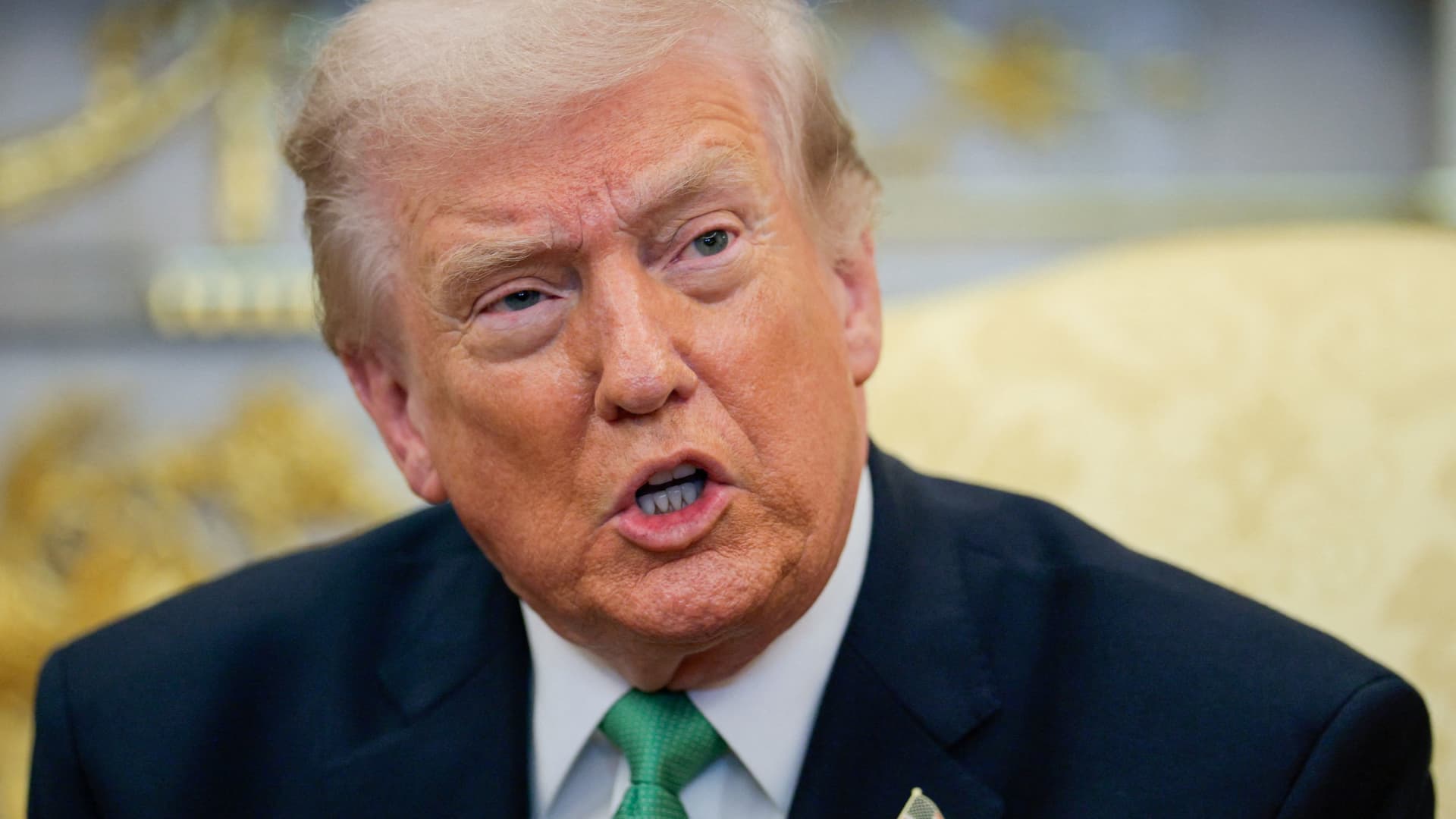
Trump Criticizes NATO Allies for Reluctance in Iran War
- Trump's NATO Criticism: During a meeting with the Irish Prime Minister, Trump criticized NATO allies for their reluctance to engage in the Iran war, labeling it a “foolish mistake,” which could strain U.S.-NATO relations further.
- U.S. Independence from NATO: Trump asserted that the U.S. does not require NATO's assistance in its military operations in Iran, claiming that recent military successes have made such support unnecessary, potentially diminishing NATO members' willingness to support U.S. initiatives.
- Oil Price Surge: Following Trump's remarks, oil prices rose sharply, indicating market skepticism regarding the likelihood of a multistate coalition reopening the vital Strait of Hormuz, which could destabilize global oil markets.
- Potential Delay in U.S.-China Summit: Trump suggested that his anticipated meeting with President Xi Jinping might be postponed, reflecting the complexities of international relations amid the Iran war and ongoing U.S. investigations into Chinese trade practices.
See More
Greece Approves Military Capability Enhancement Plans
- Air Defense Acquisition: Greece's parliamentary committee approved the acquisition of a layered missile and counter-drone defense system valued at approximately €3 billion, with total project costs expected to reach €4 billion, aimed at enhancing national defense capabilities against regional security threats.
- Fighter Jet Modernization: The plan involves upgrading 38 older F-16 Block 50 jets from the 1990s to the more advanced 'Viper' configuration at a cost of about €1 billion, thereby enhancing the operational capabilities of the Greek Air Force.
- Long-term Military Investment: The Greek government plans to invest approximately €28 billion in military modernization by 2036, aimed at restoring defense capabilities post-financial crisis and maintaining strategic balance with Turkey, ensuring national security.
- Naval Project Approvals: During the same committee session, Greece also approved refurbishment plans for four MEKO 200 frigates and authorized a maintenance agreement for C-29J military transport aircraft, further strengthening naval and air force operational capabilities.
See More
Japan and US Sign Critical Minerals Agreement
- Investment Plans Advance: Japan is set to announce a second round of investments in the U.S. totaling 11 trillion yen (approximately $69.2 billion), which includes the construction of next-generation nuclear reactors and natural gas power plants, aiming to further solidify economic ties and enhance Japan's influence in the global energy market.
- Security Cooperation Discussions: During the meeting with Trump, while the Iran conflict will dominate the agenda, Prime Minister Takaichi will reaffirm the importance of the Japan-U.S. alliance, indicating Japan's commitment to maintaining security in the Indo-Pacific region despite domestic opposition to military involvement.
- Tariff Negotiation Outcomes: If Takaichi can secure assurances that Japan will not face higher tariffs under Trump's implemented mechanisms, it would be seen as a significant victory, helping to protect Japanese exports and strengthen its negotiating position with the U.S.
- Political Capital Considerations: Takaichi must carefully navigate domestic and international pressures when considering the deployment of Japanese Self-Defense Forces to the Middle East, ensuring that she does not jeopardize her political capital while seeking flexibility in diplomatic and logistical support to safeguard national interests.
See More
Iran Intensifies Attacks on U.S. and Israeli Assets Amid Ongoing Conflict
- Escalation of Retaliatory Attacks: The Iranian Revolutionary Guard Corps claims to have launched missile strikes on over 100 military and security targets within Israeli territory as revenge for the killing of security chief Ali Larijani, indicating a significant escalation in the ongoing conflict and heightened regional tensions.
- Multiple Attack Incidents: Iran's combined drone and missile attacks in Tel Aviv and central Israel resulted in two fatalities, further intensifying security threats for Israel, while drone strikes were also reported near the U.S. embassy in Baghdad, raising concerns over diplomatic safety.
- Energy Security Risks: The U.S. military dropped 5,000-pound bombs on Iranian missile sites near the Strait of Hormuz to restore oil tanker passage, highlighting the critical importance of energy security in the region and the potential for further increases in global oil prices.
- International Diplomatic Efforts: Saudi Arabia is set to host a meeting of foreign ministers from various Arab and Muslim nations in Riyadh to discuss the ongoing conflict, reflecting regional countries' concerns and their intent to seek a collective response to the escalating situation.
See More
Pentagon's Golden Dome Missile Defense Cost Rises to $185 Billion
- Cost Increase: The projected cost of the Pentagon's Golden Dome missile defense initiative has risen to $185 billion, an increase of approximately $10 billion, reflecting the urgency to fast-track key space capabilities.
- Major Contractors: Major defense contractors including Lockheed Martin, RTX, and Northrop Grumman are now involved in the effort, aiming to expand existing ground-based defenses while adding significant space-based infrastructure.
- Core Program Acceleration: The additional funding will accelerate the development of several core programs, including the Advanced Missile Tracking Initiative and the Hypersonic and Ballistic Tracking Space Sensor (HBTSS), to counter adversaries' advancing hypersonic weapon capabilities.
- Technical Challenges: Despite progress, the feasibility of space-based interceptors remains the program's highest-risk element, with the development team exploring potential breakthroughs in directed energy systems and advanced artificial intelligence to reduce costs and enhance overall effectiveness.
See More
Comparing Defense Stocks: Lockheed Martin vs. RTX
- Market Position: Lockheed Martin, the largest U.S. defense contractor with a market cap of $148 billion, offers a diverse portfolio including aircraft and missiles, notably the F-35 fighter jet, which is the most expensive weapons program globally, driving long-term revenue growth.
- Financial Performance: Lockheed Martin's P/E ratio stands at 30, lower than RTX's 41, and its dividend yield of 2.1% surpasses RTX's 1.3%, indicating stronger shareholder returns, with over two decades of consistent dividend increases boosting investor confidence.
- Financial Stability: Lockheed Martin's leverage ratio of 2.3 is more favorable than RTX's 3.2, reflecting stronger financial health; both companies hold investment-grade credit ratings, but Lockheed Martin's A- rating exceeds RTX's BBB+.
- Industry Outlook: Given the escalating tensions in the Middle East, increased U.S. defense spending is anticipated, positioning both Lockheed Martin and RTX to benefit from rising military replenishment demands, thereby reinforcing their leadership in the defense sector.
See More
Trump Criticizes NATO Allies for Reluctance in Iran War
- Trump's NATO Criticism: During a meeting with the Irish Prime Minister, Trump criticized NATO allies for their reluctance to engage in the Iran war, labeling it a “foolish mistake,” which could strain U.S.-NATO relations further.
- U.S. Independence from NATO: Trump asserted that the U.S. does not require NATO's assistance in its military operations in Iran, claiming that recent military successes have made such support unnecessary, potentially diminishing NATO members' willingness to support U.S. initiatives.
- Oil Price Surge: Following Trump's remarks, oil prices rose sharply, indicating market skepticism regarding the likelihood of a multistate coalition reopening the vital Strait of Hormuz, which could destabilize global oil markets.
- Potential Delay in U.S.-China Summit: Trump suggested that his anticipated meeting with President Xi Jinping might be postponed, reflecting the complexities of international relations amid the Iran war and ongoing U.S. investigations into Chinese trade practices.
See More