Company Reports Q4 Revenue of $7.09B
Written by Emily J. Thompson, Senior Investment Analyst
Updated: Jan 30 2026
0mins
Should l Buy BBU?
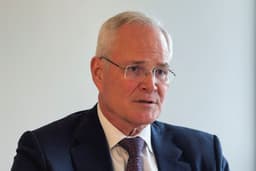
Reports Q4 revenue $7.09B vs.$7.43B last year. "We had a great year, generating over $2B from our capital recycling initiatives, investing $700M in four growth acquisitions and repurchasing $235M of our units and shares at a significant discount to intrinsic value," said Anuj Ranjan, CEO. "We are also nearing the completion of our corporate reorganization which should enhance global demand for our shares as we continue to progress our value creation and capital recycling plans to compound long-term growth for our investors."
Trade with 70% Backtested Accuracy
Stop guessing "Should I Buy BBU?" and start using high-conviction signals backed by rigorous historical data.
Sign up today to access powerful investing tools and make smarter, data-driven decisions.
Analyst Views on BBU
Wall Street analysts forecast BBU stock price to rise over the next 12 months. According to Wall Street analysts, the average 1-year price target for BBU is 37.41 USD with a low forecast of 30.23 USD and a high forecast of 43.00 USD. However, analyst price targets are subjective and often lag stock prices, so investors should focus on the objective reasons behind analyst rating changes, which better reflect the company's fundamentals.
3 Analyst Rating
3 Buy
0 Hold
0 Sell
Strong Buy
Current: 34.870

Low
30.23
Averages
37.41
High
43.00
Current: 34.870
Low
30.23
Averages
37.41
High
43.00
About BBU
Brookfield Business Partners L.P. is a Bermuda-based company that is focused on owning and operating businesses that provide essential products and services. Its sole direct investment is managing a general partnership interest in Brookfield Business L.P., through which it holds all its interests in its operating businesses. It has four operating segments: Business services, Infrastructure services, Industrials, and Corporate and other. Its business services segment includes a residential mortgage insurer, dealer software and technology services, healthcare services, non-bank financial services, and entertainment operation. Its infrastructure services segment includes services such as offshore oil, modular building leasing, and work access. Its industrials segment includes operations such as advanced energy storage, engineered components manufacturing, and water and wastewater. Its operations are located in the United States, the United Kingdom, Europe, Australia, Canada, and Brazil.
About the author

Emily J. Thompson
Emily J. Thompson, a Chartered Financial Analyst (CFA) with 12 years in investment research, graduated with honors from the Wharton School. Specializing in industrial and technology stocks, she provides in-depth analysis for Intellectia’s earnings and market brief reports.

Brookfield Business Partners Declares Quarterly Dividend
- Quarterly Dividend Announcement: Brookfield Business Partners L.P. declared a quarterly dividend of $0.0625 per share, maintaining the previous level, which demonstrates the company's stability and commitment to shareholder returns in the current economic climate.
- Yield Analysis: The forward yield of 0.71% reflects a cautious approach to capital returns, aimed at attracting long-term investors and bolstering market confidence in the company's financial health.
- Payment Date Confirmation: The dividend is payable on March 31, ensuring timely returns for shareholders and further solidifying trust between the company and its investors.
- Financial Transparency: The company provided a dividend scorecard, yield chart, and dividend growth information, enhancing investor understanding of its financial health and potentially improving market expectations for future performance.
See More

Brookfield Business Partners Reports Q4 Earnings
- Disappointing Earnings: Brookfield Business Partners L.P. reported a GAAP EPS of -$0.03 for Q4, indicating a significant decline in profitability and reflecting the market challenges and operational pressures the company is facing.
- Revenue Decline: The company's revenue for Q4 was $7.09 billion, down 4.6% year-over-year, suggesting a lack of revenue growth amid a competitive market environment, which could impact future investor confidence.
- Analyst Scrutiny: Following the earnings report, market concerns about Brookfield Business Partners' future performance have emerged, prompting analysts to reassess its position within investment portfolios, potentially leading to stock price volatility.
- Uncertain Outlook: Despite strong performance in previous quarters, the current financial data raises concerns about the company's future growth potential, necessitating close monitoring of subsequent strategic adjustments and market reactions.
See More
Brookfield Business Partners Set to Release Q4 Earnings
- Earnings Announcement Date: Brookfield Business Partners is set to announce its Q4 2023 earnings on January 29th after market close, with a consensus EPS estimate of -$0.15, indicating potential profitability challenges ahead.
- Historical Performance Review: Over the past year, BBU has beaten EPS estimates 50% of the time and revenue estimates 75% of the time, demonstrating a degree of resilience amid market fluctuations.
- Expectation Adjustments: In the last three months, there have been no upward revisions to EPS estimates, with one downward revision, suggesting a decline in analyst confidence regarding the company's future profitability.
- Market Attention: As the earnings report approaches, investor and analyst focus on Brookfield Business Partners is increasing, particularly against the backdrop of questions surrounding its performance as a Brookfield affiliate.
See More

Brookfield Asset Management Stock Pullback Boosts Dividend Yield to 3.4%

- Stable Dividend Growth: Brookfield Asset Management has consistently paid dividends quarterly since its spin-off in late 2022, with the current payout rising from $0.32 to nearly $0.44 per share, reflecting an annualized growth rate of nearly 11%, showcasing the company's commitment to shareholder returns.
- Strong Market Positioning: The infrastructure and renewable energy sectors managed by Brookfield are in rapid growth, highlighted by a 20-year electricity sales agreement with Alphabet, which is expected to drive future growth of 15% to 20%, further solidifying its market position.
- Investor Appeal: With the stock trading around $52, analysts suggest it remains a buy below $55, particularly given its attractive dividend yield and growth potential, appealing to income-focused investors seeking stability.
- Market Volatility Risks: Despite Brookfield's strong fundamentals, ongoing market weakness could lead to further declines in stock price, prompting investors to remain vigilant and avoid impulsive decisions due to short-term fluctuations.
See More

Brookfield Asset Management Shares Drop 15%, Dividend Yield Increases to 3.4%
- Stock Decline: Brookfield Asset Management's shares have fallen approximately 15% since August, raising its dividend yield to 3.4%, which reflects market concerns about the broader economic outlook that may impact investor confidence.
- Dividend Growth: Since its spin-off at the end of 2022, Brookfield Asset Management has paid dividends every quarter, increasing from $0.32 to nearly $0.44 per share, representing an annual growth rate of nearly 11%, demonstrating the company's commitment to returning value to shareholders.
- Market Positioning: By managing critical infrastructure and renewable energy businesses, Brookfield Asset Management is targeting growth of 15% to 20% in the foreseeable future, indicating strong growth potential in rapidly expanding markets.
- Investment Recommendation: Despite the current stock decline, analysts suggest buying when the price is below $55, believing that its long-term growth and stable dividend returns make it a worthwhile investment.
See More

Brookfield Corporation Projects 25% Annual Earnings Growth Over Next Five Years
- Investment Theme Intersection: Brookfield Corporation sits at the intersection of several high-conviction investment themes, projecting robust returns in the coming years, particularly in alternative asset management and wealth solutions.
- AI Infrastructure Investment: The company estimates that total spending on AI-related infrastructure will exceed $7 trillion over the next decade and has launched a $100 billion AI infrastructure fund, showcasing its forward-looking positioning in this area.
- Earnings Growth Potential: Brookfield's core businesses are expected to grow distributable earnings at a 20% annualized rate over the next five years, and with its capital allocation strategy, the annual earnings-per-share growth rate could rise to 25%.
- Shareholder Return History: Over the past three decades, Brookfield has delivered a 19% annualized total return, significantly outperforming the S&P 500's 11%, and is positioned to continue providing similar or higher returns in the next five years.
See More
Brookfield Business Partners Declares Quarterly Dividend
- Quarterly Dividend Announcement: Brookfield Business Partners L.P. declared a quarterly dividend of $0.0625 per share, maintaining the previous level, which demonstrates the company's stability and commitment to shareholder returns in the current economic climate.
- Yield Analysis: The forward yield of 0.71% reflects a cautious approach to capital returns, aimed at attracting long-term investors and bolstering market confidence in the company's financial health.
- Payment Date Confirmation: The dividend is payable on March 31, ensuring timely returns for shareholders and further solidifying trust between the company and its investors.
- Financial Transparency: The company provided a dividend scorecard, yield chart, and dividend growth information, enhancing investor understanding of its financial health and potentially improving market expectations for future performance.
See More
Brookfield Business Partners Reports Q4 Earnings
- Disappointing Earnings: Brookfield Business Partners L.P. reported a GAAP EPS of -$0.03 for Q4, indicating a significant decline in profitability and reflecting the market challenges and operational pressures the company is facing.
- Revenue Decline: The company's revenue for Q4 was $7.09 billion, down 4.6% year-over-year, suggesting a lack of revenue growth amid a competitive market environment, which could impact future investor confidence.
- Analyst Scrutiny: Following the earnings report, market concerns about Brookfield Business Partners' future performance have emerged, prompting analysts to reassess its position within investment portfolios, potentially leading to stock price volatility.
- Uncertain Outlook: Despite strong performance in previous quarters, the current financial data raises concerns about the company's future growth potential, necessitating close monitoring of subsequent strategic adjustments and market reactions.
See More
Brookfield Business Partners Set to Release Q4 Earnings
- Earnings Announcement Date: Brookfield Business Partners is set to announce its Q4 2023 earnings on January 29th after market close, with a consensus EPS estimate of -$0.15, indicating potential profitability challenges ahead.
- Historical Performance Review: Over the past year, BBU has beaten EPS estimates 50% of the time and revenue estimates 75% of the time, demonstrating a degree of resilience amid market fluctuations.
- Expectation Adjustments: In the last three months, there have been no upward revisions to EPS estimates, with one downward revision, suggesting a decline in analyst confidence regarding the company's future profitability.
- Market Attention: As the earnings report approaches, investor and analyst focus on Brookfield Business Partners is increasing, particularly against the backdrop of questions surrounding its performance as a Brookfield affiliate.
See More
Brookfield Asset Management Stock Pullback Boosts Dividend Yield to 3.4%
- Stable Dividend Growth: Brookfield Asset Management has consistently paid dividends quarterly since its spin-off in late 2022, with the current payout rising from $0.32 to nearly $0.44 per share, reflecting an annualized growth rate of nearly 11%, showcasing the company's commitment to shareholder returns.
- Strong Market Positioning: The infrastructure and renewable energy sectors managed by Brookfield are in rapid growth, highlighted by a 20-year electricity sales agreement with Alphabet, which is expected to drive future growth of 15% to 20%, further solidifying its market position.
- Investor Appeal: With the stock trading around $52, analysts suggest it remains a buy below $55, particularly given its attractive dividend yield and growth potential, appealing to income-focused investors seeking stability.
- Market Volatility Risks: Despite Brookfield's strong fundamentals, ongoing market weakness could lead to further declines in stock price, prompting investors to remain vigilant and avoid impulsive decisions due to short-term fluctuations.
See More
Brookfield Asset Management Shares Drop 15%, Dividend Yield Increases to 3.4%
- Stock Decline: Brookfield Asset Management's shares have fallen approximately 15% since August, raising its dividend yield to 3.4%, which reflects market concerns about the broader economic outlook that may impact investor confidence.
- Dividend Growth: Since its spin-off at the end of 2022, Brookfield Asset Management has paid dividends every quarter, increasing from $0.32 to nearly $0.44 per share, representing an annual growth rate of nearly 11%, demonstrating the company's commitment to returning value to shareholders.
- Market Positioning: By managing critical infrastructure and renewable energy businesses, Brookfield Asset Management is targeting growth of 15% to 20% in the foreseeable future, indicating strong growth potential in rapidly expanding markets.
- Investment Recommendation: Despite the current stock decline, analysts suggest buying when the price is below $55, believing that its long-term growth and stable dividend returns make it a worthwhile investment.
See More
Brookfield Corporation Projects 25% Annual Earnings Growth Over Next Five Years
- Investment Theme Intersection: Brookfield Corporation sits at the intersection of several high-conviction investment themes, projecting robust returns in the coming years, particularly in alternative asset management and wealth solutions.
- AI Infrastructure Investment: The company estimates that total spending on AI-related infrastructure will exceed $7 trillion over the next decade and has launched a $100 billion AI infrastructure fund, showcasing its forward-looking positioning in this area.
- Earnings Growth Potential: Brookfield's core businesses are expected to grow distributable earnings at a 20% annualized rate over the next five years, and with its capital allocation strategy, the annual earnings-per-share growth rate could rise to 25%.
- Shareholder Return History: Over the past three decades, Brookfield has delivered a 19% annualized total return, significantly outperforming the S&P 500's 11%, and is positioned to continue providing similar or higher returns in the next five years.
See More