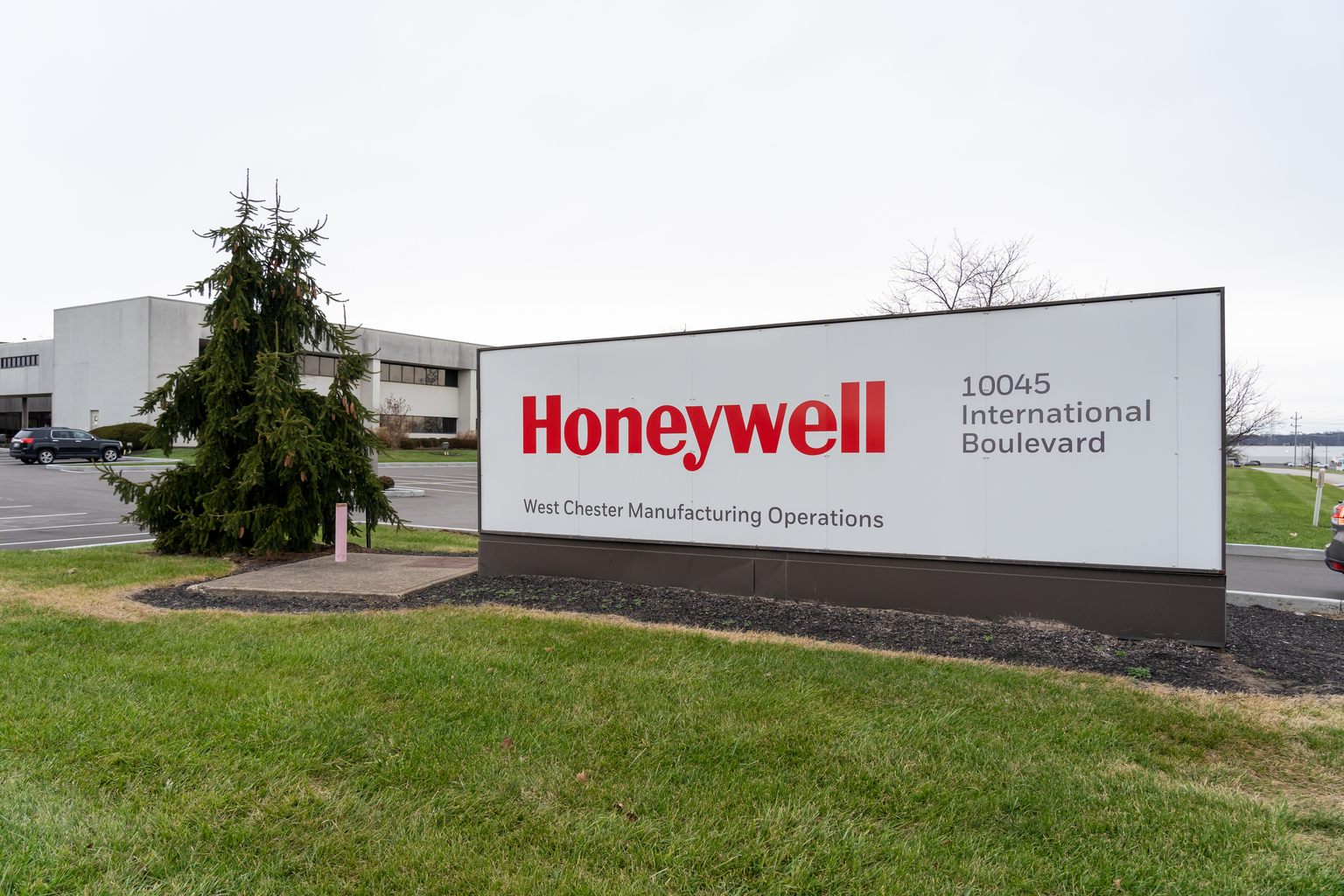
Company Moats Support Earnings Growth
Written by Emily J. Thompson, Senior Investment Analyst
Updated: 1 hour ago
0mins

Should l Buy LLY?
Source: NASDAQ.COM
- Importance of Moats: Company moats, such as brand strength and patent portfolios, help firms maintain competitive advantages, thereby supporting future earnings growth and attracting investor interest.
- Eli Lilly's Competitive Edge: Eli Lilly's weight loss drugs like Mounjaro and Zepbound benefit from strong physician trust and patient satisfaction, creating a robust market moat, with patent protection extending to 2036, ensuring long-term profitability.
- Vertex Pharmaceuticals' Innovation: Vertex Pharmaceuticals leads in cystic fibrosis drugs, with patent protection lasting into the late 2030s, and its collaboration with Moderna on mRNA therapies could further solidify its market position, potentially treating the entire CF population.
- Intuitive Surgical's Market Leadership: Intuitive Surgical's Da Vinci surgical robots create a solid moat due to high investment costs and surgeon familiarity, driving continuous growth and ensuring its leading position in the healthcare industry.
Trade with 70% Backtested Accuracy
Stop guessing "Should I Buy LLY?" and start using high-conviction signals backed by rigorous historical data.
Sign up today to access powerful investing tools and make smarter, data-driven decisions.
Analyst Views on LLY
Wall Street analysts forecast LLY stock price to rise
20 Analyst Rating
18 Buy
2 Hold
0 Sell
Strong Buy
Current: 903.020

Low
950.00
Averages
1192
High
1500
Current: 903.020
Low
950.00
Averages
1192
High
1500
About LLY
Eli Lilly and Company is a medicine company, which discovers, develops, manufactures, and market products in a single business segment called human pharmaceutical products. The Company manufacture and distribute its products through facilities in the United States, including Puerto Rico, and in Europe and Asia. The Company’s products are sold in approximately 90 countries. Its Cardiometabolic Health products Basaglar; Humalog, Humalog Mix 75/25, Humalog U-100, Humalog U-200, Humalog Mix 50/50, insulin lispro, and others; Humulin, Humulin 70/30, and others; Jardiance; Mounjaro; Trulicity; Zepbound, and others. Its oncology products include Cyramza, Erbitux, Tyvyt, Verzenio, Retevmo, Jaypirca, and others. Its immunology products include Ebglyss, Olumiant, Omvoh, and Taltz. Its neuroscience products include Emgality and Kisunla. Its LillyDirect, a direct-to-patient digital health care platform, provides delivery of select Lilly medicines dispensed by third-party pharmacies to patients.
About the author

Emily J. Thompson
Emily J. Thompson, a Chartered Financial Analyst (CFA) with 12 years in investment research, graduated with honors from the Wharton School. Specializing in industrial and technology stocks, she provides in-depth analysis for Intellectia’s earnings and market brief reports.

ELI LILLY: DEAL ANTICIPATED TO FINALIZE IN LATE 2026
- Transaction Closure: A transaction is expected to close in the second half of 2026.
- Future Outlook: The timeline indicates a significant event or change anticipated in the near future.
See More
ELI LILLY TO ACQUIRE KELONIA; SHAREHOLDERS TO RECEIVE UP TO $7 BILLION IN CASH UNDER AGREEMENT TERMS
- Acquisition Announcement: Lilly will acquire Kelonia under the terms of an agreement.
- Financial Details: Kelonia shareholders are set to receive up to $7.00 billion in cash.
See More

LILLY SET TO PURCHASE KELONIA THERAPEUTICS TO FURTHER DEVELOP IN VIVO CAR-T CELL THERAPIES
Acquisition Announcement: LILLY has announced its acquisition of KELONIA, a company specializing in advanced therapeutic solutions.
Focus on In Vivo CAR-T Cell Therapies: The acquisition aims to enhance LILLY's capabilities in developing in vivo CAR-T cell therapies, which are innovative treatments for various diseases.
See More
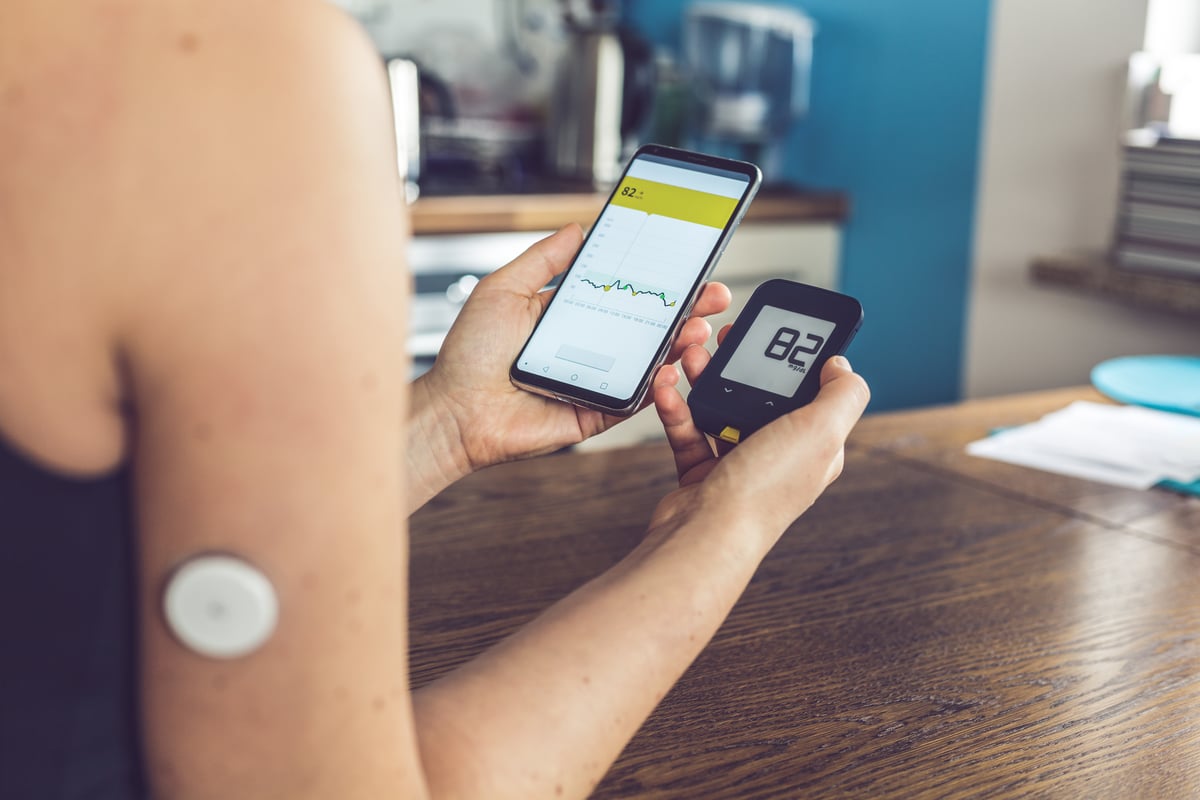
Dexcom Positioned to Benefit from Weight-Loss Drug Market Growth
- Significant Market Potential: According to Dexcom, over nine million patients in the U.S. eligible for third-party coverage are not using CGM devices, indicating a substantial untapped market that could significantly boost the company's revenue in the future.
- Clear Technological Advantage: Dexcom's CGM devices offer real-time monitoring capabilities that improve health outcomes for diabetes patients, and as GLP-1 weight-loss drugs gain popularity, the demand for CGMs is expected to rise, enhancing Dexcom's market position.
- High Competitive Barriers: Dexcom has established a strong competitive advantage, with many third-party companies developing devices compatible with its technology, and as its installed base grows, it attracts more patients into its ecosystem, creating a favorable network effect that further solidifies its market leadership.
- Promising Future Growth: Dexcom has seen substantial financial improvement over the past decade, and with the increasing adoption of CGM technology and expansion into new markets, the company is well-positioned to deliver strong returns over the next decade, capitalizing on vast market opportunities.
See More

Dexcom Positioned to Benefit from Weight Loss Drug Market Growth
- Vast Market Potential: Dexcom's continuous glucose monitoring devices are poised to benefit from the rapid growth of the weight loss drug market, which is expected to attract more diabetes patients to its products, thereby expanding its addressable market and enhancing revenue potential.
- Strong Competitive Advantage: Dexcom has established a robust competitive moat in the medical device sector, with many third-party companies developing devices compatible with its technology, creating a network effect that further enhances its market appeal.
- User Growth Trend: Research indicates that CGM usage grows faster among GLP-1 drug users compared to non-therapy users, suggesting that the proliferation of weight loss drugs will drive demand for Dexcom's products, boosting company performance.
- Underpenetrated Market: In the U.S., over nine million patients eligible for third-party coverage are not using CGM devices, providing Dexcom with opportunities to further expand its market share by entering new territories and launching its over-the-counter product, Stelo.
See More

Three Healthcare Stocks with Durable Competitive Moats
- Eli Lilly's Market Edge: Eli Lilly (LLY) solidifies its market share with popular weight loss drugs like Mounjaro and Zepbound, while the recent approval of the oral weight loss drug Foundayo is expected to drive future earnings growth.
- Vertex Pharmaceuticals' Patent Protection: Vertex Pharmaceuticals (VRTX) leads globally in cystic fibrosis drugs, with patent protection extending into the late 2030s, and ongoing innovation positions it for strong profitability and potential new product launches.
- Intuitive Surgical's Robotic Surgery Dominance: Intuitive Surgical (ISRG) maintains a dominant position with its Da Vinci surgical robots, as hospitals investing in these high-cost devices are likely to continue using them, reinforcing its market position.
- Training Advantage in the Industry: Most surgeons are trained on the Da Vinci system, creating a familiarity that leads hospitals to prefer this platform, thereby strengthening Intuitive Surgical's competitive moat.
See More
ELI LILLY: DEAL ANTICIPATED TO FINALIZE IN LATE 2026
- Transaction Closure: A transaction is expected to close in the second half of 2026.
- Future Outlook: The timeline indicates a significant event or change anticipated in the near future.
See More
ELI LILLY TO ACQUIRE KELONIA; SHAREHOLDERS TO RECEIVE UP TO $7 BILLION IN CASH UNDER AGREEMENT TERMS
- Acquisition Announcement: Lilly will acquire Kelonia under the terms of an agreement.
- Financial Details: Kelonia shareholders are set to receive up to $7.00 billion in cash.
See More
LILLY SET TO PURCHASE KELONIA THERAPEUTICS TO FURTHER DEVELOP IN VIVO CAR-T CELL THERAPIES
Acquisition Announcement: LILLY has announced its acquisition of KELONIA, a company specializing in advanced therapeutic solutions.
Focus on In Vivo CAR-T Cell Therapies: The acquisition aims to enhance LILLY's capabilities in developing in vivo CAR-T cell therapies, which are innovative treatments for various diseases.
See More
Dexcom Positioned to Benefit from Weight-Loss Drug Market Growth
- Significant Market Potential: According to Dexcom, over nine million patients in the U.S. eligible for third-party coverage are not using CGM devices, indicating a substantial untapped market that could significantly boost the company's revenue in the future.
- Clear Technological Advantage: Dexcom's CGM devices offer real-time monitoring capabilities that improve health outcomes for diabetes patients, and as GLP-1 weight-loss drugs gain popularity, the demand for CGMs is expected to rise, enhancing Dexcom's market position.
- High Competitive Barriers: Dexcom has established a strong competitive advantage, with many third-party companies developing devices compatible with its technology, and as its installed base grows, it attracts more patients into its ecosystem, creating a favorable network effect that further solidifies its market leadership.
- Promising Future Growth: Dexcom has seen substantial financial improvement over the past decade, and with the increasing adoption of CGM technology and expansion into new markets, the company is well-positioned to deliver strong returns over the next decade, capitalizing on vast market opportunities.
See More
Dexcom Positioned to Benefit from Weight Loss Drug Market Growth
- Vast Market Potential: Dexcom's continuous glucose monitoring devices are poised to benefit from the rapid growth of the weight loss drug market, which is expected to attract more diabetes patients to its products, thereby expanding its addressable market and enhancing revenue potential.
- Strong Competitive Advantage: Dexcom has established a robust competitive moat in the medical device sector, with many third-party companies developing devices compatible with its technology, creating a network effect that further enhances its market appeal.
- User Growth Trend: Research indicates that CGM usage grows faster among GLP-1 drug users compared to non-therapy users, suggesting that the proliferation of weight loss drugs will drive demand for Dexcom's products, boosting company performance.
- Underpenetrated Market: In the U.S., over nine million patients eligible for third-party coverage are not using CGM devices, providing Dexcom with opportunities to further expand its market share by entering new territories and launching its over-the-counter product, Stelo.
See More
Three Healthcare Stocks with Durable Competitive Moats
- Eli Lilly's Market Edge: Eli Lilly (LLY) solidifies its market share with popular weight loss drugs like Mounjaro and Zepbound, while the recent approval of the oral weight loss drug Foundayo is expected to drive future earnings growth.
- Vertex Pharmaceuticals' Patent Protection: Vertex Pharmaceuticals (VRTX) leads globally in cystic fibrosis drugs, with patent protection extending into the late 2030s, and ongoing innovation positions it for strong profitability and potential new product launches.
- Intuitive Surgical's Robotic Surgery Dominance: Intuitive Surgical (ISRG) maintains a dominant position with its Da Vinci surgical robots, as hospitals investing in these high-cost devices are likely to continue using them, reinforcing its market position.
- Training Advantage in the Industry: Most surgeons are trained on the Da Vinci system, creating a familiarity that leads hospitals to prefer this platform, thereby strengthening Intuitive Surgical's competitive moat.
See More