Chip Stocks Surge as Investors Favor Semiconductors Over Software
Written by Emily J. Thompson, Senior Investment Analyst
Updated: Apr 10 2026
0mins


Source: CNBC
- Chip Stock Surge: Investors are favoring semiconductor companies, with Marvell's stock jumping nearly 7%, heading for a third consecutive positive session, indicating strong market confidence in the chip sector.
- Fair Isaac Decline: Fair Isaac's stock dropped over 12% after Barclays cut its 12-month price target from $2,400 to $1,950 while maintaining an overweight rating, reflecting market concerns about its future performance.
- Organon Acquisition Rumors: Organon's stock surged 24% amid reports that India's Sun Pharmaceutical Industries is considering a $12 billion acquisition, although Sun Pharma labeled the news as
Trade with 70% Backtested Accuracy
Stop guessing "Should I Buy TSM?" and start using high-conviction signals backed by rigorous historical data.
Sign up today to access powerful investing tools and make smarter, data-driven decisions.
Analyst Views on TSM
Wall Street analysts forecast TSM stock price to fall
8 Analyst Rating
7 Buy
1 Hold
0 Sell
Strong Buy
Current: 424.860

Low
63.24
Averages
313.46
High
390.00
Current: 424.860
Low
63.24
Averages
313.46
High
390.00
About TSM
Taiwan Semiconductor Manufacturing Co Ltd is a Taiwan-based integrated circuit foundry service provider. The Company is primarily engaged in integrated circuit manufacturing services. It offers advanced process technologies, specialised process solutions, advanced photomask and silicon stacking, and packaging-related technologies, while supporting a comprehensive design ecosystem. The Company's products serve diverse electronic sectors including artificial intelligence, high-performance computing, wired and wireless communications, automotive and industrial equipment, personal computing, information applications, consumer electronics, smart internet of things, and wearable devices.
About the author

Emily J. Thompson
Emily J. Thompson, a Chartered Financial Analyst (CFA) with 12 years in investment research, graduated with honors from the Wharton School. Specializing in industrial and technology stocks, she provides in-depth analysis for Intellectia’s earnings and market brief reports.

TSMC to Raise Advanced 3nm Prices by 15% in 2026

- Price Increase Announcement: TSMC plans to raise prices for its advanced 3-nanometer manufacturing node by 15% in the second half of 2026, with a potential additional 10% increase in 2027, which will directly impact its profitability and enhance market competitiveness.
- Positive Stock Reaction: Following the announcement, TSMC shares rose 5% in premarket trading on Wednesday, reflecting investor optimism about the company's future growth potential, especially amid surging demand for artificial intelligence technologies.
- Market Capitalization Growth: TSMC's success has propelled Taiwan's market capitalization to $4.95 trillion, surpassing India's $4.92 trillion, highlighting Taiwan's significant position in the global stock market and further solidifying TSMC's status as an industry leader.
- Dividend Distribution Decision: TSMC's board approved a quarterly dividend of NT$6.00003573 per common share, set to be paid on July 9, which not only enhances shareholder returns but also reflects the company's robust financial health.
See More
Nvidia's Rise in the Edge AI Market

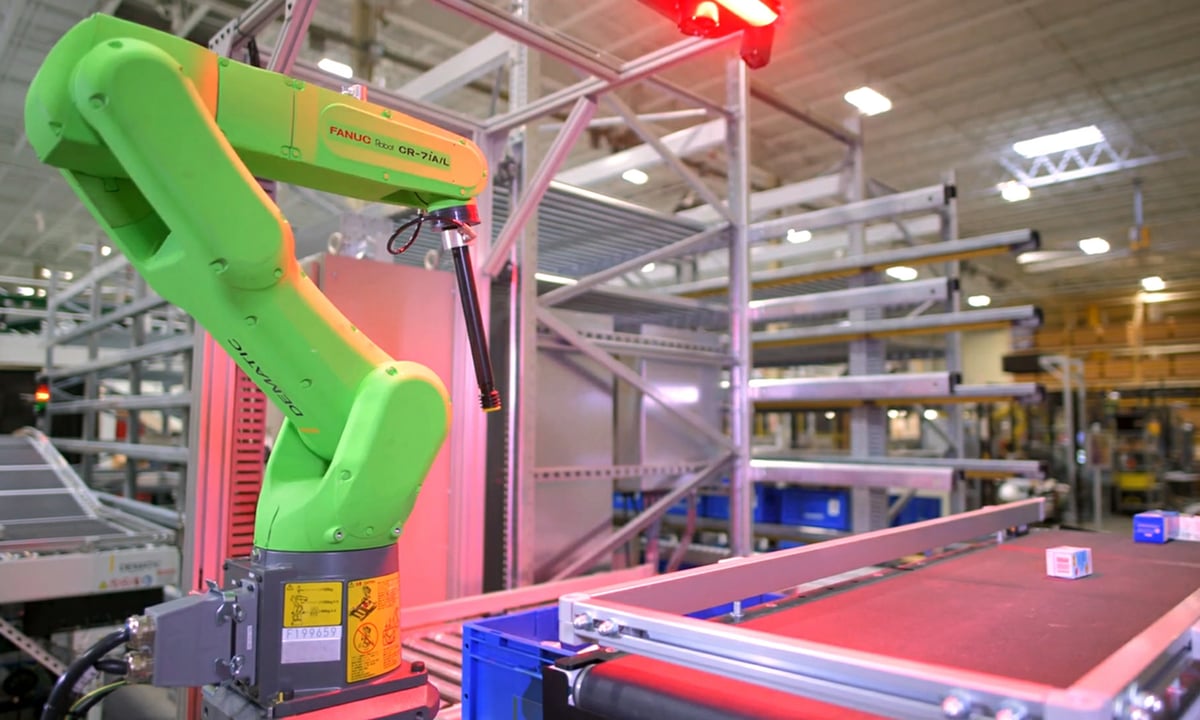
- Edge AI Market Growth: Nvidia's physical AI revenue has exceeded $9 billion over the past twelve months, a 50% increase from $6 billion in fiscal 2026, indicating strong growth potential in edge AI applications that is expected to drive future revenue growth.
- Strategic Partnerships: Nvidia's collaboration with Uber will power a robotaxi fleet across nearly 30 cities and 4 continents by 2028, which not only strengthens its market position in physical AI but also lays the groundwork for future revenue growth.
- Expansive Market Outlook: Market research firm Counterpoint estimates that shipments of physical AI devices could reach 145 million units cumulatively between 2025 and 2035, primarily driven by robots, autonomous vehicles, and drones, providing Nvidia with significant market opportunities.
- New Product Line Expansion: Nvidia plans to sell its Vera server CPUs as standalone products, which is expected to generate an additional $20 billion in revenue this year, further expanding its $200 billion addressable market and enhancing the company's long-term growth prospects.
See More

Nvidia's Physical AI Revenue Surges Significantly
- Significant Revenue Growth: Nvidia's physical AI revenue surpassed $9 billion over the past twelve months, marking a 50% increase from $6 billion in fiscal 2026, indicating the company's strong performance in the rapidly growing physical AI market.
- Massive Market Potential: Market research firm Counterpoint Research estimates that shipments of physical AI devices could reach 145 million units between 2025 and 2035, driven primarily by robots, autonomous vehicles, and drones, with Nvidia actively capitalizing on this opportunity.
- Deepening Strategic Partnerships: Nvidia's collaboration with Uber will enable its robotaxi fleet to cover nearly 30 cities across four continents by 2028, while its partnership with General Motors will enhance its positioning in factory automation, further solidifying its market presence.
- New Market Expansion: Nvidia plans to sell its Vera server CPUs as standalone products, which is expected to generate an additional $20 billion in revenue this year, opening up a potential $200 billion addressable market, showcasing its strategic positioning in emerging markets.
See More

US-Iran Conflict Escalates, Oil Prices Surge Amid Economic Uncertainty


- Escalation of US-Iran Conflict: Following weeks of paused action, the US and Iran have resumed airstrikes, complicating hopes for a permanent resolution to the conflict, which is impacting global oil supplies and market sentiment.
- Strong Stock Market Performance: Despite rising geopolitical tensions, both the S&P 500 and Nasdaq Composite closed at record highs, primarily driven by a surge in AI-related stocks, indicating strong market confidence in the technology sector.
- Oil Price Warning: ExxonMobil has warned that oil inventories are on track to reach dangerously low levels in the coming weeks, forcing prices to spike and curbing demand, reflecting market concerns over energy supply.
- Wealthy Investors Pulling Out: According to the UBS Global Family Office Report, 60% of family offices plan to adjust their investment allocations in the next year, with many reducing US holdings and increasing exposure to emerging markets, highlighting a growing trend of 'de-dollarization'.
See More

Cathie Wood Increases Stake in Cerebras Systems


- Investor Attention: Cathie Wood's recent purchases of Cerebras Systems stock reflect her confidence in this newly public AI chip company, which saw a 68% surge on its IPO day and raised $5.5 billion, marking the largest IPO of the year and indicating strong market recognition of its potential.
- Portfolio Positioning: Cerebras holds a 1.13% weight in the Ark Innovation fund and a 1.22% weight in the Ark Next Generation Internet fund, similar to Nvidia's holdings, suggesting Wood's strategy aims to capitalize on growth opportunities in the AI sector by diversifying her investments.
- Revenue Growth: Cerebras' revenue skyrocketed from $24 million in 2022 to $510 million last year, demonstrating robust market demand, particularly as its chips are now available through Amazon Web Services (AWS), which could significantly expand its customer base and future revenue potential.
- Risks and Opportunities: While Cerebras has yet to achieve operational profitability and faces fierce competition from Nvidia, its technological edge with oversized chips and the growing demand for computing power may allow it to carve out market share, attracting interest from risk-tolerant investors.
See More

Cerebras Completes Year's Largest IPO Amid Investor Interest
- Record IPO Size: Cerebras Systems raised $5.5 billion in its IPO on May 14, marking the largest IPO of 2023, which indicates strong market demand for its AI chips and could lay the groundwork for future growth.
- Investor Interest: Notable investor Cathie Wood increased her holdings in Cerebras between May 22 and 27, giving it a 1.13% weighting in the Ark Innovation fund, reflecting confidence in the company's future potential and possibly attracting more investor attention.
- Significant Revenue Growth: Cerebras' revenue surged from $24 million in 2022 to $510 million last year, demonstrating robust market demand, particularly with its partnership with Amazon Web Services, which could further expand its customer base.
- Market Competition Risks: Despite having a technological edge, Cerebras has yet to achieve profitability and faces pressure from competitors like Nvidia, necessitating cautious evaluation of its long-term investment value.
See More
TSMC to Raise Advanced 3nm Prices by 15% in 2026
- Price Increase Announcement: TSMC plans to raise prices for its advanced 3-nanometer manufacturing node by 15% in the second half of 2026, with a potential additional 10% increase in 2027, which will directly impact its profitability and enhance market competitiveness.
- Positive Stock Reaction: Following the announcement, TSMC shares rose 5% in premarket trading on Wednesday, reflecting investor optimism about the company's future growth potential, especially amid surging demand for artificial intelligence technologies.
- Market Capitalization Growth: TSMC's success has propelled Taiwan's market capitalization to $4.95 trillion, surpassing India's $4.92 trillion, highlighting Taiwan's significant position in the global stock market and further solidifying TSMC's status as an industry leader.
- Dividend Distribution Decision: TSMC's board approved a quarterly dividend of NT$6.00003573 per common share, set to be paid on July 9, which not only enhances shareholder returns but also reflects the company's robust financial health.
See More
Nvidia's Rise in the Edge AI Market
- Edge AI Market Growth: Nvidia's physical AI revenue has exceeded $9 billion over the past twelve months, a 50% increase from $6 billion in fiscal 2026, indicating strong growth potential in edge AI applications that is expected to drive future revenue growth.
- Strategic Partnerships: Nvidia's collaboration with Uber will power a robotaxi fleet across nearly 30 cities and 4 continents by 2028, which not only strengthens its market position in physical AI but also lays the groundwork for future revenue growth.
- Expansive Market Outlook: Market research firm Counterpoint estimates that shipments of physical AI devices could reach 145 million units cumulatively between 2025 and 2035, primarily driven by robots, autonomous vehicles, and drones, providing Nvidia with significant market opportunities.
- New Product Line Expansion: Nvidia plans to sell its Vera server CPUs as standalone products, which is expected to generate an additional $20 billion in revenue this year, further expanding its $200 billion addressable market and enhancing the company's long-term growth prospects.
See More
Nvidia's Physical AI Revenue Surges Significantly
- Significant Revenue Growth: Nvidia's physical AI revenue surpassed $9 billion over the past twelve months, marking a 50% increase from $6 billion in fiscal 2026, indicating the company's strong performance in the rapidly growing physical AI market.
- Massive Market Potential: Market research firm Counterpoint Research estimates that shipments of physical AI devices could reach 145 million units between 2025 and 2035, driven primarily by robots, autonomous vehicles, and drones, with Nvidia actively capitalizing on this opportunity.
- Deepening Strategic Partnerships: Nvidia's collaboration with Uber will enable its robotaxi fleet to cover nearly 30 cities across four continents by 2028, while its partnership with General Motors will enhance its positioning in factory automation, further solidifying its market presence.
- New Market Expansion: Nvidia plans to sell its Vera server CPUs as standalone products, which is expected to generate an additional $20 billion in revenue this year, opening up a potential $200 billion addressable market, showcasing its strategic positioning in emerging markets.
See More
US-Iran Conflict Escalates, Oil Prices Surge Amid Economic Uncertainty
- Escalation of US-Iran Conflict: Following weeks of paused action, the US and Iran have resumed airstrikes, complicating hopes for a permanent resolution to the conflict, which is impacting global oil supplies and market sentiment.
- Strong Stock Market Performance: Despite rising geopolitical tensions, both the S&P 500 and Nasdaq Composite closed at record highs, primarily driven by a surge in AI-related stocks, indicating strong market confidence in the technology sector.
- Oil Price Warning: ExxonMobil has warned that oil inventories are on track to reach dangerously low levels in the coming weeks, forcing prices to spike and curbing demand, reflecting market concerns over energy supply.
- Wealthy Investors Pulling Out: According to the UBS Global Family Office Report, 60% of family offices plan to adjust their investment allocations in the next year, with many reducing US holdings and increasing exposure to emerging markets, highlighting a growing trend of 'de-dollarization'.
See More
Cathie Wood Increases Stake in Cerebras Systems
- Investor Attention: Cathie Wood's recent purchases of Cerebras Systems stock reflect her confidence in this newly public AI chip company, which saw a 68% surge on its IPO day and raised $5.5 billion, marking the largest IPO of the year and indicating strong market recognition of its potential.
- Portfolio Positioning: Cerebras holds a 1.13% weight in the Ark Innovation fund and a 1.22% weight in the Ark Next Generation Internet fund, similar to Nvidia's holdings, suggesting Wood's strategy aims to capitalize on growth opportunities in the AI sector by diversifying her investments.
- Revenue Growth: Cerebras' revenue skyrocketed from $24 million in 2022 to $510 million last year, demonstrating robust market demand, particularly as its chips are now available through Amazon Web Services (AWS), which could significantly expand its customer base and future revenue potential.
- Risks and Opportunities: While Cerebras has yet to achieve operational profitability and faces fierce competition from Nvidia, its technological edge with oversized chips and the growing demand for computing power may allow it to carve out market share, attracting interest from risk-tolerant investors.
See More
Cerebras Completes Year's Largest IPO Amid Investor Interest
- Record IPO Size: Cerebras Systems raised $5.5 billion in its IPO on May 14, marking the largest IPO of 2023, which indicates strong market demand for its AI chips and could lay the groundwork for future growth.
- Investor Interest: Notable investor Cathie Wood increased her holdings in Cerebras between May 22 and 27, giving it a 1.13% weighting in the Ark Innovation fund, reflecting confidence in the company's future potential and possibly attracting more investor attention.
- Significant Revenue Growth: Cerebras' revenue surged from $24 million in 2022 to $510 million last year, demonstrating robust market demand, particularly with its partnership with Amazon Web Services, which could further expand its customer base.
- Market Competition Risks: Despite having a technological edge, Cerebras has yet to achieve profitability and faces pressure from competitors like Nvidia, necessitating cautious evaluation of its long-term investment value.
See More