China's 'gradual bull market' gains traction with Goldman Sachs getting involved

Market Trend: China's equity market is experiencing a gradual increase, leading to discussions about a potential "slow bull market."
Government Preference: The Chinese government aims for a steady rise in the market, favoring an orderly ascent over the volatile fluctuations that have historically characterized it.
Trade with 70% Backtested Accuracy
Analyst Views on BABA

About BABA
About the author


Alibaba's Transformation Accelerates Amid Profit Decline

- Profit Decline: Alibaba's net income fell by approximately two-thirds year-over-year in Q4, a drop that typically raises concerns; however, this decline is a strategic choice as the company invests heavily in cloud infrastructure and AI, putting pressure on short-term margins.
- Rapid Growth in Cloud and AI: The cloud intelligence segment achieved a 36% year-over-year revenue growth, making it Alibaba's fastest-growing major business, with AI workloads growing at triple-digit rates for the tenth consecutive quarter, indicating strong long-term demand potential.
- E-commerce Growth Slowing: Alibaba's core e-commerce revenue growth was only 6%, with Taobao and Tmall growing just 1%, as the company invests in user experience and AI integration to stabilize engagement, which has led to increased costs.
- Long-term Investment vs. Short-term Sacrifice: Alibaba is sacrificing near-term profitability to invest in quick commerce and cloud AI, where growth potential is significant, but realizing sustainable profit growth will take time.

How Alibaba's Latest 5nm Chip Might Revolutionize the Industry

Market Activity and Investor Sentiment: Alibaba Group has experienced significant stock volatility due to disappointing earnings reports, raising concerns about profitability and investor confidence, despite long-term strategic advancements in AI technology.
Introduction of the C950 Chip: The unveiling of Alibaba's proprietary C950 chip marks a significant technological milestone, positioning the company as a key player in the semiconductor industry and enhancing its capabilities in AI and cloud computing.
Strategic Shift and Independence: By developing its own hardware, Alibaba aims to reduce dependency on foreign suppliers and mitigate geopolitical risks, thereby strengthening its competitive edge in the global technology market.
Long-term Growth Potential: Despite short-term market pressures, Alibaba's investments in AI and cloud services are expected to drive substantial revenue growth, with analysts recognizing the company's strategic positioning for future success.

Alibaba's Strategic Shift Towards AI and Cloud Computing

- Significant Cloud Growth: Alibaba reported approximately 36% year-over-year growth in cloud revenue in its latest quarter, primarily driven by AI-related workloads, indicating that AI demand is already making a meaningful contribution to the company's business.
- Ambitious Revenue Target: Management has set a goal to achieve over $100 billion in annual revenue from cloud and AI within the next five years, reflecting a strategic shift from a commerce-driven model to a technology platform, although achieving this target involves intense competition and execution risks.
- Full-Stack Ecosystem Development: Alibaba is building a comprehensive AI ecosystem, with Alibaba Cloud providing the necessary infrastructure for AI workloads, alongside the launch of the Qwen family of large language models and the Wukong enterprise AI agent platform to assist businesses in developing AI applications.
- Investment and Challenges: Despite the significant opportunities in the AI market, Alibaba faces challenges related to capital-intensive infrastructure development, as evidenced by declining profits in its recent earnings report due to increased spending on AI and cloud, highlighting the need for ongoing investment and management of volatility during this transition.
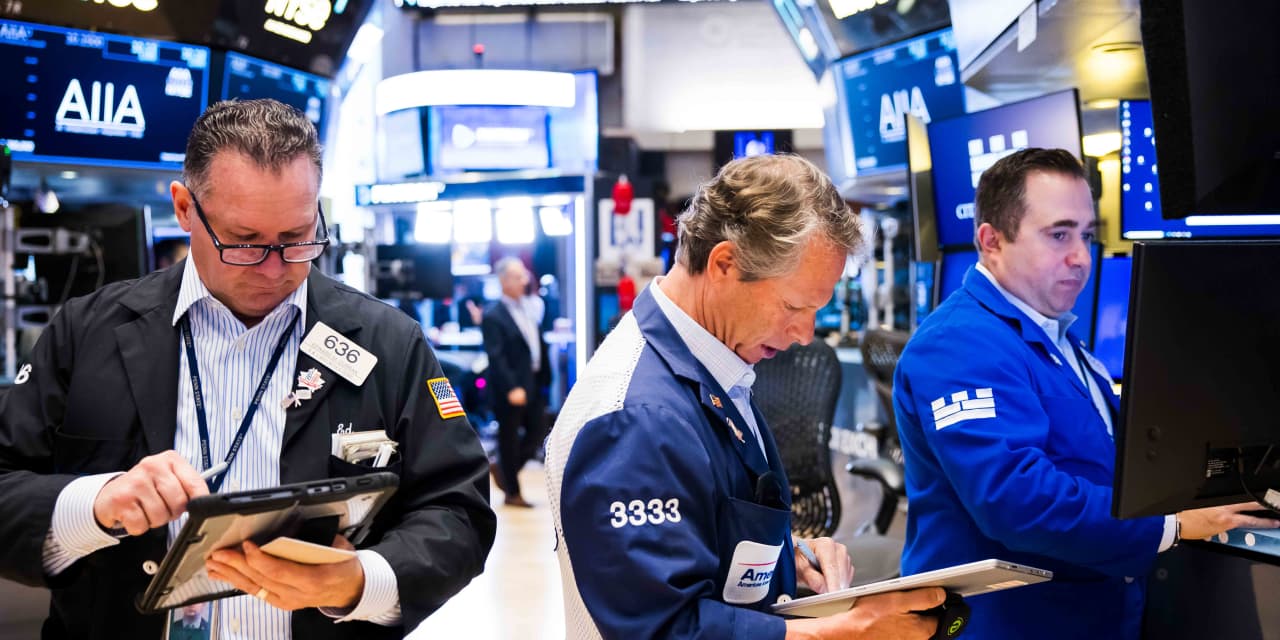
Key Stock Market Movers: Meta, Alibaba, JD.com, GameStop, and Others


- Stock Market Movement: Stock futures were rising on Wednesday, indicating positive investor sentiment.
- Cease-Fire Talks: Investors are hopeful for progress in cease-fire discussions between the U.S. and Iran.
- Middle East Conflict: There is an expectation for a swift resolution to the ongoing war in the Middle East.
- Investor Sentiment: The potential for peace is influencing market trends and investor confidence.

Alibaba Targets $100 Billion in Cloud and AI Revenue
- Strategic Transformation Goal: Alibaba aims to achieve over $100 billion in annual revenue from its cloud and AI businesses within the next five years, indicating a shift from a commerce-driven model to a technology platform, and while short-term earnings have declined, this goal reflects confidence in future growth.
- Cloud Revenue Momentum: In its latest earnings report, Alibaba reported approximately 36% year-over-year growth in cloud revenue, primarily driven by AI-related workloads, demonstrating that AI demand is becoming a significant part of the company's business, with AI-related revenue growing at triple-digit rates for multiple consecutive quarters.
- Market Opportunity and Competition: Analysts predict that the AI cloud market in China could reach $253 billion by 2033, with Alibaba facing intense competition from companies like Tencent, Huawei, and ByteDance domestically, while globally, it competes with established players like Amazon and Microsoft.
- Investment and Risks: While Alibaba's $100 billion target is attractive, achieving it requires substantial investments in building data centers and scaling computing capacity, and the monetization of AI remains evolving, prompting investors to consider the company's long-term positioning and execution risks in the technology market.

Alibaba's Profit Decline Signals Strategic Transformation
- Significant Profit Decline: Alibaba's net income fell by approximately two-thirds year-over-year in Q4, a drop that would typically raise alarms; however, the company is intentionally investing heavily in cloud computing and AI, accepting short-term profit pressure for long-term gains.
- Strong Cloud Growth: The cloud intelligence segment achieved a 36% year-over-year revenue growth, making it Alibaba's fastest-growing major business, with AI-related workloads increasing at triple-digit rates for the tenth consecutive quarter, indicating a transformative impact on cloud economics.
- E-commerce Slowdown: While Alibaba's core e-commerce remains significant, its revenue growth in China was only 6%, with traditional platforms like Taobao and Tmall growing just 1%, reflecting the rise of quick commerce and intensified competition in the sector.
- Long-term Investment Strategy: Management outlined an ambition to generate over $100 billion in annual cloud and AI revenue within five years, signaling a strategic pivot towards these areas as central to Alibaba's future, rather than peripheral businesses.
Alibaba's Transformation Accelerates Amid Profit Decline
- Profit Decline: Alibaba's net income fell by approximately two-thirds year-over-year in Q4, a drop that typically raises concerns; however, this decline is a strategic choice as the company invests heavily in cloud infrastructure and AI, putting pressure on short-term margins.
- Rapid Growth in Cloud and AI: The cloud intelligence segment achieved a 36% year-over-year revenue growth, making it Alibaba's fastest-growing major business, with AI workloads growing at triple-digit rates for the tenth consecutive quarter, indicating strong long-term demand potential.
- E-commerce Growth Slowing: Alibaba's core e-commerce revenue growth was only 6%, with Taobao and Tmall growing just 1%, as the company invests in user experience and AI integration to stabilize engagement, which has led to increased costs.
- Long-term Investment vs. Short-term Sacrifice: Alibaba is sacrificing near-term profitability to invest in quick commerce and cloud AI, where growth potential is significant, but realizing sustainable profit growth will take time.
How Alibaba's Latest 5nm Chip Might Revolutionize the Industry
Market Activity and Investor Sentiment: Alibaba Group has experienced significant stock volatility due to disappointing earnings reports, raising concerns about profitability and investor confidence, despite long-term strategic advancements in AI technology.
Introduction of the C950 Chip: The unveiling of Alibaba's proprietary C950 chip marks a significant technological milestone, positioning the company as a key player in the semiconductor industry and enhancing its capabilities in AI and cloud computing.
Strategic Shift and Independence: By developing its own hardware, Alibaba aims to reduce dependency on foreign suppliers and mitigate geopolitical risks, thereby strengthening its competitive edge in the global technology market.
Long-term Growth Potential: Despite short-term market pressures, Alibaba's investments in AI and cloud services are expected to drive substantial revenue growth, with analysts recognizing the company's strategic positioning for future success.
Alibaba's Strategic Shift Towards AI and Cloud Computing
- Significant Cloud Growth: Alibaba reported approximately 36% year-over-year growth in cloud revenue in its latest quarter, primarily driven by AI-related workloads, indicating that AI demand is already making a meaningful contribution to the company's business.
- Ambitious Revenue Target: Management has set a goal to achieve over $100 billion in annual revenue from cloud and AI within the next five years, reflecting a strategic shift from a commerce-driven model to a technology platform, although achieving this target involves intense competition and execution risks.
- Full-Stack Ecosystem Development: Alibaba is building a comprehensive AI ecosystem, with Alibaba Cloud providing the necessary infrastructure for AI workloads, alongside the launch of the Qwen family of large language models and the Wukong enterprise AI agent platform to assist businesses in developing AI applications.
- Investment and Challenges: Despite the significant opportunities in the AI market, Alibaba faces challenges related to capital-intensive infrastructure development, as evidenced by declining profits in its recent earnings report due to increased spending on AI and cloud, highlighting the need for ongoing investment and management of volatility during this transition.
Key Stock Market Movers: Meta, Alibaba, JD.com, GameStop, and Others
- Stock Market Movement: Stock futures were rising on Wednesday, indicating positive investor sentiment.
- Cease-Fire Talks: Investors are hopeful for progress in cease-fire discussions between the U.S. and Iran.
- Middle East Conflict: There is an expectation for a swift resolution to the ongoing war in the Middle East.
- Investor Sentiment: The potential for peace is influencing market trends and investor confidence.
Alibaba Targets $100 Billion in Cloud and AI Revenue
- Strategic Transformation Goal: Alibaba aims to achieve over $100 billion in annual revenue from its cloud and AI businesses within the next five years, indicating a shift from a commerce-driven model to a technology platform, and while short-term earnings have declined, this goal reflects confidence in future growth.
- Cloud Revenue Momentum: In its latest earnings report, Alibaba reported approximately 36% year-over-year growth in cloud revenue, primarily driven by AI-related workloads, demonstrating that AI demand is becoming a significant part of the company's business, with AI-related revenue growing at triple-digit rates for multiple consecutive quarters.
- Market Opportunity and Competition: Analysts predict that the AI cloud market in China could reach $253 billion by 2033, with Alibaba facing intense competition from companies like Tencent, Huawei, and ByteDance domestically, while globally, it competes with established players like Amazon and Microsoft.
- Investment and Risks: While Alibaba's $100 billion target is attractive, achieving it requires substantial investments in building data centers and scaling computing capacity, and the monetization of AI remains evolving, prompting investors to consider the company's long-term positioning and execution risks in the technology market.
Alibaba's Profit Decline Signals Strategic Transformation
- Significant Profit Decline: Alibaba's net income fell by approximately two-thirds year-over-year in Q4, a drop that would typically raise alarms; however, the company is intentionally investing heavily in cloud computing and AI, accepting short-term profit pressure for long-term gains.
- Strong Cloud Growth: The cloud intelligence segment achieved a 36% year-over-year revenue growth, making it Alibaba's fastest-growing major business, with AI-related workloads increasing at triple-digit rates for the tenth consecutive quarter, indicating a transformative impact on cloud economics.
- E-commerce Slowdown: While Alibaba's core e-commerce remains significant, its revenue growth in China was only 6%, with traditional platforms like Taobao and Tmall growing just 1%, reflecting the rise of quick commerce and intensified competition in the sector.
- Long-term Investment Strategy: Management outlined an ambition to generate over $100 billion in annual cloud and AI revenue within five years, signaling a strategic pivot towards these areas as central to Alibaba's future, rather than peripheral businesses.