China Restricts AI Startup Founders Amid Meta Acquisition Review
Written by Emily J. Thompson, Senior Investment Analyst
Updated: Mar 25 2026
0mins
Source: Yahoo Finance
- Exit Restrictions: Chinese regulators have restricted the two co-founders of AI startup Manus from leaving the country, indicating a stringent government stance on foreign acquisitions that could hinder the company's international expansion.
- Acquisition Review: Authorities are reviewing whether Meta's $2 billion acquisition of Manus violates national investment rules, which may lead to delays or renegotiations of the deal, impacting Meta's strategic positioning in the Chinese market.
- Market Reaction: This action could raise concerns among investors regarding foreign acquisitions of Chinese tech companies, particularly in the AI sector, potentially leading to decreased investor confidence and affecting stock performance.
- Policy Context: The Chinese government has intensified scrutiny over foreign investments, especially in sensitive technology sectors, and this incident further highlights the complexity of the regulatory environment, which may influence future investment decisions and market dynamics.
Trade with 70% Backtested Accuracy
Stop guessing "Should I Buy META?" and start using high-conviction signals backed by rigorous historical data.
Sign up today to access powerful investing tools and make smarter, data-driven decisions.
Analyst Views on META
Wall Street analysts forecast META stock price to rise
44 Analyst Rating
37 Buy
6 Hold
1 Sell
Strong Buy
Current: 597.630

Low
655.15
Averages
824.71
High
1117
Current: 597.630
Low
655.15
Averages
824.71
High
1117
About META
Meta Platforms, Inc. is building human connections, powered by artificial intelligence and immersive technologies. The Company's products enable people to connect and share with friends and family through mobile devices, personal computers, virtual reality (VR) and mixed reality (MR) headsets, augmented reality (AR), and wearables. It also helps people discover and learn about what is going on in the world around them, enabling people to share their experiences, ideas, photos, videos, and other content with audiences ranging from their closest family members and friends to the public at large. The Company's segments include Family of Apps (FoA) and Reality Labs (RL). FoA segment includes Facebook, Instagram, Messenger, WhatsApp and Threads. RL segment includes its virtual, augmented, and mixed reality related consumer hardware, software and content. Its product offerings in VR include its Meta Quest devices, as well as software and content available through the Meta Horizon Store.
About the author

Emily J. Thompson
Emily J. Thompson, a Chartered Financial Analyst (CFA) with 12 years in investment research, graduated with honors from the Wharton School. Specializing in industrial and technology stocks, she provides in-depth analysis for Intellectia’s earnings and market brief reports.

Meta Launches Business Agent Service, Stock Rises 4%

- Global Launch of Business Agent: Meta Business Agent is now available to all enterprises, utilizing an intelligent conversational tool to handle client interactions, initially free with subscription plans expected, enhancing engagement capabilities for business clients.
- Large User Base: Meta reported that over 1 million enterprises were using earlier versions of the chatbot on WhatsApp and Messenger, indicating broad acceptance and potential market reach for the platform.
- Competitive Market Advantage: Despite the crowded enterprise AI market, Meta's Business Agent may carve out a niche due to its adaptability, particularly for companies already utilizing Instagram and WhatsApp, potentially gaining market share.
- Capital Expenditure Plans: Meta aims to invest at least $125 billion in AI data center construction, and investors should monitor whether this expenditure yields substantial returns to support the company's long-term growth strategy.
See More

Meta Platforms Raises Capex Guidance Amid AI Growth
- Increased Capex Guidance: Meta recently raised its capital expenditure guidance for 2026 to between $125 billion and $145 billion, an increase of $10 billion from previous estimates, which has raised investor concerns despite the expectation of significant returns from AI spending.
- Ad Revenue Growth: In Q1 2026, Meta saw a 19% increase in ad impressions and a 12% year-over-year rise in average ad prices, resulting in ad revenue of $55 billion, which constitutes 98% of the company's total revenue, demonstrating the effectiveness of its AI-driven advertising tools.
- AI vs. Metaverse Comparison: Unlike the substantial losses associated with the metaverse, Meta's investments in AI are already yielding measurable returns, particularly in terms of ad revenue and user engagement, indicating that the company's strategic focus on AI is a prudent move.
- Potential for Compute Sales: Meta has the opportunity to sell computing capacity to other AI companies, as CEO Mark Zuckerberg mentioned inquiries from firms interested in purchasing compute services, providing an additional revenue stream despite its lag in cloud computing compared to major competitors.
See More
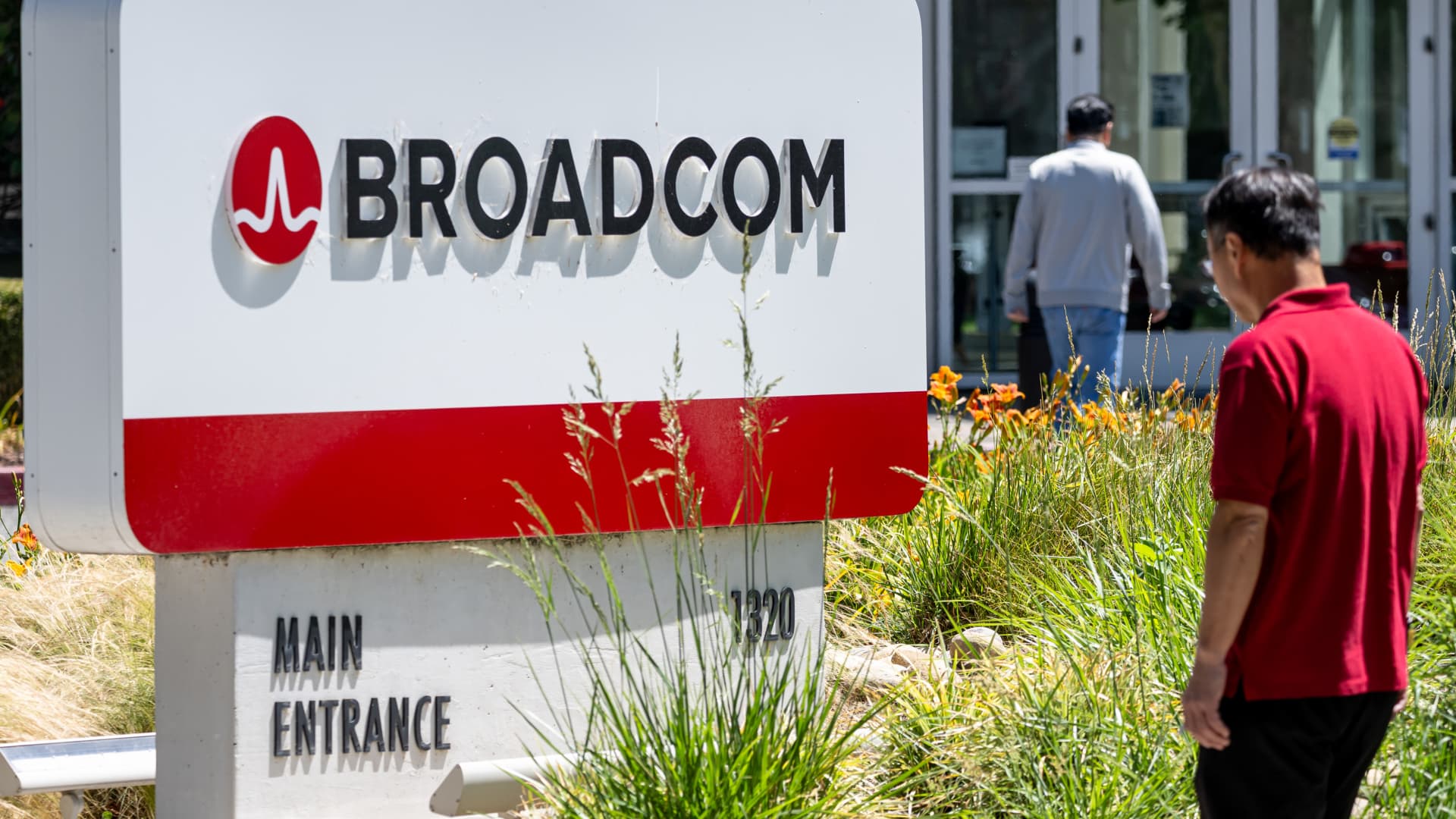
Broadcom's Strong Quarterly Results Fail to Boost Stock Price


- Revenue Performance: Broadcom reported $22.19 billion in revenue for Q2 2026, slightly missing the $22.27 billion consensus forecast, with a 48% year-over-year increase, but failed to meet market expectations for higher AI revenue, resulting in a post-market stock decline.
- Profitability Gains: Adjusted earnings per share (EPS) rose 54% to $2.44, surpassing the expected $2.40, while adjusted EBITDA increased 52% to $15.24 billion, indicating strong performance in the AI semiconductor sector.
- AI Business Outlook: Broadcom anticipates AI semiconductor revenues of $56 billion for FY 2026 and a target of at least $100 billion for FY 2027, although market skepticism regarding these targets led to a muted stock response.
- Customer Order Situation: The company secured over $30 billion in AI semiconductor orders this quarter, reflecting robust market demand; however, the infrastructure software segment's revenue fell short of expectations for the second consecutive quarter, impacting overall market reaction.
See More
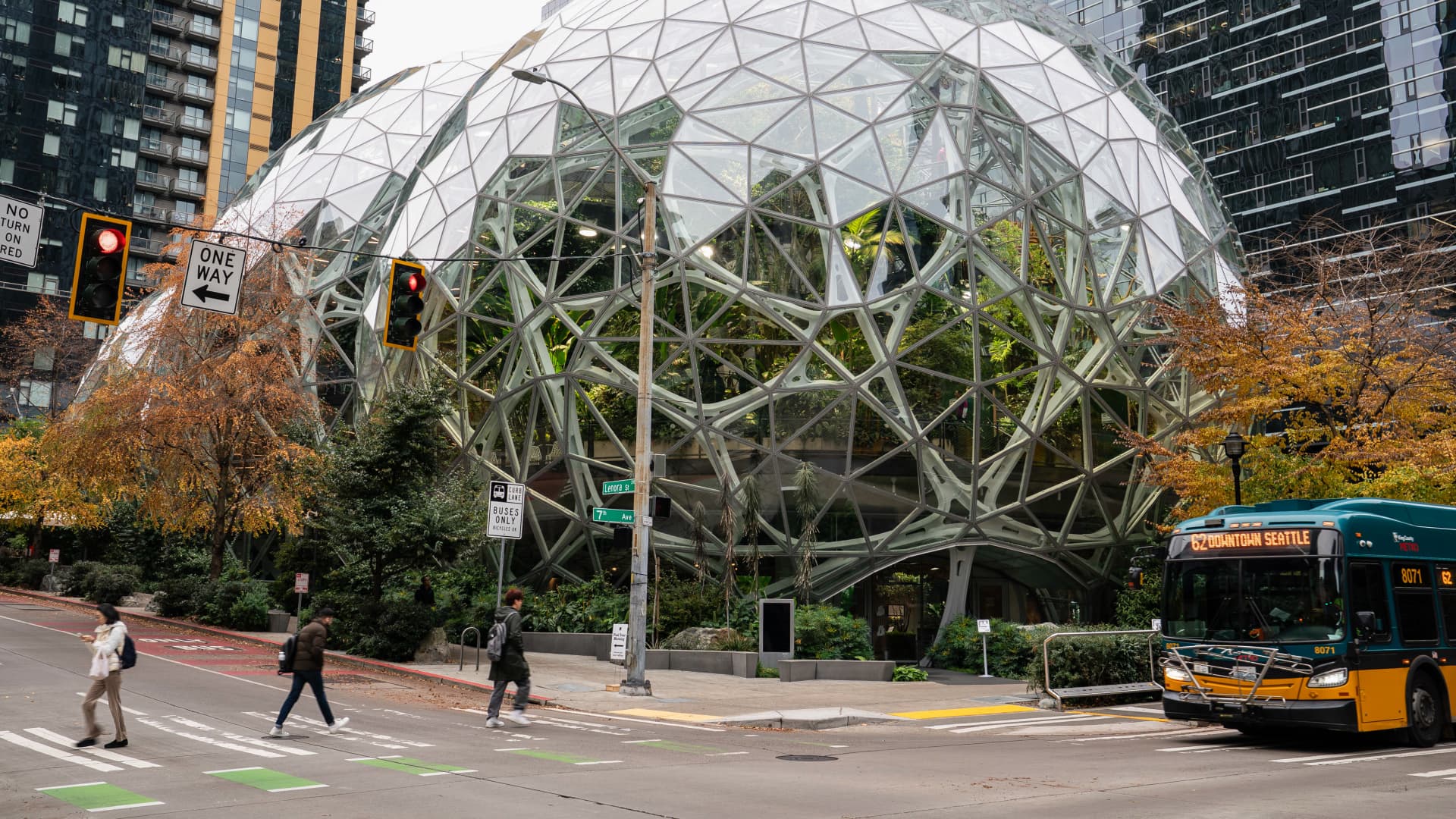
Amazon Backs Seattle's AI Data Center Regulations Amid Layoffs


- Capital Expenditure vs. Layoffs: Amazon plans to spend $200 billion in 2025 primarily on data centers and AI infrastructure, while simultaneously laying off 30,000 employees over the past eight months, highlighting a conflict between expansion and cost control.
- Regulatory Measures: The Seattle City Council approved a one-year moratorium on large AI data center construction to allow time for regulation, reflecting local government concerns over the rapid growth of AI data centers.
- Industry Response: Amazon engineers urged the council to require data center developers to commit to renewable energy and to stop using non-disclosure agreements when announcing new projects, indicating employee concerns about the company's environmental policies and social responsibilities.
- Industry Trends: Despite layoffs, Amazon and other tech giants like Microsoft and Alphabet are committing approximately $700 billion in 2025 for AI infrastructure, demonstrating the industry's ongoing pursuit of AI technology.
See More

Amazon's Layoffs Contradict Massive AI Investment Plans

- Layoffs vs. Investment: Amazon has laid off over 30,000 employees in the past eight months while planning to invest $200 billion in AI infrastructure this year, highlighting a stark contradiction that has sparked strong discontent among engineers regarding the company's priorities between cost-cutting and technological expansion.
- Data Center Regulation Proposal: The Seattle City Council unanimously approved a one-year moratorium on new large-scale AI data center developments, allowing time for the city to formulate regulatory policies in response to public outcry, indicating local governments' vigilance against the unchecked expansion of tech giants.
- Industry Trends and Opposition: As 14 states consider legislation to pause or ban new data centers, tech giants like Amazon, Microsoft, and Google are committing nearly $700 billion to AI infrastructure, yet growing community opposition reflects the tension between industry growth and social responsibility.
- Renewable Energy Advocacy: Amazon engineers urged data center developers to commit to renewable energy usage and proposed a new tax to fund city jobs during large layoffs, showcasing employees' concerns about corporate social responsibility and their expectations for sustainable practices.
See More

U.S. Stocks Decline Amid Middle East Tensions


- Market Decline: On Wednesday, the S&P 500 fell by 0.7%, the Nasdaq 100 by 0.3%, and the Dow Jones Industrial Average by 1.2%, marking the largest drop since March, reflecting investor concerns over escalating tensions in the Middle East.
- Oil and Treasury Yields Surge: The exchange of fire between the U.S. and Iran led to a spike in oil prices and Treasury yields, creating a tense market atmosphere that exacerbates investor worries about economic outlook and could threaten corporate profit margins.
- Federal Reserve Economic Report: The latest Beige Book from the Federal Reserve indicates that the U.S. economy expanded at a slight-to-moderate pace through May, despite rising energy costs driven by geopolitical tensions reshaping consumer behavior.
- Tech Stock Movements: Alphabet announced an increase in its equity raise from $80 billion to $84.75 billion, highlighting its urgent need for AI infrastructure development, which may impact its competitive positioning in the market.
See More
Meta Launches Business Agent Service, Stock Rises 4%
- Global Launch of Business Agent: Meta Business Agent is now available to all enterprises, utilizing an intelligent conversational tool to handle client interactions, initially free with subscription plans expected, enhancing engagement capabilities for business clients.
- Large User Base: Meta reported that over 1 million enterprises were using earlier versions of the chatbot on WhatsApp and Messenger, indicating broad acceptance and potential market reach for the platform.
- Competitive Market Advantage: Despite the crowded enterprise AI market, Meta's Business Agent may carve out a niche due to its adaptability, particularly for companies already utilizing Instagram and WhatsApp, potentially gaining market share.
- Capital Expenditure Plans: Meta aims to invest at least $125 billion in AI data center construction, and investors should monitor whether this expenditure yields substantial returns to support the company's long-term growth strategy.
See More
Meta Platforms Raises Capex Guidance Amid AI Growth
- Increased Capex Guidance: Meta recently raised its capital expenditure guidance for 2026 to between $125 billion and $145 billion, an increase of $10 billion from previous estimates, which has raised investor concerns despite the expectation of significant returns from AI spending.
- Ad Revenue Growth: In Q1 2026, Meta saw a 19% increase in ad impressions and a 12% year-over-year rise in average ad prices, resulting in ad revenue of $55 billion, which constitutes 98% of the company's total revenue, demonstrating the effectiveness of its AI-driven advertising tools.
- AI vs. Metaverse Comparison: Unlike the substantial losses associated with the metaverse, Meta's investments in AI are already yielding measurable returns, particularly in terms of ad revenue and user engagement, indicating that the company's strategic focus on AI is a prudent move.
- Potential for Compute Sales: Meta has the opportunity to sell computing capacity to other AI companies, as CEO Mark Zuckerberg mentioned inquiries from firms interested in purchasing compute services, providing an additional revenue stream despite its lag in cloud computing compared to major competitors.
See More
Broadcom's Strong Quarterly Results Fail to Boost Stock Price
- Revenue Performance: Broadcom reported $22.19 billion in revenue for Q2 2026, slightly missing the $22.27 billion consensus forecast, with a 48% year-over-year increase, but failed to meet market expectations for higher AI revenue, resulting in a post-market stock decline.
- Profitability Gains: Adjusted earnings per share (EPS) rose 54% to $2.44, surpassing the expected $2.40, while adjusted EBITDA increased 52% to $15.24 billion, indicating strong performance in the AI semiconductor sector.
- AI Business Outlook: Broadcom anticipates AI semiconductor revenues of $56 billion for FY 2026 and a target of at least $100 billion for FY 2027, although market skepticism regarding these targets led to a muted stock response.
- Customer Order Situation: The company secured over $30 billion in AI semiconductor orders this quarter, reflecting robust market demand; however, the infrastructure software segment's revenue fell short of expectations for the second consecutive quarter, impacting overall market reaction.
See More
Amazon Backs Seattle's AI Data Center Regulations Amid Layoffs
- Capital Expenditure vs. Layoffs: Amazon plans to spend $200 billion in 2025 primarily on data centers and AI infrastructure, while simultaneously laying off 30,000 employees over the past eight months, highlighting a conflict between expansion and cost control.
- Regulatory Measures: The Seattle City Council approved a one-year moratorium on large AI data center construction to allow time for regulation, reflecting local government concerns over the rapid growth of AI data centers.
- Industry Response: Amazon engineers urged the council to require data center developers to commit to renewable energy and to stop using non-disclosure agreements when announcing new projects, indicating employee concerns about the company's environmental policies and social responsibilities.
- Industry Trends: Despite layoffs, Amazon and other tech giants like Microsoft and Alphabet are committing approximately $700 billion in 2025 for AI infrastructure, demonstrating the industry's ongoing pursuit of AI technology.
See More
Amazon's Layoffs Contradict Massive AI Investment Plans
- Layoffs vs. Investment: Amazon has laid off over 30,000 employees in the past eight months while planning to invest $200 billion in AI infrastructure this year, highlighting a stark contradiction that has sparked strong discontent among engineers regarding the company's priorities between cost-cutting and technological expansion.
- Data Center Regulation Proposal: The Seattle City Council unanimously approved a one-year moratorium on new large-scale AI data center developments, allowing time for the city to formulate regulatory policies in response to public outcry, indicating local governments' vigilance against the unchecked expansion of tech giants.
- Industry Trends and Opposition: As 14 states consider legislation to pause or ban new data centers, tech giants like Amazon, Microsoft, and Google are committing nearly $700 billion to AI infrastructure, yet growing community opposition reflects the tension between industry growth and social responsibility.
- Renewable Energy Advocacy: Amazon engineers urged data center developers to commit to renewable energy usage and proposed a new tax to fund city jobs during large layoffs, showcasing employees' concerns about corporate social responsibility and their expectations for sustainable practices.
See More
U.S. Stocks Decline Amid Middle East Tensions
- Market Decline: On Wednesday, the S&P 500 fell by 0.7%, the Nasdaq 100 by 0.3%, and the Dow Jones Industrial Average by 1.2%, marking the largest drop since March, reflecting investor concerns over escalating tensions in the Middle East.
- Oil and Treasury Yields Surge: The exchange of fire between the U.S. and Iran led to a spike in oil prices and Treasury yields, creating a tense market atmosphere that exacerbates investor worries about economic outlook and could threaten corporate profit margins.
- Federal Reserve Economic Report: The latest Beige Book from the Federal Reserve indicates that the U.S. economy expanded at a slight-to-moderate pace through May, despite rising energy costs driven by geopolitical tensions reshaping consumer behavior.
- Tech Stock Movements: Alphabet announced an increase in its equity raise from $80 billion to $84.75 billion, highlighting its urgent need for AI infrastructure development, which may impact its competitive positioning in the market.
See More