Chevron's Pasadena Refinery Reports Crude Oil Spill at Red Bluff Tank Farm in Texas
Written by Emily J. Thompson, Senior Investment Analyst
Updated: 1 day ago
0mins
Should l Buy CVX?
Source: moomoo
Incident Overview: A crude oil spill occurred at the Pasadena, Texas Chevron refinery, affecting the surrounding area.
Environmental Impact: The spill raised concerns about potential environmental damage and the safety measures in place at the refinery.
Trade with 70% Backtested Accuracy
Stop guessing "Should I Buy CVX?" and start using high-conviction signals backed by rigorous historical data.
Sign up today to access powerful investing tools and make smarter, data-driven decisions.
Analyst Views on CVX
Wall Street analysts forecast CVX stock price to fall
19 Analyst Rating
15 Buy
4 Hold
0 Sell
Strong Buy
Current: 187.600

Low
158.00
Averages
176.95
High
206.00
Current: 187.600
Low
158.00
Averages
176.95
High
206.00
About CVX
Chevron Corporation is an integrated energy company. The Company produces crude oil and natural gas; manufactures transportation fuels, lubricants, petrochemicals and additives; and develops technologies that enhance its business and industry. The Company’s segments include Upstream and Downstream. Upstream operations consist primarily of exploring for, developing, producing and transporting crude oil and natural gas; liquefaction, transportation and regasification associated with LNG; transporting crude oil by major international oil export pipelines; processing, transporting, storage and marketing of natural gas; carbon capture and storage; and a gas-to-liquids plant. Downstream operations consist primarily of the refining of crude oil into petroleum products; marketing crude oil, refined products, and lubricants; manufacturing and marketing of renewable fuels, and transporting of crude oil and refined products by pipeline, marine vessel, motor equipment and rail car.
About the author

Emily J. Thompson
Emily J. Thompson, a Chartered Financial Analyst (CFA) with 12 years in investment research, graduated with honors from the Wharton School. Specializing in industrial and technology stocks, she provides in-depth analysis for Intellectia’s earnings and market brief reports.

US Israel-Lebanon Ceasefire Extended Amid Tensions


- Ceasefire Extension: President Trump announced that Israel and Lebanon agreed to extend their ceasefire by three weeks, aiming to buy more time for diplomatic negotiations, although the ongoing tensions may impact investor confidence.
- Energy Security Threat: IEA head Fatih Birol warned that the current conflict has resulted in a loss of 13 million barrels of oil per day, marking the biggest energy security threat in history, which could trigger global market volatility.
- Market Reaction: U.S. stocks pulled back as investors grew wary of the ceasefire's prospects, while Asian markets opened mixed, reflecting a cautious sentiment regarding future developments.
- Corporate Layoffs: Meta plans to lay off 10% of its workforce, approximately 8,000 employees, while Nike will cut 1,400 jobs, indicating structural adjustments in the tech sector amid accelerated AI investments.
See More
Iran War Causes Surge in Oil Prices


- Price Fluctuations: Since the onset of the Iran war on February 28, Brent crude prices have fluctuated between $90 and $112 per barrel, with an average price of $103 in March, indicating the war's direct impact on the global oil market.
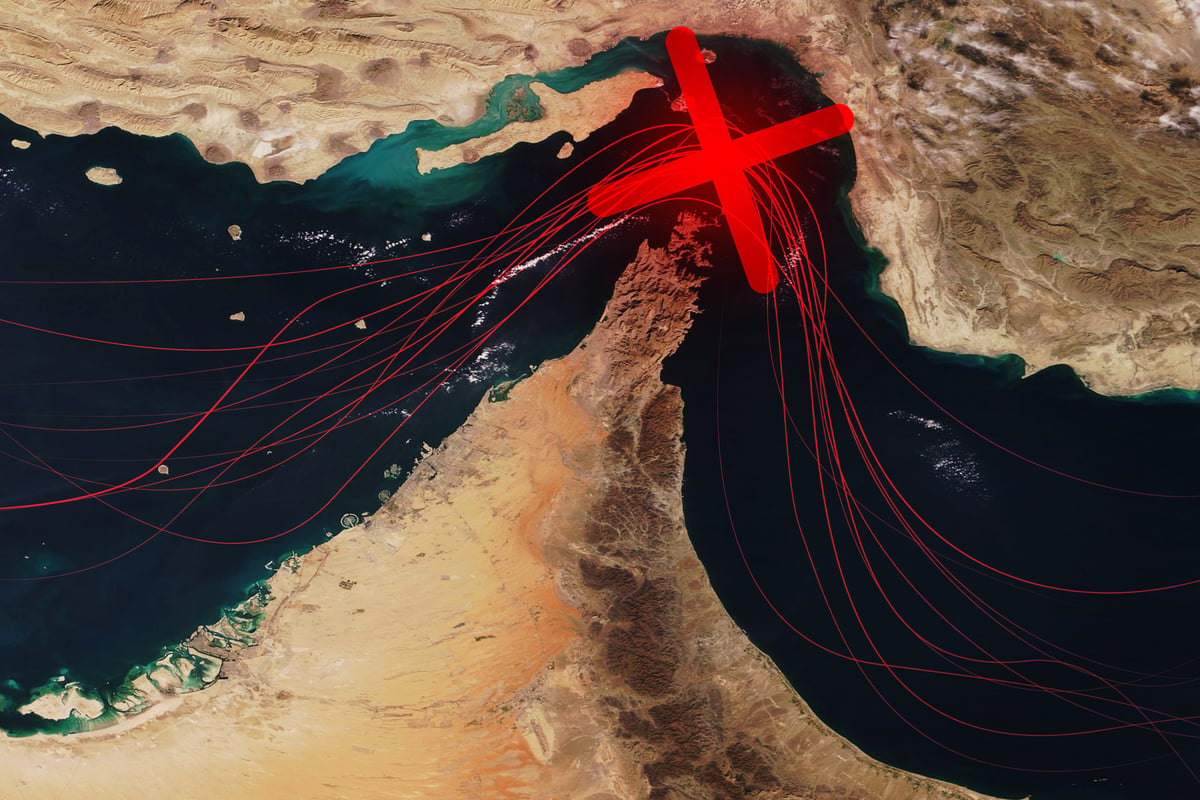
- Supply Disruption: Iran's ability to halt oil flow through the Strait of Hormuz has severely limited global supply, with experts predicting that even after the war ends, oil prices may stabilize between $75 and $95 per barrel, significantly above prewar levels.
- Infrastructure Damage: The war has inflicted substantial damage on oil and gas infrastructure in the Middle East, with repair costs estimated between $34 billion and $58 billion, and it will take months to restore production to prewar levels, exacerbating supply constraints.
- Economic Impact: While the U.S. economy is less reliant on oil than in the past, and most stocks remain unaffected, energy sector stocks have shown significant volatility, highlighting potential investment opportunities as oil prices are likely to remain elevated for some time.
See More

Oil Price Fluctuations and Infrastructure Damage Impact
- Infrastructure Repair Costs: Energy consultancy Rystad Energy estimates that repairing damaged oil infrastructure will cost between $34 billion and $58 billion and take many months, which will have a long-term impact on global oil supply.
- Oil Price Fluctuation Analysis: Since the outbreak of the Iran war on February 28, Brent crude prices have fluctuated between $90 and $112 per barrel, with an average price of $103 in March, indicating the direct impact of the war on the market.
- Market Response and Investment Opportunities: Although energy stocks surged at the onset of the war, major energy stocks like ExxonMobil and Chevron have recently returned to near prewar levels, reflecting cautious market expectations regarding future oil prices.
- Economic Impact Assessment: While the U.S. economy is less reliant on oil than in the past, the rise in oil prices could still significantly affect the energy sector, especially given the slow recovery in production, prompting investors to carefully evaluate market opportunities.
See More
Chevron Resumes LNG Production at Wheatstone Plant After Cyclone Repairs
- Production Resumption: Chevron announced on Thursday that it has resumed full liquefied natural gas (LNG) production at its Wheatstone plant in Australia following repairs from Tropical Cyclone Narelle, demonstrating the company's resilience in the face of natural disasters.
- Operational Disruption: The cyclone caused both LNG processing trains at the facility, which has an annual capacity of 8.9 million metric tons, to go offline, highlighting the potential impact of extreme weather on energy production and the vulnerability of global LNG supply chains.
- Market Supply Changes: The closure of the Strait of Hormuz by Iran and strikes on Qatari LNG infrastructure have led to a reduction in LNG supply from Qatar, causing the 30-day moving average of net LNG shipments to Asia to plunge below 600,000 tons this past weekend, the lowest level since June 2020, potentially exacerbating market tightness.
- Strategic Implications: Chevron's production resumption not only helps meet the demands of Western Australian customers but may also enhance its market share amid global LNG supply constraints, further solidifying its competitive position in the Asia-Pacific region.
See More

Investment Potential of Schwab U.S. Dividend ETF

- Dividend Yield Advantage: The Schwab U.S. Dividend ETF boasts a 12-month dividend yield of 3.4%, tripling the S&P 500's yield of 1.1%, providing investors with a stronger cash return that can cushion against market volatility.
- Long-Term Performance: According to Ned Davis Research, dividend-paying stocks have delivered a 9.2% annualized total return over the past 50 years, while the Schwab ETF has exceeded 12% annualized returns, showcasing its superior performance and long-term investment value amid market fluctuations.
- Energy and Defense Stock Allocation: With 19.9% of its assets in energy stocks and a 3.2% stake in Lockheed Martin, the ETF is well-positioned to benefit from any resumption of conflict, enhancing its defensive nature and income potential.
- Future Growth Expectations: Even if the war ends, major holdings like Chevron and ConocoPhillips are expected to achieve over 10% compound annual growth in free cash flow through 2030, ensuring continued dividend growth and investment appeal.
See More

Schwab U.S. Dividend Equity ETF as a Defensive Investment
- Dividend Yield Advantage: The Schwab U.S. Dividend Equity ETF boasts a trailing 12-month dividend yield of 3.4%, tripling the S&P 500's yield of 1.1%, thus providing investors with higher cash returns that help cushion against market volatility.
- Long-Term Return Potential: Over the past 50 years, dividend-paying stocks have delivered an annualized total return of 9.2%, while the Schwab ETF has exceeded 12% annualized returns since its inception in 2011, making it an attractive option for income-seeking investors.
- Energy and Defense Stock Allocation: With 19.9% of its assets in energy stocks and a 3.2% stake in Lockheed Martin, the ETF is well-positioned to benefit from ongoing geopolitical tensions, enhancing its defensive characteristics.
- Cash Flow Growth Expectations: Chevron anticipates over 10% compound annual growth in free cash flow through 2030, while ConocoPhillips expects to nearly double its free cash flow by 2029, providing a solid foundation for sustained high dividend growth and reinforcing the ETF's investment appeal.
See More
US Israel-Lebanon Ceasefire Extended Amid Tensions
- Ceasefire Extension: President Trump announced that Israel and Lebanon agreed to extend their ceasefire by three weeks, aiming to buy more time for diplomatic negotiations, although the ongoing tensions may impact investor confidence.
- Energy Security Threat: IEA head Fatih Birol warned that the current conflict has resulted in a loss of 13 million barrels of oil per day, marking the biggest energy security threat in history, which could trigger global market volatility.
- Market Reaction: U.S. stocks pulled back as investors grew wary of the ceasefire's prospects, while Asian markets opened mixed, reflecting a cautious sentiment regarding future developments.
- Corporate Layoffs: Meta plans to lay off 10% of its workforce, approximately 8,000 employees, while Nike will cut 1,400 jobs, indicating structural adjustments in the tech sector amid accelerated AI investments.
See More
Iran War Causes Surge in Oil Prices
- Price Fluctuations: Since the onset of the Iran war on February 28, Brent crude prices have fluctuated between $90 and $112 per barrel, with an average price of $103 in March, indicating the war's direct impact on the global oil market.
- Supply Disruption: Iran's ability to halt oil flow through the Strait of Hormuz has severely limited global supply, with experts predicting that even after the war ends, oil prices may stabilize between $75 and $95 per barrel, significantly above prewar levels.
- Infrastructure Damage: The war has inflicted substantial damage on oil and gas infrastructure in the Middle East, with repair costs estimated between $34 billion and $58 billion, and it will take months to restore production to prewar levels, exacerbating supply constraints.
- Economic Impact: While the U.S. economy is less reliant on oil than in the past, and most stocks remain unaffected, energy sector stocks have shown significant volatility, highlighting potential investment opportunities as oil prices are likely to remain elevated for some time.
See More
Oil Price Fluctuations and Infrastructure Damage Impact
- Infrastructure Repair Costs: Energy consultancy Rystad Energy estimates that repairing damaged oil infrastructure will cost between $34 billion and $58 billion and take many months, which will have a long-term impact on global oil supply.
- Oil Price Fluctuation Analysis: Since the outbreak of the Iran war on February 28, Brent crude prices have fluctuated between $90 and $112 per barrel, with an average price of $103 in March, indicating the direct impact of the war on the market.
- Market Response and Investment Opportunities: Although energy stocks surged at the onset of the war, major energy stocks like ExxonMobil and Chevron have recently returned to near prewar levels, reflecting cautious market expectations regarding future oil prices.
- Economic Impact Assessment: While the U.S. economy is less reliant on oil than in the past, the rise in oil prices could still significantly affect the energy sector, especially given the slow recovery in production, prompting investors to carefully evaluate market opportunities.
See More
Chevron Resumes LNG Production at Wheatstone Plant After Cyclone Repairs
- Production Resumption: Chevron announced on Thursday that it has resumed full liquefied natural gas (LNG) production at its Wheatstone plant in Australia following repairs from Tropical Cyclone Narelle, demonstrating the company's resilience in the face of natural disasters.
- Operational Disruption: The cyclone caused both LNG processing trains at the facility, which has an annual capacity of 8.9 million metric tons, to go offline, highlighting the potential impact of extreme weather on energy production and the vulnerability of global LNG supply chains.
- Market Supply Changes: The closure of the Strait of Hormuz by Iran and strikes on Qatari LNG infrastructure have led to a reduction in LNG supply from Qatar, causing the 30-day moving average of net LNG shipments to Asia to plunge below 600,000 tons this past weekend, the lowest level since June 2020, potentially exacerbating market tightness.
- Strategic Implications: Chevron's production resumption not only helps meet the demands of Western Australian customers but may also enhance its market share amid global LNG supply constraints, further solidifying its competitive position in the Asia-Pacific region.
See More
Investment Potential of Schwab U.S. Dividend ETF
- Dividend Yield Advantage: The Schwab U.S. Dividend ETF boasts a 12-month dividend yield of 3.4%, tripling the S&P 500's yield of 1.1%, providing investors with a stronger cash return that can cushion against market volatility.
- Long-Term Performance: According to Ned Davis Research, dividend-paying stocks have delivered a 9.2% annualized total return over the past 50 years, while the Schwab ETF has exceeded 12% annualized returns, showcasing its superior performance and long-term investment value amid market fluctuations.
- Energy and Defense Stock Allocation: With 19.9% of its assets in energy stocks and a 3.2% stake in Lockheed Martin, the ETF is well-positioned to benefit from any resumption of conflict, enhancing its defensive nature and income potential.
- Future Growth Expectations: Even if the war ends, major holdings like Chevron and ConocoPhillips are expected to achieve over 10% compound annual growth in free cash flow through 2030, ensuring continued dividend growth and investment appeal.
See More
Schwab U.S. Dividend Equity ETF as a Defensive Investment
- Dividend Yield Advantage: The Schwab U.S. Dividend Equity ETF boasts a trailing 12-month dividend yield of 3.4%, tripling the S&P 500's yield of 1.1%, thus providing investors with higher cash returns that help cushion against market volatility.
- Long-Term Return Potential: Over the past 50 years, dividend-paying stocks have delivered an annualized total return of 9.2%, while the Schwab ETF has exceeded 12% annualized returns since its inception in 2011, making it an attractive option for income-seeking investors.
- Energy and Defense Stock Allocation: With 19.9% of its assets in energy stocks and a 3.2% stake in Lockheed Martin, the ETF is well-positioned to benefit from ongoing geopolitical tensions, enhancing its defensive characteristics.
- Cash Flow Growth Expectations: Chevron anticipates over 10% compound annual growth in free cash flow through 2030, while ConocoPhillips expects to nearly double its free cash flow by 2029, providing a solid foundation for sustained high dividend growth and reinforcing the ETF's investment appeal.
See More