Chevron Partners with Microsoft to Build Natural Gas Power Plant
Written by Emily J. Thompson, Senior Investment Analyst
Updated: 1 hour ago
0mins
Should l Buy CVX?
Source: NASDAQ.COM
- Large-Scale Project: Chevron is collaborating with investment fund Engine No. 1 to finalize a deal with Microsoft for a 2.5-gigawatt natural gas power plant in Texas, which will be one of the largest in the U.S., providing electricity to a large AI data center and addressing surging power demands.
- Strategic Growth Engine: This initiative will leverage natural gas produced in the Permian Basin, potentially generating $12.5 billion in incremental free cash flow by 2026 at $70 oil, thereby enhancing Chevron's financial stability and growth trajectory.
- Long-Term Contract Security: The exclusive agreement with Microsoft ensures a stable revenue stream, reducing cash flow volatility while supporting Chevron's strategy to thrive in a lower-carbon economy, thereby solidifying its market position.
- Optimistic Future Outlook: Chevron aims for over 10% compound annual free cash flow growth through 2030, and successfully advancing this power plant project could significantly enhance its long-term growth prospects, making it a compelling energy stock for long-term investment.
Trade with 70% Backtested Accuracy
Stop guessing "Should I Buy CVX?" and start using high-conviction signals backed by rigorous historical data.
Sign up today to access powerful investing tools and make smarter, data-driven decisions.
Analyst Views on CVX
Wall Street analysts forecast CVX stock price to fall
19 Analyst Rating
15 Buy
4 Hold
0 Sell
Strong Buy
Current: 197.410

Low
158.00
Averages
176.95
High
206.00
Current: 197.410
Low
158.00
Averages
176.95
High
206.00
About CVX
Chevron Corporation is an integrated energy company. The Company produces crude oil and natural gas; manufactures transportation fuels, lubricants, petrochemicals and additives; and develops technologies that enhance its business and industry. The Company’s segments include Upstream and Downstream. Upstream operations consist primarily of exploring for, developing, producing and transporting crude oil and natural gas; liquefaction, transportation and regasification associated with LNG; transporting crude oil by major international oil export pipelines; processing, transporting, storage and marketing of natural gas; carbon capture and storage; and a gas-to-liquids plant. Downstream operations consist primarily of the refining of crude oil into petroleum products; marketing crude oil, refined products, and lubricants; manufacturing and marketing of renewable fuels, and transporting of crude oil and refined products by pipeline, marine vessel, motor equipment and rail car.
About the author

Emily J. Thompson
Emily J. Thompson, a Chartered Financial Analyst (CFA) with 12 years in investment research, graduated with honors from the Wharton School. Specializing in industrial and technology stocks, she provides in-depth analysis for Intellectia’s earnings and market brief reports.

Chevron Benefits from Soaring Oil Prices Amid Middle East Crisis

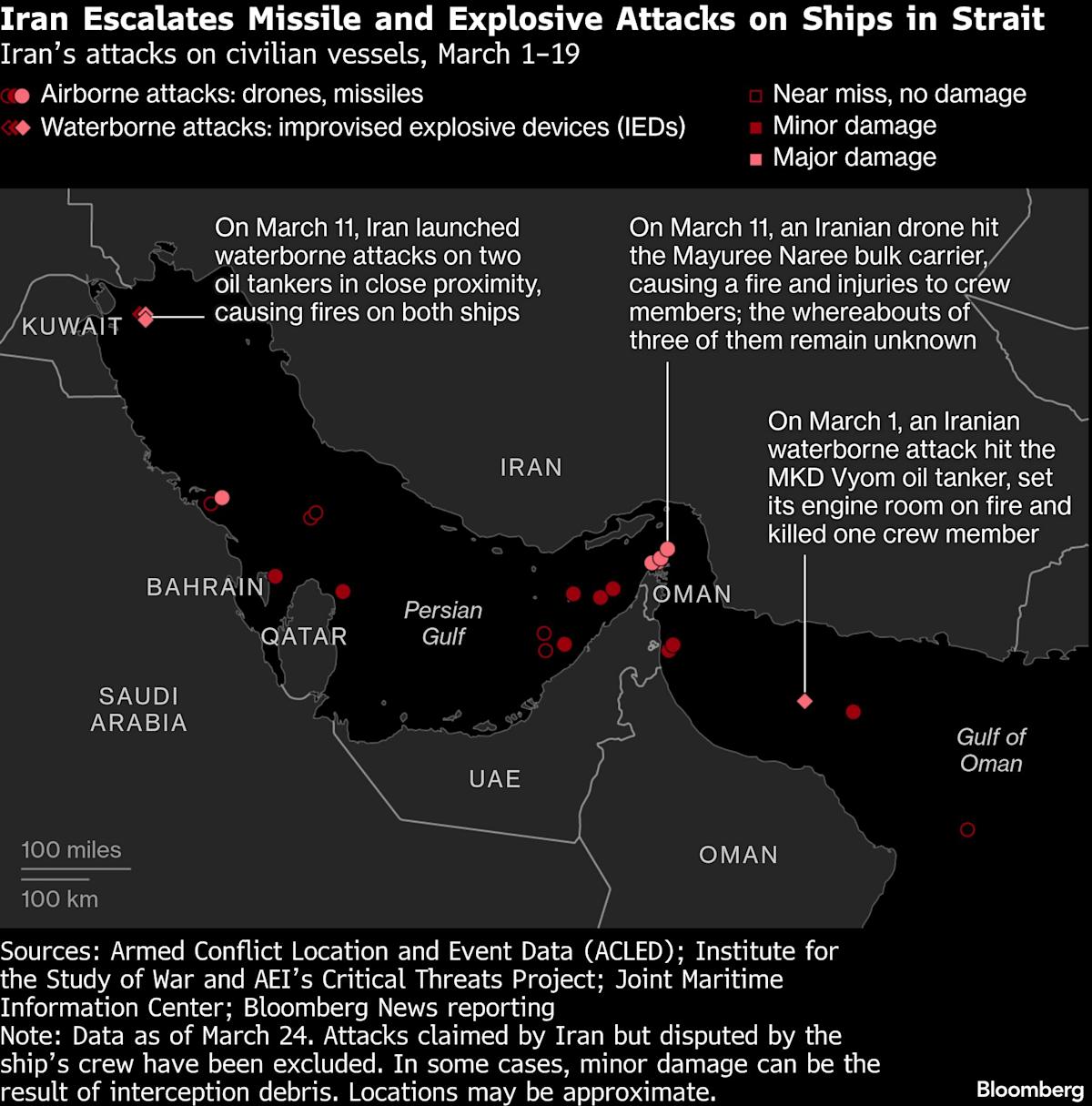
- Oil Price Surge Context: Brent and West Texas Intermediate crude oil prices are nearing their highest levels in a decade, primarily due to the conflict between the U.S./Israeli alliance and Iran, which has led to skyrocketing oil prices, making Chevron, the world's third-largest energy company, a significant beneficiary of this crisis due to its close correlation with oil prices.
- Strong Profitability: Despite oil prices exceeding $100 per barrel, Chevron maintains high profitability with a breakeven level below $50 per barrel, demonstrating flexibility in capital expenditures and dividend payments, having recently increased its dividend for the 39th consecutive year.
- Cost Control and Growth Outlook: Chevron achieved $1.5 billion in cost reductions in 2025 and plans to lower capital expenditures for 2026, while also expecting to cut costs by another $3 billion to $4 billion this year, driving an anticipated average annual earnings-per-share growth of at least 10%, indicating robust earnings growth potential.
- Market Leadership Position: Chevron ranks as the leading natural gas producer in the U.S. and holds a dominant position in the Gulf of Mexico, with significant oil production potential in Guyana due to the acquisition of Hess, and is poised to capitalize on newly opened opportunities in Venezuela, further solidifying its market position.
See More
Iran War Drives Oil Prices Up, Chevron's Outlook Bullish
- Oil Price Surge: The war in Iran has caused Brent crude prices to soar over 75% this year, recently surpassing $100 a barrel, and if the conflict persists, prices could rise further, positively impacting oil companies like Chevron.
- Chevron's Stock Lag: Although Chevron's stock has risen about 40% this year, it has not kept pace with crude oil prices due to market expectations of an end to the war and falling oil prices, leading to cautious investor sentiment regarding its future performance.
- Capital Spending Strategy Shift: Chevron has set its 2026 capital spending budget at $18 to $19 billion, focusing on high-return opportunities, and if the war escalates and damages more energy infrastructure, it is expected to increase investments in U.S. shale to quickly address global supply shortages.
- Future Cash Flow Expectations: Chevron anticipates generating an additional $12.5 billion in free cash flow this year at $70 oil, driven by expansion projects and cost-saving initiatives, which will further enhance its financial performance and market competitiveness if high oil prices persist.
See More

Chevron and Microsoft Collaborate on Natural Gas Power Plant

- Large-Scale Project: Chevron and investment fund Engine No. 1 are finalizing a deal with Microsoft to build a 2.5-gigawatt natural gas power plant, which will be one of the largest in the U.S., providing power to a large AI data center campus to meet surging electricity demand.
- Strategic Partnership: Last year, Chevron and Engine No. 1 formed a partnership focused on developing gas-fired power solutions for data centers, planning to build large-scale 'power foundries' to meet the massive electricity needs of AI data centers, with an initial target of 4 GW capacity.
- Significant Economic Benefits: The project is expected to cost around $7 billion and will enable Chevron to convert associated natural gas from its Permian Basin operations into electricity, addressing the issue of discounted or flared gas due to insufficient pipeline capacity, thus generating stable earnings for the company.
- Long-Term Growth Potential: By collaborating with Microsoft, Chevron not only enhances its competitiveness in a lower-carbon economy but also reduces cash flow volatility through long-term contracts, with expectations of achieving over 10% compound annual free cash flow growth by 2030, further solidifying its appeal as a long-term investment.
See More

Chevron Partners with Microsoft to Build Natural Gas Power Plant
- Large-Scale Project: Chevron is collaborating with investment fund Engine No. 1 to finalize a deal with Microsoft for a 2.5-gigawatt natural gas power plant in Texas, which will be one of the largest in the U.S., providing electricity to a large AI data center and addressing surging power demands.
- Strategic Growth Engine: This initiative will leverage natural gas produced in the Permian Basin, potentially generating $12.5 billion in incremental free cash flow by 2026 at $70 oil, thereby enhancing Chevron's financial stability and growth trajectory.
- Long-Term Contract Security: The exclusive agreement with Microsoft ensures a stable revenue stream, reducing cash flow volatility while supporting Chevron's strategy to thrive in a lower-carbon economy, thereby solidifying its market position.
- Optimistic Future Outlook: Chevron aims for over 10% compound annual free cash flow growth through 2030, and successfully advancing this power plant project could significantly enhance its long-term growth prospects, making it a compelling energy stock for long-term investment.
See More

Market Watch: Oil Price Surge and Stock Market Turmoil

- Oil Price Surge Impact: Following President Trump's address on the Iran war, which raised escalation concerns, U.S. crude benchmark WTI surged 9% to $109 a barrel, putting downward pressure on the stock market and negatively affecting investor sentiment.
- Bank of America Upgrades Vale: Bank of America upgraded Vale from hold to buy, suggesting that now is an attractive entry point for investors in the iron ore producer, despite Vale's stock dropping nearly 7% since the Iran conflict began, while iron ore prices have risen about 8%.
- Wix's Outlook Downgraded: UBS downgraded Wix from buy to hold, with analysts believing its 2026 outlook indicates a slowdown in core business growth from 12% last year to 8% this year, and despite efforts to integrate AI capabilities, the company remains vulnerable to disruption by AI.
- Cheniere Energy Price Target Increased: Citigroup raised Cheniere Energy's price target from $280 to $330 while reiterating its buy rating, as supply disruptions in the Middle East could benefit U.S. LNG exports long-term, with shares up about 17% since the war began.
See More
Chevron to Host Q1 2026 Earnings Call on May 1
- Earnings Call Announcement: Chevron Corporation will hold its Q1 2026 earnings conference call on May 1, 2026, at 11:00 a.m. ET, aimed at updating investors on its financial performance and strategic direction.
- Executive Participation: The call will feature Mike Wirth, Chairman and CEO, Eimear Bonner, CFO, and Jeanine Wai, Head of Investor Relations, ensuring comprehensive information delivery to investors.
- Live Webcast and Replay: Investors can access the live webcast through Chevron's website, with a replay available in the 'Investors' section for those unable to attend live, enhancing information accessibility.
- Company Overview: As a leading integrated energy company, Chevron focuses on crude oil and natural gas production while committing to reducing operational carbon intensity and developing new energy businesses, reflecting its dedication to sustainability.
See More
Chevron Benefits from Soaring Oil Prices Amid Middle East Crisis
- Oil Price Surge Context: Brent and West Texas Intermediate crude oil prices are nearing their highest levels in a decade, primarily due to the conflict between the U.S./Israeli alliance and Iran, which has led to skyrocketing oil prices, making Chevron, the world's third-largest energy company, a significant beneficiary of this crisis due to its close correlation with oil prices.
- Strong Profitability: Despite oil prices exceeding $100 per barrel, Chevron maintains high profitability with a breakeven level below $50 per barrel, demonstrating flexibility in capital expenditures and dividend payments, having recently increased its dividend for the 39th consecutive year.
- Cost Control and Growth Outlook: Chevron achieved $1.5 billion in cost reductions in 2025 and plans to lower capital expenditures for 2026, while also expecting to cut costs by another $3 billion to $4 billion this year, driving an anticipated average annual earnings-per-share growth of at least 10%, indicating robust earnings growth potential.
- Market Leadership Position: Chevron ranks as the leading natural gas producer in the U.S. and holds a dominant position in the Gulf of Mexico, with significant oil production potential in Guyana due to the acquisition of Hess, and is poised to capitalize on newly opened opportunities in Venezuela, further solidifying its market position.
See More
Iran War Drives Oil Prices Up, Chevron's Outlook Bullish
- Oil Price Surge: The war in Iran has caused Brent crude prices to soar over 75% this year, recently surpassing $100 a barrel, and if the conflict persists, prices could rise further, positively impacting oil companies like Chevron.
- Chevron's Stock Lag: Although Chevron's stock has risen about 40% this year, it has not kept pace with crude oil prices due to market expectations of an end to the war and falling oil prices, leading to cautious investor sentiment regarding its future performance.
- Capital Spending Strategy Shift: Chevron has set its 2026 capital spending budget at $18 to $19 billion, focusing on high-return opportunities, and if the war escalates and damages more energy infrastructure, it is expected to increase investments in U.S. shale to quickly address global supply shortages.
- Future Cash Flow Expectations: Chevron anticipates generating an additional $12.5 billion in free cash flow this year at $70 oil, driven by expansion projects and cost-saving initiatives, which will further enhance its financial performance and market competitiveness if high oil prices persist.
See More
Chevron and Microsoft Collaborate on Natural Gas Power Plant
- Large-Scale Project: Chevron and investment fund Engine No. 1 are finalizing a deal with Microsoft to build a 2.5-gigawatt natural gas power plant, which will be one of the largest in the U.S., providing power to a large AI data center campus to meet surging electricity demand.
- Strategic Partnership: Last year, Chevron and Engine No. 1 formed a partnership focused on developing gas-fired power solutions for data centers, planning to build large-scale 'power foundries' to meet the massive electricity needs of AI data centers, with an initial target of 4 GW capacity.
- Significant Economic Benefits: The project is expected to cost around $7 billion and will enable Chevron to convert associated natural gas from its Permian Basin operations into electricity, addressing the issue of discounted or flared gas due to insufficient pipeline capacity, thus generating stable earnings for the company.
- Long-Term Growth Potential: By collaborating with Microsoft, Chevron not only enhances its competitiveness in a lower-carbon economy but also reduces cash flow volatility through long-term contracts, with expectations of achieving over 10% compound annual free cash flow growth by 2030, further solidifying its appeal as a long-term investment.
See More
Chevron Partners with Microsoft to Build Natural Gas Power Plant
- Large-Scale Project: Chevron is collaborating with investment fund Engine No. 1 to finalize a deal with Microsoft for a 2.5-gigawatt natural gas power plant in Texas, which will be one of the largest in the U.S., providing electricity to a large AI data center and addressing surging power demands.
- Strategic Growth Engine: This initiative will leverage natural gas produced in the Permian Basin, potentially generating $12.5 billion in incremental free cash flow by 2026 at $70 oil, thereby enhancing Chevron's financial stability and growth trajectory.
- Long-Term Contract Security: The exclusive agreement with Microsoft ensures a stable revenue stream, reducing cash flow volatility while supporting Chevron's strategy to thrive in a lower-carbon economy, thereby solidifying its market position.
- Optimistic Future Outlook: Chevron aims for over 10% compound annual free cash flow growth through 2030, and successfully advancing this power plant project could significantly enhance its long-term growth prospects, making it a compelling energy stock for long-term investment.
See More
Market Watch: Oil Price Surge and Stock Market Turmoil
- Oil Price Surge Impact: Following President Trump's address on the Iran war, which raised escalation concerns, U.S. crude benchmark WTI surged 9% to $109 a barrel, putting downward pressure on the stock market and negatively affecting investor sentiment.
- Bank of America Upgrades Vale: Bank of America upgraded Vale from hold to buy, suggesting that now is an attractive entry point for investors in the iron ore producer, despite Vale's stock dropping nearly 7% since the Iran conflict began, while iron ore prices have risen about 8%.
- Wix's Outlook Downgraded: UBS downgraded Wix from buy to hold, with analysts believing its 2026 outlook indicates a slowdown in core business growth from 12% last year to 8% this year, and despite efforts to integrate AI capabilities, the company remains vulnerable to disruption by AI.
- Cheniere Energy Price Target Increased: Citigroup raised Cheniere Energy's price target from $280 to $330 while reiterating its buy rating, as supply disruptions in the Middle East could benefit U.S. LNG exports long-term, with shares up about 17% since the war began.
See More
Chevron to Host Q1 2026 Earnings Call on May 1
- Earnings Call Announcement: Chevron Corporation will hold its Q1 2026 earnings conference call on May 1, 2026, at 11:00 a.m. ET, aimed at updating investors on its financial performance and strategic direction.
- Executive Participation: The call will feature Mike Wirth, Chairman and CEO, Eimear Bonner, CFO, and Jeanine Wai, Head of Investor Relations, ensuring comprehensive information delivery to investors.
- Live Webcast and Replay: Investors can access the live webcast through Chevron's website, with a replay available in the 'Investors' section for those unable to attend live, enhancing information accessibility.
- Company Overview: As a leading integrated energy company, Chevron focuses on crude oil and natural gas production while committing to reducing operational carbon intensity and developing new energy businesses, reflecting its dedication to sustainability.
See More