CHEVRON CORP: RAYMOND JAMES LOWERS TARGET PRICE TO $225, DOWN FROM $238
Written by Emily J. Thompson, Senior Investment Analyst
Updated: 5 days ago
0mins
Should l Buy CVX?
Source: moomoo
- Chevron Corp Target Price Adjustment: Analyst Raymond James has cut the target price for Chevron Corp from $238 to $225.
- Market Impact: This adjustment reflects changing market conditions and expectations for the company's performance.
Trade with 70% Backtested Accuracy
Stop guessing "Should I Buy CVX?" and start using high-conviction signals backed by rigorous historical data.
Sign up today to access powerful investing tools and make smarter, data-driven decisions.
Analyst Views on CVX
Wall Street analysts forecast CVX stock price to fall
19 Analyst Rating
15 Buy
4 Hold
0 Sell
Strong Buy
Current: 187.600

Low
158.00
Averages
176.95
High
206.00
Current: 187.600
Low
158.00
Averages
176.95
High
206.00
About CVX
Chevron Corporation is an integrated energy company. The Company produces crude oil and natural gas; manufactures transportation fuels, lubricants, petrochemicals and additives; and develops technologies that enhance its business and industry. The Company’s segments include Upstream and Downstream. Upstream operations consist primarily of exploring for, developing, producing and transporting crude oil and natural gas; liquefaction, transportation and regasification associated with LNG; transporting crude oil by major international oil export pipelines; processing, transporting, storage and marketing of natural gas; carbon capture and storage; and a gas-to-liquids plant. Downstream operations consist primarily of the refining of crude oil into petroleum products; marketing crude oil, refined products, and lubricants; manufacturing and marketing of renewable fuels, and transporting of crude oil and refined products by pipeline, marine vessel, motor equipment and rail car.
About the author

Emily J. Thompson
Emily J. Thompson, a Chartered Financial Analyst (CFA) with 12 years in investment research, graduated with honors from the Wharton School. Specializing in industrial and technology stocks, she provides in-depth analysis for Intellectia’s earnings and market brief reports.

Iran's Airport Resumes Operations Amid Diplomatic Tensions


- Airport Resumption: Iran's Imam Khomeini International Airport officially resumed operations this morning, marking a tentative step toward normalcy following recent conflicts, with domestic carriers initiating initial flight schedules, including the first flights to Istanbul and Muscat, indicating early signs of transportation recovery.
- Diplomatic Efforts Stalled: U.S. envoys Jared Kushner and Steve Witkoff are set to arrive in Pakistan this weekend for high-stakes diplomacy aimed at ending the eight-week conflict with Iran; however, Tehran has publicly downplayed the mission, stating that Iranian officials will not meet directly with Americans, instead opting to convey observations through Pakistani mediators, highlighting the deepening diplomatic impasse.
- Strategic Impasse at Strait of Hormuz: The U.S. naval blockade on Iranian ports has led to a near-total shutdown of the Strait of Hormuz, with fewer than five ships crossing in the last 24 hours compared to pre-war averages of 130 per day, illustrating the increasing economic pressure and the contradiction with ongoing diplomatic efforts.
- Energy Market Volatility: Global energy markets remain tense as investors weigh the potential for a ceasefire against the risks of prolonged regional instability, with Brent crude trading above $105 per barrel this week, reflecting uncertainty over peace talks and the continued throttling of essential supply routes, thereby impacting the global growth outlook.
See More

Tech Earnings Week to Test Market Confidence


- Strong Market Performance: The S&P 500 and Nasdaq Composite closed at record highs on Friday, primarily driven by strong performances from chipmakers like Intel, indicating that stocks related to AI infrastructure are propelling market gains.
- Importance of Earnings Week: Cramer emphasized that next week will be the most critical for the tech sector this quarter, as it will reveal whether the market's confidence in high-valuation tech stocks is overly optimistic, particularly after reports from Verizon and Corning.
- Leading Industry Performers: Cramer described Nucor as the best industrial company in the market, with its earnings report likely to attract investor attention, while Bloom Energy could see a
See More

U.S. Stocks Near All-Time Highs as Investors Eye Tech Giants' Earnings


- Strong Market Performance: The S&P 500 and Nasdaq Composite indices reached new all-time highs in April, rising over 8% and 13% respectively, indicating robust market resilience despite ongoing geopolitical tensions and AI disruption concerns, reflecting investor confidence in tech stocks.
- Earnings Pressure on Tech Giants: Next week, five of the 'Magnificent Seven' companies will report earnings, with market expectations for them to demonstrate sufficient revenue growth to justify their high AI expenditures; Alphabet, Amazon, Meta, and Microsoft have all seen stock price increases of over 10% this month, highlighting the market's keen interest in their performance.
- Federal Reserve Meeting Impact: This is expected to be Jerome Powell's last meeting as chair, with the market widely anticipating that the Fed will keep interest rates unchanged, although rising oil prices could complicate future monetary policy, necessitating close attention to how this dynamic may affect the market.
- Cautious Investor Sentiment: As the traditional market adage 'Sell in May' approaches, investors remain wary of potential downside risks, particularly in light of poor software stock performance and rising oil prices, which could further dampen market sentiment.
See More

Stocks Set for Positive Finish as Chip Stocks Lead Market

- Chip Stock Surge: Following Intel's strong quarterly results, chip stocks have regained market attention, propelling the S&P 500 into positive territory and setting it on track for a fourth consecutive weekly gain, indicating a renewed confidence in tech stocks.
- Arm Holdings Price Target Raised: With Arm Holdings rallying over 30% since Monday, we are raising its price target from $200 to $250, although we are downgrading our rating to a 2, reflecting a cautious stance on further short-term gains.
- Rising CPU Demand: Increased demand for central processing units (CPUs) gives Amazon and Alphabet a competitive edge in the hyperscaler market, particularly with Amazon's AWS Graviton and Alphabet's Google Axion being Arm-based, allowing Arm to collect royalties on each chip deployed.
- Upcoming Earnings Season: The busiest week of earnings season is approaching, with about one-third of the S&P 500 set to report, including major companies like Apple, Amazon, and Microsoft, and market reactions to these reports will significantly influence overall investment sentiment.
See More

US Israel-Lebanon Ceasefire Extended Amid Tensions


- Ceasefire Extension: President Trump announced that Israel and Lebanon agreed to extend their ceasefire by three weeks, aiming to buy more time for diplomatic negotiations, although the ongoing tensions may impact investor confidence.
- Energy Security Threat: IEA head Fatih Birol warned that the current conflict has resulted in a loss of 13 million barrels of oil per day, marking the biggest energy security threat in history, which could trigger global market volatility.
- Market Reaction: U.S. stocks pulled back as investors grew wary of the ceasefire's prospects, while Asian markets opened mixed, reflecting a cautious sentiment regarding future developments.
- Corporate Layoffs: Meta plans to lay off 10% of its workforce, approximately 8,000 employees, while Nike will cut 1,400 jobs, indicating structural adjustments in the tech sector amid accelerated AI investments.
See More
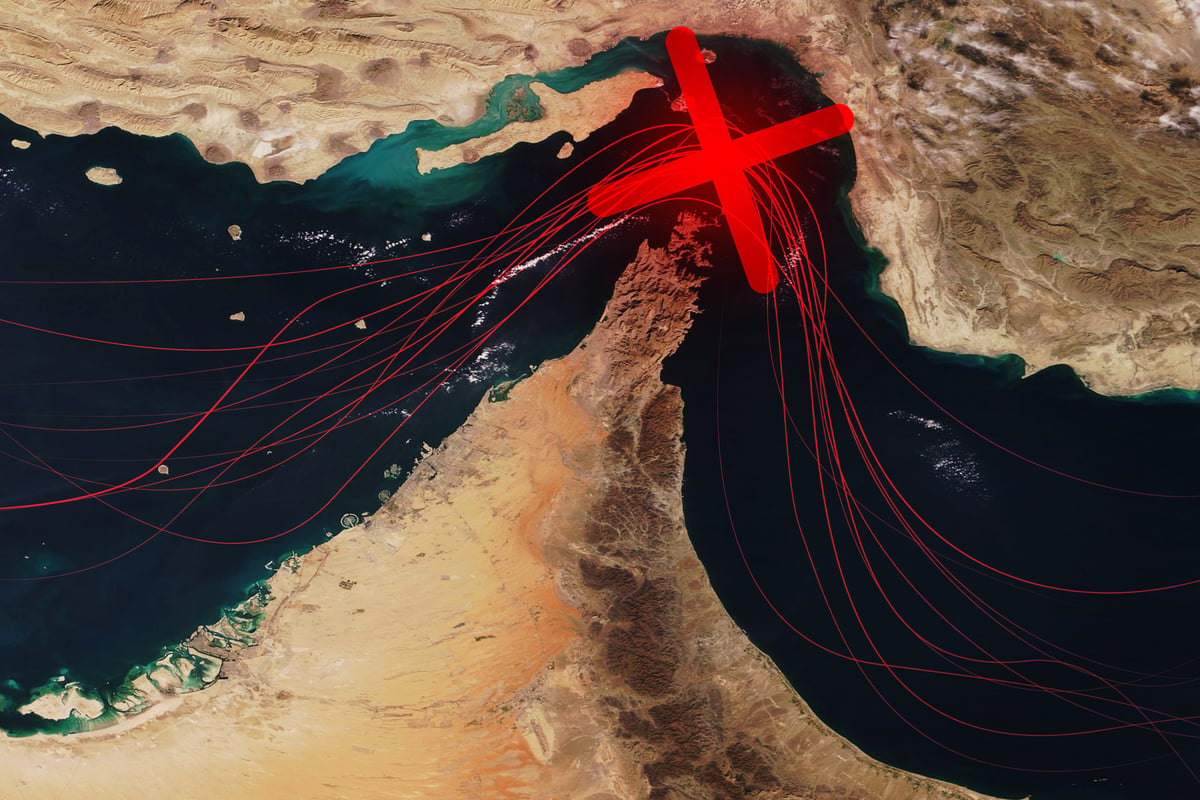
Iran War Causes Surge in Oil Prices
- Price Fluctuations: Since the onset of the Iran war on February 28, Brent crude prices have fluctuated between $90 and $112 per barrel, with an average price of $103 in March, indicating the war's direct impact on the global oil market.
- Supply Disruption: Iran's ability to halt oil flow through the Strait of Hormuz has severely limited global supply, with experts predicting that even after the war ends, oil prices may stabilize between $75 and $95 per barrel, significantly above prewar levels.
- Infrastructure Damage: The war has inflicted substantial damage on oil and gas infrastructure in the Middle East, with repair costs estimated between $34 billion and $58 billion, and it will take months to restore production to prewar levels, exacerbating supply constraints.
- Economic Impact: While the U.S. economy is less reliant on oil than in the past, and most stocks remain unaffected, energy sector stocks have shown significant volatility, highlighting potential investment opportunities as oil prices are likely to remain elevated for some time.
See More
Iran's Airport Resumes Operations Amid Diplomatic Tensions
- Airport Resumption: Iran's Imam Khomeini International Airport officially resumed operations this morning, marking a tentative step toward normalcy following recent conflicts, with domestic carriers initiating initial flight schedules, including the first flights to Istanbul and Muscat, indicating early signs of transportation recovery.
- Diplomatic Efforts Stalled: U.S. envoys Jared Kushner and Steve Witkoff are set to arrive in Pakistan this weekend for high-stakes diplomacy aimed at ending the eight-week conflict with Iran; however, Tehran has publicly downplayed the mission, stating that Iranian officials will not meet directly with Americans, instead opting to convey observations through Pakistani mediators, highlighting the deepening diplomatic impasse.
- Strategic Impasse at Strait of Hormuz: The U.S. naval blockade on Iranian ports has led to a near-total shutdown of the Strait of Hormuz, with fewer than five ships crossing in the last 24 hours compared to pre-war averages of 130 per day, illustrating the increasing economic pressure and the contradiction with ongoing diplomatic efforts.
- Energy Market Volatility: Global energy markets remain tense as investors weigh the potential for a ceasefire against the risks of prolonged regional instability, with Brent crude trading above $105 per barrel this week, reflecting uncertainty over peace talks and the continued throttling of essential supply routes, thereby impacting the global growth outlook.
See More
Tech Earnings Week to Test Market Confidence
- Strong Market Performance: The S&P 500 and Nasdaq Composite closed at record highs on Friday, primarily driven by strong performances from chipmakers like Intel, indicating that stocks related to AI infrastructure are propelling market gains.
- Importance of Earnings Week: Cramer emphasized that next week will be the most critical for the tech sector this quarter, as it will reveal whether the market's confidence in high-valuation tech stocks is overly optimistic, particularly after reports from Verizon and Corning.
- Leading Industry Performers: Cramer described Nucor as the best industrial company in the market, with its earnings report likely to attract investor attention, while Bloom Energy could see a
See More
U.S. Stocks Near All-Time Highs as Investors Eye Tech Giants' Earnings
- Strong Market Performance: The S&P 500 and Nasdaq Composite indices reached new all-time highs in April, rising over 8% and 13% respectively, indicating robust market resilience despite ongoing geopolitical tensions and AI disruption concerns, reflecting investor confidence in tech stocks.
- Earnings Pressure on Tech Giants: Next week, five of the 'Magnificent Seven' companies will report earnings, with market expectations for them to demonstrate sufficient revenue growth to justify their high AI expenditures; Alphabet, Amazon, Meta, and Microsoft have all seen stock price increases of over 10% this month, highlighting the market's keen interest in their performance.
- Federal Reserve Meeting Impact: This is expected to be Jerome Powell's last meeting as chair, with the market widely anticipating that the Fed will keep interest rates unchanged, although rising oil prices could complicate future monetary policy, necessitating close attention to how this dynamic may affect the market.
- Cautious Investor Sentiment: As the traditional market adage 'Sell in May' approaches, investors remain wary of potential downside risks, particularly in light of poor software stock performance and rising oil prices, which could further dampen market sentiment.
See More
Stocks Set for Positive Finish as Chip Stocks Lead Market
- Chip Stock Surge: Following Intel's strong quarterly results, chip stocks have regained market attention, propelling the S&P 500 into positive territory and setting it on track for a fourth consecutive weekly gain, indicating a renewed confidence in tech stocks.
- Arm Holdings Price Target Raised: With Arm Holdings rallying over 30% since Monday, we are raising its price target from $200 to $250, although we are downgrading our rating to a 2, reflecting a cautious stance on further short-term gains.
- Rising CPU Demand: Increased demand for central processing units (CPUs) gives Amazon and Alphabet a competitive edge in the hyperscaler market, particularly with Amazon's AWS Graviton and Alphabet's Google Axion being Arm-based, allowing Arm to collect royalties on each chip deployed.
- Upcoming Earnings Season: The busiest week of earnings season is approaching, with about one-third of the S&P 500 set to report, including major companies like Apple, Amazon, and Microsoft, and market reactions to these reports will significantly influence overall investment sentiment.
See More
US Israel-Lebanon Ceasefire Extended Amid Tensions
- Ceasefire Extension: President Trump announced that Israel and Lebanon agreed to extend their ceasefire by three weeks, aiming to buy more time for diplomatic negotiations, although the ongoing tensions may impact investor confidence.
- Energy Security Threat: IEA head Fatih Birol warned that the current conflict has resulted in a loss of 13 million barrels of oil per day, marking the biggest energy security threat in history, which could trigger global market volatility.
- Market Reaction: U.S. stocks pulled back as investors grew wary of the ceasefire's prospects, while Asian markets opened mixed, reflecting a cautious sentiment regarding future developments.
- Corporate Layoffs: Meta plans to lay off 10% of its workforce, approximately 8,000 employees, while Nike will cut 1,400 jobs, indicating structural adjustments in the tech sector amid accelerated AI investments.
See More
Iran War Causes Surge in Oil Prices
- Price Fluctuations: Since the onset of the Iran war on February 28, Brent crude prices have fluctuated between $90 and $112 per barrel, with an average price of $103 in March, indicating the war's direct impact on the global oil market.
- Supply Disruption: Iran's ability to halt oil flow through the Strait of Hormuz has severely limited global supply, with experts predicting that even after the war ends, oil prices may stabilize between $75 and $95 per barrel, significantly above prewar levels.
- Infrastructure Damage: The war has inflicted substantial damage on oil and gas infrastructure in the Middle East, with repair costs estimated between $34 billion and $58 billion, and it will take months to restore production to prewar levels, exacerbating supply constraints.
- Economic Impact: While the U.S. economy is less reliant on oil than in the past, and most stocks remain unaffected, energy sector stocks have shown significant volatility, highlighting potential investment opportunities as oil prices are likely to remain elevated for some time.
See More