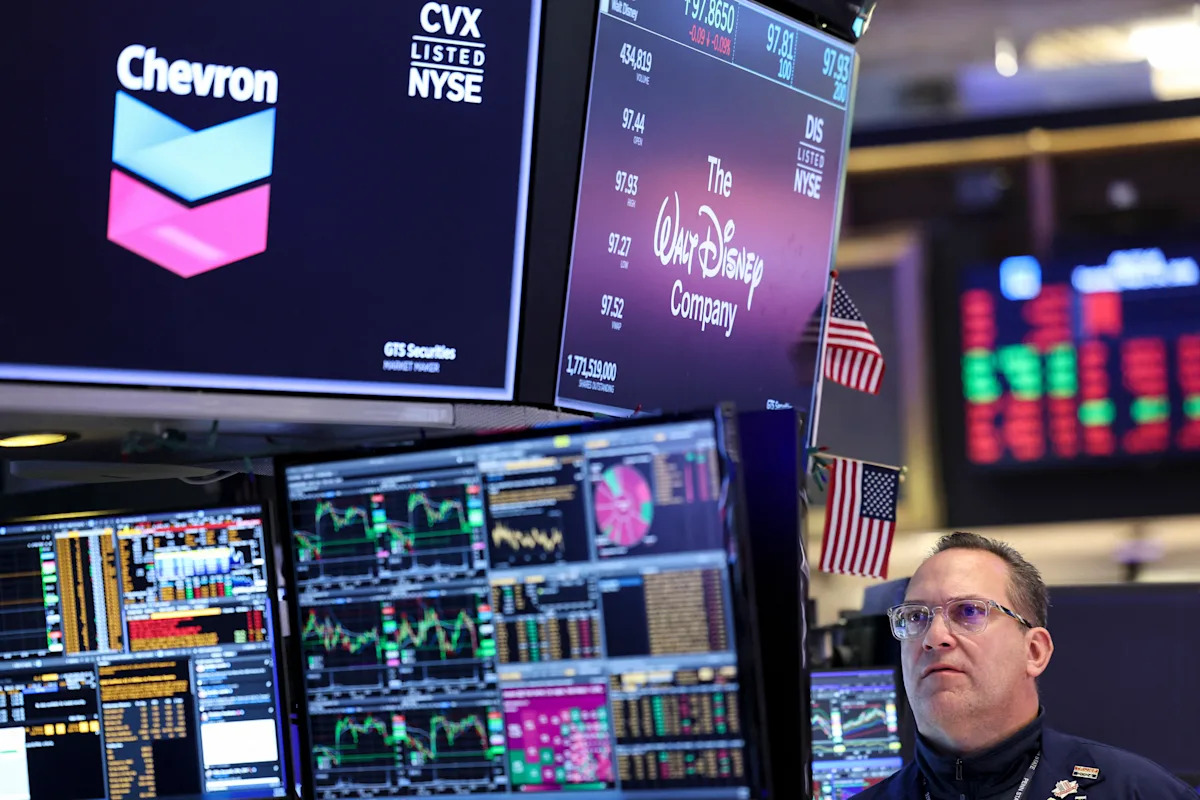
Chevron CEO Warns Energy Markets Need to Be More Concerned
Oil Supply Shock: Energy markets are not reflecting the true impact of the oil supply shock due to the ongoing war in Iran, according to Chevron CEO Mike Wirth.
Brent Crude Futures: Wirth argues that Brent crude futures should be priced higher based on the significant supply disruptions and infrastructure damage caused by the conflict.
Trade with 70% Backtested Accuracy
Analyst Views on CVX

About CVX
About the author


CHEVRON CORP AMENDS BY-LAWS TO ENABLE JOHN HESS TO PARTICIPATE FULLY ON BOARD AS A NON-EMPLOYEE DIRECTOR - SEC FILING

Chevron Corp By-Laws Amended: Chevron has amended its by-laws to allow John Hess to fully participate as a non-employee director on the board.
Non-Employee Director Participation: The amendment specifically enables non-employee directors to engage more actively in board activities, enhancing governance and oversight.

U.S. Treasury Yields Edge Higher Amid Iran War Developments

- Treasury Yield Increase: The benchmark 10-year Treasury yield rose by 4 basis points to 4.456%, indicating ongoing investor concern about market dynamics, which could impact future financing costs and investment decisions.
- Short-term Bond Fluctuations: The 2-year Treasury yield increased by more than 1 basis point to 3.998%, reflecting a cautious market outlook on short-term economic prospects, potentially leading to liquidity tightening and higher borrowing costs.
- Energy Market Reaction: Trump's announcement to extend the pause on energy facility attacks by 10 days led to a rise in oil prices, with Brent crude futures gaining 1.4% to around $109.58 per barrel, highlighting market sensitivity to geopolitical risks.
- Consumer Confidence Monitoring: Investors will be watching the upcoming Michigan Consumer Sentiment Index release, which is expected to influence market sentiment and consumer spending expectations, further impacting the pace of economic recovery.
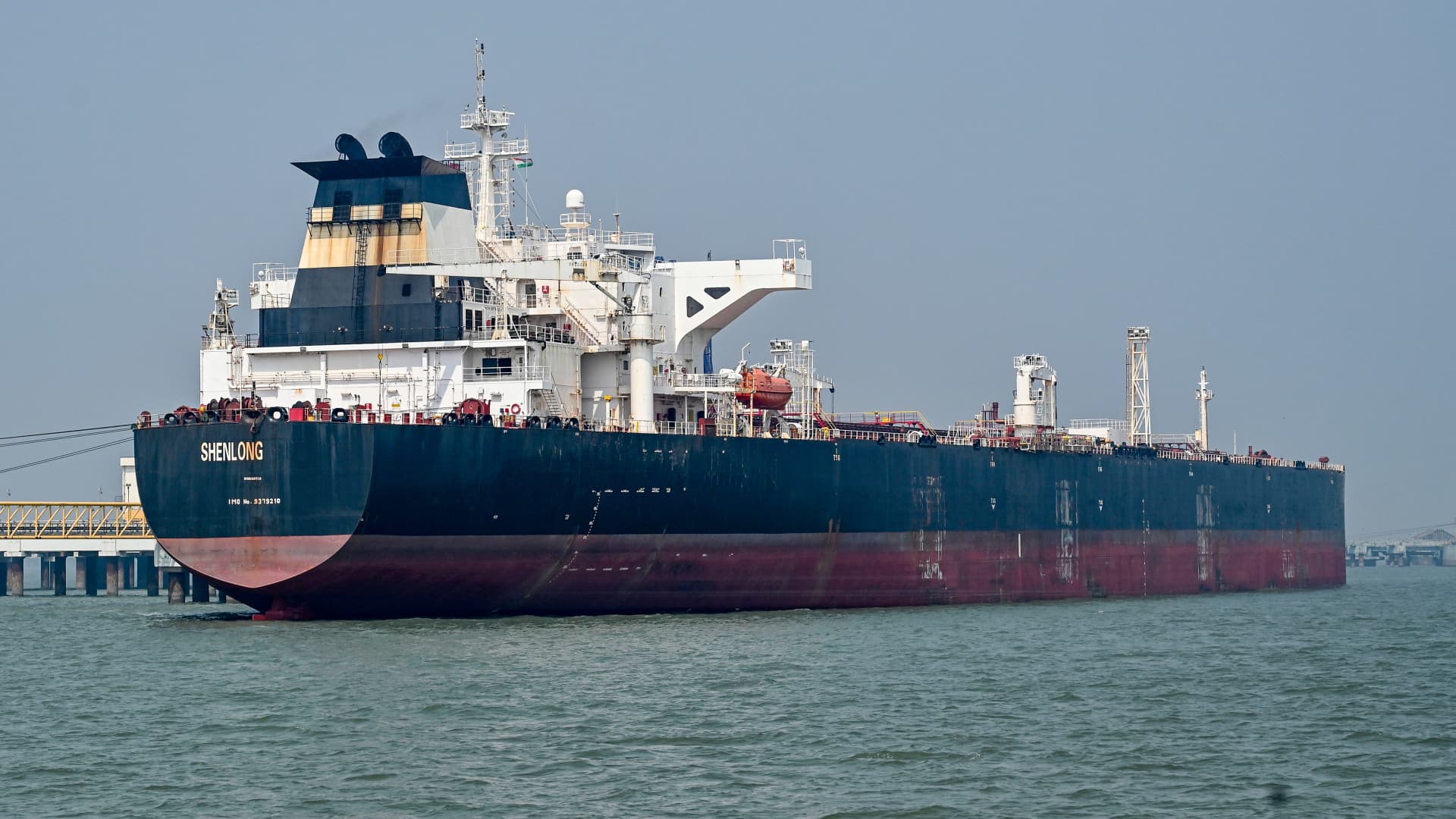
Indian Government Cuts Fuel Taxes Amid Energy Crisis


- Fuel Tax Cuts: The Indian government has reduced central excise duties on petrol and diesel by 10 rupees ($0.11) each to mitigate losses of 24 rupees per liter for petrol and 30 rupees for diesel, aiming to protect consumers from rising prices amid global energy supply disruptions due to the Iran war.
- Increased Fiscal Pressure: While the government absorbs rising energy costs to maintain retail prices, this decision exacerbates the fiscal deficit, particularly as domestic demand weakens, potentially leading to higher inflation and tempered economic growth.
- Deteriorating Macroeconomic Indicators: HSBC's Purchasing Managers' Index indicates that private sector activity in India fell to its lowest level since October 2022 in March, reflecting pressures from weak domestic demand and cost inflation nearing a four-year high.
- Downgraded Economic Growth Outlook: According to Renaissance Investment Managers, if oil prices stabilize at $85-$95 per barrel post-conflict, India's economic growth could be trimmed from 7.2% to 6.5%, resulting in capital outflows of $40 billion to $50 billion, exceeding 1% of India's GDP.
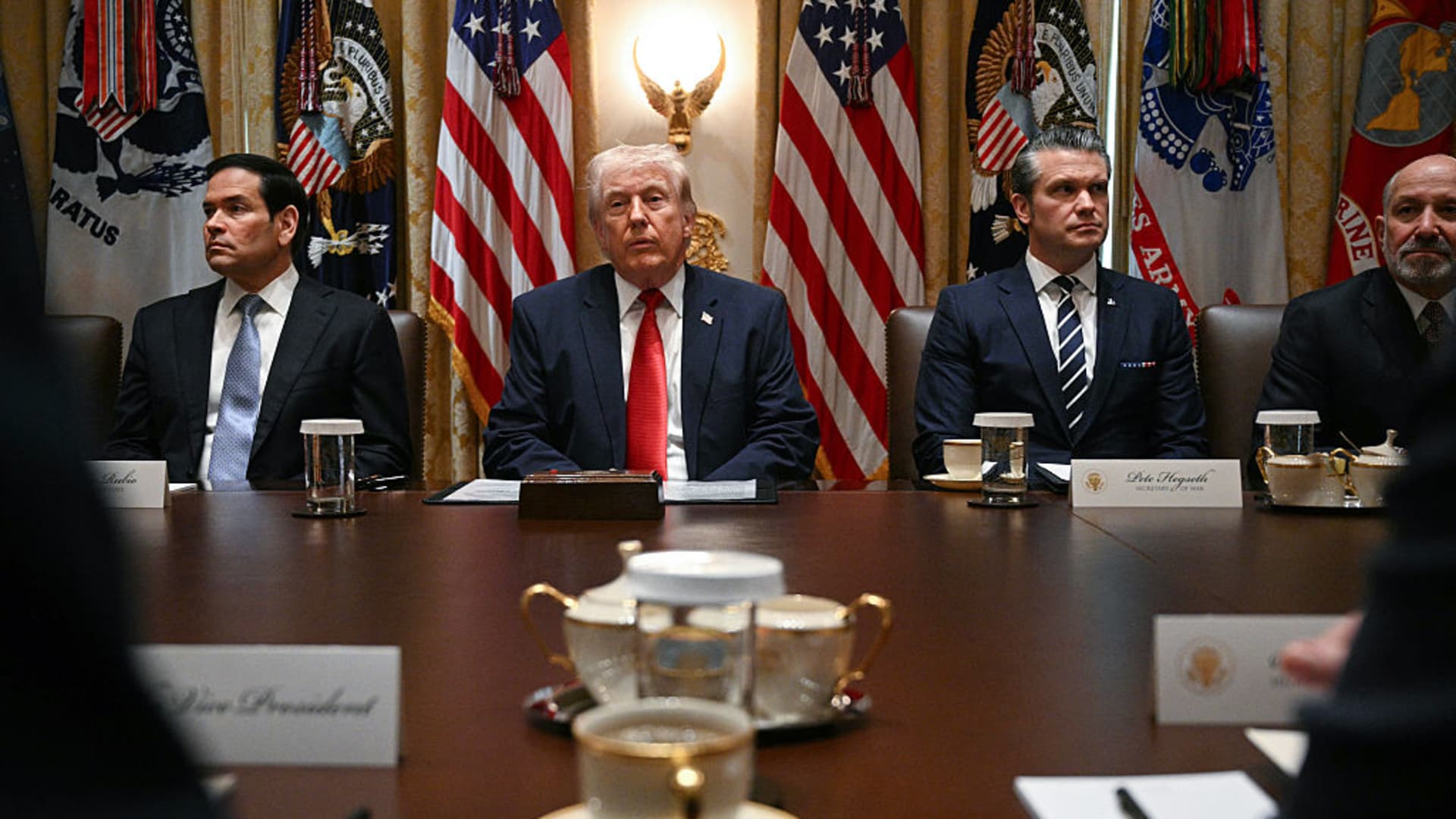
Trump Extends Pause on Attacks Against Iran's Energy Facilities


- Attack Pause Extended: President Trump has extended the pause on potential U.S. attacks on Iranian energy facilities until April 6, warning Iranian negotiators to take negotiations seriously soon, as failure to do so could have dire consequences, which may impact market confidence in the region.
- Oil Price Fluctuations: Oil prices fell in early trading on Friday, with Brent and WTI on track for their steepest weekly drop in six months due to market skepticism about the peace talks, potentially affecting the stock performance of energy-related companies.
- Troop Deployment: The U.S. is preparing to send approximately 3,000 troops to the Middle East, raising speculation about a possible ground attack on Iran, which could escalate regional tensions and influence global market sentiment.
- Legal Developments: A federal judge in San Francisco granted a preliminary injunction to Anthropic against the Trump administration, ruling that the government's blacklisting of the company may constitute illegal retaliation under the First Amendment, which could affect the relationship between the tech industry and the government.
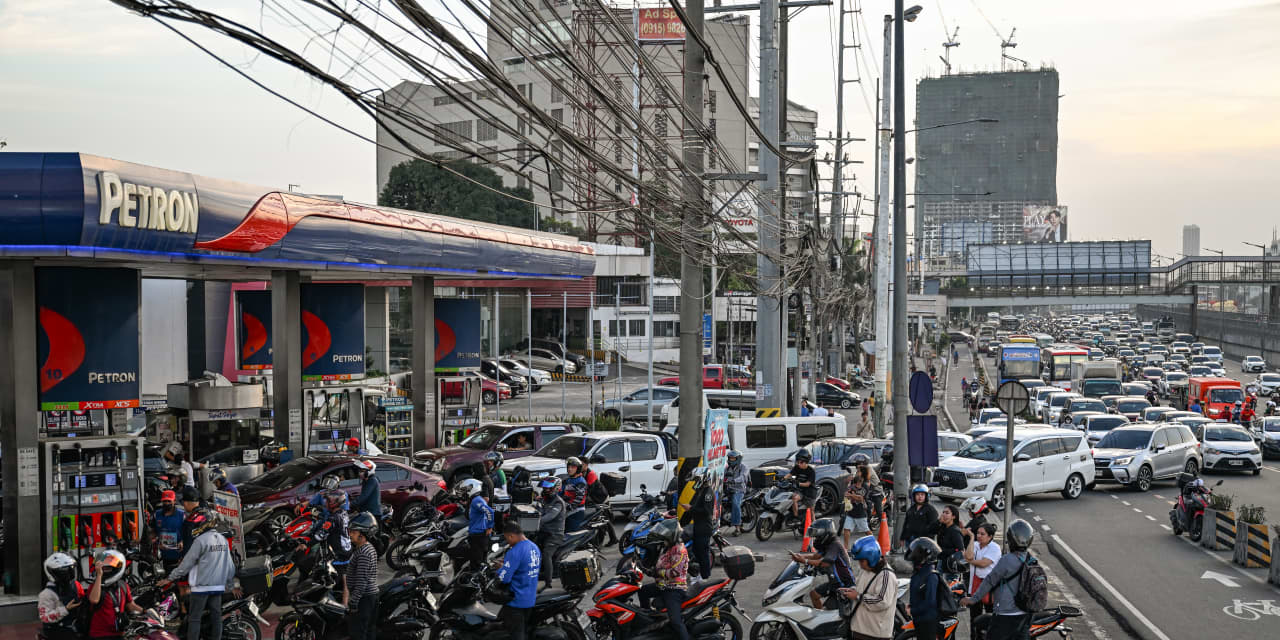
The Oil Crisis Is Here to Last. Energy Executives Prepare for Impact.

Current State of the Energy Industry: The energy industry is facing challenges in returning to its pre-Iran War conditions, indicating a prolonged period of instability.
High Oil Prices: Oil prices are expected to remain elevated, potentially lasting until 2027, impacting global markets and economies.
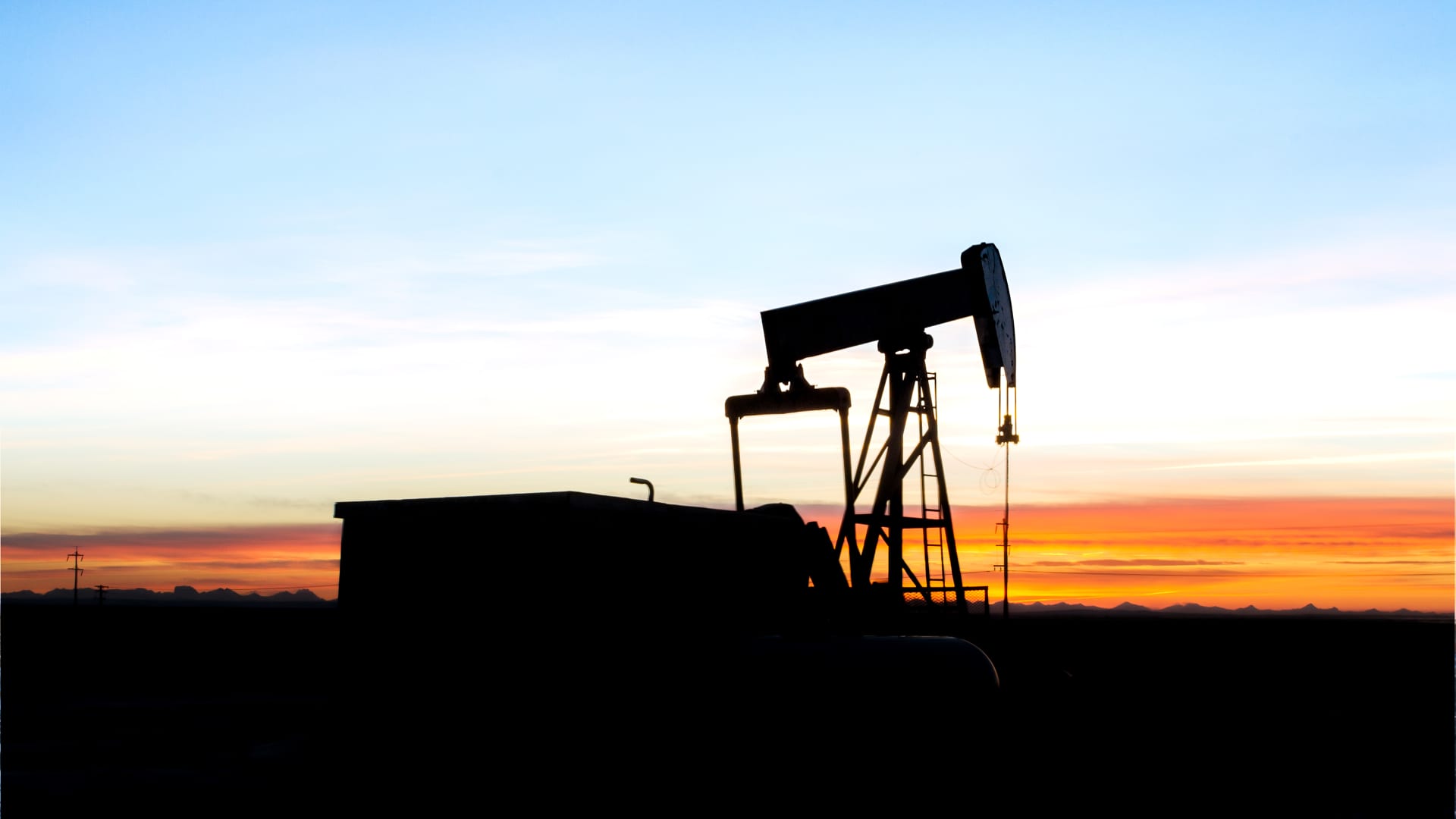
Oil Prices Drop as Iran Allows Tankers Passage
- Oil Price Decline: International benchmark Brent crude futures fell by 1.92% to $105.94 per barrel, while U.S. West Texas Intermediate futures dropped 1.76% to $92.82 per barrel, indicating a potential easing of supply concerns in the market.
- Iran's Goodwill Gesture: President Trump stated that Iran allowed 10 oil tankers to pass through the Strait of Hormuz as a 'gift' to the U.S., suggesting a possible thaw in tensions, although analysts warn that the market remains vulnerable to volatility.
- Monitoring Market Dynamics: The situation in the Strait of Hormuz is critical for global crude flows, and while isolated shipments may resume, the overall oil market is still fragile, lacking the capacity to absorb further shocks effectively.
- Supply Disruption Assessment: Rystad Energy estimates that nearly 17.8 million barrels per day of oil and fuel flows have been disrupted in the Strait of Hormuz, with total liquid losses nearing 500 million barrels, highlighting the market's sensitivity to supply interruptions.
CHEVRON CORP AMENDS BY-LAWS TO ENABLE JOHN HESS TO PARTICIPATE FULLY ON BOARD AS A NON-EMPLOYEE DIRECTOR - SEC FILING
Chevron Corp By-Laws Amended: Chevron has amended its by-laws to allow John Hess to fully participate as a non-employee director on the board.
Non-Employee Director Participation: The amendment specifically enables non-employee directors to engage more actively in board activities, enhancing governance and oversight.
U.S. Treasury Yields Edge Higher Amid Iran War Developments
- Treasury Yield Increase: The benchmark 10-year Treasury yield rose by 4 basis points to 4.456%, indicating ongoing investor concern about market dynamics, which could impact future financing costs and investment decisions.
- Short-term Bond Fluctuations: The 2-year Treasury yield increased by more than 1 basis point to 3.998%, reflecting a cautious market outlook on short-term economic prospects, potentially leading to liquidity tightening and higher borrowing costs.
- Energy Market Reaction: Trump's announcement to extend the pause on energy facility attacks by 10 days led to a rise in oil prices, with Brent crude futures gaining 1.4% to around $109.58 per barrel, highlighting market sensitivity to geopolitical risks.
- Consumer Confidence Monitoring: Investors will be watching the upcoming Michigan Consumer Sentiment Index release, which is expected to influence market sentiment and consumer spending expectations, further impacting the pace of economic recovery.
Indian Government Cuts Fuel Taxes Amid Energy Crisis
- Fuel Tax Cuts: The Indian government has reduced central excise duties on petrol and diesel by 10 rupees ($0.11) each to mitigate losses of 24 rupees per liter for petrol and 30 rupees for diesel, aiming to protect consumers from rising prices amid global energy supply disruptions due to the Iran war.
- Increased Fiscal Pressure: While the government absorbs rising energy costs to maintain retail prices, this decision exacerbates the fiscal deficit, particularly as domestic demand weakens, potentially leading to higher inflation and tempered economic growth.
- Deteriorating Macroeconomic Indicators: HSBC's Purchasing Managers' Index indicates that private sector activity in India fell to its lowest level since October 2022 in March, reflecting pressures from weak domestic demand and cost inflation nearing a four-year high.
- Downgraded Economic Growth Outlook: According to Renaissance Investment Managers, if oil prices stabilize at $85-$95 per barrel post-conflict, India's economic growth could be trimmed from 7.2% to 6.5%, resulting in capital outflows of $40 billion to $50 billion, exceeding 1% of India's GDP.
Trump Extends Pause on Attacks Against Iran's Energy Facilities
- Attack Pause Extended: President Trump has extended the pause on potential U.S. attacks on Iranian energy facilities until April 6, warning Iranian negotiators to take negotiations seriously soon, as failure to do so could have dire consequences, which may impact market confidence in the region.
- Oil Price Fluctuations: Oil prices fell in early trading on Friday, with Brent and WTI on track for their steepest weekly drop in six months due to market skepticism about the peace talks, potentially affecting the stock performance of energy-related companies.
- Troop Deployment: The U.S. is preparing to send approximately 3,000 troops to the Middle East, raising speculation about a possible ground attack on Iran, which could escalate regional tensions and influence global market sentiment.
- Legal Developments: A federal judge in San Francisco granted a preliminary injunction to Anthropic against the Trump administration, ruling that the government's blacklisting of the company may constitute illegal retaliation under the First Amendment, which could affect the relationship between the tech industry and the government.
The Oil Crisis Is Here to Last. Energy Executives Prepare for Impact.
Current State of the Energy Industry: The energy industry is facing challenges in returning to its pre-Iran War conditions, indicating a prolonged period of instability.
High Oil Prices: Oil prices are expected to remain elevated, potentially lasting until 2027, impacting global markets and economies.
Oil Prices Drop as Iran Allows Tankers Passage
- Oil Price Decline: International benchmark Brent crude futures fell by 1.92% to $105.94 per barrel, while U.S. West Texas Intermediate futures dropped 1.76% to $92.82 per barrel, indicating a potential easing of supply concerns in the market.
- Iran's Goodwill Gesture: President Trump stated that Iran allowed 10 oil tankers to pass through the Strait of Hormuz as a 'gift' to the U.S., suggesting a possible thaw in tensions, although analysts warn that the market remains vulnerable to volatility.
- Monitoring Market Dynamics: The situation in the Strait of Hormuz is critical for global crude flows, and while isolated shipments may resume, the overall oil market is still fragile, lacking the capacity to absorb further shocks effectively.
- Supply Disruption Assessment: Rystad Energy estimates that nearly 17.8 million barrels per day of oil and fuel flows have been disrupted in the Strait of Hormuz, with total liquid losses nearing 500 million barrels, highlighting the market's sensitivity to supply interruptions.