Changing Perspectives on Energy Transfer Following Recent Analyst Insights and Growth Strategies
Analyst Price Target Adjustments: Energy Transfer's consensus analyst price target has decreased from $22.55 to $22.29, reflecting a cautious outlook amid evolving market dynamics, with firms like BofA and Morgan Stanley maintaining their ratings while expressing concerns about valuation and growth potential.
Strategic Infrastructure Developments: The company is advancing significant projects, including the expansion of the Price River Terminal and the Transwestern Pipeline, aimed at enhancing export capacity and serving growing natural gas markets, alongside a reported increase in quarterly cash distributions.
Trade with 70% Backtested Accuracy
Analyst Views on ET

About ET
About the author

Qatar's LNG Exports Halt for Five Days Amid Geopolitical Tensions

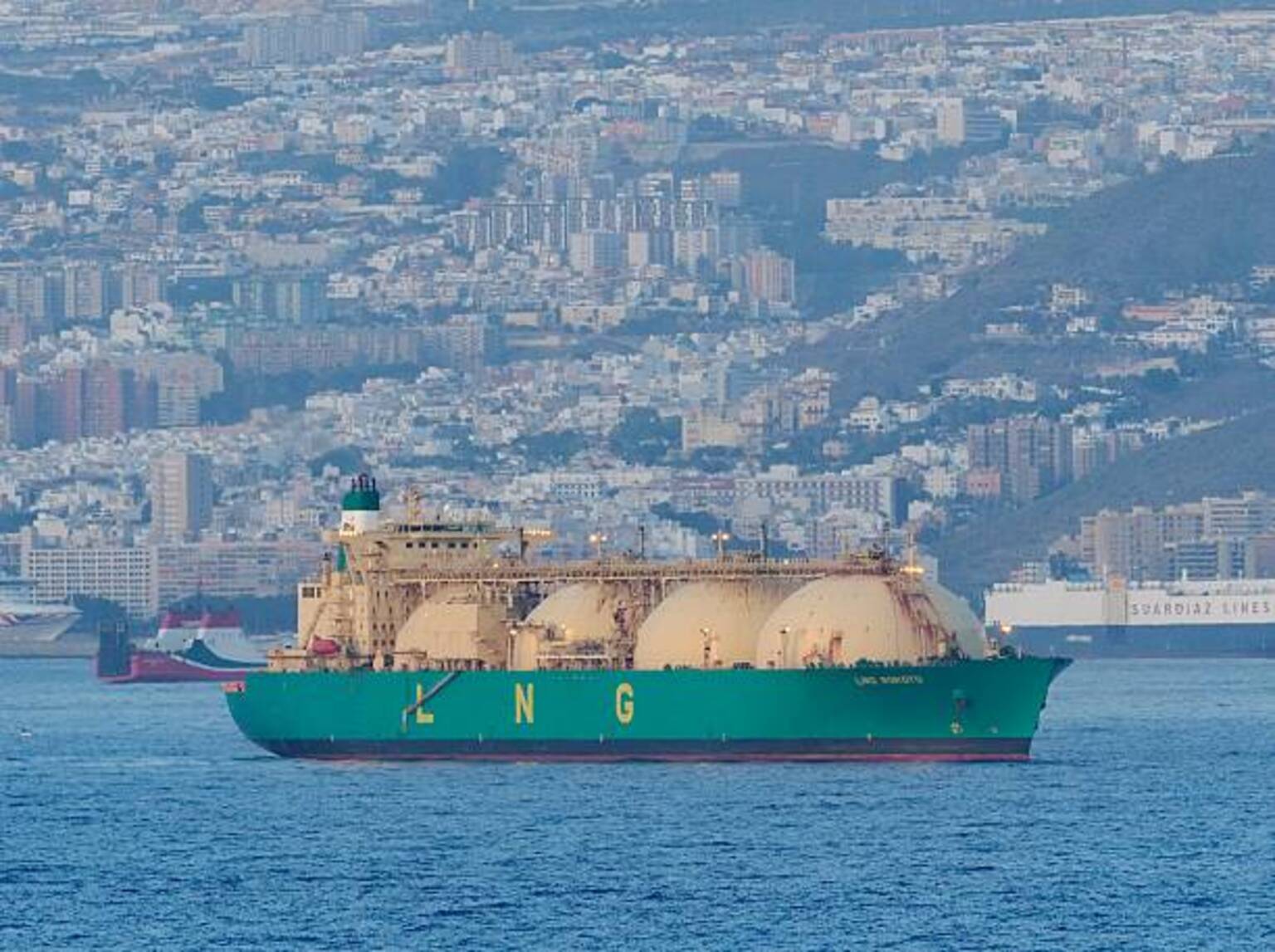
- LNG Export Halt: For the first time since 2008, Qatar has not exported LNG for five consecutive days due to shutdowns at the Ras Laffan LNG complex following Iranian strikes, which could significantly impact global energy supply chains.
- Focus on U.S. LNG Producers: Amid current geopolitical turmoil, Cheniere Energy (LNG) has emerged as a must-have energy stock for investors, while second-ranked Venture Global (VG) is highlighted for its ability to sell up to 4 billion cubic feet per day from its Plaquemines plant, showcasing its competitive edge in the market.
- Market Reaction: Dutch front-month gas futures rose by 6.1%, trading above €50 per megawatt, reflecting market concerns over LNG supply disruptions, which may lead to further volatility in energy prices.
- Force Majeure Declarations: Companies such as Shell (SHEL) and TotalEnergies (TTE) have declared force majeure to their customers, indicating the far-reaching implications of Qatar's LNG supply disruptions on global energy markets, potentially complicating customer relationships and contract fulfillments.

High-Yield Stocks Gain Appeal Amid Market Turbulence

- Brookfield Renewable: Brookfield Renewable is expected to double its revenue from $5.1 billion to $10.7 billion by 2028, driven primarily by the rapid growth of cloud computing and AI markets, while long-term renewable power agreements with Microsoft and Google will further solidify its market position.
- Stable Dividend Yield: Brookfield Renewable offers a forward yield of 5.2%, and although it has not yet achieved consistent profitability, its adjusted EBITDA is projected to grow at an 8% CAGR from 2025 to 2028, indicating strong future earnings potential.
- Enterprise Products Partners: Enterprise Products Partners operates over 50,000 miles of pipeline across 27 states, with an expected operational distributable cash flow of $7.9 billion in 2025, easily covering its $4.8 billion in distributions, ensuring a sustainable 5.9% yield.
- Market Competitive Advantage: While Enterprise Products Partners is less aggressive in expanding its pipeline network compared to competitors, its lower debt levels and stable revenue model provide relative safety and attractiveness in turbulent market conditions.

Energy Midstream Stocks Offer Stable Income

- Energy Transition Potential: Energy Transfer (ET) currently boasts a 7.1% dividend yield and plans to increase distributions by 3% to 5% moving forward, leveraging its extensive midstream operations and stable fee-based business to provide long-term passive income for investors.
- Consistent Growth Performance: Enterprise Products Partners (EPD) has increased its distribution for 27 consecutive years, with a current yield of 5.9%, and is projected to achieve double-digit growth in adjusted EBITDA and cash flow by 2027, demonstrating its reliability and resilience in uncertain markets.
- High Yield Appeal: Western Midstream (WES) offers an 8.6% yield, ranking among the highest in the midstream sector, and while facing some short-term challenges, it expects a 3% increase in distributions in 2026 and maintains financial stability through a restructured fixed-fee agreement with Occidental.
- Strategic Diversification: Western Midstream is actively expanding its footprint in the produced water business through acquisitions like Aris Water Solutions and the Pathfinder Pipeline project, and despite the transition period, it is still poised for adjusted EBITDA growth, enhancing its competitive position in the market.

U.S. Congress Revives Energy Permitting Reform Discussions

- Bipartisan Cooperation Resumes: Senate Environment and Public Works Committee Chair Shelley Moore Capito and ranking Democrat Sheldon Whitehouse are meeting again to discuss energy permitting reform, indicating a willingness for bipartisan collaboration on energy infrastructure development.
- Frequent Negotiations: Sources indicate that both parties will be communicating frequently this week, although no specific meeting times have been set, suggesting that the reform process is gaining momentum with committee staff actively negotiating.
- Increased Political Pressure: With energy prices soaring, lawmakers are under significant political pressure to reach a permitting reform agreement this year to lower energy costs and meet the rising demand for energy, particularly from power-hungry data centers.
- Complex Legislative Background: Despite the House passing the SPEED Act last year to streamline permitting, negotiations in the Senate are ongoing, and any final agreement may involve changes to longstanding environmental laws to expedite approvals for both renewable and traditional energy projects.

Kinetik Energy's Dividend Growth Outlook Optimistic Amid Price Surge
- Dividend Yield Advantage: Kinetik currently boasts a 7.1% dividend yield, surpassing most peers, with expectations for a 3% to 5% increase this year, which will enhance investor appeal, particularly against the backdrop of rising energy prices.
- Strong Market Performance: The stock has surged 26% year-to-date due to soaring oil and gas prices driven by the Iran conflict, indicating increasing investor interest in energy stocks, which may propel future growth for the company.
- Acquisition Potential: Analysts are turning bullish on Kinetik, with Raymond James upgrading its rating to outperform in January, suggesting the company could become a takeover target for several midstream players, thereby increasing market attention.
- Improving Profitability: Kinetik's current dividend coverage ratio stands at 1.2, expected to rise to 1.5 by year-end, and with increasing cash flows, the dividend growth plan will be strengthened, potentially achieving a 7% growth by 2027.

5 High-Dividend Stocks That May Provide Stability During Market Fluctuations

Market Volatility and Investor Sentiment: Tensions in the Middle East have intensified, leading to a rapid increase in global energy prices, with Brent crude surpassing $100 per barrel. This has reignited concerns about inflation and market stability, prompting investors to reassess their portfolios and adopt more defensive positions.
High-Yield Dividend Stocks: Companies like Chevron, Clorox, Energy Transfer, Global Net Lease, and Altria are highlighted as strong defensive plays due to their high dividend yields and stable demand, making them attractive options for investors seeking income amidst market volatility.
Chevron's Strong Performance: Chevron has significantly outperformed the broader market, with shares rising 24.6% year-to-date, benefiting from high oil prices and geopolitical tensions, positioning itself as a reliable dividend payer with a history of consistent increases.
Clorox and Consumer Staples: Clorox is noted for its stability in the consumer staples sector, maintaining strong demand for its products regardless of economic conditions. The company has a solid dividend history and is seen as a safe haven for investors looking for consistent returns.
Qatar's LNG Exports Halt for Five Days Amid Geopolitical Tensions
- LNG Export Halt: For the first time since 2008, Qatar has not exported LNG for five consecutive days due to shutdowns at the Ras Laffan LNG complex following Iranian strikes, which could significantly impact global energy supply chains.
- Focus on U.S. LNG Producers: Amid current geopolitical turmoil, Cheniere Energy (LNG) has emerged as a must-have energy stock for investors, while second-ranked Venture Global (VG) is highlighted for its ability to sell up to 4 billion cubic feet per day from its Plaquemines plant, showcasing its competitive edge in the market.
- Market Reaction: Dutch front-month gas futures rose by 6.1%, trading above €50 per megawatt, reflecting market concerns over LNG supply disruptions, which may lead to further volatility in energy prices.
- Force Majeure Declarations: Companies such as Shell (SHEL) and TotalEnergies (TTE) have declared force majeure to their customers, indicating the far-reaching implications of Qatar's LNG supply disruptions on global energy markets, potentially complicating customer relationships and contract fulfillments.
High-Yield Stocks Gain Appeal Amid Market Turbulence
- Brookfield Renewable: Brookfield Renewable is expected to double its revenue from $5.1 billion to $10.7 billion by 2028, driven primarily by the rapid growth of cloud computing and AI markets, while long-term renewable power agreements with Microsoft and Google will further solidify its market position.
- Stable Dividend Yield: Brookfield Renewable offers a forward yield of 5.2%, and although it has not yet achieved consistent profitability, its adjusted EBITDA is projected to grow at an 8% CAGR from 2025 to 2028, indicating strong future earnings potential.
- Enterprise Products Partners: Enterprise Products Partners operates over 50,000 miles of pipeline across 27 states, with an expected operational distributable cash flow of $7.9 billion in 2025, easily covering its $4.8 billion in distributions, ensuring a sustainable 5.9% yield.
- Market Competitive Advantage: While Enterprise Products Partners is less aggressive in expanding its pipeline network compared to competitors, its lower debt levels and stable revenue model provide relative safety and attractiveness in turbulent market conditions.
Energy Midstream Stocks Offer Stable Income
- Energy Transition Potential: Energy Transfer (ET) currently boasts a 7.1% dividend yield and plans to increase distributions by 3% to 5% moving forward, leveraging its extensive midstream operations and stable fee-based business to provide long-term passive income for investors.
- Consistent Growth Performance: Enterprise Products Partners (EPD) has increased its distribution for 27 consecutive years, with a current yield of 5.9%, and is projected to achieve double-digit growth in adjusted EBITDA and cash flow by 2027, demonstrating its reliability and resilience in uncertain markets.
- High Yield Appeal: Western Midstream (WES) offers an 8.6% yield, ranking among the highest in the midstream sector, and while facing some short-term challenges, it expects a 3% increase in distributions in 2026 and maintains financial stability through a restructured fixed-fee agreement with Occidental.
- Strategic Diversification: Western Midstream is actively expanding its footprint in the produced water business through acquisitions like Aris Water Solutions and the Pathfinder Pipeline project, and despite the transition period, it is still poised for adjusted EBITDA growth, enhancing its competitive position in the market.
U.S. Congress Revives Energy Permitting Reform Discussions
- Bipartisan Cooperation Resumes: Senate Environment and Public Works Committee Chair Shelley Moore Capito and ranking Democrat Sheldon Whitehouse are meeting again to discuss energy permitting reform, indicating a willingness for bipartisan collaboration on energy infrastructure development.
- Frequent Negotiations: Sources indicate that both parties will be communicating frequently this week, although no specific meeting times have been set, suggesting that the reform process is gaining momentum with committee staff actively negotiating.
- Increased Political Pressure: With energy prices soaring, lawmakers are under significant political pressure to reach a permitting reform agreement this year to lower energy costs and meet the rising demand for energy, particularly from power-hungry data centers.
- Complex Legislative Background: Despite the House passing the SPEED Act last year to streamline permitting, negotiations in the Senate are ongoing, and any final agreement may involve changes to longstanding environmental laws to expedite approvals for both renewable and traditional energy projects.
Kinetik Energy's Dividend Growth Outlook Optimistic Amid Price Surge
- Dividend Yield Advantage: Kinetik currently boasts a 7.1% dividend yield, surpassing most peers, with expectations for a 3% to 5% increase this year, which will enhance investor appeal, particularly against the backdrop of rising energy prices.
- Strong Market Performance: The stock has surged 26% year-to-date due to soaring oil and gas prices driven by the Iran conflict, indicating increasing investor interest in energy stocks, which may propel future growth for the company.
- Acquisition Potential: Analysts are turning bullish on Kinetik, with Raymond James upgrading its rating to outperform in January, suggesting the company could become a takeover target for several midstream players, thereby increasing market attention.
- Improving Profitability: Kinetik's current dividend coverage ratio stands at 1.2, expected to rise to 1.5 by year-end, and with increasing cash flows, the dividend growth plan will be strengthened, potentially achieving a 7% growth by 2027.
5 High-Dividend Stocks That May Provide Stability During Market Fluctuations
Market Volatility and Investor Sentiment: Tensions in the Middle East have intensified, leading to a rapid increase in global energy prices, with Brent crude surpassing $100 per barrel. This has reignited concerns about inflation and market stability, prompting investors to reassess their portfolios and adopt more defensive positions.
High-Yield Dividend Stocks: Companies like Chevron, Clorox, Energy Transfer, Global Net Lease, and Altria are highlighted as strong defensive plays due to their high dividend yields and stable demand, making them attractive options for investors seeking income amidst market volatility.
Chevron's Strong Performance: Chevron has significantly outperformed the broader market, with shares rising 24.6% year-to-date, benefiting from high oil prices and geopolitical tensions, positioning itself as a reliable dividend payer with a history of consistent increases.
Clorox and Consumer Staples: Clorox is noted for its stability in the consumer staples sector, maintaining strong demand for its products regardless of economic conditions. The company has a solid dividend history and is seen as a safe haven for investors looking for consistent returns.