Cathie Wood Sells $11.6 Million in Tesla Shares: Discover Ark's New Acquisitions


Ark Invest's Tesla Trade: Ark Invest sold 27,102 shares of Tesla, valued at approximately $11.6 million, amid concerns about the company's core business performance despite a recent stock rise and a significant market cap increase.
Coinbase Position Increase: Ark Invest purchased 62,166 shares of Coinbase across multiple ETFs, worth nearly $16.5 million, despite recent downgrades from analysts due to stretched valuations and market pressures on crypto-linked companies.
Deere & Co. Acquisition: Ark Invest acquired 30,518 shares of Deere & Co., valued at around $14.3 million, indicating a strategic bet on the company's future recovery despite a decline in stock price following a less favorable fiscal outlook.
Other Notable Trades: Ark Invest also sold shares of Iridium Communications and Ibotta, while buying shares of the ARK 21Shares Bitcoin ETF and Klarna Group PLC, reflecting ongoing adjustments to its investment portfolio.
Trade with 70% Backtested Accuracy
Analyst Views on TSLA

About TSLA
About the author

SPACEX, LAST VALUED AT $1.25 TRILLION, WILL DETERMINE THE FINAL OFFERING SIZE AND VALUATION JUST WEEKS PRIOR TO THE IPO - THE INFORMATION

Company Valuation: SpaceX is currently valued at $1.25 trillion.
Upcoming Decisions: The actual size of the offering and its valuation will not be determined until a few weeks before the IPO.
SPACEX MAY SEEK OVER $75 BILLION IN IPO, REPORTS THE INFORMATION
- SpaceX's IPO Plans: SpaceX is attempting to raise over $75 billion through its initial public offering (IPO).
- Market Impact: The potential IPO could significantly influence the aerospace and technology sectors, attracting considerable investor interest.
Tesla's Terafab Project to Propel AI Advancements
- Project Overview: Tesla's Terafab project aims to address the significant constraints posed by chip and memory supply on AI advancements in the coming years by integrating design, fabrication, mask production, packaging, and testing to enhance overall production efficiency.
- Market Expectations: Wedbush analyst Dan Ives maintains an ‘Outperform’ rating on Tesla with a $600 price target, believing that Terafab will accelerate Tesla's positioning in the AI sector, despite uncertainties surrounding the project's timeline.
- Strategic Importance: Musk described Terafab as “the most epic chip-building exercise in history,” with the facility expected to produce over one terawatt of computing capacity annually, supporting Tesla's vehicles, Optimus robots, and future space-based AI infrastructure.
- Investor Sentiment: Despite TSLA stock gaining 38% over the past 12 months, retail sentiment on Stocktwits remains in the ‘extremely bearish’ territory, indicating market concerns about future developments.

Tesla and SpaceX Plan Semiconductor Merger in Austin
- Massive Semiconductor Facility: Tesla and SpaceX's proposed Terafab project in Austin, Texas, is expected to cost up to $25 billion, making it the largest semiconductor fabrication facility in history, focusing on chip design, manufacturing, and testing, indicating deep collaboration between the two companies in the semiconductor sector.
- Ambitious Production Targets: The facility aims for an initial production target of 100,000 wafer starts per month, scaling to 1 million per month, which would represent approximately 70% of TSMC's global output, providing 100 billion to 200 billion custom AI and memory chips annually for Tesla's FSD, Cybercab, and Optimus production lines.
- Meeting Market Demand: With TSMC and Samsung unable to meet Musk's production goals, this facility will ramp up over time to address the rapidly growing demand for AI computing power, with current AI compute output at around 20 gigawatts per year, only meeting 2% of the companies' needs.
- Merger Outlook: Analysts believe this project will accelerate Tesla's ambitious AI trajectory, laying the groundwork for a potential merger between Tesla and SpaceX in 2027, with chip and memory supply expected to be the greatest constraint.
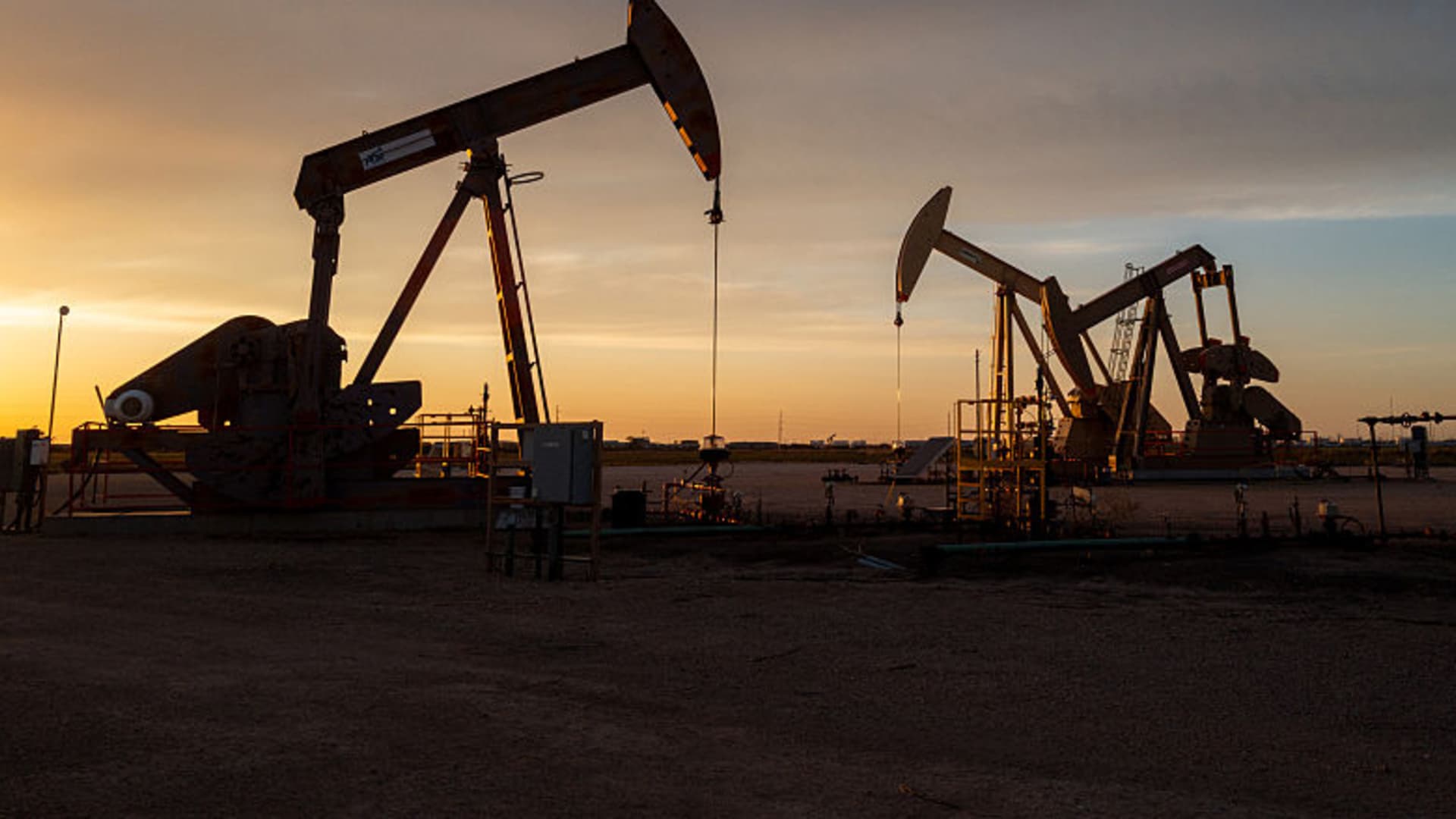
Market Update: Oil Prices Slide Amid Tech Stock Performance


- Oil Price Impact: Oil prices have dropped below $90 per barrel due to hopes for a truce between the U.S. and Iran, which could positively influence the stock market, as falling oil prices generally lead to a more favorable outlook for equities despite Iran's denial of ceasefire intentions.
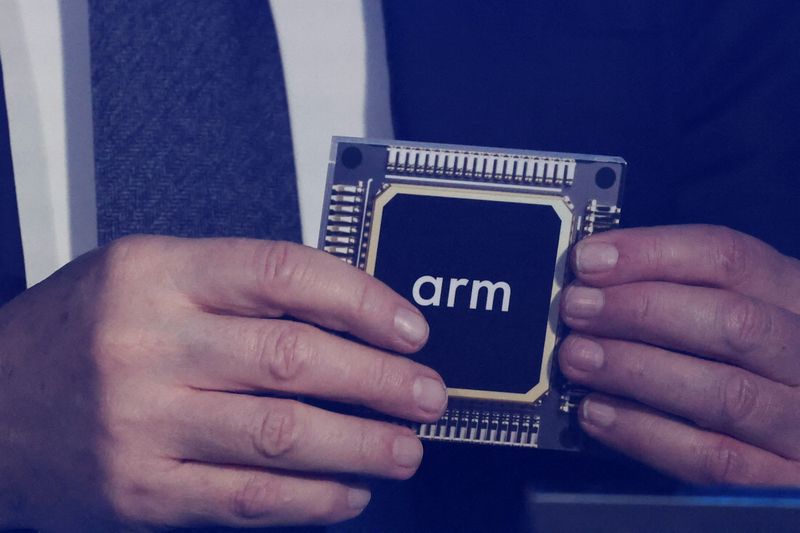
- Surge in Arm Chip Demand: Arm's first in-house designed AGI CPU chip has seen incredible demand, with projections of $15 billion in revenue by 2031, prompting Raymond James to upgrade its stock rating from hold to buy, resulting in a 12% increase in share price, aligning with Nvidia's GPU performance.
- OpenAI Fundraising Milestone: OpenAI has raised an additional $10 billion from investors, bringing its total fundraising in this round to over $120 billion, with significant participation from institutions like Microsoft, indicating strong market confidence in its future growth potential.
- Merck's Strategic Acquisition: Merck is acquiring cancer biotech Terns Pharmaceuticals for $6.7 billion to bolster its oncology portfolio ahead of the 2028 patent expiration of its top-selling drug Keytruda, highlighting Merck's strategic focus on cancer treatment advancements.
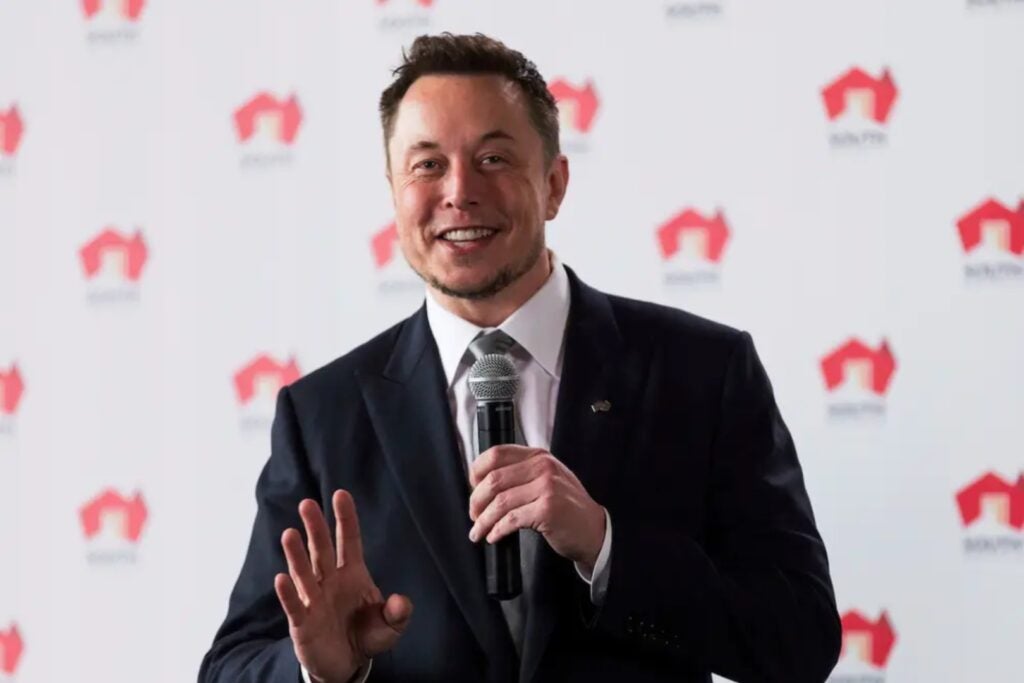
TESLA STOCK RISES BY 2.5%

- Tesla Share Performance: Tesla's shares have increased by 2.5%, indicating a positive market response.
- Market Trends: The rise in Tesla's stock reflects broader trends in the electric vehicle market and investor sentiment.
SPACEX, LAST VALUED AT $1.25 TRILLION, WILL DETERMINE THE FINAL OFFERING SIZE AND VALUATION JUST WEEKS PRIOR TO THE IPO - THE INFORMATION
Company Valuation: SpaceX is currently valued at $1.25 trillion.
Upcoming Decisions: The actual size of the offering and its valuation will not be determined until a few weeks before the IPO.
SPACEX MAY SEEK OVER $75 BILLION IN IPO, REPORTS THE INFORMATION
- SpaceX's IPO Plans: SpaceX is attempting to raise over $75 billion through its initial public offering (IPO).
- Market Impact: The potential IPO could significantly influence the aerospace and technology sectors, attracting considerable investor interest.
Tesla's Terafab Project to Propel AI Advancements
- Project Overview: Tesla's Terafab project aims to address the significant constraints posed by chip and memory supply on AI advancements in the coming years by integrating design, fabrication, mask production, packaging, and testing to enhance overall production efficiency.
- Market Expectations: Wedbush analyst Dan Ives maintains an ‘Outperform’ rating on Tesla with a $600 price target, believing that Terafab will accelerate Tesla's positioning in the AI sector, despite uncertainties surrounding the project's timeline.
- Strategic Importance: Musk described Terafab as “the most epic chip-building exercise in history,” with the facility expected to produce over one terawatt of computing capacity annually, supporting Tesla's vehicles, Optimus robots, and future space-based AI infrastructure.
- Investor Sentiment: Despite TSLA stock gaining 38% over the past 12 months, retail sentiment on Stocktwits remains in the ‘extremely bearish’ territory, indicating market concerns about future developments.
Tesla and SpaceX Plan Semiconductor Merger in Austin
- Massive Semiconductor Facility: Tesla and SpaceX's proposed Terafab project in Austin, Texas, is expected to cost up to $25 billion, making it the largest semiconductor fabrication facility in history, focusing on chip design, manufacturing, and testing, indicating deep collaboration between the two companies in the semiconductor sector.
- Ambitious Production Targets: The facility aims for an initial production target of 100,000 wafer starts per month, scaling to 1 million per month, which would represent approximately 70% of TSMC's global output, providing 100 billion to 200 billion custom AI and memory chips annually for Tesla's FSD, Cybercab, and Optimus production lines.
- Meeting Market Demand: With TSMC and Samsung unable to meet Musk's production goals, this facility will ramp up over time to address the rapidly growing demand for AI computing power, with current AI compute output at around 20 gigawatts per year, only meeting 2% of the companies' needs.
- Merger Outlook: Analysts believe this project will accelerate Tesla's ambitious AI trajectory, laying the groundwork for a potential merger between Tesla and SpaceX in 2027, with chip and memory supply expected to be the greatest constraint.
Market Update: Oil Prices Slide Amid Tech Stock Performance
- Oil Price Impact: Oil prices have dropped below $90 per barrel due to hopes for a truce between the U.S. and Iran, which could positively influence the stock market, as falling oil prices generally lead to a more favorable outlook for equities despite Iran's denial of ceasefire intentions.
- Surge in Arm Chip Demand: Arm's first in-house designed AGI CPU chip has seen incredible demand, with projections of $15 billion in revenue by 2031, prompting Raymond James to upgrade its stock rating from hold to buy, resulting in a 12% increase in share price, aligning with Nvidia's GPU performance.
- OpenAI Fundraising Milestone: OpenAI has raised an additional $10 billion from investors, bringing its total fundraising in this round to over $120 billion, with significant participation from institutions like Microsoft, indicating strong market confidence in its future growth potential.
- Merck's Strategic Acquisition: Merck is acquiring cancer biotech Terns Pharmaceuticals for $6.7 billion to bolster its oncology portfolio ahead of the 2028 patent expiration of its top-selling drug Keytruda, highlighting Merck's strategic focus on cancer treatment advancements.
TESLA STOCK RISES BY 2.5%
- Tesla Share Performance: Tesla's shares have increased by 2.5%, indicating a positive market response.
- Market Trends: The rise in Tesla's stock reflects broader trends in the electric vehicle market and investor sentiment.